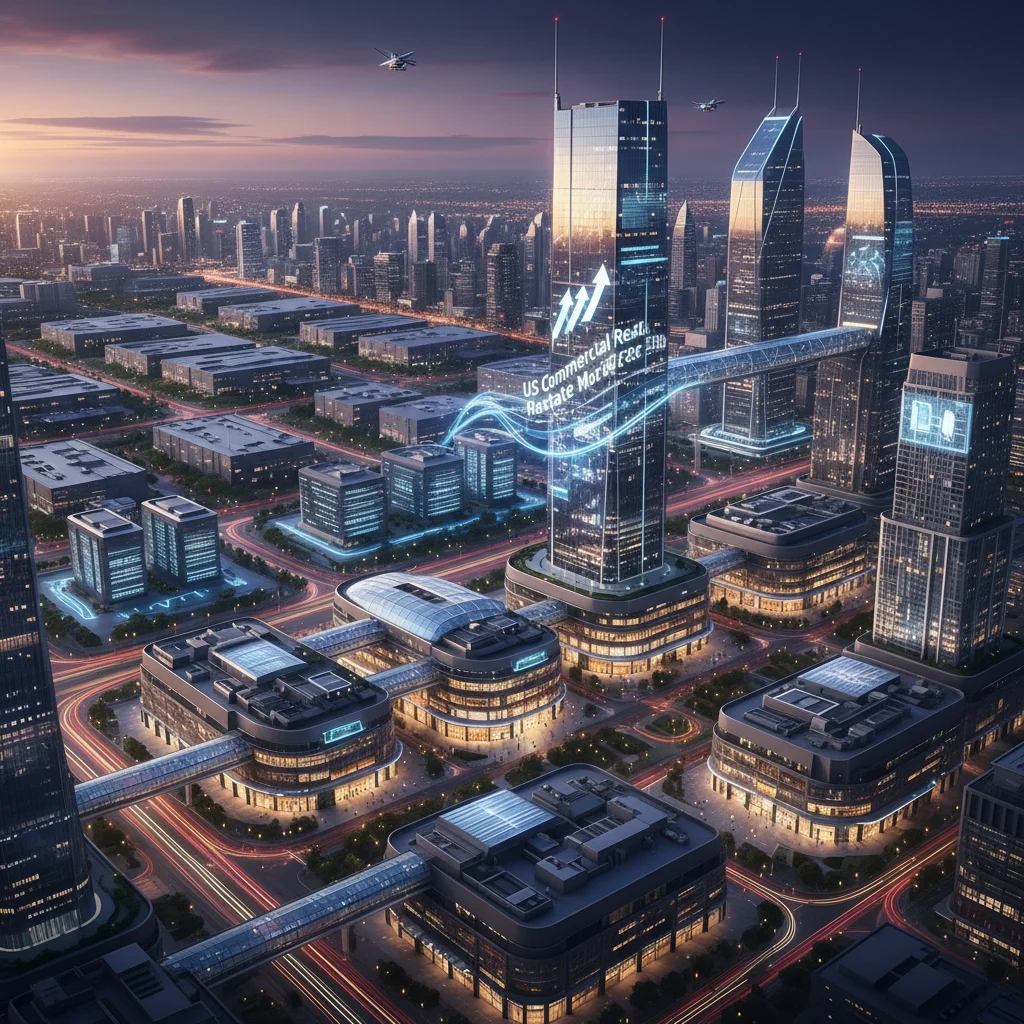
US Commercial Real Estate 2026: Navigating the Evolving Landscape
The United States commercial real estate market is a perpetually evolving beast, influenced by a myriad of economic, technological, and societal forces. As we cast our gaze forward to commercial real estate 2026, it becomes clear that the sector is in a period of significant transformation. Investors, developers, and tenants alike are grappling with new paradigms, from the hybrid work model reshaping office demand to the insatiable appetite for e-commerce driving industrial growth. Understanding these shifts is paramount for anyone looking to capitalize on the opportunities and mitigate the risks in the coming years.
This comprehensive analysis will delve into the projected trends, scrutinize the factors influencing demand across various asset classes, and highlight key investment opportunities that are likely to define the commercial real estate 2026 landscape. We’ll explore the resilience of certain sectors, the challenges facing others, and the innovative strategies emerging to adapt to a changing world.
The Macroeconomic Environment Shaping Commercial Real Estate 2026
Before diving into specific property types, it’s crucial to understand the broader economic context that will influence commercial real estate 2026. Factors such as inflation, interest rates, GDP growth, and employment figures all play significant roles in dictating market performance. The Federal Reserve’s monetary policy, in particular, will continue to be a dominant force, impacting the cost of capital and, consequently, investment decisions.
Current projections suggest a continued, albeit potentially moderated, economic growth trajectory for the US. While inflationary pressures may persist, efforts to stabilize the economy are expected to create a more predictable environment for long-term planning. Employment trends, especially the return-to-office mandates and the ongoing tight labor market, will directly affect demand for office and industrial spaces. Consumer spending patterns, influenced by disposable income and confidence, will be a critical determinant for the retail and hospitality sectors.
Furthermore, geopolitical stability and global supply chain dynamics will indirectly, yet significantly, impact sectors like industrial and logistics. A stable global environment tends to foster greater investment and trade, benefiting these asset classes. Conversely, disruptions can lead to increased costs and reduced demand, creating headwinds for the commercial real estate 2026 market.
Office Market: A Continued Evolution Towards Flexibility and Experience
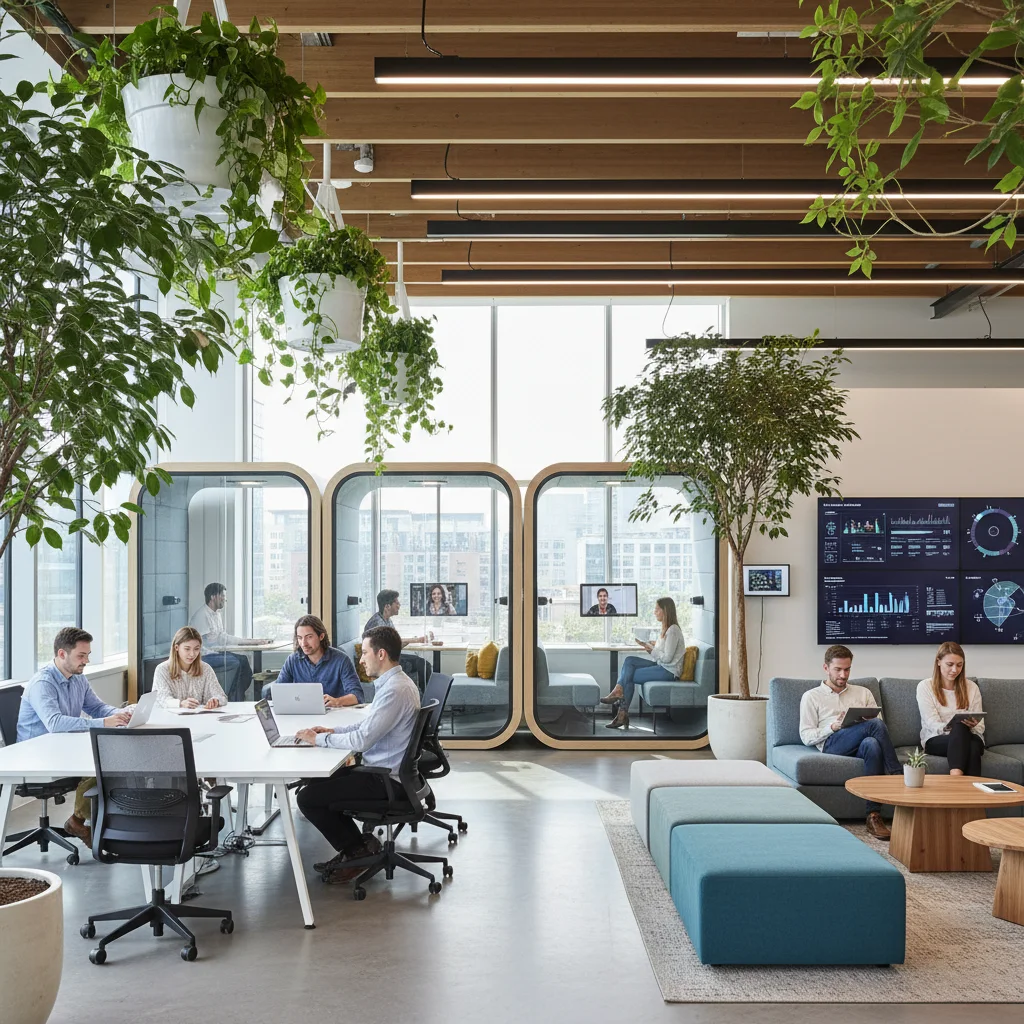
The office sector remains one of the most talked-about and scrutinized components of commercial real estate 2026. The shift to remote and hybrid work models, accelerated by recent global events, is not merely a temporary blip but a fundamental reorientation of how and where people work. In 2026, we can expect this evolution to solidify, with a clear bifurcation in demand.
Prime, Class A office spaces in desirable urban cores and suburban hubs that offer superior amenities, advanced technology infrastructure, and a focus on employee well-being will likely continue to attract tenants. These spaces are increasingly viewed as tools for fostering collaboration, innovation, and company culture, rather than just places to perform tasks. Employers are willing to invest in high-quality offices that can entice employees back and enhance productivity.
Conversely, older, less-amenitized Class B and C office buildings will face significant challenges. Landlords will need to consider substantial renovations, repositioning, or even conversions to other uses, such as residential or life sciences, to remain competitive. The ‘flight to quality’ will intensify, leading to higher vacancy rates and downward pressure on rents for subpar properties. Flexible lease terms, co-working models, and ‘space-as-a-service’ offerings will also become more prevalent, reflecting tenants’ desire for agility and cost efficiency in commercial real estate 2026.
Retail Real Estate: Experiential and Omnichannel Strategies Reign Supreme
The retail sector, once declared on life support, has demonstrated remarkable resilience and adaptability. By commercial real estate 2026, successful retail properties will be those that have fully embraced an experiential and omnichannel approach. The traditional transactional model is largely obsolete; consumers now seek engaging experiences, convenience, and seamless integration between online and in-store shopping.
Destination retail, which combines shopping with entertainment, dining, and community events, will thrive. Mixed-use developments that integrate retail with residential, office, and hospitality components will also gain traction, creating vibrant hubs that attract foot traffic. Leasing strategies will increasingly focus on services, pop-up shops, and local businesses that offer unique products or experiences not easily replicated online.
Furthermore, the ‘last-mile’ logistics component will continue to shape retail real estate. Brick-and-mortar stores are increasingly functioning as fulfillment centers, offering curbside pickup, in-store returns, and contributing to efficient delivery networks. This blend of physical and digital will be crucial for the success of retail properties in commercial real estate 2026. Investors should look for properties in dense, affluent areas with strong demographics and adaptable layouts that can accommodate evolving tenant needs.
Industrial and Logistics: Unabated Growth Driven by E-commerce and Supply Chain Reshaping
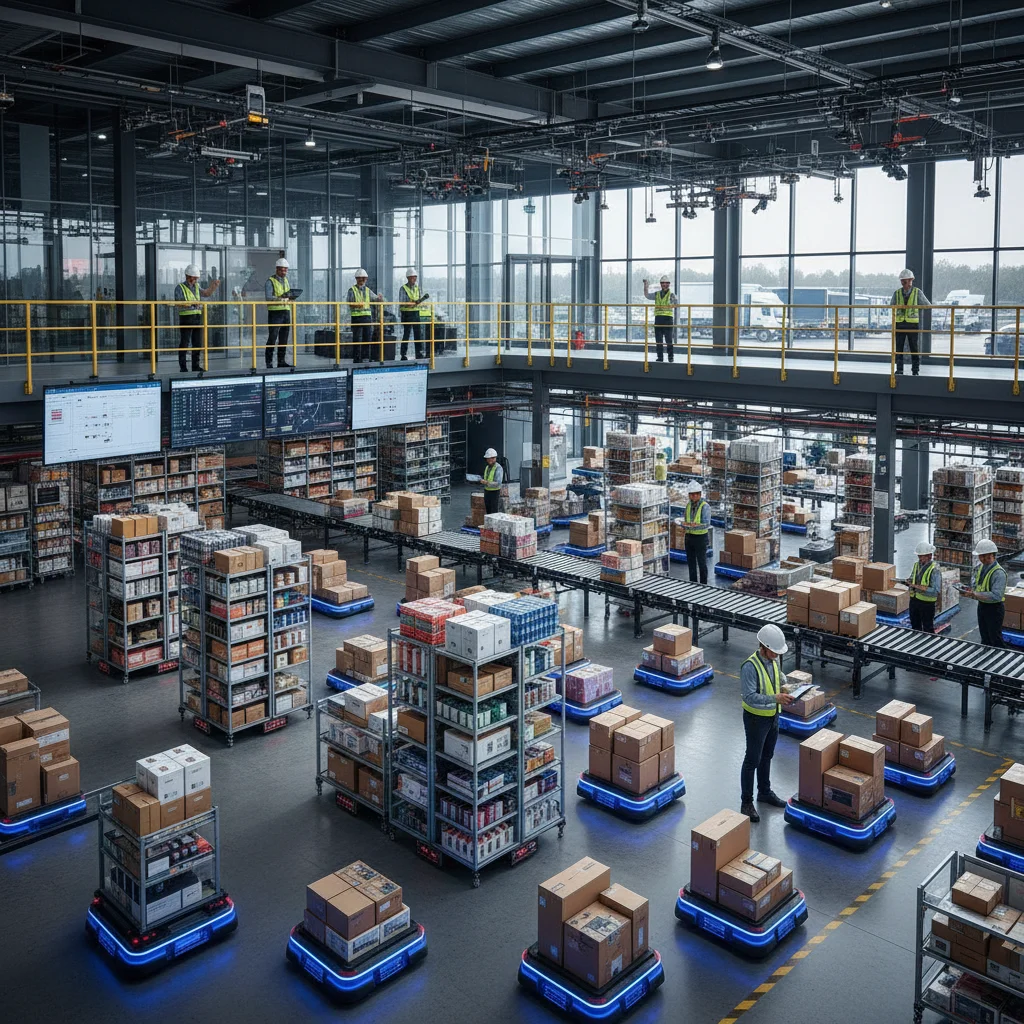
The industrial and logistics sector remains a powerhouse in commercial real estate 2026. The unstoppable rise of e-commerce, coupled with strategic efforts to onshore manufacturing and diversify supply chains, will continue to fuel robust demand for warehouses, distribution centers, and fulfillment facilities. This sector is characterized by low vacancy rates and strong rent growth, trends expected to persist.
Key drivers include the need for faster delivery times, leading to increased demand for strategically located ‘last-mile’ facilities in urban and suburban areas. Automation and robotics are also transforming these spaces, requiring higher clear heights, specialized flooring, and robust power infrastructure. Cold storage facilities, driven by the expanding grocery delivery market and pharmaceutical needs, represent another high-growth niche within industrial real estate.
The emphasis on supply chain resilience means companies are seeking to hold more inventory and diversify their geographical footprint, moving away from a ‘just-in-time’ to a ‘just-in-case’ inventory model. This will translate into continued strong demand for large-scale industrial parks and build-to-suit opportunities. Proximity to major transportation hubs, ports, and intermodal facilities will remain a premium. The industrial sector is arguably the most stable and attractive investment in commercial real estate 2026.
Multifamily Housing: Demand Sustained by Demographic Shifts and Affordability Challenges
The multifamily housing sector is expected to maintain its strong performance in commercial real estate 2026, underpinned by persistent housing affordability challenges and ongoing demographic shifts. High homeownership costs, driven by elevated interest rates and rising home prices, are keeping many individuals and families in the rental market for longer periods. This sustained demand provides a solid foundation for multifamily investments.
Demographic trends, such as the large millennial population entering prime household-forming years and the increasing number of Gen Z individuals entering the workforce, will continue to fuel rental demand. Urbanization trends, even with the rise of remote work, mean that many still prefer the amenities and convenience of city living or well-located suburban communities. Sun Belt markets, in particular, are expected to see continued population and job growth, translating into strong multifamily performance.
However, investors must be mindful of supply dynamics and regulatory environments. While demand is robust, oversupply in certain submarkets or rent control measures could impact profitability. There’s also a growing focus on affordable housing and workforce housing initiatives, presenting both opportunities and challenges for developers. Amenities that cater to a hybrid lifestyle, such as co-working spaces, fitness centers, and outdoor areas, will be highly valued by tenants in commercial real estate 2026.
Emerging Trends and Niche Opportunities in Commercial Real Estate 2026
Beyond the core asset classes, several emerging trends and niche sectors are poised for significant growth in commercial real estate 2026, offering diverse investment opportunities:
- Life Sciences: Driven by an aging population, technological advancements in biotech, and increased R&D funding, the life sciences sector (labs, research facilities, specialized manufacturing) will continue its rapid expansion. Clusters in cities like Boston, San Francisco, San Diego, and emerging hubs will see strong demand.
- Data Centers: The exponential growth of data, cloud computing, AI, and 5G technology ensures that demand for data centers will remain robust. These highly specialized facilities require significant capital investment but offer stable, long-term returns.
- Self-Storage: Often considered recession-resilient, self-storage benefits from population mobility, downsizing trends, and the increasing accumulation of goods. This sector offers relatively low operating costs and consistent demand.
- Healthcare Facilities: An aging population and the decentralization of healthcare services will drive demand for medical office buildings, urgent care centers, and specialized clinics. These properties often benefit from long-term leases with stable tenants.
- Student Housing: As university enrollments remain strong, purpose-built student housing, particularly those with modern amenities and convenient locations, will continue to be an attractive investment.
- Alternative Energy Infrastructure: The push towards renewable energy will create demand for land and specialized facilities for solar farms, wind turbine manufacturing, and battery storage, presenting unique opportunities in commercial real estate 2026.
Technological Innovations and ESG Imperatives
Technology will continue to be a transformative force across all sectors of commercial real estate 2026. Smart building technologies, AI-powered property management systems, predictive analytics for market forecasting, and virtual reality for property tours are becoming standard. These innovations enhance operational efficiency, reduce costs, and improve tenant experiences.
Environmental, Social, and Governance (ESG) factors are also moving from a niche concern to a central tenet of real estate investment and development. Investors are increasingly prioritizing sustainable buildings, energy efficiency, and properties with strong social impact. Green certifications, reduced carbon footprints, and resilient building designs will not only attract capital but also command higher rents and valuations. Companies that integrate ESG principles effectively into their strategies will be better positioned for long-term success in commercial real estate 2026.
Challenges and Risks for Commercial Real Estate 2026
While opportunities abound, the commercial real estate 2026 market is not without its challenges. Rising interest rates can increase borrowing costs, impacting development feasibility and investor returns. Inflationary pressures can drive up construction costs and operational expenses, squeezing margins.
Market volatility, economic downturns, and unforeseen global events always pose risks. Specific to certain sectors, oversupply in some office markets or regulatory hurdles in residential development could create headwinds. Geopolitical instability and ongoing supply chain disruptions could also negatively impact industrial and logistics sectors. Diligent due diligence, diversified portfolios, and a focus on high-quality assets in resilient markets will be crucial for navigating these challenges.
Investment Strategies for Commercial Real Estate 2026
For investors looking to thrive in commercial real estate 2026, strategic approaches will be key:
- Focus on Resilient Sectors: Industrial, multifamily (especially in growth markets), life sciences, and data centers are expected to show strong performance.
- Embrace Adaptability: For office and retail, look for properties that can be easily reconfigured or repurposed to meet evolving tenant demands and experiential needs.
- Prioritize ESG: Invest in properties with strong sustainability credentials or those that can be upgraded to meet green standards. This will enhance value and attract a broader pool of tenants and investors.
- Leverage Technology: Utilize proptech solutions for better property management, tenant engagement, and market analysis.
- Consider Debt Strategies: With potentially higher interest rates, creative financing solutions and a careful assessment of debt structures will be vital.
- Geographic Diversification: While Sun Belt markets are strong, consider diversification across different regions and even international markets to mitigate localized risks.
- Value-Add Opportunities: Look for opportunities to acquire underperforming assets in good locations and add value through renovations, repositioning, or improved management.
Conclusion: A Dynamic Future for Commercial Real Estate 2026
The landscape of commercial real estate 2026 promises to be dynamic and complex, characterized by both significant opportunities and persistent challenges. The enduring shifts in work patterns, consumer behavior, and technological advancements will continue to reshape demand across all property types. While some sectors, like industrial and multifamily, are poised for continued strength, others, particularly the office and traditional retail segments, will require innovative strategies and significant adaptation to remain viable.
Successful navigation of the commercial real estate 2026 market will require a keen understanding of macroeconomic forces, a willingness to embrace technological innovation, and a strong commitment to ESG principles. Investors and developers who can identify emerging trends, adapt to changing tenant needs, and focus on high-quality, resilient assets in strategic locations will be well-positioned to achieve long-term success in this exciting and evolving sector.
The future of commercial real estate is not about returning to old norms but forging new ones. By embracing flexibility, sustainability, and experience-driven design, stakeholders can unlock immense value and contribute to the vibrant urban and economic fabric of the United States in the years to come.