Command to Coach: Evolving Management Styles for US Workforce 2026

From Command to Coach: Evolving Management Styles for the US Workforce in 2026
The landscape of work is in a perpetual state of flux, and as we hurtle towards 2026, the US workforce stands at the precipice of significant transformation. Gone are the days when a purely hierarchical, command-and-control management style sufficed. The modern employee, shaped by technological advancements, global connectivity, and a heightened awareness of well-being, demands a different kind of leadership. This paradigm shift necessitates a profound evolution in management styles, moving decisively from a directive ‘command’ approach to a nurturing, empowering ‘coach’ mentality.
Understanding these evolving management styles is not merely an academic exercise; it’s an imperative for organizations striving for agility, innovation, and sustained success in the competitive talent market. The ability to adapt, foster psychological safety, and cultivate continuous growth will be the hallmarks of effective leadership in the coming years. This comprehensive guide will explore the drivers behind this monumental shift, delineate the characteristics of the coaching leader, and provide actionable strategies for current and aspiring managers to thrive in this new era.
The Shifting Tides: Why Traditional Management is Becoming Obsolete
To fully grasp the urgency of embracing evolving management styles, we must first examine the forces rendering traditional approaches ineffective. Several key trends are converging to reshape employee expectations and organizational dynamics:
The Rise of the Knowledge Worker and Autonomy
The US economy has increasingly shifted towards knowledge-based industries. Today’s workforce is often composed of highly skilled individuals who value autonomy, purpose, and opportunities for personal and professional development. They are not merely cogs in a machine; they are creative problem-solvers who thrive when given the freedom to innovate and take ownership of their work. A command-and-control approach stifles this inherent drive, leading to disengagement and high turnover.
Technological Advancements and Distributed Workforces
The accelerated adoption of digital tools and the proliferation of remote and hybrid work models have fundamentally altered how teams collaborate and communicate. Managers can no longer rely on physical proximity to monitor and direct their teams. Instead, they must cultivate trust, empower self-management, and facilitate seamless collaboration across geographical boundaries. Technology, while enabling this flexibility, also demands a leadership style that focuses on outcomes rather than oversight.
Generational Shifts and Values
The workforce of 2026 will comprise a multi-generational mix, with Gen Z and Millennials forming a significant majority. These generations often prioritize work-life balance, social impact, continuous learning, and authentic leadership. They seek leaders who are mentors, coaches, and advocates, rather than just taskmasters. Understanding these diverse values is crucial for retention and motivation.
Emphasis on Well-being and Psychological Safety
The pandemic underscored the critical importance of employee well-being and psychological safety. Organizations are increasingly recognizing that a healthy, supported workforce is a productive one. Leaders are now expected to be attuned to their team members’ mental health, foster inclusive environments, and create spaces where individuals feel safe to speak up, take risks, and even fail constructively. This human-centric approach is a cornerstone of evolving management styles.
The Need for Agility and Continuous Learning
In a world characterized by Volatility, Uncertainty, Complexity, and Ambiguity (VUCA), organizations must be agile to survive and thrive. This agility is not just about processes; it’s about people. Leaders must build teams that are adaptable, resilient, and committed to continuous learning. A coaching approach, which emphasizes skill development and problem-solving, is far more effective in fostering this agility than rigid directives.
The Coaching Leader: A Blueprint for 2026 Success
The transition from a ‘command’ to a ‘coach’ mindset is not about abandoning authority but about redefining it. A coaching leader is not a passive observer; they are an active facilitator of growth, a strategic guide, and a powerful enabler. Here are the core tenets of this transformative leadership style:
1. Cultivating Self-Awareness and Emotional Intelligence
Effective coaching begins with self-awareness. Leaders must understand their own strengths, weaknesses, biases, and emotional triggers. High emotional intelligence allows them to connect genuinely with team members, understand their perspectives, and provide feedback that resonates. This foundation is essential for building trust and rapport, which are vital for any coaching relationship.
2. Active Listening and Powerful Questioning
Unlike traditional managers who often dictate solutions, coaching leaders excel at active listening. They listen to understand, not just to respond. They ask open-ended, powerful questions that encourage team members to think critically, explore options, and discover their own solutions. This approach empowers individuals, builds confidence, and fosters a sense of ownership over their work and development.
3. Fostering a Growth Mindset
Inspired by Carol Dweck’s research, a growth mindset is crucial for both leaders and their teams. Coaching leaders believe in the potential for continuous improvement and view challenges as opportunities for learning. They encourage experimentation, celebrate effort, and reframe failures as valuable lessons. This mindset creates an environment where individuals are motivated to stretch their capabilities and embrace new skills.
4. Providing Constructive Feedback and Development Opportunities
Feedback in a coaching model is not about criticism; it’s about development. Coaching leaders deliver feedback regularly, specifically, and with a focus on future growth. They collaborate with team members to identify development areas, set clear goals, and provide resources and opportunities for skill acquisition. This could involve mentoring, training programs, cross-functional projects, or even job shadowing.
5. Empowering Autonomy and Accountability
The coaching leader trusts their team members to perform their best work. They delegate meaningful tasks, provide clear expectations, and then step back to allow individuals to execute. This empowerment comes with a reciprocal expectation of accountability. Team members are given the freedom to make decisions and are held responsible for the outcomes, fostering a sense of ownership and professional maturity.
6. Building Psychological Safety
A psychologically safe environment is one where team members feel comfortable taking interpersonal risks, asking questions, admitting mistakes, and challenging the status quo without fear of negative repercussions. Coaching leaders actively work to create this safety by demonstrating vulnerability, encouraging open dialogue, and addressing conflicts constructively. This is foundational for innovation and effective problem-solving.

Strategies for Implementing Evolving Management Styles in Your Organization
Transitioning to a coaching culture requires a concerted effort from both individual managers and the organization as a whole. Here are actionable strategies to facilitate this evolution:
1. Invest in Leadership Training and Development
The shift to coaching doesn’t happen overnight. Organizations must invest in comprehensive training programs that equip managers with the necessary coaching skills: active listening, powerful questioning, feedback delivery, and emotional intelligence. These programs should be ongoing, providing continuous learning and refinement.
2. Redefine Performance Management
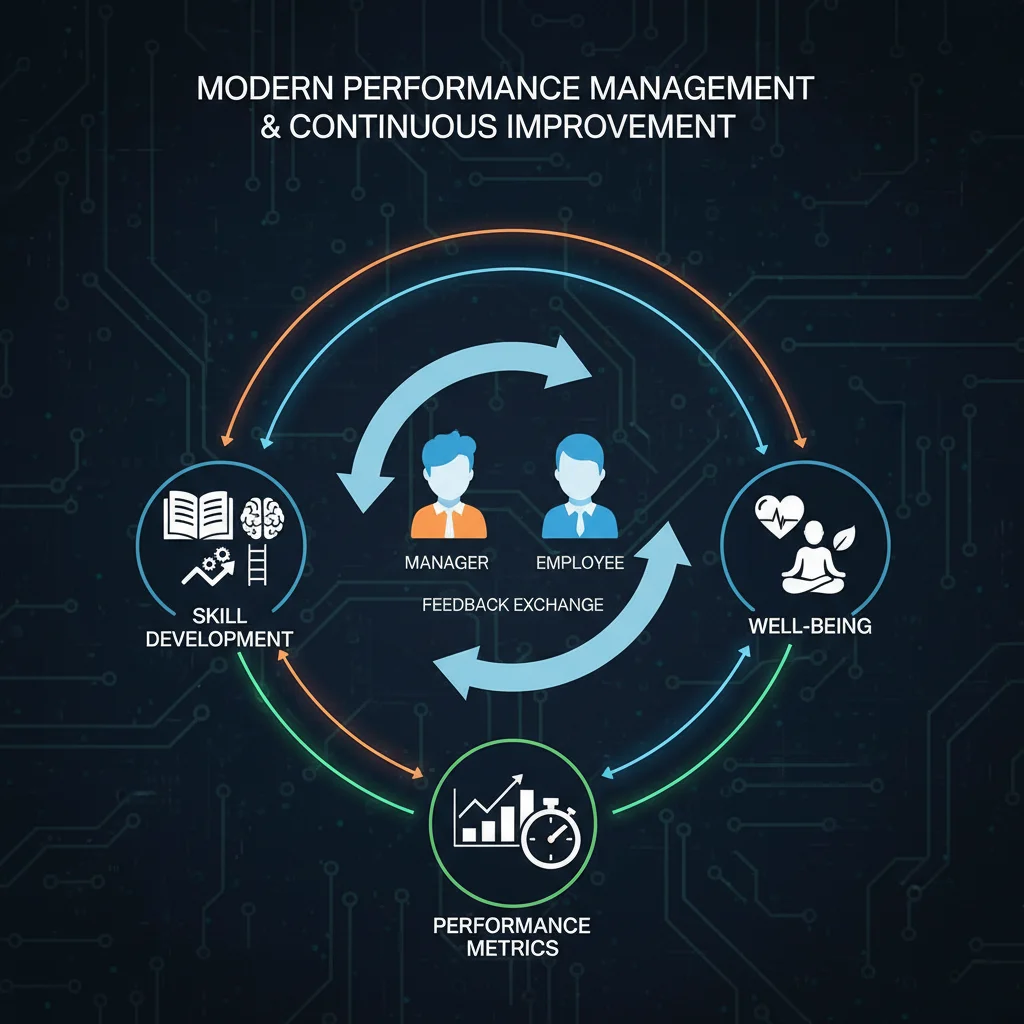
Traditional annual reviews are often backward-looking and punitive. Evolving management styles demand a shift to continuous performance development. This involves regular, informal check-ins, real-time feedback, and forward-looking goal setting. The focus should be on growth, learning, and alignment with organizational objectives, rather than just evaluation.
3. Foster a Culture of Trust and Transparency
Trust is the bedrock of any successful coaching relationship. Leaders must be transparent in their communication, share information openly (where appropriate), and demonstrate integrity. This builds credibility and encourages team members to reciprocate with honesty and commitment.
4. Embrace Technology as an Enabler, Not a Controller
Leverage collaboration tools, project management software, and communication platforms to facilitate seamless teamwork and information sharing. However, ensure that technology is used to empower and connect, rather than to micromanage or monitor incessantly. Focus on using data to understand trends and support development, not just to track activity.
5. Promote Diversity, Equity, and Inclusion (DEI)
A diverse workforce brings a wealth of perspectives and experiences, which are invaluable for innovation and problem-solving. Coaching leaders must be champions of DEI, ensuring that all team members feel valued, respected, and have equal opportunities for growth and advancement. An inclusive environment is inherently more psychologically safe.
6. Encourage Experimentation and Learning from Failure
In a rapidly changing world, not every initiative will succeed. Coaching leaders create a safe space for experimentation, where ‘failures’ are viewed as learning opportunities rather than punitive events. This encourages innovation and resilience, critical attributes for the 2026 workforce.
7. Lead by Example
The most effective way to foster a coaching culture is for senior leaders to embody these evolving management styles themselves. When employees see their own leaders demonstrating active listening, asking powerful questions, and investing in their development, it sends a powerful message and encourages similar behaviors throughout the organization.
Challenges and How to Overcome Them
While the benefits of evolving management styles are clear, the transition is not without its hurdles. Organizations may encounter resistance from long-tenured managers accustomed to traditional methods, or from employees who are comfortable with being told what to do.
Resistance from Managers
Some managers may perceive coaching as a loss of authority or an additional burden. To overcome this, emphasize that coaching is about enhancing influence and achieving better results through empowerment. Provide robust training, ongoing support, and opportunities for peer learning. Highlight success stories and demonstrate the tangible benefits of the coaching approach.
Employee Readiness
Not all employees may immediately embrace the autonomy and accountability that comes with a coaching approach. Some may prefer clear directives. Managers need to adapt their approach to individual needs, gradually empowering employees and providing more support initially for those less accustomed to self-direction. Clear communication about the ‘why’ behind the shift is also crucial.
Time Investment
Coaching requires time and consistent effort. Managers often feel overwhelmed with their existing responsibilities. Organizations must recognize this and potentially adjust workloads, provide dedicated time for coaching activities, and integrate coaching into the daily flow of work rather than treating it as an add-on.
Measuring Success
Quantifying the ROI of coaching can be challenging. Focus on metrics such as employee engagement, retention rates, productivity improvements, innovation rates, and internal mobility. Qualitative feedback through surveys and one-on-one discussions can also provide valuable insights into the effectiveness of the new management styles.
The Future of Work: A Human-Centric Approach
By 2026, organizations that have successfully transitioned to coaching-centric management styles will be characterized by several key attributes:
- Highly Engaged Workforce: Employees will feel valued, heard, and invested in their work, leading to higher motivation and commitment.
- Increased Innovation: A culture of psychological safety and continuous learning will foster creativity and a willingness to experiment, driving groundbreaking solutions.
- Stronger Talent Retention: Employees are more likely to stay with organizations that invest in their growth and provide supportive leadership.
- Enhanced Adaptability: Teams empowered to solve problems and learn continuously will be better equipped to navigate rapid market changes and unforeseen challenges.
- Improved Organizational Performance: All these factors collectively contribute to greater efficiency, productivity, and ultimately, stronger business results.
The move from command to coach is not merely a trend; it’s a fundamental recalibration of the leader-employee relationship, essential for navigating the complexities of the modern world. It’s about recognizing that the greatest asset an organization possesses is its people and that empowering them is the most sustainable path to success.
Conclusion
As we look towards 2026, the imperative for US organizations to embrace evolving management styles, particularly the shift from command-and-control to a coaching approach, has never been clearer. The dynamic nature of the workforce, technological advancements, and a heightened focus on human well-being demand a leadership paradigm that prioritizes empowerment, growth, and psychological safety. Leaders who master the art of coaching will not only foster more engaged, innovative, and adaptable teams but will also position their organizations for sustained success in an increasingly competitive global landscape.
The journey to becoming a coaching leader is continuous, requiring self-reflection, deliberate practice, and a genuine commitment to the development of others. However, the rewards – a thriving workforce, a resilient organization, and a positive impact on individual lives – are immeasurable. The future of work is collaborative, human-centric, and driven by empowered individuals. It’s time for every manager to embrace their role as a coach and guide their teams towards unprecedented achievements.