Future of Content Marketing: 4 Key Trends for 2026 Organic Traffic Growth
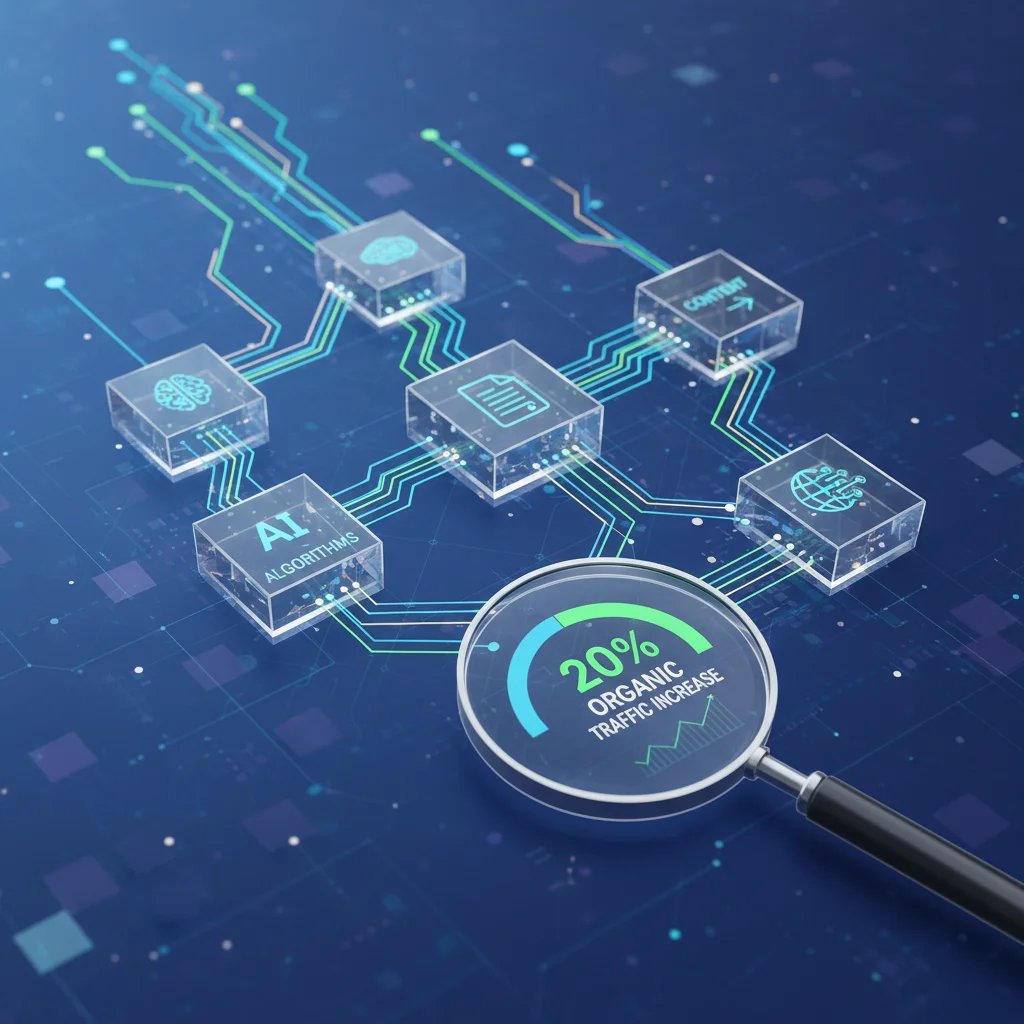
The digital landscape is in a constant state of flux, and future content marketing strategies must evolve to keep pace. As we hurtle towards 2026, businesses in the US are keenly focused on not just maintaining, but significantly increasing their organic traffic. Industry experts predict that embracing specific, forward-thinking content marketing trends could lead to a remarkable 20% surge in organic traffic for companies that adapt swiftly. This isn’t merely about publishing more content; it’s about publishing smarter, more strategically, and with a deeper understanding of emerging technologies and shifting consumer behaviors. The stakes are high, and the rewards for innovation are substantial. Understanding these pivotal trends is no longer optional; it’s a prerequisite for sustained digital success.
The essence of effective content marketing has always been about connecting with an audience, providing value, and building trust. However, the methods and tools available to achieve these goals are undergoing a radical transformation. From the pervasive influence of artificial intelligence to the growing demand for deeply personalized experiences, the next few years will redefine what it means to be a content leader. This article will delve into four critical trends that are poised to reshape the future content marketing landscape, offering actionable insights for businesses looking to gain a significant competitive edge.
The AI Revolution: Content Creation, Optimization, and Distribution Reimagined
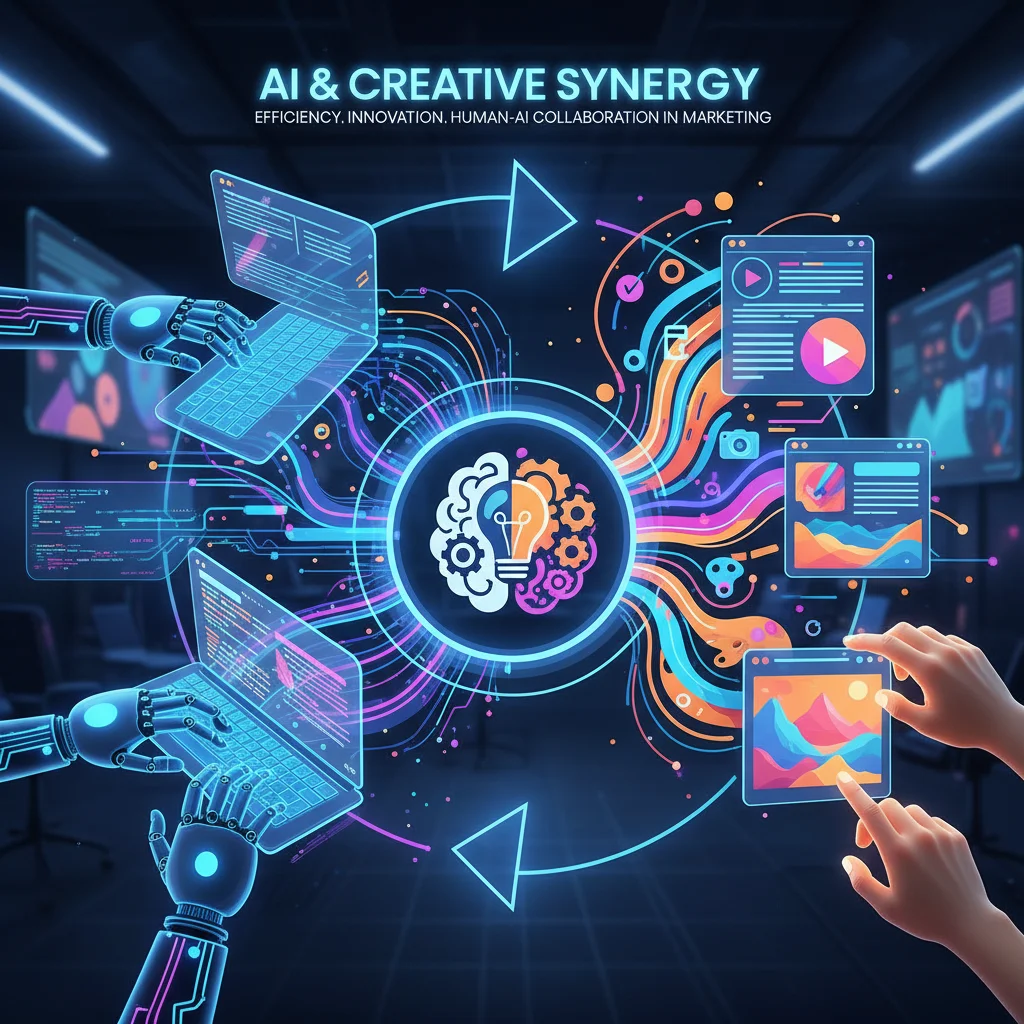
Artificial Intelligence (AI) is no longer a futuristic concept; it’s a present-day powerhouse revolutionizing every facet of content marketing. For the future content marketing landscape, AI will transition from a helpful tool to an indispensable partner, driving efficiencies and unlocking unprecedented levels of personalization and performance. Its impact spans the entire content lifecycle, from ideation to distribution, promising a significant boost in organic traffic for those who master its application.
AI-Powered Content Generation and Curation
The ability of AI to generate high-quality content is rapidly advancing. While human creativity remains paramount, AI can now assist in drafting articles, generating social media captions, writing product descriptions, and even composing email newsletters. Tools powered by large language models (LLMs) can produce coherent, contextually relevant text at scale, freeing up human marketers to focus on strategy, refinement, and adding that unique human touch. Beyond generation, AI excels at content curation. It can analyze vast amounts of data to identify trending topics, popular formats, and gaps in existing content, helping marketers create content that resonates with their target audience and fills specific search voids. This data-driven approach ensures that every piece of content is optimized for search engines and audience engagement, directly contributing to increased organic visibility.
Automated SEO and Performance Optimization
One of AI’s most profound contributions to future content marketing is its capacity for automated SEO and performance optimization. AI algorithms can analyze search engine results pages (SERPs), identify keyword opportunities, and suggest content structures that are more likely to rank. They can perform real-time content audits, flagging issues such as keyword stuffing, duplicate content, or poor readability. Furthermore, AI can predict content performance based on historical data, helping marketers make informed decisions about what to create and how to promote it. This predictive analytics capability allows for proactive adjustments to content strategies, ensuring that efforts are always aligned with the goal of maximizing organic traffic. Imagine an AI suggesting the optimal time to publish a blog post, or automatically A/B testing headlines to find the most engaging option – these are already becoming realities.
Personalized Content Distribution
AI also plays a critical role in intelligent content distribution. By analyzing user behavior, preferences, and demographic data, AI can ensure that the right content reaches the right person at the right time through the most effective channel. This goes beyond simple segmentation; it involves dynamic content delivery tailored to individual user journeys. For example, an AI-powered system might recommend specific articles to a website visitor based on their browsing history, or personalize email content based on their previous interactions. This level of personalized distribution significantly improves engagement rates, reduces bounce rates, and signals to search engines that your content is highly relevant and valuable, thereby boosting organic rankings.
Ethical Considerations and Quality Control
While the benefits of AI in content marketing are undeniable, ethical considerations and quality control remain crucial. Marketers must ensure that AI-generated content is accurate, unbiased, and aligned with brand voice. Human oversight is essential to review, edit, and enhance AI outputs, ensuring authenticity and originality. The goal is not to replace human creativity but to augment it, allowing marketers to scale their efforts and focus on higher-level strategic thinking. As AI technology evolves, the integration will become more seamless, but the fundamental need for human discernment will persist, guarding against generic or misleading content that could harm brand reputation and, consequently, organic performance.
Hyper-Personalization: Crafting Experiences, Not Just Content
In an increasingly crowded digital space, generic content struggles to capture attention. The future content marketing paradigm demands hyper-personalization – moving beyond basic segmentation to deliver experiences that feel uniquely crafted for each individual. This trend is about understanding the nuanced needs, preferences, and behaviors of your audience at an granular level, and then responding with content that truly resonates. The result? Deeper engagement, stronger brand loyalty, and a significant uplift in organic traffic as users actively seek out and share highly relevant information.
Understanding the Individual User Journey
Hyper-personalization begins with a profound understanding of the individual user journey. This involves collecting and analyzing data from various touchpoints – website interactions, purchase history, email engagement, social media activity, and even offline interactions. Advanced analytics tools, often augmented by AI, can stitch together these data points to create comprehensive user profiles. Marketers can then map out distinct user journeys, identifying pain points, interests, and decision-making processes at each stage. This granular insight allows for the creation of content that directly addresses specific user needs, rather than broad demographic assumptions.
Dynamic Content Delivery and Customization
The cornerstone of hyper-personalization in future content marketing is dynamic content delivery. This means that different users will see different versions of your content based on their profile and real-time behavior. Examples include:
- Personalized Website Experiences: Displaying tailored product recommendations, blog posts, or calls to action (CTAs) based on a visitor’s past browsing history or stated preferences.
- Customized Email Campaigns: Sending emails with subject lines, content, and offers specifically designed for the recipient’s interests and stage in the sales funnel.
- Adaptive Landing Pages: Creating landing pages that automatically adjust their messaging and visuals to match the referring source or user segment.
- Individualized App Content: Delivering in-app notifications, articles, or features that align with a user’s usage patterns and preferences.
This level of customization makes content far more relevant and valuable, leading to higher engagement rates and a stronger likelihood of conversion. Search engines, in turn, reward content that provides excellent user experience, contributing positively to organic rankings.
The Role of First-Party Data
As third-party cookies phase out, first-party data becomes invaluable for hyper-personalization. Businesses must prioritize building direct relationships with their audience to collect consent-based data. This includes email sign-ups, customer accounts, loyalty programs, and direct feedback. Leveraging this proprietary data ensures accuracy and compliance, forming the bedrock for genuinely personalized experiences. Companies that successfully gather and utilize first-party data will have a distinct advantage in delivering highly targeted and effective content, thereby influencing their organic reach and impact.
Challenges and Ethical Considerations
While highly effective, hyper-personalization comes with challenges. Data privacy and ethical data usage are paramount. Marketers must be transparent about data collection practices and provide users with control over their information. The line between helpful personalization and intrusive surveillance is fine; overstepping it can erode trust and lead to negative brand perception. The key is to use personalization to enhance the user experience, making content more useful and relevant, rather than simply bombarding users with targeted ads. When executed thoughtfully, hyper-personalization is a powerful driver for the future content marketing success, fostering loyalty and significantly boosting organic traffic.
Interactive Content: Engaging Beyond the Static Page
In an era of dwindling attention spans, static content, while still valuable, often struggles to cut through the noise. The future content marketing landscape will heavily favor interactive content – experiences that invite participation, stimulate curiosity, and provide immediate value. This shift from passive consumption to active engagement is not just a trend; it’s a fundamental change in how audiences prefer to consume information. Interactive elements captivate users, increase time on page, improve recall, and significantly enhance organic traffic by signaling high-quality engagement to search engines.
Types of Interactive Content
Interactive content comes in a myriad of forms, each designed to serve different marketing objectives:
- Quizzes and Assessments: Engaging users with questions related to their interests or knowledge, often providing personalized results or recommendations.
- Calculators and Tools: Offering practical utility, such as ROI calculators, budget planners, or configurators for complex products.
- Interactive Infographics and Data Visualizations: Allowing users to explore data dynamically, filter information, or zoom in on specific details, making complex information more digestible and engaging.
- Polls and Surveys: Gathering immediate feedback and opinions, making users feel heard and involved.
- Interactive Ebooks and Whitepapers: Incorporating clickable elements, embedded videos, and customizable pathways to enhance the learning experience.
- Augmented Reality (AR) and Virtual Reality (VR) Experiences: Providing immersive content that allows users to virtually try on products, explore spaces, or engage with narratives in a highly experiential way.
- Gamification: Integrating game-like elements such as points, badges, and leaderboards to motivate engagement and learning.
Each of these formats transforms a one-way communication into a two-way dialogue, making the content more memorable and shareable.
Benefits for User Experience and SEO
The benefits of interactive content for both user experience (UX) and SEO are profound. From a UX perspective, interactive elements make content more enjoyable, informative, and relevant. Users spend more time engaging with the content, reducing bounce rates and increasing dwell time – key metrics that search engines interpret as signals of high-quality content. The act of interacting also creates a stronger emotional connection with the brand, fostering loyalty and encouraging repeat visits.
From an SEO standpoint, interactive content naturally attracts backlinks and social shares because of its inherent shareability and novelty. When users find content valuable and engaging, they are more likely to link to it or share it across their networks, boosting its authority and visibility. Furthermore, interactive content can often capture valuable zero-party data (data voluntarily shared by users), which can then be used for even more precise personalization in future content marketing efforts. This creates a virtuous cycle of engagement, data collection, and improved content delivery, all contributing to a stronger organic presence.
Implementation Strategies
Implementing interactive content requires a strategic approach. It’s not about adding interactivity for interactivity’s sake, but rather integrating it purposefully to solve a problem or enhance a user’s journey. Start by identifying key pain points or information gaps in your existing content. Could a calculator help users understand pricing? Could a quiz guide them to the right product? Tools for creating interactive content are becoming more accessible, from no-code platforms to advanced development kits. Testing and iteration are also crucial to optimize the interactive experience and ensure it aligns with your overall future content marketing goals. Companies that consistently deliver high-quality, interactive experiences will set themselves apart, driving a significant increase in organic traffic and cementing their position as industry leaders.
Ethical Content and Trust-Building: The Foundation of Sustainable Growth
In an age riddled with misinformation and data privacy concerns, the future content marketing landscape will place an unprecedented emphasis on ethics, transparency, and trust-building. Audiences are increasingly discerning, seeking out brands that demonstrate integrity, authenticity, and a genuine commitment to providing accurate, valuable information. Building trust is no longer a soft skill; it’s a critical SEO factor and the bedrock of sustainable organic growth. Without trust, even the most technically optimized content will struggle to resonate and convert.
Transparency and Authenticity
Transparency is about being open and honest with your audience. This includes clearly stating sources, acknowledging sponsored content, and being upfront about any potential biases. Authenticity means presenting your brand’s true voice and values consistently across all content channels. Consumers are adept at spotting inauthenticity, and a lack of genuine connection can quickly erode trust. For future content marketing, this means creating content that reflects your brand’s mission, not just its sales objectives. Brands that genuinely connect with their audience on a human level will foster deeper relationships, leading to increased engagement, longer dwell times, and a higher propensity for organic sharing – all positive signals for search engines.
Data Privacy and User Consent
With evolving regulations like GDPR and CCPA, and a growing public awareness of data privacy, content marketers must prioritize user consent and responsible data handling. This means clearly communicating how user data is collected, stored, and used, and providing easy ways for users to manage their preferences. Content that demonstrates respect for user privacy builds confidence and strengthens the brand-customer relationship. Conversely, any perceived misuse of data can lead to severe reputational damage and a loss of organic traffic as users disengage. Websites that are perceived as trustworthy and secure are also favored by search algorithms, indirectly boosting organic search performance.
Combating Misinformation and Ensuring Accuracy
The proliferation of fake news and misleading content has made audiences wary. For the future content marketing professional, a commitment to accuracy and factual integrity is paramount. This involves rigorous fact-checking, citing credible sources, and being prepared to correct errors promptly. Brands that become reliable sources of accurate information will earn the trust of their audience and be rewarded with higher authority and visibility in search results. Search engines are increasingly prioritizing authoritative and trustworthy content, making ethical content a direct driver of organic success.
Building Community and Fostering Dialogue
Trust is also built through community engagement. Content marketing in the future will involve fostering genuine dialogue, responding to comments, and creating spaces where users can connect with each other and with the brand. This could be through active moderation of comment sections, hosting online forums, or facilitating Q&A sessions. By creating a supportive and informative community around your content, you establish your brand as a trusted resource and a valued member of the conversation. This organic engagement strengthens brand loyalty and naturally expands reach, contributing to sustainable organic traffic growth.
Measuring Success: Beyond Vanity Metrics in the Future Content Marketing Landscape
While the allure of high page views and social media likes remains, the future content marketing approach demands a more sophisticated understanding of success. To truly measure the impact of the trends discussed – AI integration, hyper-personalization, interactive content, and ethical trust-building – marketers must move beyond vanity metrics and focus on indicators that directly correlate with business objectives and organic traffic growth. This shift involves a deeper dive into user behavior, conversion pathways, and the long-term value generated by content efforts.
Focusing on Engagement and Intent Signals
Instead of merely tracking page views, the emphasis will shift to engagement metrics that reveal deeper user intent. These include:
- Dwell Time: How long users spend actively consuming content on a page. Longer dwell times signal higher relevance and quality to search engines.
- Scroll Depth: The percentage of a page users scroll through. This indicates how much of your content they are actually seeing and engaging with.
- Click-Through Rate (CTR) on Internal Links: Shows how effective your content is at guiding users to further relevant information on your site, improving site architecture and user flow.
- Conversion Rates: The percentage of users who complete a desired action, such as signing up for a newsletter, downloading an asset, or making a purchase, after interacting with your content.
- Repeat Visits and Brand Mentions: These indicate that users find your content valuable enough to return or recommend, building brand authority and organic reach.
These metrics provide a clearer picture of content effectiveness and its contribution to the overall organic traffic strategy. Tools equipped with AI and advanced analytics will be crucial for gathering and interpreting these nuanced signals, offering actionable insights for continuous optimization in future content marketing.
Attribution Modeling and ROI
Understanding the true return on investment (ROI) for content marketing efforts will become increasingly complex and critical. Multi-touch attribution models will gain prominence, allowing marketers to understand how different pieces of content contribute along the entire customer journey, not just at the final conversion point. This means recognizing the value of top-of-funnel educational content that builds awareness, mid-funnel interactive tools that nurture leads, and bottom-of-funnel comparison guides that drive conversions. Accurately attributing success helps justify content investments and optimize resource allocation for the most impactful strategies, directly contributing to sustainable organic growth.
Lifetime Value (LTV) of Content
The future content marketing paradigm will also emphasize the long-term value of content. Instead of focusing solely on immediate gains, businesses will assess how content contributes to customer lifetime value (LTV). Content that educates, supports, and delights customers post-purchase can reduce churn, increase repeat business, and turn customers into brand advocates. This long-tail impact on customer loyalty and advocacy directly translates into improved organic search performance through positive reviews, word-of-mouth referrals, and a stronger brand presence, reinforcing the ethical and trust-building aspects discussed earlier.
Leveraging AI for Advanced Analytics
AI will be instrumental in processing the vast amounts of data generated by these advanced metrics. AI-powered analytics platforms can identify hidden patterns, predict future performance, and recommend optimal content strategies with a level of precision impossible for human analysis alone. From identifying which content formats resonate best with specific audience segments to pinpointing the exact elements within a piece of content that drive conversions, AI will empower marketers to make data-driven decisions that consistently improve organic traffic and overall business outcomes. Investing in these advanced analytical capabilities is not just an option; it’s a strategic imperative for any business aiming to thrive in the competitive future content marketing landscape.
Conclusion: Navigating the Future Content Marketing Landscape
The journey towards 2026 presents both challenges and unparalleled opportunities for content marketers. The trends we’ve explored – the pervasive influence of AI, the imperative of hyper-personalization, the power of interactive content, and the foundational importance of ethical content and trust-building – are not isolated phenomena. They are interconnected forces shaping a dynamic and demanding digital ecosystem. Businesses that proactively embrace these shifts, integrating them into a cohesive future content marketing strategy, will be best positioned to achieve and even surpass the projected 20% increase in organic traffic.
Success in this evolving landscape requires more than just keeping up; it demands foresight, adaptability, and a willingness to innovate. It means leveraging AI to enhance, not replace, human creativity. It involves moving beyond generic messaging to craft deeply personalized experiences that resonate with individual users. It necessitates transforming passive consumption into active engagement through compelling interactive formats. And, perhaps most critically, it means building content strategies upon a foundation of unwavering ethics, transparency, and a genuine commitment to audience trust.
The companies that will lead the charge in the future content marketing arena are those that view content not merely as a marketing tactic, but as a strategic asset for building relationships, delivering value, and fostering sustainable growth. By focusing on these four key trends, US businesses can not only navigate the complexities of the digital future but also carve out a dominant presence, driving significant organic traffic and securing their place as industry frontrunners. The time to prepare for this transformation is now, ensuring that your content strategy is not just current, but truly future-proof.