Future US Leadership: 5 Essential Skills for 2026 Workplace

The landscape of work in the United States is undergoing an unprecedented transformation. As we look towards 2026, the forces of technological advancement, geopolitical shifts, evolving employee expectations, and the continued reverberations of global events are reshaping what it means to be an effective leader. For US managers, this isn’t just about adapting; it’s about proactively developing a new suite of skills that will define future US leadership. The traditional hierarchical structures and command-and-control methodologies are giving way to more fluid, empathetic, and technologically integrated approaches. Success in this new era won’t be measured solely by quarterly profits, but by a leader’s ability to foster innovation, cultivate psychological safety, navigate ambiguity, and drive sustainable growth in an increasingly complex world.
This article delves into the five essential skills that will be critical for US managers to master by 2026. These aren’t merely buzzwords; they are foundational competencies that will empower leaders to not only survive but thrive in the transformed workplace. From fostering a culture of continuous learning to harnessing the power of artificial intelligence, the demands on leadership are intensifying. Understanding and internalizing these skills is not just beneficial; it is imperative for any manager aspiring to lead effectively in the coming years. Let’s explore the pillars of future US leadership.
1. Adaptive Agility and Resilience: Navigating Constant Change
The pace of change is no longer linear; it’s exponential. For US managers, this means that the ability to adapt quickly and effectively to new circumstances is paramount. Adaptive agility isn’t just about responding to change; it’s about anticipating it, embracing it, and even proactively driving it. In 2026, market shifts, technological disruptions, and unforeseen global events will be the norm, not the exception. Leaders must cultivate a mindset that views change not as a threat, but as an opportunity for growth and innovation. This involves a willingness to experiment, learn from failures, and pivot strategies rapidly when necessary.
Resilience, hand-in-hand with agility, is equally crucial. The emotional and mental toll of constant change can be significant, both for leaders and their teams. Future US leadership demands managers who can maintain their composure under pressure, inspire confidence in their teams during uncertain times, and help others navigate stress and ambiguity. This means prioritizing well-being, fostering a supportive work environment, and leading by example in demonstrating self-care and mental fortitude. A resilient leader understands that setbacks are part of the journey and possesses the capacity to bounce back stronger, guiding their team through challenges with unwavering determination.
Practical steps for developing adaptive agility include regularly engaging in scenario planning, encouraging a culture of continuous feedback, and empowering team members to make decisions and take calculated risks. For resilience, managers should invest in stress management techniques, promote open communication about challenges, and ensure their teams have the resources and support systems needed to cope with demanding situations. The ability to remain flexible, learn quickly, and recover effectively from adversity will be a hallmark of successful future US leadership.
2. Empathetic and Inclusive Leadership: Building Stronger Teams
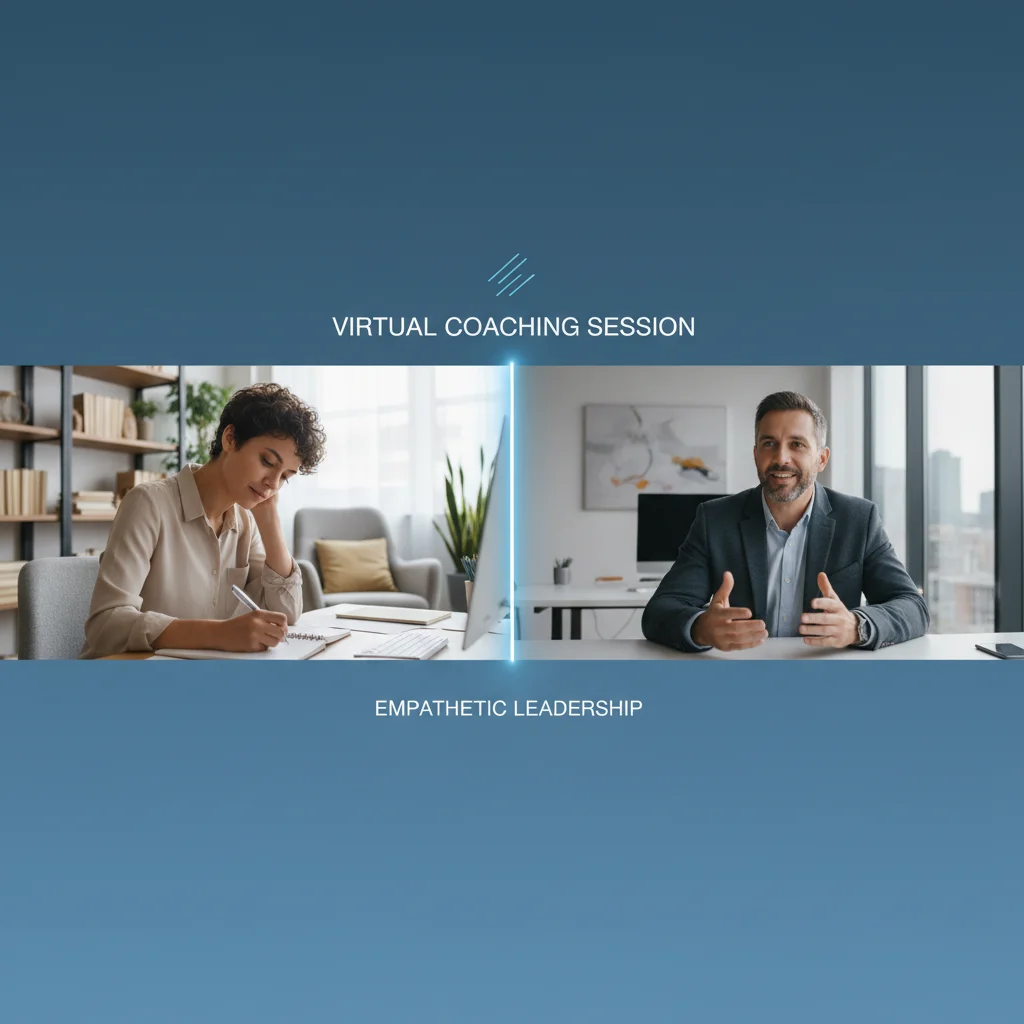
In a world grappling with diverse perspectives and a heightened awareness of social justice, empathetic and inclusive leadership has moved from a desirable trait to an absolute necessity. By 2026, US managers must excel at understanding and sharing the feelings of their team members, recognizing that every individual brings unique experiences, backgrounds, and needs to the workplace. Empathy fosters trust, improves communication, and significantly boosts team morale and psychological safety. It’s about listening actively, validating emotions, and making decisions that consider the human impact.
Inclusion goes beyond mere diversity; it’s about creating an environment where everyone feels valued, respected, and empowered to contribute their authentic selves. Inclusive leaders actively seek out diverse perspectives, challenge unconscious biases, and ensure equitable opportunities for growth and development. This means fostering a culture where psychological safety is paramount, allowing team members to voice concerns, share ideas, and admit mistakes without fear of retribution. The benefits of such an environment are profound: increased innovation, higher engagement, reduced turnover, and a stronger sense of belonging. Future US leadership will be defined by its ability to harness the collective power of a truly diverse and inclusive workforce.
To cultivate empathetic and inclusive leadership, managers should engage in active listening training, seek out opportunities to learn about different cultural backgrounds, and regularly solicit feedback on their own leadership style regarding inclusion. Implementing mentorship programs, promoting diverse hiring practices, and establishing clear anti-discrimination policies are also vital. The manager of 2026 will be a champion of equity, ensuring that all voices are heard and all contributions are recognized, thereby building more robust and innovative teams.
3. Digital Fluency and Data-Driven Decision Making: Leveraging Technology Effectively
The digital revolution continues unabated, and by 2026, digital fluency will no longer be a specialized skill but a fundamental requirement for all US managers. This doesn’t mean managers need to be coding experts, but they must possess a strong understanding of how emerging technologies – such as artificial intelligence, machine learning, automation, and advanced analytics – can be leveraged to drive efficiency, foster innovation, and gain competitive advantage. Digital fluency involves being comfortable with new tools, understanding their potential, and guiding teams in their adoption and ethical application.
Complementing digital fluency is the critical skill of data-driven decision making. In an era of abundant information, leaders must be able to cut through the noise, interpret complex data sets, and use insights to inform strategic choices. This requires a foundational understanding of data analysis, the ability to ask the right questions, and a healthy skepticism towards assumptions. Managers must move beyond gut feelings and anecdotal evidence, instead relying on robust data to justify decisions, measure impact, and predict future trends. This analytical rigor will be a cornerstone of effective future US leadership.
To enhance digital fluency, managers should actively seek out training on new software and platforms, follow industry trends in technology, and encourage their teams to experiment with digital tools. For data-driven decision making, consider courses in business analytics, learn to interpret key performance indicators (KPIs), and foster a culture where data is regularly discussed and used to inform strategy. The ability to effectively navigate and utilize the digital landscape will be a significant differentiator for US managers in 2026.
4. Strategic Foresight and Long-Term Vision: Guiding Towards the Horizon
In a world characterized by short-term pressures and immediate gratification, the ability to cultivate strategic foresight and articulate a compelling long-term vision is an increasingly rare and valuable leadership skill. For US managers in 2026, this means looking beyond quarterly targets to anticipate future challenges and opportunities, identifying emerging trends, and developing robust strategies that prepare the organization for what lies ahead. Strategic foresight involves critical thinking, pattern recognition, and the capacity to connect seemingly disparate pieces of information to form a coherent future outlook.
A clear long-term vision acts as a compass, providing direction and purpose for the entire organization, especially during times of disruption. Effective leaders don’t just react to the present; they proactively shape the future by painting a vivid picture of where the organization is headed and inspiring their teams to work towards that shared goal. This vision must be adaptable, allowing for flexibility as new information emerges, but its core tenets should remain steadfast. Without strategic foresight and a compelling vision, organizations risk being left behind, merely responding to events rather than leading the charge.
Developing strategic foresight involves dedicating time to environmental scanning, reading widely across various disciplines, attending industry conferences, and engaging in collaborative brainstorming sessions focused on future possibilities. Managers should also practice scenario planning, considering multiple potential futures and developing contingency plans. Crafting a long-term vision requires strong communication skills, the ability to inspire, and a deep understanding of the organization’s mission and values. This forward-thinking approach will be a hallmark of exemplary future US leadership.
5. Cultivating a Learning Culture: Empowering Continuous Growth
Perhaps one of the most critical skills for US managers in 2026 is the ability to cultivate and champion a continuous learning culture within their teams and organizations. The shelf-life of skills is shrinking rapidly, and what is relevant today may be obsolete tomorrow. Leaders must therefore foster an environment where learning is not just encouraged but is an integral part of daily work. This means promoting curiosity, providing access to learning resources, and dedicating time and space for skill development.
A learning culture thrives on psychological safety, where individuals feel comfortable asking questions, admitting what they don’t know, and taking risks in pursuit of new knowledge. Managers must lead by example, demonstrating their own commitment to continuous learning, sharing their insights, and even openly acknowledging their own areas for development. This approach transforms mistakes into learning opportunities and fosters a growth mindset throughout the team. In such an environment, innovation flourishes, and employees feel more engaged and invested in their professional journey.

To build a robust learning culture, managers should implement regular training programs, encourage peer-to-peer learning, establish mentorship initiatives, and provide opportunities for cross-functional projects. They should also actively seek feedback on how to improve learning opportunities and ensure that learning is integrated into performance reviews and career development plans. The ability to empower continuous growth and development will be a defining characteristic of future US leadership, ensuring that teams remain agile, skilled, and ready for whatever the future holds.
The Interconnectedness of Future US Leadership Skills
It’s important to recognize that these five essential skills are not isolated competencies but are deeply interconnected and mutually reinforcing. Adaptive agility benefits from data-driven decision making, as leaders use insights to pivot quickly. Empathetic leadership creates the psychological safety necessary for a thriving learning culture. Strategic foresight informs the direction for digital transformation initiatives. A leader’s resilience allows them to maintain an empathetic stance even during challenging times, while their digital fluency empowers them to explore new learning platforms for their teams.
Consider a scenario where a US manager faces an unexpected economic downturn. Their adaptive agility would allow them to quickly reassess market conditions and adjust business strategies. This adaptation would be informed by data-driven decision making, using analytics to identify new opportunities or potential risks. Throughout this process, their empathetic leadership would ensure transparent communication with their team, addressing anxieties and building trust. Their strategic foresight would have already prepared them with contingency plans, allowing for a smoother transition. Finally, by cultivating a learning culture, they could quickly upskill their team to meet the demands of the new environment, turning a crisis into an opportunity for growth and innovation.
This holistic approach to leadership development is what will truly set successful US managers apart in 2026. It’s not enough to excel in one area; the modern leader must be proficient across these interconnected domains, weaving them together to create a cohesive and effective leadership style that inspires confidence and drives results.
Challenges and Opportunities for US Managers
While these skills are essential, their development comes with inherent challenges. The pace of technological change can be overwhelming, and the demands of daily management often leave little room for dedicated skill-building. Furthermore, ingrained organizational cultures and resistance to change can hinder the adoption of new leadership styles. However, these challenges also present immense opportunities. Organizations that invest in developing these skills in their US managers will gain a significant competitive advantage, fostering more engaged workforces, driving innovation, and achieving greater resilience in the face of disruption.
For individual managers, the opportunity lies in personal and professional growth. By embracing these essential skills, they position themselves as indispensable assets, ready to lead their teams and organizations through any future landscape. It’s an investment in their own career longevity and impact. The journey towards mastering future US leadership is continuous, requiring dedication, self-reflection, and a proactive approach to learning and development.
Conclusion: Shaping the Future of US Leadership
The year 2026 will arrive quickly, and with it, a workplace that demands a new caliber of leadership. For US managers, the call to action is clear: embrace adaptive agility and resilience, lead with empathy and inclusivity, become digitally fluent and data-driven, cultivate strategic foresight, and champion a continuous learning culture. These five essential skills are not merely a checklist but a foundational framework for sustained success in an ever-evolving professional world.
Organizations must prioritize leadership development programs that focus on these competencies, providing the resources, training, and support necessary for their managers to evolve. Individual managers, in turn, must take ownership of their own growth, actively seeking opportunities to hone these skills and apply them in their daily practice. By doing so, they will not only secure their own future relevance but also play a pivotal role in shaping the future success and resilience of their teams and the broader US economy. The future of US leadership is bright for those who are prepared to meet its demands with foresight, empathy, and an unwavering commitment to growth.