Sustainable Marketing Trends 2026: What US Consumers Expect
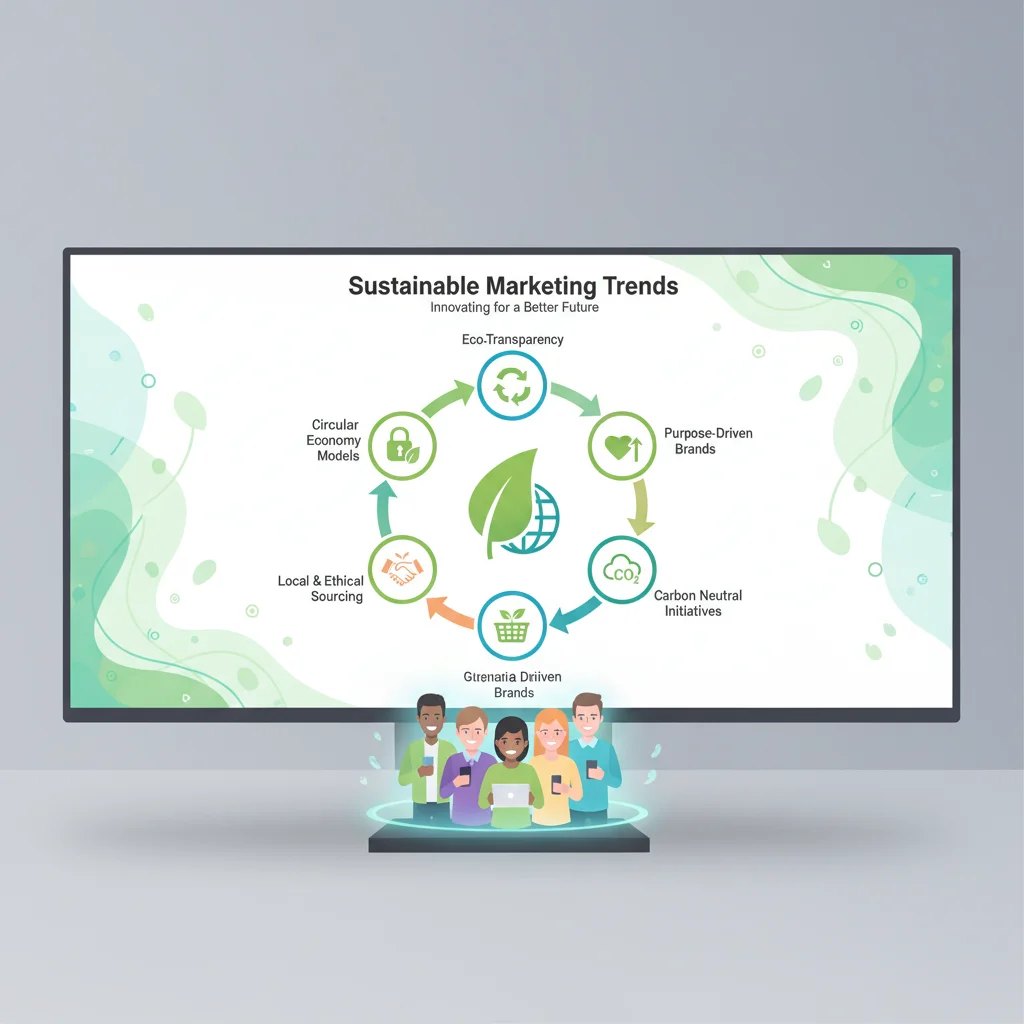
In an era defined by increasing environmental awareness and social consciousness, the landscape of consumer expectations is undergoing a profound transformation. Businesses that fail to adapt to these evolving demands risk not only losing market share but also damaging their brand reputation irrevocably. By 2026, sustainable marketing practices will no longer be a niche concern but a fundamental expectation for US consumers. This comprehensive guide delves into the six most critical sustainable marketing trends US consumers anticipate, offering actionable insights on how your brand can not only meet but exceed these expectations, fostering loyalty and driving growth in an environmentally responsible manner.
The shift towards sustainability is not merely a passing fad; it is a deep-seated cultural and economic movement. Consumers, particularly younger generations, are increasingly scrutinizing the ethical and environmental footprint of the brands they support. They demand transparency, authenticity, and demonstrable commitment to positive change. A recent study by NielsenIQ revealed that 78% of US consumers say a sustainable lifestyle is important to them, and 63% are willing to change their purchasing habits to reduce their environmental impact. This indicates a powerful market force that businesses cannot afford to ignore.
Integrating sustainable marketing into your core strategy is no longer optional; it’s a strategic imperative. It’s about more than just greenwashing; it’s about embedding ethical considerations and environmental stewardship into every facet of your operations, from product development and supply chain management to marketing communications and customer engagement. By proactively embracing these sustainable marketing trends, companies can build stronger brands, attract and retain a loyal customer base, and contribute positively to a more sustainable future.
1. Radical Transparency and Authentic Communication
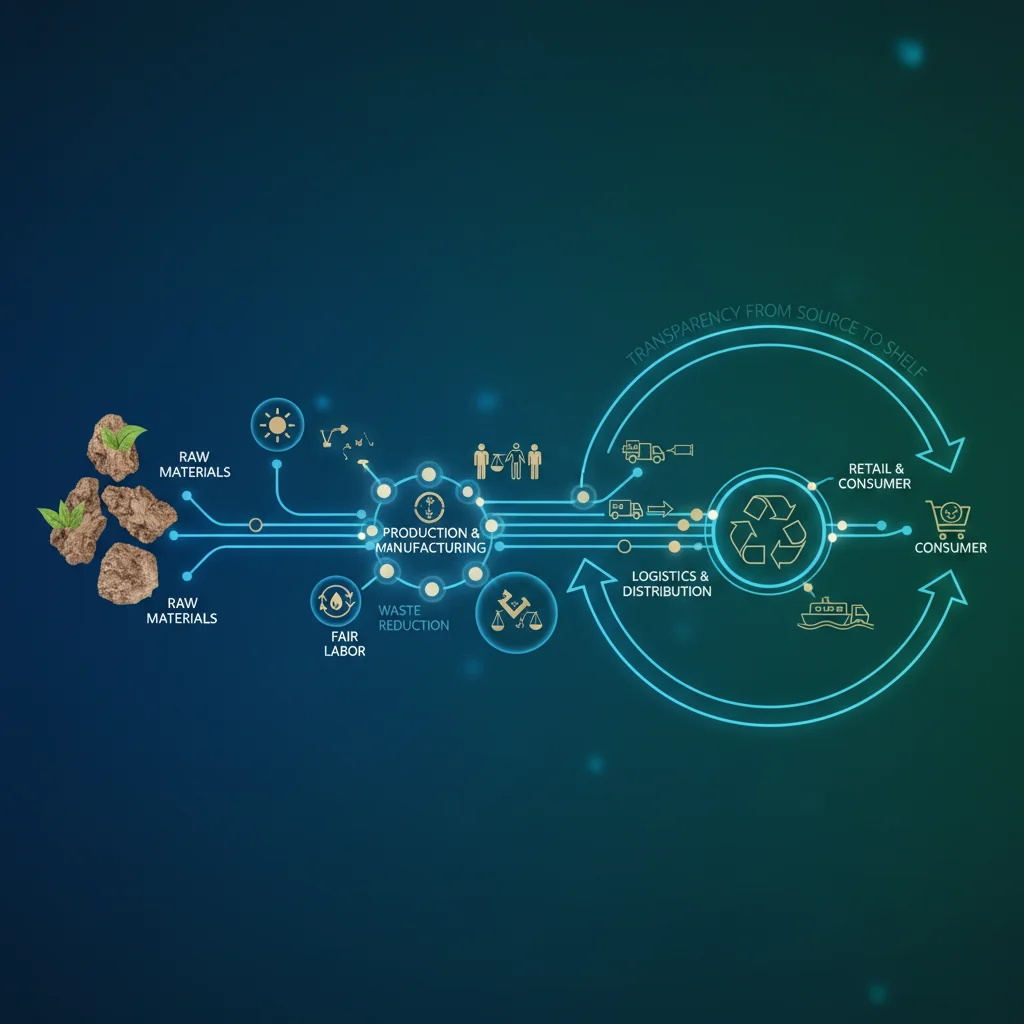
The days of vague eco-friendly claims are over. US consumers by 2026 will demand radical transparency from brands regarding their sustainability efforts. This means going beyond simple labels and providing verifiable, detailed information about every stage of a product’s lifecycle. From sourcing raw materials to manufacturing processes, labor practices, and end-of-life disposal, consumers want to know the full story.
What Consumers Expect:
- Supply Chain Visibility: Detailed information about where materials come from, how they are sourced, and the conditions under which products are made. This includes fair labor practices, environmental impact of suppliers, and ethical sourcing policies.
- Environmental Footprint Data: Quantifiable data on carbon emissions, water usage, waste generation, and energy consumption associated with products and operations. Consumers want to see actual numbers, not just broad statements.
- Certifications and Verifications: Third-party certifications (e.g., B Corp, Fair Trade, LEED) that provide independent validation of sustainability claims.
- Honest Disclosure: Acknowledgment of challenges and ongoing efforts to improve, rather than presenting a perfect, unattainable image. Consumers appreciate honesty and brands that are actively working towards better solutions.
How to Deliver:
- Implement Blockchain Technology: Utilize blockchain to create immutable records of your supply chain, allowing consumers to trace products from origin to shelf.
- Publish Impact Reports: Regularly release comprehensive sustainability reports detailing your environmental and social performance, including both successes and areas for improvement.
- Leverage QR Codes and Digital Platforms: Provide QR codes on packaging that link to detailed product information, sustainability reports, and ethical sourcing stories.
- Engage in Open Dialogue: Foster two-way communication with consumers through social media, forums, and customer service channels, addressing their questions and concerns about your sustainability practices directly and openly.
- Educate Your Audience: Use your marketing channels to educate consumers about the complexities of sustainable practices, helping them understand the challenges and your commitment to overcoming them.
2. Circular Economy Principles and Waste Reduction
The linear “take-make-dispose” model is rapidly becoming obsolete. Consumers are increasingly aware of the environmental burden of waste and are actively seeking brands that embrace circular economy principles. This trend goes beyond simple recycling; it involves designing products for longevity, repairability, reuse, and ultimately, regeneration.
What Consumers Expect:
- Durable and Repairable Products: Products designed to last longer, with readily available spare parts and repair services.
- Take-Back Programs: Brands offering schemes to collect used products for recycling, refurbishment, or safe disposal.
- Refillable and Reusable Packaging: Innovative packaging solutions that minimize single-use plastics and encourage refilling.
- Upcycling Initiatives: Creative ways to transform waste materials into new, valuable products.
- Resource Efficiency: Products made with fewer resources, using recycled content, and minimizing waste throughout the production process.
How to Deliver:
- Design for Circularity: Integrate circular design principles from the very beginning of your product development cycle.
- Launch Product-as-a-Service Models: Explore models where consumers lease or subscribe to products, with the brand responsible for maintenance and end-of-life management.
- Invest in Reverse Logistics: Develop efficient systems for collecting, sorting, and processing returned products for reuse or recycling.
- Partner with Recycling Innovators: Collaborate with companies specializing in advanced recycling technologies to ensure your waste is properly managed.
- Promote Consumer Participation: Clearly communicate the benefits of your circular initiatives and encourage consumers to participate through incentives and educational campaigns.
3. Ethical Sourcing and Fair Labor Practices
Beyond environmental concerns, US consumers are deeply concerned about the social impact of their purchases. Ethical sourcing and fair labor practices are no longer just “nice-to-haves” but essential components of a truly sustainable brand. Exploitation in the supply chain, whether through child labor, unsafe working conditions, or unfair wages, is unacceptable to the modern consumer.
What Consumers Expect:
- Fair Wages and Working Conditions: Assurance that all workers in the supply chain receive fair wages, work in safe environments, and are treated with respect.
- No Child or Forced Labor: Strict policies and auditing to prevent any form of exploitative labor.
- Supplier Audits and Certifications: Regular audits of suppliers to ensure compliance with ethical standards and adherence to recognized certifications (e.g., SA8000).
- Community Impact: Brands that actively contribute to the well-being of the communities where their products are sourced or manufactured.
- Diversity, Equity, and Inclusion (DEI): A commitment to DEI principles within the company and across the supply chain.
How to Deliver:
- Develop a Robust Supplier Code of Conduct: Clearly outline your ethical expectations for all suppliers and enforce it rigorously.
- Conduct Regular Third-Party Audits: Engage independent auditors to assess supplier compliance with labor and ethical standards.
- Invest in Supplier Development Programs: Work with your suppliers to help them improve their labor practices and environmental performance.
- Support Fair Trade Initiatives: Partner with Fair Trade certified organizations to ensure producers receive fair prices and workers are treated equitably.
- Communicate Your Social Impact: Share stories and data about how your brand positively impacts workers and communities through your marketing efforts.

4. Green Innovation and Sustainable Product Development
Consumers are not just looking for existing products with a sustainable twist; they are actively seeking innovative solutions that address environmental challenges head-on. This trend emphasizes the development of entirely new products, materials, and processes that are inherently more sustainable, offering genuine alternatives to traditional, high-impact options.
What Consumers Expect:
- Eco-Friendly Materials: Products made from renewable, recycled, biodegradable, or upcycled materials.
- Energy Efficiency: Products that consume less energy during use, or are powered by renewable sources.
- Non-Toxic Formulations: Products free from harmful chemicals, allergens, and pollutants.
- Longevity and Durability: Products designed to last, reducing the need for frequent replacement.
- Bio-Based Alternatives: Innovation in creating alternatives to petroleum-based plastics and other resource-intensive materials.
How to Deliver:
- Invest in R&D for Sustainable Materials: Dedicate resources to researching and developing new, environmentally friendly materials and production methods.
- Collaborate with Innovators: Partner with startups, research institutions, and material scientists to bring cutting-edge sustainable innovations to market.
- Prioritize Life Cycle Assessment (LCA): Conduct LCAs for all new products to identify and minimize environmental impacts at every stage.
- Showcase Your Innovations: Use your marketing to highlight your green innovations, explaining the benefits and the science behind them.
- Offer Sustainable Product Lines: Develop entire product lines dedicated to sustainable alternatives, giving consumers clear choices.
5. Purpose-Driven Marketing and Brand Activism
By 2026, consumers will expect brands to stand for something more than just profit. Purpose-driven marketing, where a brand aligns itself with social and environmental causes, will be a powerful differentiator. This goes beyond corporate social responsibility (CSR) initiatives; it involves genuine activism and a commitment to using the brand’s platform for positive change.
What Consumers Expect:
- Authentic Brand Values: Brands whose values genuinely align with sustainability and social justice, not just as a marketing ploy.
- Support for Social and Environmental Causes: Active involvement and financial contributions to organizations working on critical issues.
- Advocacy and Education: Brands using their voice to advocate for policy changes and educate consumers on sustainable living.
- Ethical Leadership: Companies demonstrating ethical leadership in their industry and beyond.
- Measurable Impact: Clear communication about the tangible impact of their purpose-driven initiatives.
How to Deliver:
- Define Your Brand’s Purpose: Clearly articulate your brand’s core values and the social or environmental causes you genuinely care about.
- Integrate Purpose into Your Business Model: Ensure your purpose is reflected in your operations, product development, and company culture.
- Form Strategic Partnerships: Collaborate with reputable non-profits and NGOs that align with your brand’s purpose.
- Empower Employee Activism: Encourage and support your employees in their own sustainability efforts and advocacy.
- Communicate with Conviction: Share your purpose-driven stories and impact with passion and authenticity across all your marketing channels.
6. Hyper-Personalization of Sustainable Choices
As sustainability becomes more mainstream, consumers will expect brands to help them make sustainable choices that are relevant to their individual lifestyles and values. This involves leveraging data and technology to offer personalized recommendations and information that empower consumers to align their purchases with their personal sustainability goals.
What Consumers Expect:
- Personalized Carbon Footprint Tracking: Tools that help consumers understand the environmental impact of their individual purchases from a brand.
- Customized Sustainable Product Recommendations: Suggestions for products that meet specific sustainability criteria (e.g., vegan, zero-waste, locally sourced) based on consumer preferences.
- Educational Content Tailored to Interests: Information about sustainable living and product choices that resonates with their specific concerns.
- Easy Access to Sustainability Data: Simplified, personalized dashboards or summaries of a product’s sustainability attributes.
- Rewards for Sustainable Behavior: Loyalty programs that incentivize eco-friendly choices.
How to Deliver:
- Utilize AI and Machine Learning: Employ AI to analyze customer data and provide highly personalized sustainable product recommendations and insights.
- Develop Interactive Tools: Create online tools and apps that allow consumers to calculate their environmental impact or track their sustainable purchases.
- Segment Your Audience: Tailor your sustainable marketing messages to different consumer segments based on their specific environmental concerns and priorities.
- Offer Customizable Bundles: Allow customers to create personalized bundles of sustainable products that meet their unique needs.
- Integrate with Smart Home Devices: Explore integrations that provide real-time sustainability insights related to product usage in the home.
The Strategic Imperative of Embracing Sustainable Marketing Trends
The six sustainable marketing trends outlined above are not isolated phenomena; they are interconnected facets of a broader shift in consumer values and expectations. Brands that strategically embrace these trends will not only future-proof their businesses but will also unlock significant competitive advantages. The benefits extend far beyond altruism, encompassing enhanced brand reputation, increased customer loyalty, improved employee engagement, and ultimately, stronger financial performance.
Enhanced Brand Reputation and Trust: In an age of widespread skepticism, genuine commitment to sustainability builds invaluable trust with consumers. Brands perceived as ethical and environmentally responsible are more likely to be chosen over competitors, even if their products come at a slightly higher price point. This reputation acts as a powerful differentiator and a buffer against negative publicity.
Increased Customer Loyalty and Advocacy: Consumers who align with a brand’s sustainable values are more likely to become loyal customers and passionate advocates. They will not only repeatedly purchase your products but also actively recommend them to their networks, becoming powerful word-of-mouth marketers. This organic growth is far more valuable and cost-effective than traditional advertising.
Attracting and Retaining Top Talent: Today’s workforce, especially younger generations, is increasingly seeking employers whose values align with their own. Companies with strong sustainable practices are more attractive to top talent, leading to higher employee engagement, lower turnover rates, and a more productive and innovative workforce. Employees become brand ambassadors, further strengthening your sustainable narrative.
Innovation and Cost Savings: The pursuit of sustainability often drives innovation. Developing eco-friendly products, optimizing supply chains, and reducing waste can lead to significant cost savings in the long run. Investing in renewable energy, for example, can reduce operational expenses, while designing for circularity can minimize raw material costs. These innovations can also open up new market opportunities and revenue streams.
Risk Mitigation and Regulatory Compliance: Proactively adopting sustainable marketing trends helps brands mitigate various risks, including reputational damage, supply chain disruptions due to climate change, and increasing regulatory scrutiny. Governments worldwide are implementing stricter environmental regulations, and brands that are ahead of the curve will be better positioned to adapt and comply, avoiding costly penalties and operational disruptions.
Implementing Your Sustainable Marketing Strategy: A Roadmap to 2026
Embarking on a sustainable marketing journey requires a holistic approach and a long-term commitment. It’s not about quick fixes but about fundamental shifts in strategy and operations. Here’s a roadmap to guide your brand toward meeting and exceeding consumer expectations by 2026:
- Conduct a Comprehensive Sustainability Audit: Begin by assessing your current environmental and social impact across all operations. Identify areas of strength, weakness, and opportunity. This audit should cover everything from energy consumption and waste generation to supply chain practices and employee welfare.
- Define Your Sustainability Vision and Goals: Based on your audit, establish clear, measurable, achievable, relevant, and time-bound (SMART) sustainability goals. These goals should align with your brand’s core values and resonate with the sustainable marketing trends consumers expect.
- Integrate Sustainability into Your Business Strategy: Sustainability should not be a separate initiative but an integral part of your overall business strategy. Embed it into your mission, vision, and values, and ensure it is reflected in your product development, operations, marketing, and human resources policies.
- Invest in Sustainable Innovation: Allocate resources to research and development of sustainable materials, processes, and product designs. Foster a culture of innovation within your organization, encouraging employees to identify and implement eco-friendly solutions.
- Build a Transparent Supply Chain: Work closely with your suppliers to ensure ethical sourcing and fair labor practices. Implement robust auditing processes and explore technologies like blockchain to enhance supply chain transparency.
- Communicate Authentically and Consistently: Share your sustainability journey with your audience openly and honestly. Highlight your successes, acknowledge your challenges, and explain your ongoing efforts. Use multiple channels to communicate your message, from your website and social media to product packaging and annual reports.
- Engage and Educate Your Consumers: Empower your customers to make sustainable choices by providing clear, accessible information. Offer tools, resources, and personalized recommendations that help them understand the impact of their purchases and participate in your sustainability initiatives.
- Measure and Report Your Progress: Regularly track your sustainability performance against your established goals. Publish comprehensive reports that demonstrate your progress and commitment to continuous improvement. Transparency in reporting builds trust and accountability.
- Foster a Culture of Sustainability Internally: Engage your employees in your sustainability efforts. Provide training, encourage participation in green initiatives, and recognize their contributions. A sustainably minded workforce is a powerful asset in achieving your goals.
- Collaborate and Partner: Look for opportunities to collaborate with other businesses, NGOs, and industry associations to amplify your impact. Collective action can drive systemic change and accelerate the transition to a more sustainable economy.
Conclusion: A Sustainable Future is a Profitable Future
The future of business is undeniably sustainable. The sustainable marketing trends US consumers expect by 2026 are not merely predictions; they are clear indicators of a paradigm shift. Brands that proactively embrace radical transparency, circular economy principles, ethical sourcing, green innovation, purpose-driven marketing, and hyper-personalization of sustainable choices will be the ones that thrive in the coming years. By embedding sustainability into the very DNA of your brand, you not only meet consumer expectations but also build a resilient, reputable, and ultimately more profitable business. The time to act is now, transforming challenges into opportunities and paving the way for a more responsible and prosperous future for all.