US Auto Industry 2026: EV & Autonomous Tech Dominance

The automotive landscape is perpetually in motion, a dynamic ecosystem shaped by innovation, consumer demand, and global imperatives. As we cast our gaze towards 2026, the US Auto Industry 2026 stands on the precipice of an unprecedented transformation, primarily driven by the relentless march of electric vehicles (EVs) and the burgeoning reality of autonomous driving technologies. This isn’t merely an incremental shift; it represents a fundamental redefinition of mobility, manufacturing, and consumer experience that will reverberate across the economy and society at large.
For decades, the internal combustion engine (ICE) reigned supreme, a symbol of American ingenuity and industrial might. However, the tides have turned, propelled by growing environmental concerns, advancements in battery technology, and increasingly stringent emissions regulations. The year 2026 is poised to be a pivotal moment, a year when the momentum towards electrification becomes irreversible and autonomous capabilities transition from experimental marvels to tangible features in mainstream vehicles.
This comprehensive exploration delves into the multifaceted aspects defining the US Auto Industry 2026, examining the forces at play, the challenges that lie ahead, and the immense opportunities for growth and disruption. We will dissect the current state of EV adoption, project future trends, analyze the technological leaps in autonomous driving, and consider the infrastructural and regulatory frameworks necessary to support this monumental evolution.
The Electric Revolution: Accelerating Towards a Greener Future
The shift to electric vehicles is arguably the most significant paradigm change within the US Auto Industry 2026. While EVs have been a niche market for years, 2026 will see them firmly establish themselves as a substantial, growing segment of new vehicle sales. Several factors are contributing to this acceleration:
Technological Advancements and Battery Innovation
At the heart of the EV revolution are continuous breakthroughs in battery technology. By 2026, we anticipate even greater energy density, leading to longer ranges that alleviate range anxiety, a significant hurdle for many potential buyers. Simultaneously, manufacturing processes are becoming more efficient, driving down production costs. Faster charging capabilities, with ultra-rapid charging networks expanding significantly, will further enhance the practicality of EVs for everyday use and long-distance travel. Solid-state batteries, while perhaps not fully dominant by 2026, will likely be nearing commercial viability, promising even greater leaps in safety, range, and charging speed.
Governmental Support and Incentives
Federal and state governments in the US are playing a crucial role in fostering EV adoption. Tax credits, rebates, and other incentives make EVs more financially accessible to a broader consumer base. Furthermore, substantial investments in charging infrastructure, including the establishment of a robust nationwide network of public charging stations, are critical. By 2026, these policies are expected to have created a more supportive environment, reducing barriers to entry and encouraging consumers to make the switch.
Consumer Demand and Environmental Consciousness
A growing segment of the American population is increasingly conscious of environmental impact and seeking sustainable transportation solutions. EVs, with their zero tailpipe emissions, align perfectly with these values. Beyond environmental benefits, consumers are also drawn to the performance advantages of EVs, such as instant torque, quiet operation, and lower running costs compared to gasoline-powered vehicles. The increasing variety of EV models, from efficient compacts to powerful trucks and SUVs, caters to diverse consumer needs and preferences, further fueling demand.
Market Dynamics and Competition
Traditional automakers are heavily investing in electrification, with ambitious targets for EV production and sales. Companies like Ford, General Motors, and Stellantis are rapidly expanding their EV lineups, directly challenging established EV players like Tesla. This heightened competition is beneficial for consumers, leading to more innovative designs, improved features, and competitive pricing. The sheer volume of new EV models hitting the market by 2026 will make electric options a common sight in showrooms, fundamentally reshaping the buying process.
Autonomous Driving: From Vision to Reality
Alongside electrification, autonomous driving technology is the other transformative pillar of the US Auto Industry 2026. While fully autonomous (Level 5) vehicles may still be a few years away from widespread deployment, 2026 will witness a significant proliferation of advanced driver-assistance systems (ADAS) and higher levels of automation (Level 2+ and Level 3) in consumer vehicles.
Levels of Autonomy Explained
- Level 0: No Automation – The human driver does everything.
- Level 1: Driver Assistance – Basic features like adaptive cruise control or lane-keeping assist.
- Level 2: Partial Automation – The vehicle can control steering and acceleration/deceleration under specific conditions, but the driver must monitor and be ready to intervene (e.g., Tesla Autopilot, GM Super Cruise).
- Level 3: Conditional Automation – The vehicle can perform all driving tasks under certain conditions, and the driver does not need to monitor the environment, but must be ready to take over when prompted (e.g., Mercedes-Benz DRIVE PILOT).
- Level 4: High Automation – The vehicle can operate autonomously within a defined operational design domain (ODD) without human intervention. The vehicle can handle unexpected situations.
- Level 5: Full Automation – The vehicle can operate autonomously under all conditions, everywhere, without human intervention.
By 2026, Level 2+ systems will be standard in many new vehicles, offering enhanced safety and convenience. Level 3 systems, allowing for ‘eyes off’ driving in specific, controlled environments (like congested highways), will be available in a growing number of luxury and premium vehicles. The regulatory frameworks for Level 3 are still evolving, but progress is being made.
Technological Enablers for Autonomous Driving
The advancement of autonomous driving is underpinned by several critical technologies:
- Sensors: Lidar, radar, cameras, and ultrasonic sensors are becoming more sophisticated, accurate, and cost-effective, providing a comprehensive understanding of the vehicle’s surroundings.
- Artificial Intelligence (AI) and Machine Learning (ML): These technologies are crucial for processing vast amounts of sensor data, recognizing objects, predicting behaviors, and making real-time driving decisions.
- High-Definition Mapping: Detailed, constantly updated maps provide critical contextual information, allowing autonomous vehicles to navigate complex environments with precision.
- V2X Communication (Vehicle-to-Everything): This technology enables vehicles to communicate with each other (V2V), with infrastructure (V2I), and with pedestrians (V2P), enhancing situational awareness and safety.
- Powerful Computing: Onboard computers capable of processing complex algorithms and data streams at lightning speed are essential for safe and reliable autonomous operation.
Infrastructure and Ecosystem Challenges
The ambitious transformation of the US Auto Industry 2026 is not without its significant challenges, particularly concerning infrastructure and the broader ecosystem.
Charging Infrastructure Expansion
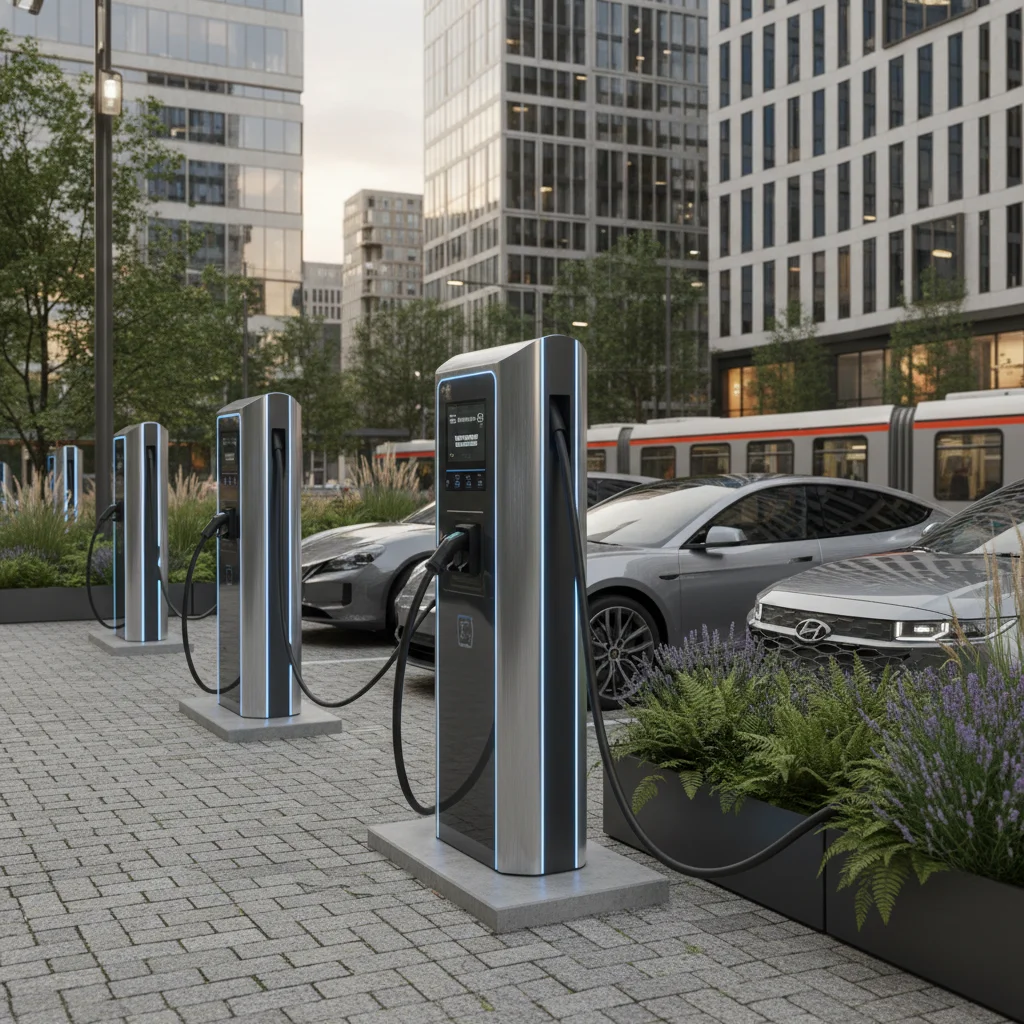
While investments are being made, the pace of charging infrastructure deployment needs to match the accelerating rate of EV adoption. This includes not only public fast-charging stations but also expanding home charging solutions and workplace charging options. Addressing grid capacity and ensuring reliable power supply will be paramount, especially as the number of EVs on the road grows exponentially. The standardization of charging connectors and payment systems will also be critical for a seamless user experience.
Regulatory and Legal Frameworks for Autonomous Vehicles
The legal and regulatory landscape for autonomous vehicles is complex and fragmented across different states. By 2026, greater clarity and harmonization will be needed to facilitate widespread deployment. Issues such as liability in case of accidents, data privacy, and cybersecurity for connected and autonomous vehicles require robust legislative solutions. Federal guidelines are expected to play a more prominent role in standardizing testing and deployment protocols.
Supply Chain Resilience and Raw Materials
The shift to EVs places immense pressure on the supply chain for critical raw materials like lithium, cobalt, nickel, and rare earth elements. Ensuring a stable, ethical, and sustainable supply of these materials, along with robust domestic processing capabilities, is a significant challenge. The US Auto Industry 2026 must navigate geopolitical complexities and invest in recycling technologies to mitigate supply chain vulnerabilities.
Workforce Adaptation and Skill Gaps
The transition to EVs and autonomous technology requires a workforce with new skills. Traditional automotive manufacturing jobs will evolve, and there will be a growing demand for engineers specializing in software, AI, battery technology, and electrical systems. Reskilling and upskilling programs will be essential to ensure that the existing workforce can adapt to these changes and that new talent is attracted to the industry.
Economic Impact and Opportunities
The transformation of the US Auto Industry 2026 will have profound economic implications, creating new opportunities while also necessitating adjustments in existing sectors.
Job Creation and Economic Growth
While some traditional jobs might be displaced, the EV and autonomous sectors are expected to create a significant number of new, high-skilled jobs in manufacturing, research and development, software engineering, and infrastructure development. The growth of these industries will stimulate economic activity, attract investment, and foster innovation across related sectors. States that actively support EV and autonomous tech development are likely to see substantial economic benefits.
New Business Models and Services
The rise of autonomous vehicles, particularly, will pave the way for entirely new business models. Ride-sharing services could become fully autonomous, reducing operating costs and potentially lowering fares. Logistics and delivery services will be revolutionized by self-driving trucks and vans, optimizing routes and improving efficiency. Subscription models for vehicle features and services are also expected to become more prevalent, generating new revenue streams for automakers.
Urban Planning and Transportation Redesign
Autonomous vehicles have the potential to reshape urban planning. The need for vast parking lots might diminish, freeing up valuable urban space for other uses. Traffic congestion could be reduced through optimized vehicle flow, and the demand for public transportation could evolve. Cities will need to adapt their infrastructure and policies to accommodate these changes, creating smarter, more efficient urban environments.
Key Players and Their Strategies in 2026
By 2026, the competitive landscape of the US Auto Industry 2026 will be intense, with established giants, nimble startups, and tech companies all vying for market share.
Traditional Automakers
Companies like General Motors, Ford, and Stellantis are executing aggressive electrification strategies, investing billions in dedicated EV platforms, battery production, and charging infrastructure. They are leveraging their existing manufacturing scale, dealer networks, and brand loyalty to transition their vast customer bases to EVs. Their autonomous driving efforts are also accelerating, often through partnerships with tech firms or dedicated subsidiaries.
EV Pure-Plays
Tesla will continue to be a dominant force, pushing boundaries in battery technology, software integration, and charging networks. Newer EV manufacturers like Rivian and Lucid Motors will have further solidified their positions, particularly in niche segments like electric trucks and luxury EVs. Their focus on innovative design, performance, and direct-to-consumer sales models will continue to challenge traditional automakers.
Tech Companies and Suppliers
Tech giants such as Google (Waymo), Amazon (Zoox), and Apple (Project Titan rumors) are making significant inroads into autonomous driving and, in some cases, EV development. Their expertise in AI, software, and data analytics gives them a unique advantage. Traditional automotive suppliers are also transforming, focusing on developing advanced components for EVs (e.g., electric powertrains, battery management systems) and autonomous vehicles (e.g., sensors, computing platforms).
The Road Ahead: Consumer Adoption and Experience
Ultimately, the success of the US Auto Industry 2026‘s transformation hinges on consumer adoption and the overall user experience.
Affordability and Value Proposition
As battery costs decrease and production scales up, EVs are expected to reach price parity with comparable ICE vehicles by or soon after 2026. Coupled with lower fuel and maintenance costs, the total cost of ownership for EVs will become increasingly attractive. Financing options and leasing models tailored for EVs will also play a crucial role in making them accessible.
Enhanced User Experience
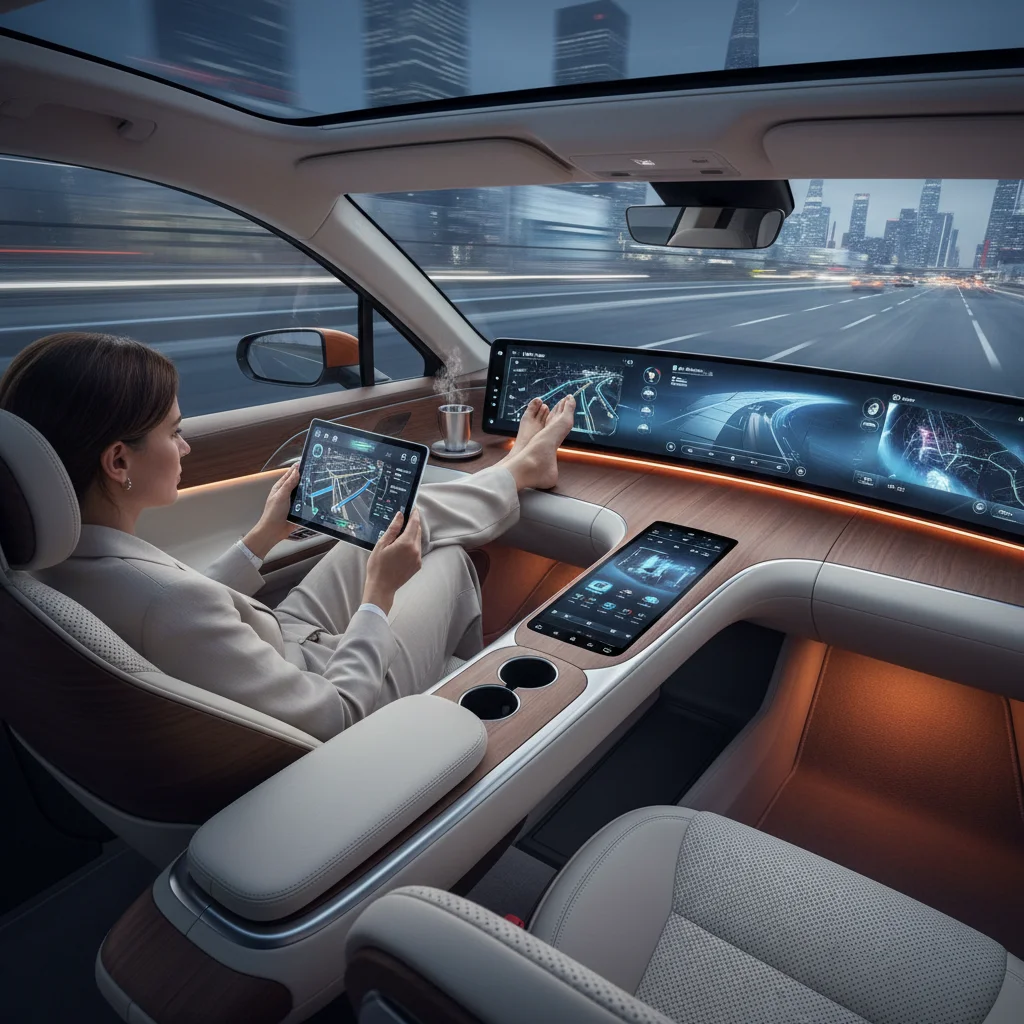
The driving experience in EVs is inherently different – quieter, smoother, and with instant acceleration. Autonomous features will further enhance comfort and convenience, reducing driver fatigue and allowing for more productive or relaxing travel time. Seamless integration with digital ecosystems, personalized infotainment, and over-the-air updates will ensure that vehicles remain fresh and connected.
Safety and Public Trust
Building public trust in autonomous vehicle technology is paramount. Rigorous testing, transparent communication about capabilities and limitations, and a strong safety record will be essential. By 2026, advanced ADAS and Level 3 systems will have accumulated millions of miles, providing valuable data and demonstrating their safety benefits, paving the way for broader acceptance.
Conclusion: A New Era of Mobility
The US Auto Industry 2026 is not merely undergoing a facelift; it is experiencing a profound metamorphosis. The dual forces of electrification and autonomous technology are converging to create a future of mobility that is cleaner, safer, more efficient, and more connected than ever before. While challenges in infrastructure, regulation, and supply chain resilience remain, the industry is demonstrating remarkable ingenuity and investment to overcome them.
By 2026, electric vehicles will be a mainstream choice for a significant portion of American consumers, offering compelling alternatives to gasoline-powered cars. Concurrently, autonomous driving features will be increasingly sophisticated, transforming the driving experience and laying the groundwork for a future where vehicles can navigate our roads independently. This transformative period promises not just new cars, but a whole new way of thinking about transportation, impacting everything from urban design to personal freedom. The journey has begun, and 2026 will mark a significant milestone on the road to a truly revolutionized automotive future.