Biotech Breakthroughs: US R&D Investment Surges in Key Areas by 2027
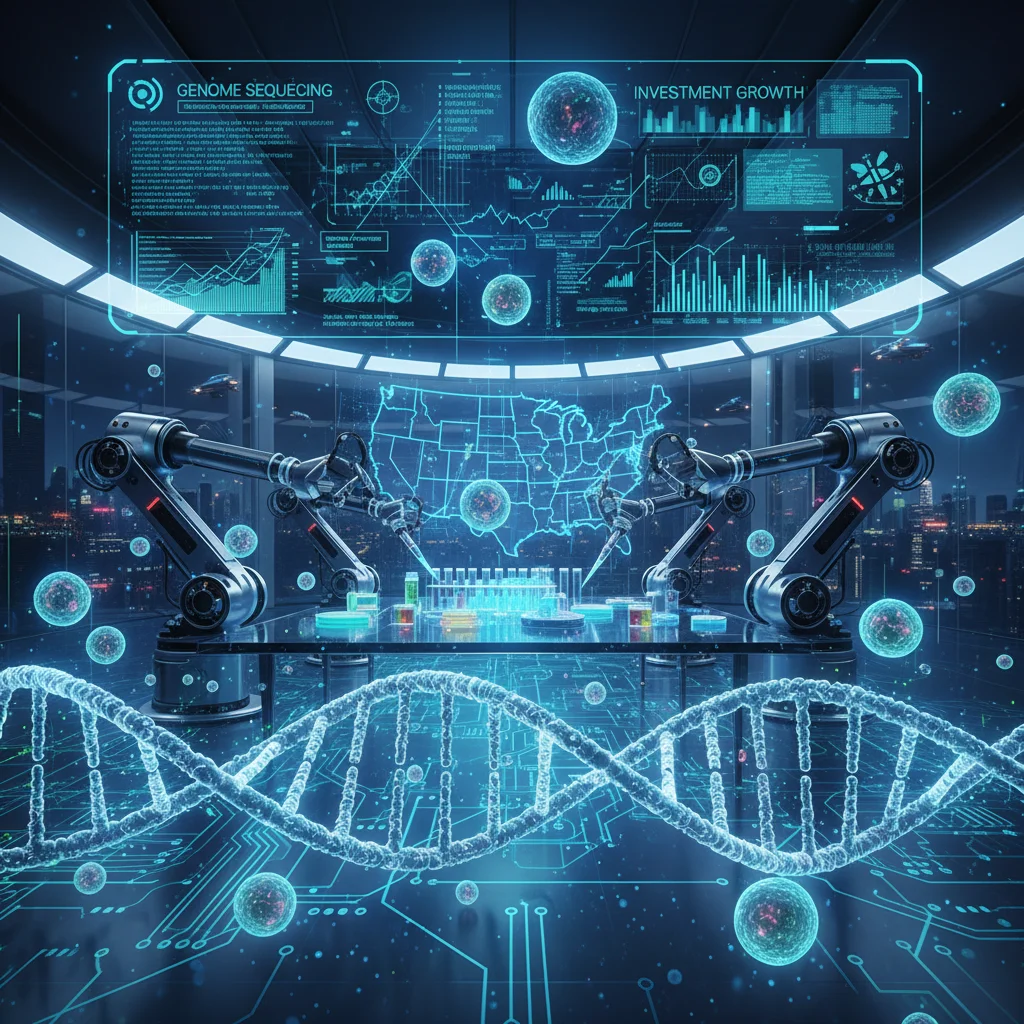
The landscape of modern medicine and industry is undergoing a profound transformation, driven by an accelerating pace of innovation in biotechnology. In the United States, this revolution is particularly evident, with significant R&D investments pouring into promising new frontiers. Experts predict a remarkable 25% growth in R&D investment across four critical biotech areas by 2027, signaling a new era of scientific discovery and economic expansion. This surge in US Biotech Investment is not merely a financial trend; it represents a commitment to solving some of humanity’s most pressing challenges, from incurable diseases to environmental sustainability. Understanding these key areas is crucial for anyone looking to grasp the future trajectory of science, medicine, and technology.
The United States has long been a global leader in scientific research and development, and biotechnology stands as a testament to this legacy. The confluence of cutting-edge academic institutions, robust venture capital, and a supportive regulatory environment has created a fertile ground for biotech innovation. This article will delve into the four pivotal areas driving this projected R&D investment surge, exploring their current impact, future potential, and the challenges they face. From the intricate world of genomics to the transformative power of AI in drug discovery, the revolutionary potential of advanced cell therapies, and the sustainable promise of biomanufacturing, we will unpack how these fields are reshaping our world.
The Genomic Revolution: Unlocking the Code of Life
Genomics, the study of an organism’s complete set of DNA, including all of its genes, has moved from the realm of science fiction to a cornerstone of modern medicine. The Human Genome Project, completed in 2003, laid the groundwork, but recent advancements in sequencing technologies, bioinformatics, and gene editing tools like CRISPR have dramatically accelerated progress. This field is one of the primary beneficiaries of increased US Biotech Investment, as researchers and companies race to harness its potential.
The applications of genomics are vast and continually expanding. In healthcare, personalized medicine is perhaps the most significant promise. By understanding an individual’s unique genetic makeup, doctors can tailor treatments, predict disease susceptibility, and even prevent illnesses before they manifest. Pharmacogenomics, a branch of personalized medicine, aims to optimize drug therapies based on genetic variations, minimizing adverse effects and maximizing efficacy. This means that a drug that works well for one person might be ineffective or even harmful for another, and genomics provides the roadmap to navigate these differences.
Beyond individual treatment, genomics is revolutionizing disease diagnosis, particularly for rare genetic disorders and certain cancers. Rapid and accurate genetic testing can identify mutations responsible for diseases, allowing for earlier intervention and more targeted therapies. The ability to detect cancer at its earliest stages through liquid biopsies, which analyze circulating tumor DNA in the bloodstream, is a game-changer with immense potential to save lives.
Agriculture also stands to benefit immensely from genomic advancements. Gene editing can create crops that are more resilient to pests and diseases, require less water, and offer enhanced nutritional value. This addresses critical global challenges such as food security and sustainable farming practices. Livestock breeding is also being optimized through genomic selection, leading to healthier and more productive animals.
However, the genomic revolution is not without its challenges. Ethical considerations surrounding genetic privacy, germline editing, and equitable access to advanced genomic technologies are paramount. The immense volume of data generated by genomic sequencing also necessitates sophisticated computational tools and expertise in bioinformatics. Despite these hurdles, the projected 25% R&D investment growth by 2027 underscores the unwavering confidence in genomics’ transformative power and its central role in the future of US Biotech Investment.
AI in Drug Discovery: Accelerating the Path to New Cures
The traditional drug discovery process is notoriously long, expensive, and often riddled with failures. It can take over a decade and billions of dollars to bring a new drug to market, with a high attrition rate at every stage. Enter Artificial Intelligence (AI) and Machine Learning (ML), which are rapidly transforming this paradigm. AI’s ability to process vast datasets, identify complex patterns, and make predictions at an unprecedented scale is making it an indispensable tool in the pharmaceutical industry, attracting substantial US Biotech Investment.
AI’s impact spans multiple stages of drug discovery. In target identification, AI algorithms can analyze genomic, proteomic, and clinical data to pinpoint novel biological targets for disease intervention with greater precision than traditional methods. This allows researchers to focus their efforts on the most promising avenues, reducing wasted resources.
For lead compound identification and optimization, AI can screen billions of potential molecules virtually, predicting their binding affinity to target proteins and their potential toxicity. This in silico screening dramatically narrows down the number of compounds that need to be synthesized and tested in the lab, saving significant time and resources. Generative AI models are even being used to design entirely new molecules with desired properties, rather than just screening existing ones. This innovative approach holds the potential to unlock entirely new classes of drugs.
Beyond the lab bench, AI is also proving invaluable in clinical trials. It can optimize trial design, identify suitable patient populations more efficiently, and analyze vast amounts of clinical data to uncover subtle drug effects or patient responses that might otherwise be missed. This leads to more efficient trials, faster approvals, and ultimately, quicker access to life-saving medications for patients.
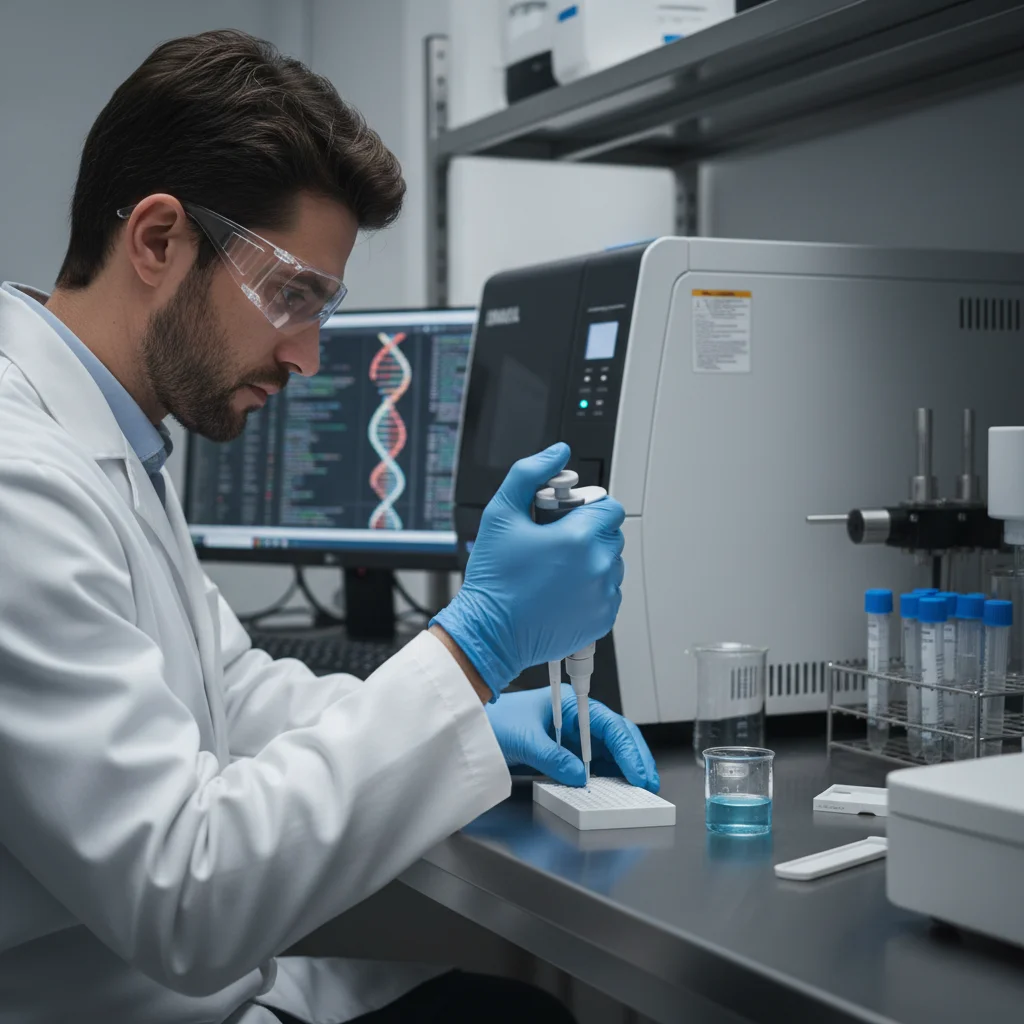
The integration of AI into drug discovery is not without its challenges. The need for high-quality, unbiased training data is critical, and the interpretability of complex AI models (the ‘black box’ problem) can be a concern for regulatory bodies. Furthermore, developing robust AI platforms requires significant computational infrastructure and specialized expertise in both AI and pharmaceutical science. Despite these complexities, the efficiency gains and potential for discovering truly novel therapies make AI in drug discovery a hotbed for US Biotech Investment, driving the projected R&D growth.
Advanced Cell Therapies: Harnessing the Body’s Own Healing Power
Cell therapies represent a revolutionary approach to medicine, moving beyond small molecule drugs and biologics to use living cells as therapeutic agents. This field, encompassing areas like CAR T-cell therapy, stem cell treatments, and gene-modified cell therapies, is experiencing explosive growth and is another key area attracting substantial US Biotech Investment. The potential to cure previously untreatable diseases, particularly cancers and degenerative disorders, makes this an incredibly exciting and rapidly evolving domain.
CAR T-cell therapy, a highly personalized cancer treatment, is a prime example of this innovation. It involves extracting a patient’s T-cells, genetically engineering them in the lab to express a Chimeric Antigen Receptor (CAR) that recognizes and attacks cancer cells, and then infusing these modified cells back into the patient. This has shown remarkable success in treating certain blood cancers, offering hope to patients who have exhausted other treatment options.
Stem cell therapies, utilizing the unique ability of stem cells to differentiate into various cell types, hold immense promise for regenerative medicine. Researchers are exploring their use to repair damaged tissues and organs, treat neurological conditions like Parkinson’s disease, spinal cord injuries, heart disease, and diabetes. The development of induced pluripotent stem cells (iPSCs), which can be generated from adult cells, has circumvented some of the ethical concerns associated with embryonic stem cells and expanded the possibilities for patient-specific therapies.
Beyond these, other advanced cell therapies include gene-edited cells for conditions like sickle cell anemia and beta-thalassemia, where a patient’s own cells are corrected ex vivo and then reintroduced. The development of ‘off-the-shelf’ allogeneic cell therapies, derived from healthy donors, aims to overcome the logistical and cost challenges of autologous (patient-specific) treatments, making these therapies more widely accessible.
However, the complexities of manufacturing, quality control, and the high cost associated with these highly personalized and sophisticated treatments pose significant hurdles. Regulatory pathways are also continuously evolving to keep pace with the rapid scientific advancements. Despite these challenges, the profound clinical benefits and the potential to address unmet medical needs are driving massive US Biotech Investment into advanced cell therapies, fueling their projected R&D expansion.
Sustainable Biomanufacturing: Building a Greener Future
As the world grapples with climate change and resource scarcity, the biotech sector is increasingly turning its attention to sustainable solutions. Biomanufacturing, which leverages biological systems (like microbes, enzymes, or plant cells) to produce materials, chemicals, and energy, is emerging as a critical field. This area is seeing a significant influx of US Biotech Investment, driven by the dual goals of environmental responsibility and economic competitiveness.
Traditional manufacturing processes often rely on fossil fuels, generate substantial waste, and involve harsh chemicals. Biomanufacturing offers a greener alternative, operating at lower temperatures and pressures, using renewable feedstocks, and often producing biodegradable byproducts. This shift is not just environmentally beneficial; it also offers economic advantages by reducing reliance on volatile petrochemical markets and creating new, high-value bio-based products.
One major application is in the production of sustainable fuels and chemicals. Biofuels, derived from biomass, offer a renewable alternative to gasoline and diesel. Bioplastics, produced from renewable biological resources, provide a biodegradable alternative to petroleum-based plastics, addressing the global plastic pollution crisis. Companies are also using engineered microbes to produce specialty chemicals, pharmaceuticals, and even food ingredients more efficiently and sustainably.
In the textile industry, biomanufacturing is enabling the production of sustainable fabrics, such as those made from fungal mycelium or bacterial cellulose, offering alternatives to traditional materials with a heavy environmental footprint. The construction sector is also exploring biomaterials like self-healing concrete incorporating bacteria or wood composites grown from fungi.
The challenges in sustainable biomanufacturing include scaling up laboratory processes to industrial production, optimizing microbial strains for higher yields, and reducing production costs to compete with established petrochemical routes. However, government initiatives, private sector investment, and growing consumer demand for sustainable products are creating strong tailwinds for this sector. The projected 25% R&D investment growth by 2027 highlights the strategic importance of sustainable biomanufacturing in building a more resilient and environmentally friendly future, making it a vital component of US Biotech Investment.
The Economic and Societal Impact of Increased US Biotech Investment
The projected 25% R&D investment growth across these four key biotech areas in the US by 2027 is more than just a statistic; it represents a profound economic and societal shift. Economically, this surge in US Biotech Investment is expected to generate thousands of high-paying jobs in research, development, manufacturing, and related support industries. It will also foster the growth of new companies, attract foreign investment, and strengthen the US’s position as a global leader in innovation. The multiplier effect of these investments will ripple through various sectors, boosting local economies and fostering a vibrant ecosystem of scientific and technological advancement.
From a societal perspective, the impact is even more profound. Breakthroughs in genomics and AI-driven drug discovery will lead to more effective treatments and potential cures for diseases that currently have limited options. Personalized medicine will transform healthcare from a reactive to a proactive model, focusing on prevention and tailored interventions. Advanced cell therapies offer hope for regenerative medicine, potentially restoring function to damaged organs and tissues, and extending healthy lifespans.
Furthermore, the advancements in sustainable biomanufacturing are critical for addressing global environmental challenges. By providing greener alternatives for fuels, plastics, and industrial chemicals, biotech can significantly reduce our carbon footprint, conserve natural resources, and mitigate pollution. This contributes to a healthier planet and a more sustainable future for generations to come.
The convergence of these fields is also creating exciting interdisciplinary opportunities. For instance, AI is indispensable for analyzing the vast datasets generated by genomics and for optimizing the complex processes in cell therapy manufacturing. Genomic insights can inform the design of biological systems for biomanufacturing, and advanced materials produced through biomanufacturing can be used in medical devices or drug delivery systems.
However, realizing the full potential of these investments requires continued commitment to fundamental research, robust intellectual property protection, and a regulatory framework that balances innovation with patient safety and ethical considerations. Workforce development is also crucial, ensuring a pipeline of skilled scientists, engineers, and technicians to drive these advancements forward.
Looking Ahead: The Future of US Biotech Investment
The next few years promise to be a transformative period for biotechnology in the United States. The projected 25% R&D investment growth across genomics, AI in drug discovery, advanced cell therapies, and sustainable biomanufacturing is a clear indicator of the immense potential and confidence in these fields. This investment is not just about financial returns; it’s about investing in a healthier, more sustainable, and technologically advanced future.
As these areas mature, we can expect to see an even greater integration of technologies. AI will become more sophisticated in its ability to predict biological outcomes, leading to faster and more successful drug development. Genomic data will be seamlessly integrated into electronic health records, enabling truly personalized healthcare at scale. Cell therapies will become more accessible and affordable, moving from niche treatments to mainstream options. And sustainable biomanufacturing will increasingly replace traditional industrial processes, leading to a greener economy.
The commitment to US Biotech Investment reflects a national strategy to maintain leadership in scientific innovation and to address global challenges through groundbreaking research. For investors, scientists, policymakers, and the general public, understanding these trends is vital. The biotech revolution is here, and the United States is at its forefront, shaping a future where scientific breakthroughs translate into tangible improvements in human health and environmental well-being. The journey ahead will undoubtedly be complex, but the potential rewards are immeasurable, promising a future of unprecedented progress and hope.