Cybersecurity in US Industries: 2026’s Top 3 Threats and Proactive Defenses

Cybersecurity in US Industries: 2026’s Top 3 Threats and Proactive Defenses
The digital frontier is constantly expanding, and with it, the landscape of cyber threats. For US industries, the year 2026 promises to be a pivotal moment, demanding heightened vigilance and sophisticated defense mechanisms. As businesses increasingly rely on interconnected systems, cloud infrastructure, and advanced technologies, the attack surface grows exponentially. Understanding and anticipating future threats is not merely a strategic advantage; it’s a fundamental requirement for survival and sustained growth. This comprehensive analysis delves into the top three cybersecurity threats projected to impact US industries in 2026 and outlines the proactive defenses necessary to build robust cyber resilience. The focus on US Industry Cybersecurity 2026 is critical for any organization aiming to secure its digital assets and maintain operational integrity.
The Evolving Threat Landscape: Why 2026 is Different
Before diving into specific threats, it’s essential to grasp the underlying factors shaping the US Industry Cybersecurity 2026 environment. Several trends converge to create a more perilous digital world:
- Digital Transformation Acceleration: Industries continue their rapid adoption of cloud computing, IoT, AI, and automation, leading to more complex and distributed IT environments. This complexity often introduces new vulnerabilities if not managed meticulously.
- Geopolitical Tensions: State-sponsored cyber warfare and economic espionage are escalating, targeting critical infrastructure and intellectual property within US industries. These sophisticated attacks are often well-funded and highly persistent.
- Professionalization of Cybercrime: Cybercriminal organizations operate like businesses, employing skilled professionals, developing advanced tools, and even offering ‘ransomware-as-a-service.’ This makes sophisticated attacks accessible to a wider range of malicious actors.
- Talent Shortage: A persistent global shortage of skilled cybersecurity professionals leaves many organizations understaffed and ill-equipped to detect and respond to advanced threats.
- Regulatory Scrutiny: Governments are imposing stricter data privacy and cybersecurity regulations, increasing the pressure on industries to comply, but also creating a fragmented compliance landscape.
These factors collectively amplify the risk, making proactive and adaptive cybersecurity strategies indispensable for US Industry Cybersecurity 2026.
Top Threat 1: The Relentless Surge of Ransomware 2.0
Ransomware is not a new adversary, but by 2026, it will have evolved into a far more insidious and destructive force. We are entering the era of ‘Ransomware 2.0’ – characterized by multi-extortion tactics, highly targeted attacks, and increased sophistication. The impact on US Industry Cybersecurity 2026 from this threat cannot be overstated.
Characteristics of Ransomware 2.0:
- Double and Triple Extortion: Attackers will not only encrypt data but also exfiltrate it, threatening to publish sensitive information if the ransom isn’t paid. ‘Triple extortion’ adds a layer of DDoS attacks or direct harassment of customers/partners to pressure victims further.
- Supply Chain Targeting: Instead of directly attacking a large company, ransomware groups will increasingly target smaller, less secure vendors in a company’s supply chain to gain access to the primary target. This highlights the interconnectedness of US Industry Cybersecurity 2026.
- Operational Technology (OT) and Industrial Control Systems (ICS) Focus: Critical infrastructure and manufacturing facilities will face more direct ransomware threats, aiming to disrupt operations and cause physical damage, not just data loss.
- AI-Augmented Attacks: Adversaries will leverage AI to automate reconnaissance, craft highly personalized phishing campaigns (spear-phishing at scale), and identify vulnerabilities more efficiently.
- Evasion Techniques: Ransomware strains will employ advanced techniques to evade detection by traditional antivirus and endpoint detection and response (EDR) solutions, including polymorphic code and fileless attacks.
Proactive Defenses Against Ransomware 2.0:
- Robust Backup and Recovery Strategy: This remains the cornerstone. Implement immutable backups, offline storage, and regular testing of recovery plans. Ensure backups are isolated from the network to prevent encryption.
- Zero Trust Architecture (ZTA): Assume no user or device can be trusted by default, regardless of whether they are inside or outside the network perimeter. Implement strict access controls, micro-segmentation, and continuous verification.
- Advanced Endpoint Protection: Deploy next-generation antivirus (NGAV) and EDR solutions with behavioral analysis capabilities to detect and block even unknown ransomware variants.
- Employee Training and Awareness: Phishing remains the primary initial access vector. Regular, sophisticated training on identifying social engineering tactics is crucial.
- Patch Management and Vulnerability Scanning: Maintain a rigorous patching schedule for all software and systems, and regularly scan for vulnerabilities to close potential entry points.
- Incident Response Plan (IRP): Develop, test, and regularly update a comprehensive IRP specifically for ransomware attacks, including communication protocols, legal counsel, and forensic analysis.
Top Threat 2: Supply Chain Security Compromise
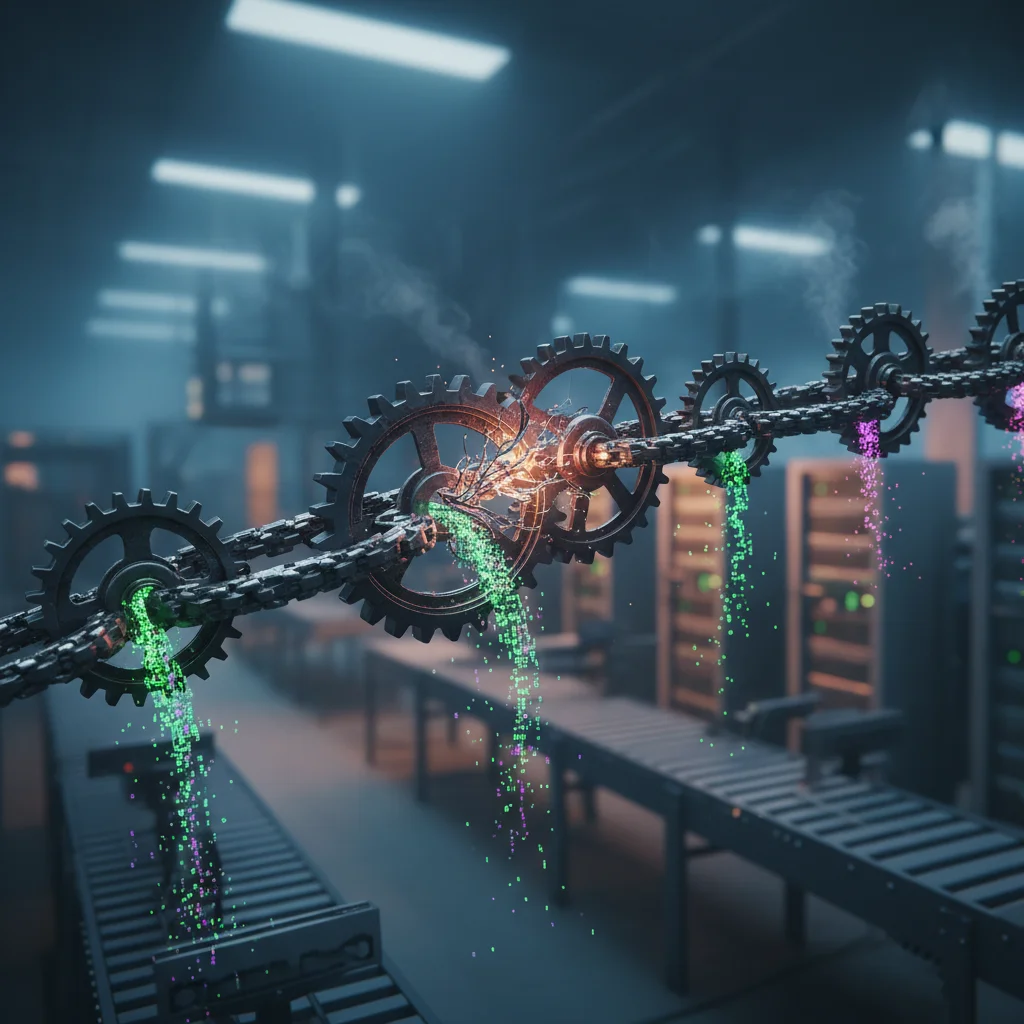
The interconnected nature of modern business, especially within US industries, means that an organization’s security is only as strong as its weakest link. By 2026, supply chain attacks will be a dominant vector for major breaches, impacting US Industry Cybersecurity 2026 significantly. These attacks leverage trusted relationships to compromise a target indirectly.
Why Supply Chain Attacks are Growing:
- Increased Outsourcing: Businesses rely heavily on third-party vendors for software, hardware, managed services, and cloud platforms.
- Trust Exploitation: Attackers exploit the inherent trust between an organization and its suppliers. A compromised software update or a malicious component inserted during manufacturing can bypass traditional defenses.
- Wide Reach: Compromising one supplier can grant access to hundreds or thousands of downstream customers, leading to a ripple effect across multiple industries.
- Complexity of Software Development: Modern software often incorporates numerous open-source libraries and third-party components, each a potential point of compromise.
Proactive Defenses Against Supply Chain Compromise:
- Vendor Risk Management (VRM): Implement a robust VRM program to assess and continuously monitor the cybersecurity posture of all third-party suppliers. This includes security questionnaires, audits, and contractual security requirements.
- Software Bill of Materials (SBOM): Demand and utilize SBOMs from software vendors to understand the components of purchased software, allowing for better vulnerability tracking and risk assessment.
- Secure Software Development Lifecycle (SSDLC): For internally developed software, integrate security practices throughout the entire development lifecycle, from design to deployment.
- Network Segmentation and Least Privilege: Isolate critical systems and data, and ensure that third-party access is strictly limited to only what is necessary, with continuous monitoring.
- Continuous Monitoring and Threat Intelligence Sharing: Implement advanced monitoring solutions to detect anomalies in network traffic and system behavior, especially concerning third-party connections. Participate in industry-specific threat intelligence sharing groups.
- Supply Chain Incident Response: Develop specific incident response plans for supply chain compromises, focusing on communication with affected vendors and customers, and rapid containment.
Top Threat 3: AI/ML-Powered Cyber Attacks
Artificial Intelligence (AI) and Machine Learning (ML) are double-edged swords. While invaluable for defense, adversaries are increasingly harnessing their power to develop more sophisticated, autonomous, and evasive attacks. This will profoundly reshape US Industry Cybersecurity 2026.
How AI/ML will Augment Attacks:
- Automated Vulnerability Discovery: AI can rapidly scan vast codebases and networks to identify weaknesses and misconfigurations that human attackers might miss.
- Hyper-Personalized Phishing: AI-driven deepfake technology and natural language processing (NLP) can generate highly convincing spear-phishing emails, voice calls, and even video messages, making social engineering far more effective.
- Adaptive Malware: Malware can use ML to learn about its environment, adapt its behavior to evade detection, and identify the most valuable targets within a compromised network.
- Autonomous Attack Agents: We may see the emergence of autonomous AI agents capable of orchestrating multi-stage attacks with minimal human intervention, making them faster and more difficult to trace.
- Evasion of AI Defenses: Attackers will also use AI to test and bypass AI-driven security tools, creating an AI vs. AI arms race.
Proactive Defenses Against AI/ML-Powered Attacks:
- AI-Enhanced Security Solutions: Leverage AI and ML in your own defenses for anomaly detection, behavioral analytics, threat hunting, and automated incident response. This is essential for US Industry Cybersecurity 2026.
- Deception Technology: Deploy honeypots and deception networks to mislead AI-powered attack agents, gather intelligence on their tactics, and divert them from critical assets.
- Data Integrity and Provenance: Implement robust measures to ensure the integrity and provenance of data used by AI systems, protecting against data poisoning attacks that could manipulate AI models.
- Continuous Security Testing: Regularly conduct penetration testing and red teaming exercises, specifically designed to simulate AI-powered attack scenarios.
- Human-in-the-Loop Security: While AI can automate many tasks, human oversight and expert analysis remain critical for interpreting complex threats and making strategic decisions.
- Threat Intelligence Collaboration: Share and consume advanced threat intelligence, particularly regarding emerging AI-driven attack techniques, to stay informed and adapt defenses.
Building a Resilient Cybersecurity Posture for 2026
Addressing these top three threats requires a holistic and adaptive approach to US Industry Cybersecurity 2026. Beyond specific defenses, several overarching strategies are crucial:
1. Embrace a Culture of Security
Cybersecurity is not just an IT problem; it’s a business risk. Foster a security-aware culture from the C-suite to the entry-level employee. Regular training, clear policies, and leadership buy-in are paramount. Encourage reporting suspicious activities without fear of reprisal.
2. Invest in Skilled Talent and Continuous Training
The cybersecurity talent gap is real. Invest in recruiting, retaining, and continuously training cybersecurity professionals. Consider partnerships with managed security service providers (MSSPs) to augment internal capabilities.
3. Implement Proactive Threat Hunting
Don’t wait for an alert. Actively search for threats within your network before they can cause significant damage. Threat hunting involves leveraging threat intelligence and analytical skills to uncover hidden adversaries.
4. Prioritize Cyber Resilience Over Prevention Alone
While prevention is vital, assume breaches will occur. Focus on resilience – the ability to quickly detect, respond to, and recover from cyberattacks with minimal disruption. This includes robust incident response plans, business continuity planning, and disaster recovery strategies. This is a core component of US Industry Cybersecurity 2026.
5. Leverage Automation and Orchestration
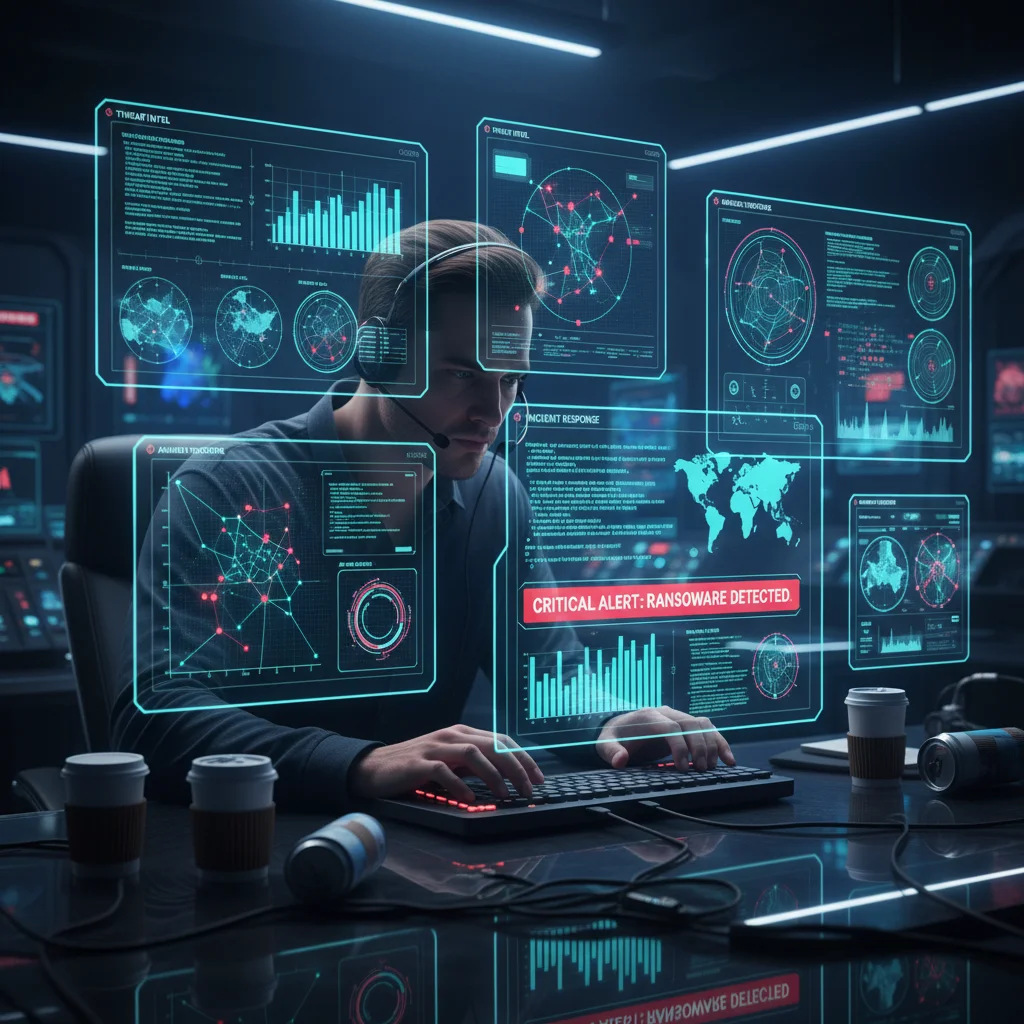
Security Orchestration, Automation, and Response (SOAR) platforms can automate routine security tasks, streamline incident response workflows, and improve the speed and consistency of security operations. This is especially critical when dealing with the volume and complexity of threats in US Industry Cybersecurity 2026.
6. Embrace Collaboration and Information Sharing
No organization is an island. Participate in industry-specific Information Sharing and Analysis Centers (ISACs) and other threat intelligence sharing initiatives. Collaboration allows for collective defense and provides early warnings of emerging threats.
7. Regulatory Compliance as a Baseline, Not a Ceiling
While compliance with regulations like HIPAA, GDPR, CCPA, and upcoming cybersecurity mandates is necessary, view it as a minimum standard. Strive for security best practices that exceed regulatory requirements to build truly resilient systems.
The Road Ahead for US Industry Cybersecurity 2026
The cybersecurity landscape in 2026 will be characterized by persistent, sophisticated, and often automated attacks. Ransomware will continue its destructive path, supply chain vulnerabilities will be heavily exploited, and AI will empower both defenders and attackers. For US industries, the imperative is clear: complacency is not an option. By understanding these top threats and proactively implementing the outlined defenses, organizations can significantly enhance their security posture, protect their critical assets, and ensure their continued operation and innovation in an increasingly perilous digital world. Investing in US Industry Cybersecurity 2026 is an investment in the future of American industry itself.
The journey towards robust cybersecurity is continuous. It requires constant adaptation, learning, and investment. Organizations that embrace this reality will be the ones that thrive in the face of evolving cyber challenges.