Mastering 2026 US Supply Chain: Disruptors & Adaptation Strategies
Mastering the 2026 US Supply Chain: Key Disruptors and Essential Adaptation Strategies
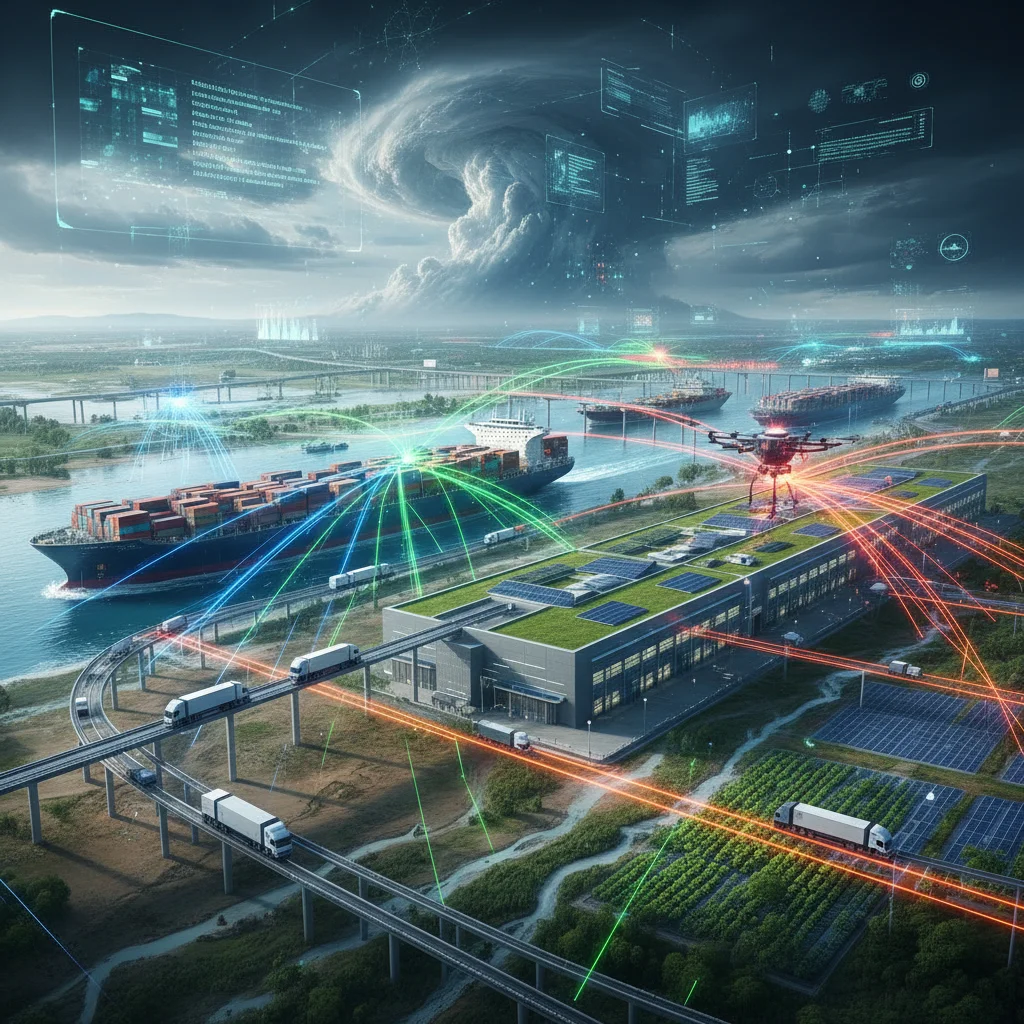
The global landscape is in a constant state of flux, and few sectors feel the tremors of change as acutely as the supply chain. As we inch closer to 2026, the United States supply chain stands at an inflection point, facing a confluence of technological advancements, environmental pressures, and geopolitical realignments. The traditional models of just-in-time and cost-efficiency are being rigorously re-evaluated, making way for a new paradigm centered on resilience, agility, and sustainability. Understanding the fundamental disruptors shaping the 2026 US Supply Chain is not merely an academic exercise; it’s an imperative for survival and growth for businesses across all industries.
This comprehensive guide delves deep into the three most significant forces poised to reshape the 2026 US Supply Chain: the relentless march of Artificial Intelligence and automation, the undeniable and escalating impacts of climate change, and the ever-present specter of geopolitical instability. For each disruptor, we will not only dissect its implications but also provide actionable strategies and innovative solutions to help organizations not just weather the storm, but emerge stronger and more competitive. The goal is to move beyond mere reaction, fostering a proactive and adaptive mindset crucial for navigating the complexities of the modern global economy.
The lessons learned from recent global events have underscored the fragility of interconnected systems. Supply chain leaders are no longer just focused on optimizing efficiency; they are now tasked with building robust, transparent, and ethical networks capable of absorbing shocks and adapting to unforeseen circumstances. The 2026 US Supply Chain will demand a blend of technological prowess, strategic foresight, and a deep understanding of global dynamics. This article aims to equip you with the insights needed to master this evolving environment.
Disruptor 1: The Transformative Power of AI and Advanced Automation in the 2026 US Supply Chain
Artificial Intelligence (AI) and advanced automation are not just buzzwords; they are rapidly becoming the bedrock of modern logistics and supply chain management. By 2026, their influence on the 2026 US Supply Chain will be pervasive, fundamentally altering how goods are moved, stored, and managed. This technological revolution promises unprecedented efficiencies, but also introduces new challenges and demands for skill adaptation and ethical considerations.
AI-Driven Predictive Analytics and Demand Forecasting
One of the most immediate and impactful applications of AI in the 2026 US Supply Chain is in predictive analytics. Traditional forecasting methods, often reliant on historical data and statistical models, struggle to keep pace with volatile market conditions and unpredictable consumer behavior. AI, powered by machine learning algorithms, can analyze vast datasets from diverse sources – including social media trends, geopolitical events, weather patterns, and real-time sales data – to generate far more accurate demand forecasts. This enhanced foresight allows businesses to optimize inventory levels, reduce waste, and prevent stockouts, leading to significant cost savings and improved customer satisfaction. Imagine an AI system that can predict a surge in demand for a specific product weeks in advance based on emerging cultural trends and supply chain health, allowing for proactive adjustments in production and distribution.
Automation Across the Logistics Spectrum
Beyond forecasting, automation is transforming every node of the 2026 US Supply Chain. Warehouses are increasingly becoming smart facilities, utilizing robotic process automation (RPA) for tasks like picking, packing, and sorting. Automated Guided Vehicles (AGVs) and Autonomous Mobile Robots (AMRs) are streamlining internal logistics, improving safety, and reducing labor costs. In transportation, the advent of autonomous trucks, drones for last-mile delivery, and even self-driving ships, though still in varying stages of development and regulatory approval, will undeniably begin to impact efficiency and delivery times by 2026. These automated systems can operate 24/7, with greater precision and speed than human counterparts, significantly boosting throughput and reliability.
Optimizing Route Planning and Network Design with AI
AI algorithms are also revolutionizing route optimization and network design. By considering an immense number of variables – traffic conditions, weather, fuel prices, driver availability, vehicle capacity, and delivery windows – AI can create dynamic, optimized routes that minimize transit times and costs. Furthermore, AI can simulate various network configurations, helping businesses identify optimal warehouse locations, distribution centers, and transportation hubs to serve their customer base more effectively and resiliently. This capability is particularly critical for the 2026 US Supply Chain, which will demand flexibility and responsiveness to changing market demands and potential disruptions.
Challenges and Adaptation Strategies for AI Integration
While the benefits are clear, integrating AI and automation into the 2026 US Supply Chain is not without its hurdles. Significant upfront investment, the need for specialized talent, data security concerns, and the ethical implications of job displacement are all factors businesses must address. Adaptation strategies include:
- Strategic Investment: Prioritize AI solutions that offer the highest ROI and align with long-term business goals. Start with pilot programs to test viability.
- Workforce Reskilling: Invest in training programs to upskill employees, transitioning them from manual tasks to roles involving AI oversight, maintenance, and data analysis.
- Data Governance and Security: Implement robust data governance frameworks and cybersecurity measures to protect sensitive supply chain data and ensure AI model integrity.
- Ethical AI Frameworks: Develop clear ethical guidelines for AI deployment, addressing issues of fairness, transparency, and accountability.
- Interoperability: Ensure new AI systems can seamlessly integrate with existing legacy systems to create a cohesive digital ecosystem.
Embracing AI and automation is not optional for the 2026 US Supply Chain; it’s a strategic imperative. Organizations that fail to leverage these technologies risk being outmaneuvered by more agile, data-driven competitors.
Disruptor 2: Climate Change and Environmental Pressures on the 2026 US Supply Chain
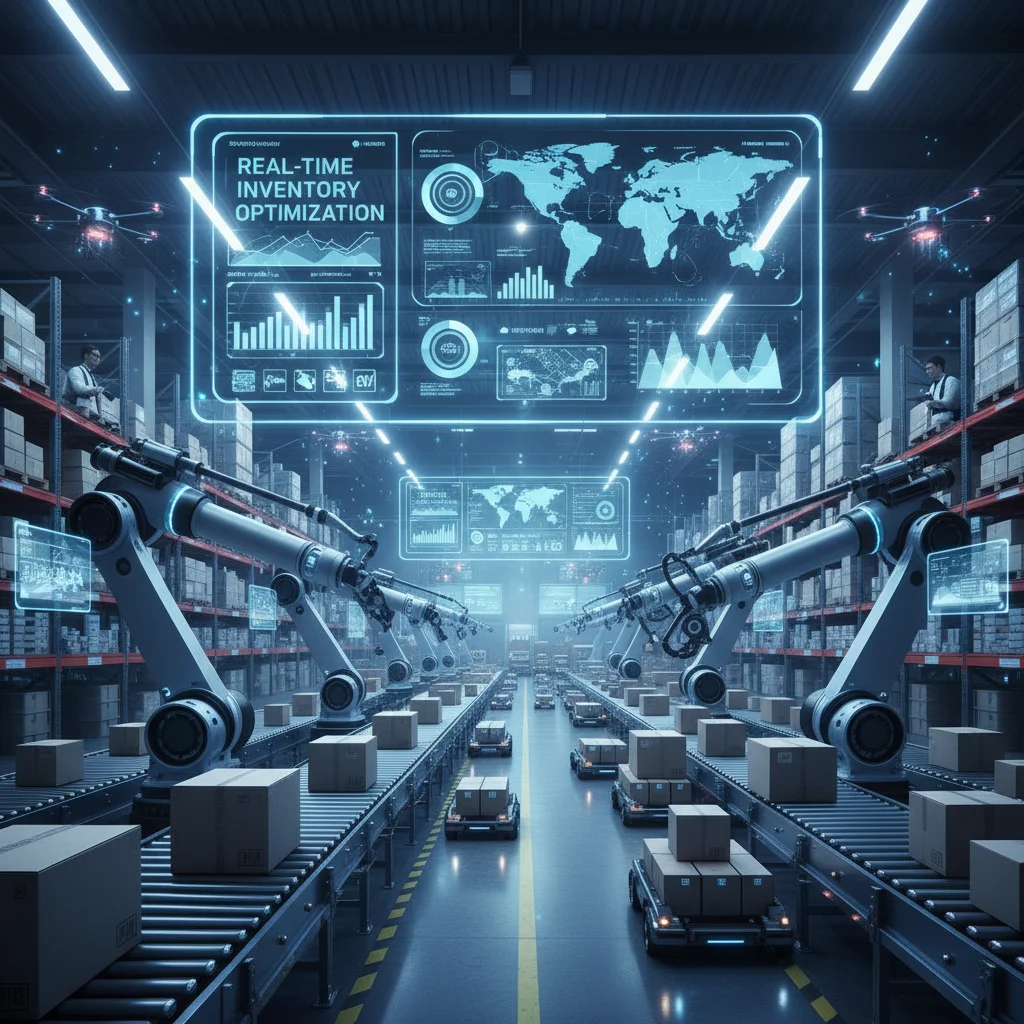
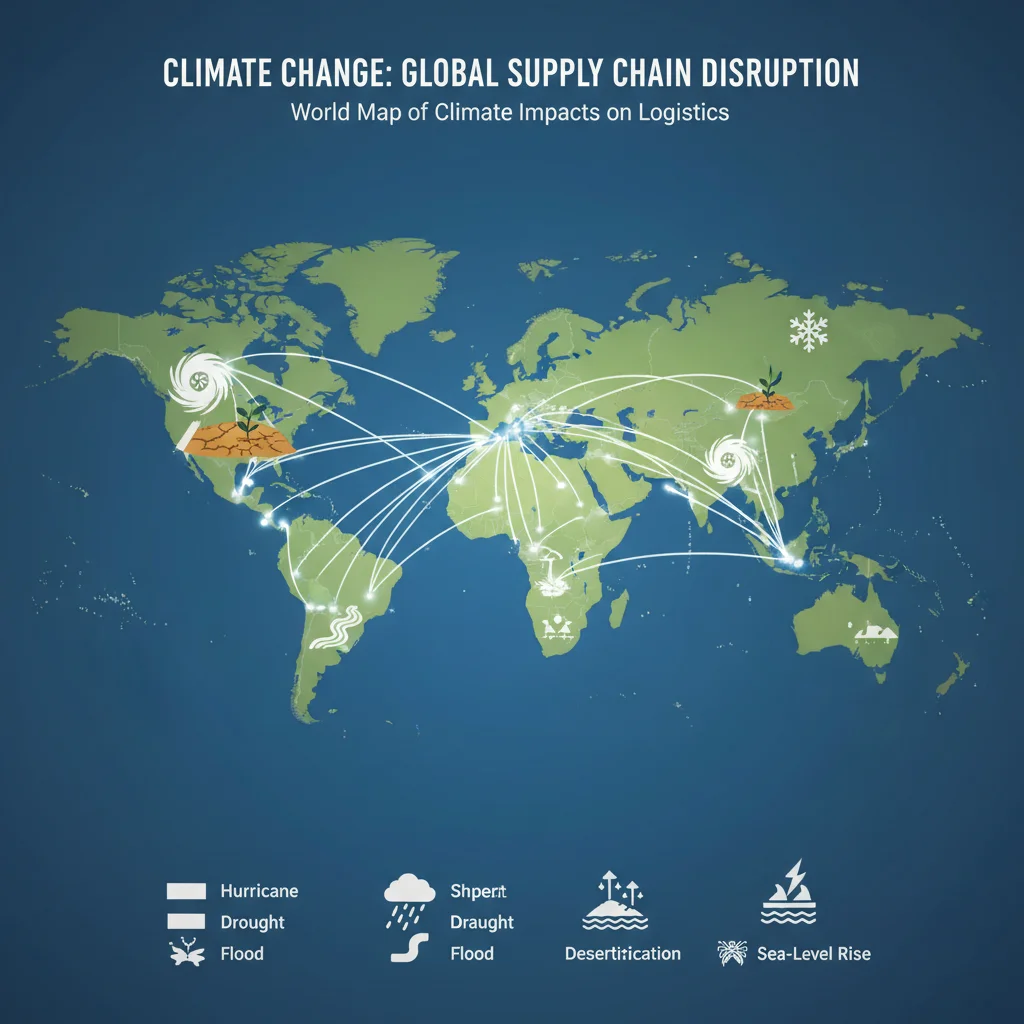
The escalating impacts of climate change represent an existential threat and a profound operational challenge for the 2026 US Supply Chain. Extreme weather events, resource scarcity, and increasing regulatory pressure are already disrupting global logistics, and these trends are projected to intensify. Businesses must move beyond mere compliance to proactive environmental stewardship and resilience planning.
Increased Frequency and Severity of Extreme Weather Events
Hurricanes, floods, droughts, wildfires, and unprecedented heatwaves are no longer anomalies; they are increasingly frequent occurrences that directly impact the physical infrastructure of the 2026 US Supply Chain. Ports can be shut down, roads and bridges damaged, agricultural yields decimated, and energy grids compromised. This leads to delays, increased transportation costs, inventory shortages, and ultimately, higher prices for consumers. For example, a severe hurricane in the Gulf Coast can halt oil production and shipping, affecting fuel prices and chemical supply chains nationwide. Similarly, droughts in agricultural regions can impact food processing and distribution. The unpredictability of these events demands a more robust and flexible supply chain strategy.
Resource Scarcity and Shifting Agricultural Patterns
Climate change also exacerbates resource scarcity. Water stress in key agricultural and industrial regions can limit production and processing capabilities. Changes in temperature and precipitation patterns are shifting agricultural zones, impacting the availability and cost of raw materials for various industries. This can lead to increased competition for finite resources, price volatility, and the need to re-source materials from new, potentially more distant, or less stable regions. The 2026 US Supply Chain must contend with a more constrained and complex resource landscape.
Growing Regulatory and Consumer Pressure for Sustainability
Governments worldwide, including in the US, are implementing stricter environmental regulations aimed at reducing carbon emissions, minimizing waste, and promoting sustainable practices. This translates into new reporting requirements, carbon taxes, and incentives for green logistics. Simultaneously, consumers are increasingly conscious of the environmental footprint of the products they purchase, demanding transparency and accountability from brands. Companies in the 2026 US Supply Chain that fail to adapt to these pressures risk reputational damage, financial penalties, and loss of market share. Sustainability is no longer a niche concern; it’s a core business imperative.
Adaptation Strategies for Climate Resilience and Sustainability
Building a climate-resilient and sustainable 2026 US Supply Chain requires a multi-faceted approach:
- Diversification of Sourcing and Logistics: Reduce reliance on single points of failure by diversifying sourcing locations and transportation modes. Explore nearshoring or reshoring options to shorten supply lines and reduce exposure to distant climate risks.
- Infrastructure Hardening: Invest in climate-resilient infrastructure at warehouses, ports, and transportation hubs. This includes flood defenses, backup power systems, and reinforced structures.
- Green Logistics and Decarbonization: Implement strategies to reduce carbon emissions across the supply chain, such as optimizing routes to minimize fuel consumption, transitioning to electric vehicles, utilizing renewable energy in facilities, and exploring alternative fuels for shipping.
- Circular Economy Principles: Embrace circular economy practices – reduce, reuse, recycle – to minimize waste and conserve resources. This includes designing products for longevity and recyclability, and implementing robust reverse logistics programs.
- Scenario Planning and Risk Assessment: Conduct regular climate risk assessments and develop detailed scenario plans for various extreme weather events and resource shortages. This enables proactive decision-making and rapid response capabilities.
- Supplier Collaboration: Work closely with suppliers to ensure they also adhere to sustainable practices and have their own climate resilience plans. Transparency across the entire value chain is crucial.
Addressing climate change is not just about mitigating risks; it’s about identifying opportunities for innovation and creating a more efficient, ethical, and future-proof 2026 US Supply Chain.
Disruptor 3: Geopolitical Instability and Trade Dynamics in the 2026 US Supply Chain
The global geopolitical landscape is characterized by increasing volatility, protectionist tendencies, and shifting alliances. These factors have profound implications for the 2026 US Supply Chain, creating an environment of uncertainty that demands strategic foresight and diplomatic acumen from supply chain leaders.
Trade Wars, Tariffs, and Protectionism
The recent past has seen an increase in trade disputes, the imposition of tariffs, and a general move towards protectionist policies by various nations. These measures directly impact the cost of goods, the viability of international sourcing, and the competitiveness of businesses operating within the 2026 US Supply Chain. Companies must navigate a complex web of trade agreements, sanctions, and preferential tariffs, which can change rapidly and with little warning. This uncertainty necessitates flexible sourcing strategies and a deep understanding of international trade laws to avoid penalties and maintain profitability.
Regional Conflicts and Political Unrest
Regional conflicts, political unrest, and civil strife in key manufacturing or transit hubs can severely disrupt supply routes, halt production, and endanger personnel. The Suez Canal blockage, while not politically motivated, highlighted the fragility of critical choke points in global trade. By 2026, the potential for similar or more severe disruptions arising from geopolitical tensions remains high. Businesses need to factor these risks into their network design and develop contingency plans for rerouting, alternative manufacturing sites, and robust risk insurance.
Cyber Warfare and State-Sponsored Hacking
As supply chains become increasingly digitized, they also become more vulnerable to cyberattacks. State-sponsored hacking groups or other malicious actors can target logistics systems, transportation networks, and data infrastructure to disrupt operations, steal intellectual property, or sow chaos. A successful cyberattack on a major port, railroad, or logistics provider could have cascading effects across the entire 2026 US Supply Chain. Cybersecurity, therefore, is not just an IT concern but a critical component of supply chain resilience.
Adaptation Strategies for Geopolitical Resilience
Navigating geopolitical instability requires a proactive and diversified approach:
- Supply Chain Mapping and Transparency: Gain granular visibility into your entire supply chain, identifying all tiers of suppliers, their locations, and their geopolitical risk profiles. Understand where your critical dependencies lie.
- Supplier Diversification and Regionalization: Avoid over-reliance on a single country or region for critical components or finished goods. Explore multi-sourcing strategies and consider regionalizing supply chains (nearshoring/reshoring) to reduce exposure to distant geopolitical risks.
- Scenario Planning for Geopolitical Events: Develop comprehensive scenario plans for various geopolitical disruptions, such as trade wars, sanctions, or regional conflicts. This includes identifying alternative suppliers, transportation routes, and potential stockpiling strategies.
- Enhanced Cybersecurity Measures: Implement robust cybersecurity protocols across all digital aspects of the supply chain, from supplier networks to internal logistics systems. Regularly audit and update security measures.
- Political Risk Insurance: Explore political risk insurance options to mitigate financial losses from expropriation, political violence, or trade embargoes.
- Government Relations and Lobbying: Engage with governmental bodies and industry associations to stay abreast of evolving trade policies and advocate for favorable business conditions.
- Build Strategic Alliances: Foster strong relationships with key stakeholders, including suppliers, logistics partners, and even competitors, to create a collective resilience against geopolitical shocks.
The ability to adapt to a constantly shifting geopolitical landscape will be a defining characteristic of successful businesses in the 2026 US Supply Chain.
Holistic Strategies for Building a Resilient 2026 US Supply Chain
While we’ve discussed each disruptor individually, it’s crucial to recognize that they often interact and exacerbate one another. A cyberattack (geopolitical) might disrupt an automated system (AI), leading to delays that are then compounded by extreme weather (climate change). Therefore, building a truly resilient 2026 US Supply Chain requires a holistic approach that integrates strategies across all these domains.
Digital Transformation and End-to-End Visibility
At the heart of resilience lies unparalleled visibility. Companies must invest in comprehensive digital transformation initiatives that integrate data from across the entire supply chain – from raw material suppliers to last-mile delivery. Technologies like blockchain can provide immutable, transparent records of transactions and movements, enhancing trust and traceability. IoT sensors can offer real-time tracking of goods and environmental conditions. This end-to-end visibility empowers businesses to identify potential disruptions early, understand their root causes, and react swiftly and effectively. Without this digital backbone, adaptation strategies will remain reactive and limited.
Agile and Flexible Supply Chain Design
The traditional linear supply chain is giving way to more agile, networked models. This means designing supply chains with inherent flexibility to switch suppliers, manufacturing locations, or transportation modes at short notice. The concept of a ‘control tower’ – a centralized hub that provides real-time visibility and decision-making capabilities – is becoming increasingly vital. This agility allows businesses to pivot quickly in response to unforeseen events, whether they are technological failures, natural disasters, or political upheavals, ensuring continuity of operations within the 2026 US Supply Chain.
Collaboration and Ecosystem Thinking
No single company can tackle these complex challenges alone. The 2026 US Supply Chain will thrive on collaboration. This includes deeper integration with suppliers and customers, sharing data (where appropriate), and co-creating solutions. It also extends to forming strategic partnerships with technology providers, logistics experts, and even academic institutions to foster innovation. Building a robust supply chain ecosystem, rather than operating in isolation, distributes risk and enhances collective problem-solving capabilities.
Talent Development and Leadership
The human element remains critical. The 2026 US Supply Chain will require a new breed of supply chain professionals – individuals who are technologically savvy, globally aware, analytical, and adept at risk management. Investing in continuous training, fostering a culture of continuous learning, and developing strong leadership that can navigate ambiguity and drive change are paramount. The ability to interpret AI-driven insights, understand climate models, and assess geopolitical risks will be key competencies.
Financial Resilience and Risk Management
Beyond operational adjustments, financial resilience is crucial. This involves maintaining adequate working capital, diversifying financial partners, and exploring various insurance options that cover a broad spectrum of supply chain risks. Robust risk management frameworks, including detailed risk registers and mitigation plans, should be regularly reviewed and updated to reflect the evolving threat landscape of the 2026 US Supply Chain.
Conclusion: Shaping the Future of the 2026 US Supply Chain
The 2026 US Supply Chain will be defined by its ability to adapt, innovate, and thrive amidst unprecedented disruption. The forces of AI and automation, climate change, and geopolitical instability are not merely challenges; they are catalysts for a fundamental transformation of how goods are produced, moved, and consumed. Businesses that proactively embrace these changes, investing in technology, fostering sustainability, and building resilient networks, will be the ones that not only survive but excel.
The journey towards a future-proof supply chain is continuous. It requires constant vigilance, strategic investment, and a commitment to continuous improvement. By understanding the key disruptors and implementing the adaptation strategies outlined in this article, organizations can position themselves to master the complexities of the 2026 US Supply Chain, turning potential threats into opportunities for competitive advantage and sustainable growth. The future of logistics is not just about moving products; it’s about building a resilient, intelligent, and responsible ecosystem that can withstand the tests of time and change.