AI Hyper-Targeting: Boosting US Ad Performance by 22% by 2026
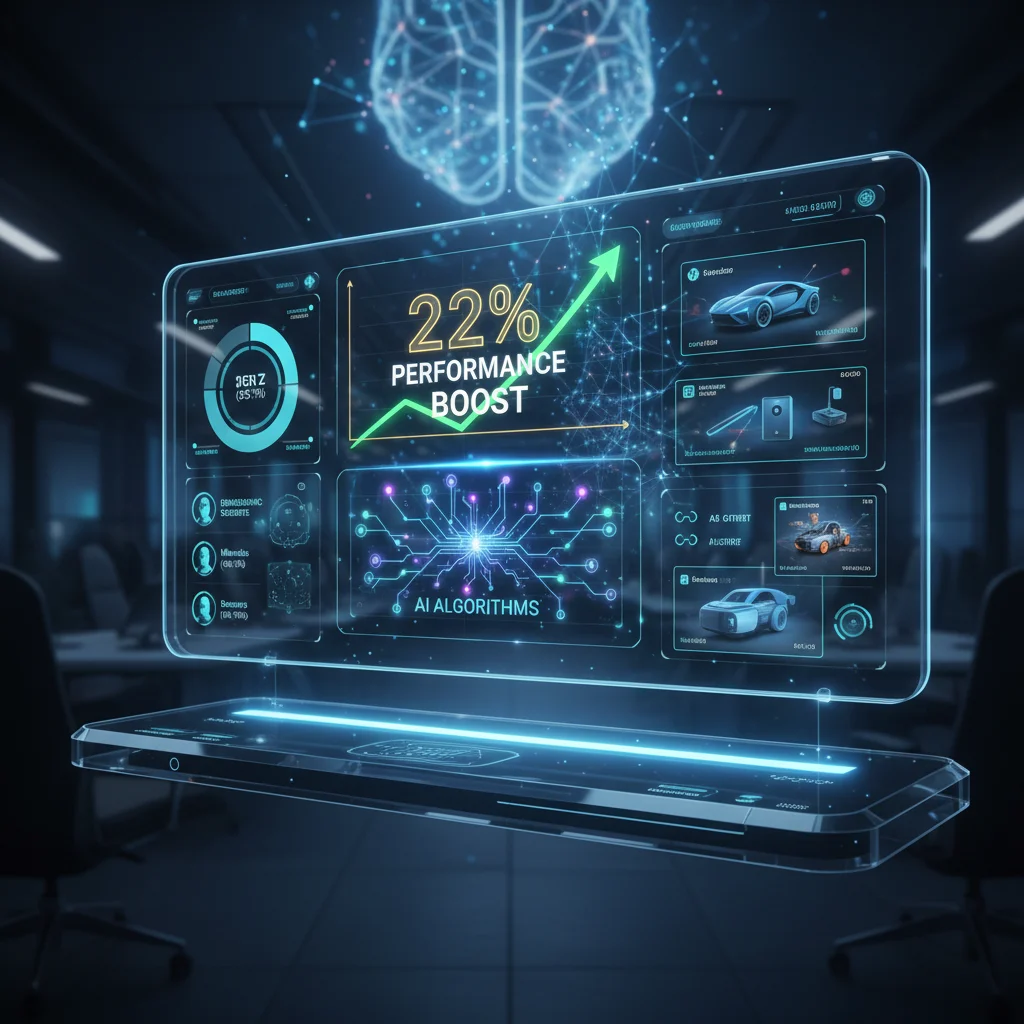
The landscape of digital advertising is in constant flux, driven by technological advancements and evolving consumer behaviors. Among the most impactful innovations, Artificial Intelligence (AI) stands out as a game-changer, particularly in the realm of targeting. The projection of a 22% boost in US ad campaign performance by early 2026, attributed to AI hyper-targeting, is not merely an optimistic forecast; it’s a testament to the transformative power of intelligent automation and data-driven precision in marketing.
This comprehensive article delves into the intricacies of AI hyper-targeting, exploring its mechanisms, benefits, challenges, and the profound implications for advertisers and consumers alike. We will uncover how AI ad targeting is reshaping strategies, optimizing expenditures, and delivering unprecedented levels of personalization and effectiveness.
The Dawn of Hyper-Targeting: Beyond Traditional Segmentation
For decades, advertisers have strived to reach the right audience with the right message at the right time. Traditional targeting methods relied heavily on broad demographic data, psychographic profiles, and contextual placements. While effective to a degree, these approaches often resulted in significant waste, as ads were shown to many who had little to no interest in the product or service.
Enter hyper-targeting, an advanced form of audience segmentation that leverages vast amounts of data and sophisticated algorithms to identify and engage with extremely specific niche audiences. When augmented by AI, this capability reaches an entirely new level. AI systems can process and analyze data at a scale and speed impossible for humans, uncovering subtle patterns, predicting behaviors, and adapting strategies in real-time.
What Exactly is AI Hyper-Targeting?
AI hyper-targeting is the application of artificial intelligence and machine learning (ML) algorithms to refine audience segmentation and ad delivery to an exceptionally granular level. Instead of targeting broad categories like ‘women aged 25-34 interested in fashion,’ AI can identify ‘women aged 28-32, living in urban areas of California, who recently searched for sustainable fashion brands, frequently engage with influencer content on Instagram related to ethical clothing, and have a purchase history of mid-range luxury goods.’
This level of precision is achieved through:
- Big Data Analytics: AI models ingest and process enormous datasets from various sources – browsing history, purchase records, social media activity, location data, app usage, and more.
- Machine Learning Algorithms: These algorithms identify correlations, predict future behaviors, and learn from past campaign performance to continuously optimize targeting parameters.
- Natural Language Processing (NLP): NLP helps AI understand user intent from search queries, social media conversations, and content consumption, adding another layer of context to targeting.
- Predictive Analytics: AI can forecast which individuals are most likely to convert, churn, or engage with specific content, allowing advertisers to allocate resources more effectively.
The synergy of these technologies allows for dynamic, adaptive, and highly personalized ad experiences, moving beyond static profiles to real-time, context-aware engagement. This is the core of effective AI ad targeting.
The Mechanics Behind the 22% Boost: How AI Elevates Ad Performance
The projected 22% increase in US ad campaign performance by early 2026 is a significant figure, reflecting the multifaceted impact of AI on various stages of the advertising funnel. Let’s break down the key mechanisms through which AI contributes to this boost.
1. Unprecedented Audience Segmentation and Personalization
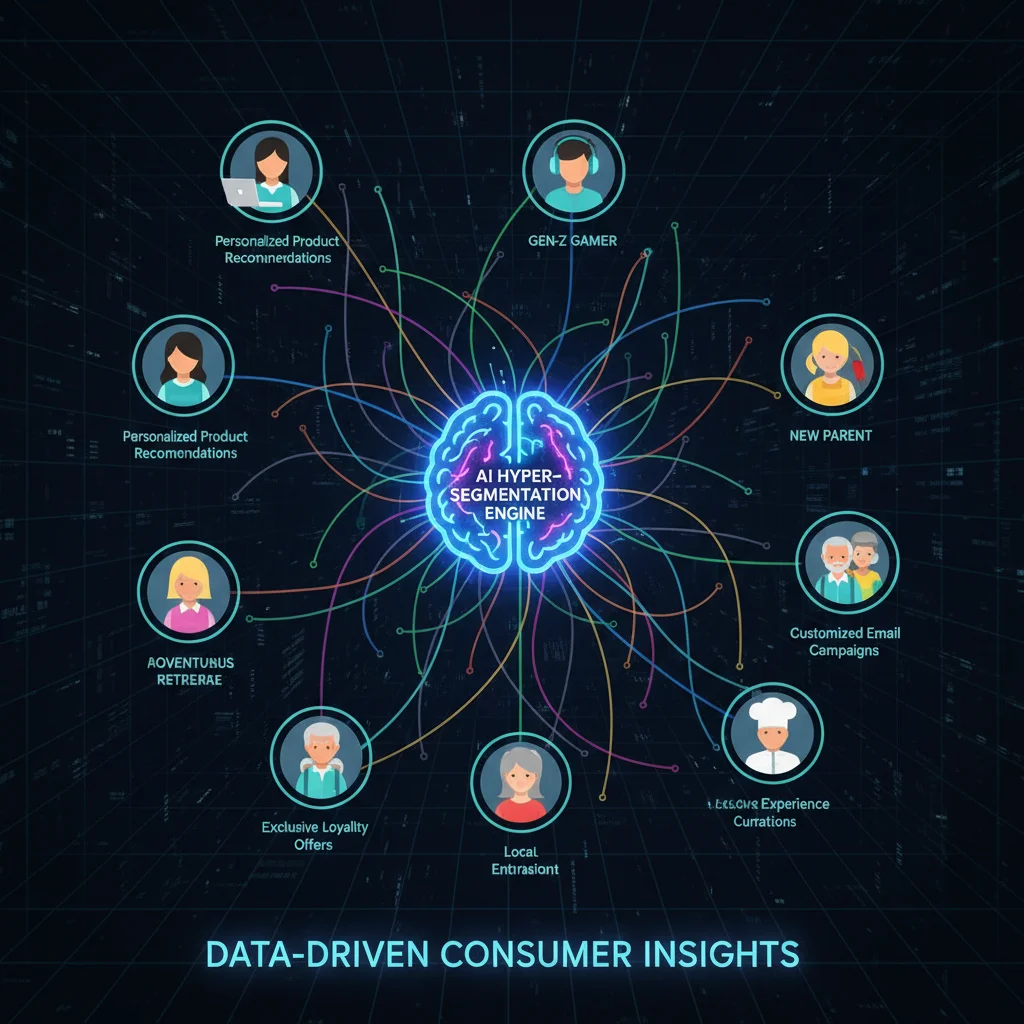
Traditional targeting often relied on educated guesses and broad strokes. AI eliminates much of this guesswork. By analyzing vast amounts of behavioral, demographic, and psychographic data, AI can create micro-segments of audiences with incredibly precise characteristics.
- Dynamic Customer Profiles: AI continuously updates customer profiles based on their latest interactions, allowing advertisers to target individuals with messages that are relevant *right now*, not just based on historical data.
- Lookalike Audiences with Precision: While lookalike modeling isn’t new, AI enhances it by finding more nuanced similarities between existing customers and potential new ones, uncovering hidden segments that human analysis might miss.
- Individualized Content Delivery: Beyond just targeting the right person, AI helps deliver the right ad creative and message. It can dynamically generate or select ad variations based on an individual’s preferences, past interactions, and real-time context, leading to highly personalized experiences that resonate more deeply. This personalization is a cornerstone of effective AI ad targeting.
2. Real-time Optimization and Bidding
One of AI’s most powerful contributions is its ability to learn and adapt in real-time. Ad campaigns are no longer set-it-and-forget-it propositions.
- Automated Bid Management: AI-powered bidding algorithms can analyze billions of data points in milliseconds to determine the optimal bid for each impression, maximizing ROI by ensuring ads are shown to the most valuable users at the most opportune moment.
- Dynamic Creative Optimization (DCO): AI can test countless combinations of headlines, images, calls-to-action, and landing pages to identify which elements perform best for different audience segments, continually refining ad creatives for maximum impact.
- Budget Allocation: AI can intelligently shift budget allocation across different channels, campaigns, and audience segments based on real-time performance data, ensuring that resources are always directed towards the most effective areas.
3. Enhanced Customer Journey Mapping and Attribution
Understanding the complex customer journey, which often involves multiple touchpoints across various devices and channels, is a monumental task. AI simplifies this considerably.
- Multi-Touch Attribution: AI models can more accurately attribute conversions to specific touchpoints, providing a clearer picture of which marketing efforts are truly driving results, rather than relying on last-click attribution.
- Predictive Customer Journey: By analyzing historical data, AI can predict the likely next steps in a customer’s journey, allowing advertisers to proactively deliver relevant content and offers.
4. Fraud Detection and Brand Safety
Beyond performance, AI plays a crucial role in safeguarding ad spend and brand reputation.
- Ad Fraud Prevention: AI algorithms can detect sophisticated patterns indicative of ad fraud, such as bot traffic and impression manipulation, helping advertisers ensure their budgets are spent on real human engagement.
- Brand Safety: AI can analyze content in real-time to prevent ads from appearing alongside inappropriate or harmful material, protecting brand image and integrity.
Key Technologies Powering AI Ad Targeting
The effectiveness of AI ad targeting stems from the synergy of several cutting-edge technologies. Understanding these components is crucial for advertisers looking to leverage AI to its full potential.
Machine Learning (ML)
At the heart of AI targeting is machine learning. ML algorithms are designed to learn from data without explicit programming. In advertising, this means:
- Supervised Learning: Used for tasks like predicting conversion rates based on historical data.
- Unsupervised Learning: Ideal for discovering hidden patterns and clustering similar customer segments without predefined categories.
- Reinforcement Learning: Can be used to optimize bidding strategies in real-time, learning from the outcomes of previous bids to improve future performance.
Deep Learning (DL)
A subset of ML, deep learning uses neural networks with multiple layers to process complex patterns in data, especially useful for:
- Image and Video Recognition: Analyzing visual content in ads and user-generated content to understand context and sentiment.
- Natural Language Understanding (NLU): Interpreting the nuances of human language in search queries, social media posts, and customer reviews to gauge intent and sentiment.
Predictive Analytics
AI-powered predictive analytics uses historical data to forecast future outcomes. For ad campaigns, this translates to:
- Churn Prediction: Identifying customers at risk of leaving, allowing for targeted retention campaigns.
- Next Best Action: Recommending the most effective ad or offer for a specific user based on their predicted behavior.
Lifetime Value (LTV) Prediction: Estimating the long-term value of a customer, enabling more strategic bidding and targeting for high-value segments.
Data Fusion and Integration
No single data source provides a complete picture. AI excels at integrating disparate datasets – CRM data, web analytics, social media data, third-party data, offline purchase data – to create a unified, 360-degree view of the customer. This comprehensive data foundation is critical for robust AI ad targeting.
Implementing AI Hyper-Targeting: A Strategic Approach
Achieving a 22% boost in ad performance isn’t just about adopting AI tools; it requires a strategic approach to implementation. Advertisers need to consider several key factors to maximize their success.
1. Data Infrastructure and Quality
AI models are only as good as the data they’re fed. Investing in robust data collection, storage, and management systems is paramount. This includes ensuring data accuracy, completeness, and cleanliness. Organizations must also navigate data privacy regulations (like GDPR and CCPA) while collecting and utilizing consumer data ethically.
2. Defining Clear Objectives and KPIs
Before deploying AI, advertisers must clearly define what success looks like. Are the goals increased conversions, higher ROAS, improved brand awareness, or reduced customer acquisition costs? Clear Key Performance Indicators (KPIs) will guide the AI algorithms and allow for accurate measurement of the 22% performance boost.
3. Talent and Expertise
While AI automates many tasks, human oversight and expertise remain crucial. Data scientists, AI specialists, and marketing strategists are needed to set up, monitor, and interpret AI models, ensuring they align with business objectives and adapt to market changes. Training existing marketing teams on AI principles and tools is also vital.
4. Iteration and Experimentation
AI-driven campaigns are inherently iterative. Advertisers should embrace a culture of continuous testing and learning. A/B testing different AI models, targeting parameters, and creative variations will help fine-tune strategies and unlock optimal performance. The 22% boost won’t happen overnight; it’s a result of ongoing refinement.
5. Ethical Considerations and Transparency
As AI becomes more sophisticated, ethical considerations surrounding data privacy, algorithmic bias, and transparency become increasingly important. Advertisers must ensure their AI targeting practices are transparent, respect user privacy, and avoid discriminatory outcomes. Building trust with consumers is essential for long-term success in AI ad targeting.
The Impact on US Ad Campaigns: Case Studies and Projections
The projected 22% boost isn’t just theoretical. Early adopters of AI hyper-targeting are already seeing significant improvements. For example, a major e-commerce retailer used AI to analyze purchase history and browsing behavior, resulting in a 15% increase in conversion rates for personalized product recommendations. A travel company leveraged AI to identify users with high intent for specific destinations, leading to a 20% reduction in customer acquisition costs.

These examples illustrate the tangible benefits of AI. The 22% figure by early 2026 suggests a widespread adoption and maturation of these technologies across various industries in the US, leading to a collective uplift in advertising effectiveness. This means:
- Increased ROI for Advertisers: More precise targeting means less wasted ad spend and a higher return on investment.
- More Relevant Ads for Consumers: When done right, AI hyper-targeting delivers ads that consumers actually find useful and interesting, improving the overall ad experience.
- Competitive Advantage: Businesses that embrace AI targeting early will gain a significant edge over competitors still relying on older, less efficient methods.
- Shift in Marketing Roles: Marketers will transition from manual campaign management to strategic oversight, focusing on interpreting AI insights and developing creative strategies.
Challenges and Future Outlook for AI Ad Targeting
While the future of AI hyper-targeting looks incredibly promising, there are challenges to navigate.
Data Privacy Concerns
With increasing data collection comes heightened scrutiny over privacy. Advertisers must remain vigilant in complying with evolving regulations and transparently communicate their data practices to consumers. The deprecation of third-party cookies also necessitates new AI strategies for data collection and targeting, focusing more on first-party data.
Algorithmic Bias
AI models can inadvertently perpetuate and amplify existing biases present in the training data. Ensuring fairness and preventing discrimination in targeting requires careful monitoring and ethical AI development practices.
Complexity and Cost of Implementation
Implementing advanced AI solutions can be complex and costly, requiring significant investment in technology, infrastructure, and specialized talent. This might pose a barrier for smaller businesses, although the emergence of more accessible AI-as-a-Service platforms is helping to democratize access.
The Future of AI Ad Targeting
The trajectory for AI in advertising is one of continuous innovation. We can expect:
- Even Deeper Personalization: AI will move towards predicting individual emotional responses to ads, dynamically adjusting content for maximum impact.
- Augmented Reality (AR) and Virtual Reality (VR) Integration: AI will play a crucial role in delivering highly personalized and interactive ad experiences within AR/VR environments.
- Voice Search Optimization: As voice search interfaces become more prevalent, AI will optimize ads for spoken queries and conversational commerce.
- Proactive Problem Solving: AI will not only optimize campaigns but also proactively identify potential issues and suggest solutions before they impact performance.
The 22% performance boost by early 2026 is just the beginning. As AI continues to evolve, its impact on AI ad targeting and the broader advertising industry will only grow, promising an era of unprecedented efficiency, relevance, and ROI.
Conclusion: Embracing the AI-Powered Advertising Revolution
The advent of AI hyper-targeting marks a pivotal moment in the history of advertising. The projection of a 22% boost in US ad campaign performance by early 2026 underscores the immense potential of artificial intelligence to transform how brands connect with their audiences. By enabling unparalleled precision in targeting, real-time optimization, and deeply personalized experiences, AI is not just improving existing advertising practices; it’s redefining them.
For advertisers, the message is clear: embracing AI ad targeting is no longer an option but a necessity for staying competitive and achieving superior results. While challenges related to data privacy, ethical considerations, and implementation complexity exist, the benefits of harnessing AI’s power far outweigh the hurdles. The brands that strategically integrate AI into their marketing efforts will be the ones that thrive in this new, intelligent advertising landscape, delivering engaging, effective, and efficient campaigns that resonate with consumers and drive tangible business growth.
The future of advertising is intelligent, personalized, and highly effective, and it’s being shaped by the relentless innovation of AI. Prepare to witness and participate in this exciting evolution, as AI continues to unlock new frontiers in connecting brands with the right people, at the right time, with the right message.