Boost US Customer Conversion: 7 Interactive Content Strategies for 2024

7 Interactive Content Strategies to Increase US Customer Conversion by 10% This Year
In the fiercely competitive digital landscape of today, capturing and retaining the attention of US consumers is more challenging than ever. Traditional static content, while still valuable, often falls short in fostering the deep engagement required to drive significant conversions. This is where interactive content conversion strategies emerge as a game-changer. By actively involving your audience, interactive content transforms passive consumption into an engaging, personalized experience, leading to higher conversion rates, improved brand loyalty, and a deeper understanding of your customer base.
The US market, characterized by its tech-savvy consumers and high expectations for personalized experiences, is particularly ripe for interactive content. Businesses that embrace these innovative approaches are not just selling products or services; they are building relationships, educating their audience, and providing tangible value long before a purchase is even considered. This comprehensive guide will delve into seven powerful interactive content strategies designed to boost your US customer conversion rates by a remarkable 10% or more this year.
We will explore how each strategy works, its benefits, and practical tips for implementation, ensuring you have the tools to turn casual visitors into loyal customers. From interactive quizzes that personalize product recommendations to dynamic calculators that demonstrate ROI, get ready to revolutionize your digital marketing efforts and witness a significant uplift in your conversion metrics.
Understanding the Power of Interactive Content for Conversion
Before diving into specific strategies, it’s crucial to grasp why interactive content is so effective for driving interactive content conversion. At its core, interactive content demands participation. Unlike a blog post you merely read or a video you simply watch, interactive elements require users to click, drag, type, or choose, creating a two-way dialogue between the brand and the consumer. This active engagement offers several key advantages:
- Increased Engagement: Users spend more time with interactive content, leading to higher dwell times and lower bounce rates. This signals to search engines that your content is valuable, potentially improving your SEO rankings.
- Enhanced Data Collection: Every interaction provides valuable first-party data about user preferences, pain points, and interests. This data is gold for personalization and future marketing efforts.
- Improved Brand Recall: Memorable experiences lead to better brand recall. When users actively participate, they are more likely to remember your brand and the message you conveyed.
- Personalization at Scale: Interactive content can dynamically adapt to user input, offering personalized recommendations, solutions, or content paths that resonate deeply with individual needs.
- Education and Trust Building: Complex topics can be simplified through interactive tools, helping users understand product benefits or industry insights. This builds trust and positions your brand as an authority.
- Direct Path to Conversion: Many interactive formats naturally lead users down a conversion funnel, whether it’s through a personalized product recommendation, a calculated ROI, or a direct call-to-action embedded within the experience.
For the US market, where consumers are accustomed to high levels of digital sophistication and expect brands to understand their individual needs, interactive content is not just a nice-to-have; it’s a necessity for competitive advantage and optimizing interactive content conversion.
Strategy 1: Personalized Quizzes and Assessments
Quizzes and assessments are perhaps the most popular and versatile forms of interactive content. They tap into a fundamental human desire for self-discovery and entertainment. For businesses, they offer an incredible opportunity to gather data, educate, and guide users toward specific products or services based on their responses.
How They Drive Conversion:
- Product Recommendation: A ‘Which product is right for you?’ quiz can effortlessly guide users to the perfect solution, reducing decision fatigue and increasing the likelihood of purchase.
- Lead Generation: By requiring an email address to receive results or a personalized report, quizzes become powerful lead generation tools.
- Educational Tool: Assessments can test user knowledge on a topic, then provide tailored resources to fill gaps, positioning your brand as an expert.
- Personalized Offers: Based on quiz outcomes, you can present highly relevant offers or discounts, making the conversion path feel natural and value-driven.
Implementation Tips for the US Market:
- Keep it Fun and Relevant: US consumers appreciate engaging, well-designed quizzes. Avoid overly technical jargon unless your audience is highly specialized.
- Mobile-First Design: A significant portion of US digital consumption happens on mobile devices. Ensure your quizzes are responsive and easy to navigate on small screens.
- Clear Value Proposition: Users should understand what they gain by taking the quiz (e.g., ‘Find your perfect skincare routine,’ ‘Discover your financial health score’).
- Strategic Calls-to-Action (CTAs): Once results are displayed, provide clear, compelling CTAs to relevant product pages, services, or further content.
Strategy 2: Interactive Calculators and Configurators
Interactive calculators and configurators address a common consumer need: understanding value and customization. Whether it’s calculating potential savings, determining ROI, or building a personalized product, these tools provide immediate, quantifiable insights.
How They Drive Conversion:
- Value Demonstration: An ROI calculator can clearly show a business how much money they could save or earn by using your service, directly justifying the investment.
- Personalized Pricing: For complex services or products, a configurator allows users to build their ideal solution and see the associated cost, promoting transparency and trust.
- Overcoming Objections: By addressing common concerns (e.g., ‘How much will this cost me?’, ‘What features do I need?’), these tools can preemptively overcome sales objections.
- High-Quality Lead Generation: Users who invest time in configuring a product or calculating their specific needs are often highly qualified leads, closer to a purchasing decision.
Implementation Tips for the US Market:
- Accuracy is Key: Ensure your calculators provide accurate, reliable results. Any discrepancies can erode trust.
- User-Friendly Interface: The input fields and options should be intuitive and easy to understand. Visual aids can be very helpful for configurators.
- Clear Outcome: The result of the calculation or configuration should be clear, easy to interpret, and ideally, offer a direct next step (e.g., ‘Request a quote,’ ‘Add to cart’).
- Integrate with CRM: Capture the data from these interactions to follow up with personalized communications.

Strategy 3: Interactive Infographics and Data Visualizations
Static infographics are great, but interactive ones take data storytelling to the next level. They allow users to explore data at their own pace, filter information, and delve deeper into specific areas of interest. This is particularly effective for B2B brands or those dealing with complex information.
How They Drive Conversion:
- Enhanced Understanding: Complex data or processes become more digestible, helping users grasp the value proposition of your offerings.
- Credibility and Authority: Presenting data in an engaging, interactive format positions your brand as a thought leader and expert in your field.
- Extended Engagement: Users spend more time exploring interactive infographics, increasing brand exposure and message retention.
- Lead Nurturing: By offering downloadable reports or further resources based on the data explored, you can capture leads and move them down the funnel.
Implementation Tips for the US Market:
- Focus on Key Insights: Don’t overload the user with too much data. Highlight the most impactful findings and allow users to explore details if they choose.
- Intuitive Navigation: Make it easy for users to click, hover, and filter data. Clear labels and tooltips are essential.
- Visually Appealing: High-quality design is crucial. Use consistent branding and engaging visuals to make the experience enjoyable.
- Shareability: Include social sharing options, as valuable insights are often shared within professional networks.
Strategy 4: Polls, Surveys, and Feedback Forms
While seemingly simple, interactive polls, surveys, and feedback forms are incredibly powerful for understanding your audience and making them feel heard. They create a direct channel for customer voice, which is highly valued in the US market.
How They Drive Conversion:
- Customer Insights: Directly gather opinions on products, services, or content, which can inform product development and marketing strategies.
- Segmenting Your Audience: Use survey responses to segment your audience for more targeted and effective marketing campaigns.
- Building Community: Involving customers in decision-making or opinion-sharing fosters a sense of community and loyalty.
- Identifying Pain Points: Feedback forms can uncover areas for improvement in your customer journey, directly impacting conversion rates by removing friction.
- Micro-Commitments: Even a simple poll can be a ‘micro-commitment’ that makes users more receptive to subsequent, larger commitments (like a purchase).
Implementation Tips for the US Market:
- Keep it Short and Sweet: Respect users’ time. Longer surveys tend to have lower completion rates.
- Clear Purpose: Explain why you’re asking for their input and how it will be used.
- Incentivize (Optional): For longer surveys, consider offering a small incentive (e.g., a discount, entry into a drawing) to boost participation.
- Act on Feedback: Demonstrate that you listen to customer input. This builds trust and encourages future participation.
Strategy 5: Interactive Videos and Shoppable Experiences
Video content is already king, but interactive video takes engagement to an entirely new level. Imagine a video where viewers can click on products to learn more, choose their own adventure, or answer questions directly within the player. This is particularly potent for direct-to-consumer (DTC) brands in the US.
How They Drive Conversion:
- Direct Product Exploration: ‘Shoppable videos’ allow viewers to click on items featured in the video to add them to a cart or view product details, shortening the path to purchase.
- Personalized Storytelling: Choose-your-own-adventure videos can adapt the narrative based on viewer choices, creating a highly personalized and memorable experience.
- Enhanced Learning: For educational content, interactive elements like pop-up quizzes or clickable explanations can reinforce learning and demonstrate understanding.
- Increased Time on Page: Viewers spend significantly more time with interactive videos compared to linear ones, absorbing more of your brand message.
Implementation Tips for the US Market:
- High-Quality Production: US consumers expect high production value in video content. Invest in good visuals and audio.
- Clear Interactive Elements: Make it obvious where users can click or interact. Use clear visual cues.
- Seamless Integration: Ensure the interactive elements don’t disrupt the viewing experience but enhance it.
- Test and Optimize: A/B test different interactive elements and CTAs to see what resonates best with your audience.
Strategy 6: Gamification Elements and Contests
Gamification taps into our innate desire for challenge, reward, and achievement. By incorporating game-like elements into your content, you can make the user experience more enjoyable and addictive, driving higher engagement and ultimately, interactive content conversion.
How They Drive Conversion:
- Increased Engagement and Retention: Points, badges, leaderboards, and challenges encourage users to return and interact repeatedly with your content or platform.
- Lead Generation: Contests (e.g., ‘Spin the Wheel’ for a discount, quizzes with prizes) are excellent for capturing email addresses and building a marketing list.
- Brand Loyalty: Rewarding users for their engagement fosters a sense of appreciation and encourages continued interaction with your brand.
- Product Education: Gamified tutorials or product tours can make learning about complex products fun and memorable.
Implementation Tips for the US Market:
- Clear Rules and Rewards: Ensure the rules of your game or contest are easy to understand and the rewards are appealing to your target audience.
- Fairness and Transparency: US consumers value fairness. Ensure your gamified elements are transparent and unbiased.
- Balance Challenge and Attainability: The game should be challenging enough to be engaging but not so difficult that users give up.
- Promote Social Sharing: Encourage users to share their achievements or contest entries on social media to expand your reach.
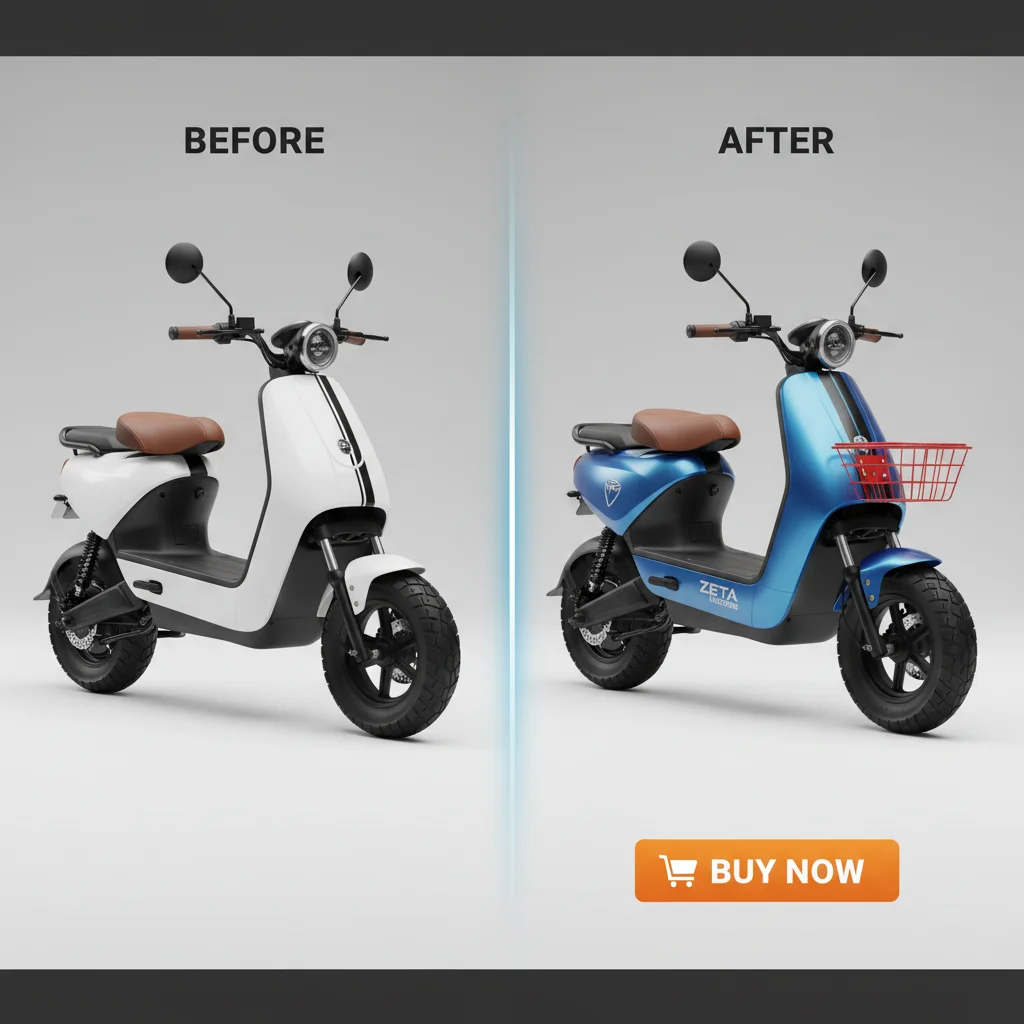
Strategy 7: Interactive Landing Pages and Product Pages
Your landing pages and product pages are critical conversion points. Infusing them with interactive elements can dramatically improve their performance by making them more engaging and informative than static alternatives.
How They Drive Conversion:
- Dynamic Content Personalization: Based on user behavior or demographics, interactive elements can dynamically change content, offers, or visuals on the page.
- Product Demonstrations: Instead of just images, allow users to virtually ‘try on’ products, rotate 3D models, or explore features through interactive hotspots.
- Guided Selling: Interactive flows can guide users through a series of questions to recommend the best product or service, mimicking a sales conversation.
- Reduced Friction: By answering questions or providing relevant information directly on the page, interactive elements can remove barriers to conversion.
- A/B Testing Opportunities: Interactive elements provide more data points for A/B testing, allowing for continuous optimization.
Implementation Tips for the US Market:
- Fast Loading Times: Interactive elements should not slow down page load times, especially for mobile users. Optimization is crucial.
- Clear Call to Action: Even with interactive elements, the primary CTA (e.g., ‘Buy Now,’ ‘Sign Up,’ ‘Get a Demo’) should remain prominent and easy to find.
- A/B Test Everything: Test different interactive elements, placements, and messaging to see what resonates best with your US audience.
- Seamless User Experience: Ensure the interactive elements enhance, rather than detract from, the overall user journey on the page.
Measuring Success: Key Metrics for Interactive Content Conversion
Implementing these strategies is only half the battle. To truly increase your US customer conversion by 10% this year, you need to rigorously track and analyze the performance of your interactive content. Here are key metrics to monitor:
- Conversion Rate: This is paramount. Track how many users who interact with your content complete a desired action (e.g., make a purchase, sign up for a newsletter, download an asset).
- Engagement Rate: This includes metrics like completion rates for quizzes/surveys, time spent on interactive pages, clicks on interactive elements, and number of interactions. High engagement often correlates with higher conversion potential.
- Lead Quality: Are the leads generated through interactive content more qualified than those from static content? Track their progress through your sales funnel.
- Bounce Rate: A lower bounce rate on pages featuring interactive content indicates that users are finding the content engaging and relevant.
- Social Shares: How often is your interactive content being shared? Virality can significantly extend your reach.
- Feedback and Sentiment: Monitor comments, direct feedback, and social media mentions to gauge user sentiment and identify areas for improvement.
- Return on Investment (ROI): Ultimately, calculate the ROI of your interactive content efforts. Are the conversions and leads generated justifying the investment in creation and promotion?
Utilize analytics tools, A/B testing platforms, and customer relationship management (CRM) systems to gather and interpret this data. Regular analysis will allow you to continually refine your strategies, optimize your content, and maximize your interactive content conversion rates.
The Future of Interactive Content in the US Market
The US market is continually evolving, with consumers demanding more personalized, engaging, and valuable digital experiences. As technology advances, so too will the capabilities of interactive content. Expect to see greater integration of Artificial Intelligence (AI) for hyper-personalization, more sophisticated augmented reality (AR) and virtual reality (VR) experiences, and increasingly seamless omni-channel interactive journeys.
Brands that proactively embrace these trends and continuously innovate their interactive content strategies will be best positioned to capture market share, build lasting customer relationships, and achieve significant growth in their conversion rates. The 10% increase in US customer conversion this year is not just an ambitious goal; with the right interactive content strategies, it’s an entirely achievable reality.
Conclusion: Act Now to Elevate Your Interactive Content Conversion
In conclusion, the shift from passive content consumption to active user participation is not just a trend; it’s a fundamental change in how consumers engage with brands, especially within the dynamic US market. By strategically implementing personalized quizzes, interactive calculators, engaging videos, and other interactive elements, businesses can create compelling experiences that not only capture attention but also directly drive conversions.
The seven strategies outlined in this guide – personalized quizzes, interactive calculators, interactive infographics, polls and surveys, interactive videos, gamification, and interactive landing pages – offer a robust framework for enhancing your digital marketing efforts. Each provides a unique avenue to understand your audience better, educate them effectively, and guide them seamlessly towards a purchase or desired action.
Remember, the key to success with interactive content conversion lies in understanding your audience, providing genuine value, and continuously measuring and optimizing your efforts. Start experimenting with these strategies today, track your results diligently, and prepare to see a significant uplift in your US customer conversion rates. The investment in interactive content is an investment in a more engaged, informed, and loyal customer base, and the returns are well worth the effort.