Hyper-Targeting with Programmatic Advertising: Achieving 12% Better Engagement Rates in the US This Year
In the rapidly evolving landscape of digital advertising, the quest for higher engagement is perpetual. Advertisers are constantly seeking more efficient and effective ways to reach their desired audiences amidst the noise. This year, a significant trend is emerging: programmatic hyper-targeting is poised to deliver an impressive 12% increase in ad engagement rates across the United States. This isn’t just a marginal improvement; it represents a substantial leap forward in the efficacy of digital campaigns. But what exactly is programmatic hyper-targeting, and how can businesses leverage it to achieve such remarkable results? This comprehensive guide delves into the intricacies of this powerful strategy, exploring its core components, benefits, challenges, and the actionable steps required to implement it successfully.
The digital realm is saturated with content and advertisements, making it increasingly difficult for brands to capture and retain audience attention. Generic, broad-stroke campaigns often fall flat, leading to wasted ad spend and low return on investment (ROI). The solution lies in precision – reaching the right person, with the right message, at the right time, on the right platform. This is the promise of programmatic hyper-targeting. By combining the automation and efficiency of programmatic advertising with an unprecedented level of audience segmentation and personalization, hyper-targeting transforms the advertising paradigm from a shotgun approach to a laser-focused strategy.
The United States, with its diverse demographics and highly developed digital infrastructure, presents both immense opportunities and significant challenges for advertisers. Understanding the nuances of the US market is crucial, and programmatic hyper-targeting provides the tools to navigate this complexity with unparalleled accuracy. This article will unpack the mechanisms behind this engagement surge, offering insights into how businesses can harness the power of data, artificial intelligence (AI), and advanced targeting techniques to not only meet but exceed their advertising objectives in 2024.
Understanding Programmatic Hyper-Targeting: Beyond Basic Segmentation
To truly appreciate the impact of a 12% engagement increase, we must first define what programmatic hyper-targeting entails. At its core, programmatic advertising automates the buying and selling of ad inventory through real-time bidding (RTB) platforms. This automation streamlines the process, making it more efficient and cost-effective than traditional manual ad buying. However, basic programmatic advertising, while efficient, can still be somewhat broad in its targeting.
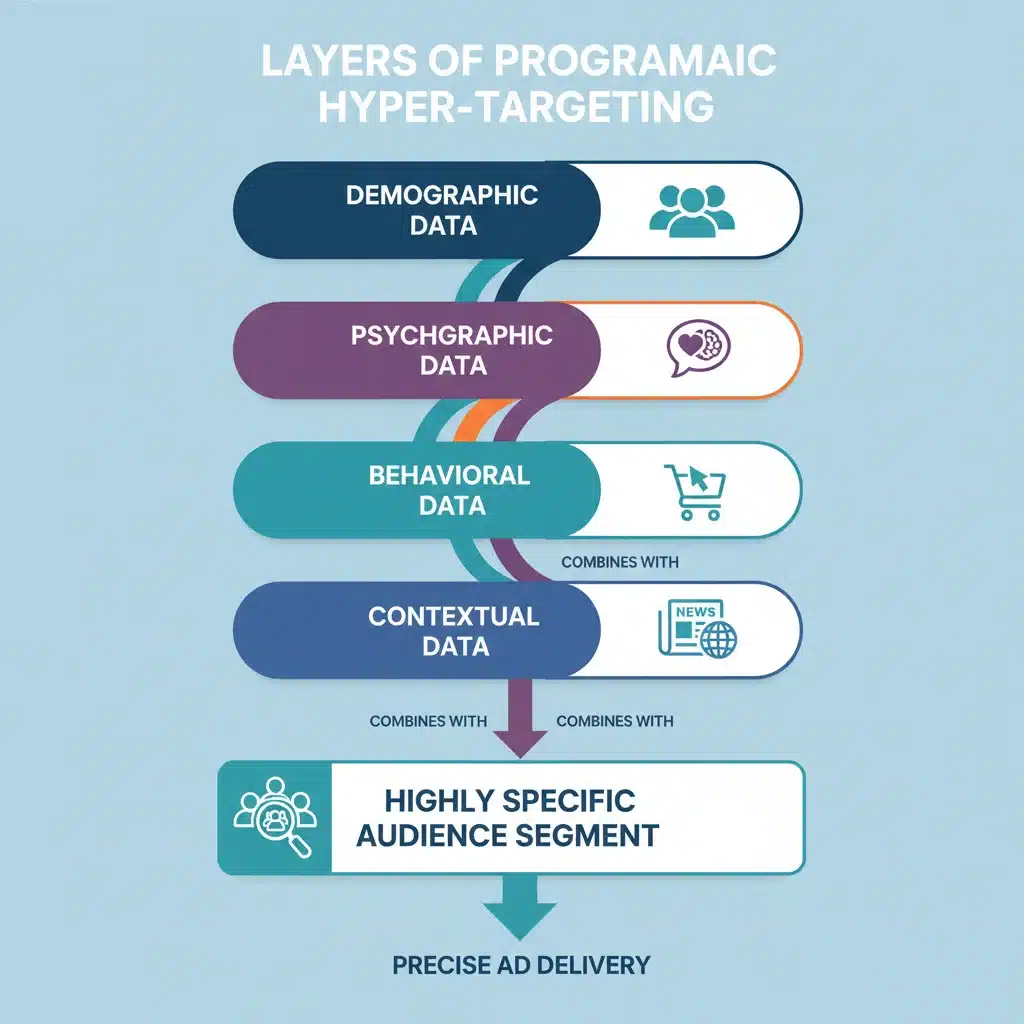
Hyper-targeting takes this a significant step further. It involves the use of vast amounts of data – both first-party (data collected directly by a business) and third-party (data aggregated from various sources) – to create incredibly granular audience segments. These segments are not just based on age or gender, but on a rich tapestry of attributes including:
- Demographics: Age, gender, income, education, marital status.
- Geographics: Location (down to zip code or even specific buildings), local events, weather patterns.
- Psychographics: Interests, hobbies, values, attitudes, lifestyle choices.
- Behavioral Data: Purchase history, browsing habits, app usage, search queries, website interactions, content consumption.
- Contextual Data: The content of the webpage or app where the ad is displayed, ensuring relevance to the user’s immediate environment.
- Intent Data: Signals indicating a user’s current intent to purchase or engage with a particular product or service.
By combining these layers of data, advertisers can construct highly specific user profiles, enabling them to deliver messages that resonate deeply with individual consumers. This level of precision minimizes ad waste and maximizes the likelihood of a positive response, directly contributing to higher engagement rates. The ability to identify and target niche audiences within the massive US market is a game-changer for brands looking to stand out.
The sophistication of modern data analytics and machine learning algorithms plays a crucial role here. These technologies process and interpret complex data sets at lightning speed, allowing for dynamic adjustments to campaigns in real-time. This means that as user behavior shifts, or as new data becomes available, the programmatic system can adapt its targeting parameters, ensuring continuous optimization and relevance. This dynamic nature is a key differentiator from traditional, static targeting methods.
The Engine of Engagement: How Programmatic Hyper-Targeting Works
The mechanics behind programmatic hyper-targeting are a complex yet elegant interplay of technology and data. Let’s break down the key components that drive its effectiveness:
Data Collection and Integration
The foundation of any successful hyper-targeting strategy is robust data. This includes:
- First-Party Data: Information gathered directly from your customers through your website, CRM, email lists, and apps. This is often the most valuable data as it reflects direct interaction with your brand.
- Second-Party Data: Data shared directly between two companies, often through a data partnership.
- Third-Party Data: Aggregated data purchased from data providers, offering broad insights into consumer behavior across the web.
These diverse data sources are integrated and harmonized within Data Management Platforms (DMPs) or Customer Data Platforms (CDPs). These platforms act as central repositories, allowing for a unified view of customer interactions and attributes, which is essential for creating rich audience segments for programmatic hyper-targeting.
Audience Segmentation and Profiling
Once data is collected and organized, advanced algorithms, often powered by AI, go to work. They analyze patterns, identify correlations, and create detailed audience segments. For instance, instead of targeting ‘women aged 25-34,’ a hyper-targeted segment might be ‘women aged 28-32, living in urban areas of California, interested in sustainable fashion, frequently browsing luxury travel websites, and recently searched for eco-friendly products.’ This level of detail ensures that ads are shown only to those most likely to be interested.
Real-Time Bidding (RTB) and Ad Serving
When a user visits a webpage or app, an ad impression becomes available. In milliseconds, demand-side platforms (DSPs) – the advertiser’s programmatic interface – analyze the user’s profile against the advertiser’s hyper-targeted segments. If there’s a match, the DSP automatically bids on the ad impression. The highest bidder wins, and the ad is served almost instantaneously. This entire process, from impression availability to ad display, happens in the blink of an eye, ensuring maximum relevance and efficiency.
Creative Optimization and Personalization
Hyper-targeting isn’t just about who sees the ad, but also what ad they see. Dynamic Creative Optimization (DCO) tools leverage the same data used for targeting to personalize ad creatives in real-time. This means different users within the same segment might see slightly varied ads – perhaps a different product image, a customized headline, or a localized call-to-action – all designed to resonate more strongly with their individual preferences and context. This level of personalization is a direct driver of the observed 12% engagement increase in the US.
Why 12% Better Engagement in the US Matters This Year
A 12% increase in engagement is not a number to be overlooked. In a competitive market like the US, where consumers are constantly bombarded with messages, such an improvement can translate into significant business benefits:
Improved ROI and Reduced Ad Waste
By targeting only those most likely to engage, advertisers drastically reduce wasted impressions. Every dollar spent is more likely to contribute to a meaningful interaction, leading to a higher return on ad spend (ROAS). This is particularly critical in an economic climate where every marketing dollar needs to work harder.
Enhanced Brand Perception and Customer Loyalty
When ads are relevant and helpful, consumers perceive the brand more positively. Irrelevant ads are often viewed as intrusive. Hyper-targeted ads, by contrast, feel more like a service, leading to a better user experience and fostering greater brand affinity and loyalty over time. This positive sentiment can have long-lasting effects on customer lifetime value.
Deeper Audience Insights
The continuous feedback loop in programmatic hyper-targeting provides invaluable insights into audience behavior. By analyzing which hyper-targeted segments respond best to certain creatives or offers, businesses gain a deeper understanding of their customer base, which can inform broader marketing strategies, product development, and even business decisions. This data-driven learning is a continuous advantage.
Competitive Advantage
Brands that effectively implement programmatic hyper-targeting will gain a significant edge over competitors still relying on less precise methods. In a crowded marketplace, the ability to consistently capture more attention and drive more meaningful interactions can be the difference between market leadership and obsolescence.
Adaptability to Evolving Privacy Regulations
While privacy concerns are paramount, programmatic hyper-targeting, when implemented responsibly and with a focus on privacy-compliant data sources (e.g., first-party data, contextual targeting), can offer a sustainable path forward. The industry is rapidly adapting to a cookieless future, and strategies that rely on diverse data signals rather than solely on third-party cookies will be more resilient.
Key Strategies for Implementing Programmatic Hyper-Targeting in the US
Achieving that 12% engagement uplift requires a strategic approach. Here are the core strategies for successful programmatic hyper-targeting in the US:
1. Embrace First-Party Data as Your Gold Standard
As third-party cookies face deprecation, first-party data becomes increasingly critical. Invest in robust data collection mechanisms on your website, CRM, and other owned channels. Leverage email sign-ups, customer loyalty programs, and direct purchase data to build rich customer profiles. This data is proprietary, highly accurate, and privacy-compliant by design (with proper consent management), forming the bedrock of effective hyper-targeting. For example, an e-commerce brand can use past purchase data to target customers with complementary products or re-engage those who have abandoned their carts.
2. Leverage Advanced AI and Machine Learning
The sheer volume and complexity of data involved in hyper-targeting necessitate the use of AI and machine learning. These technologies can:
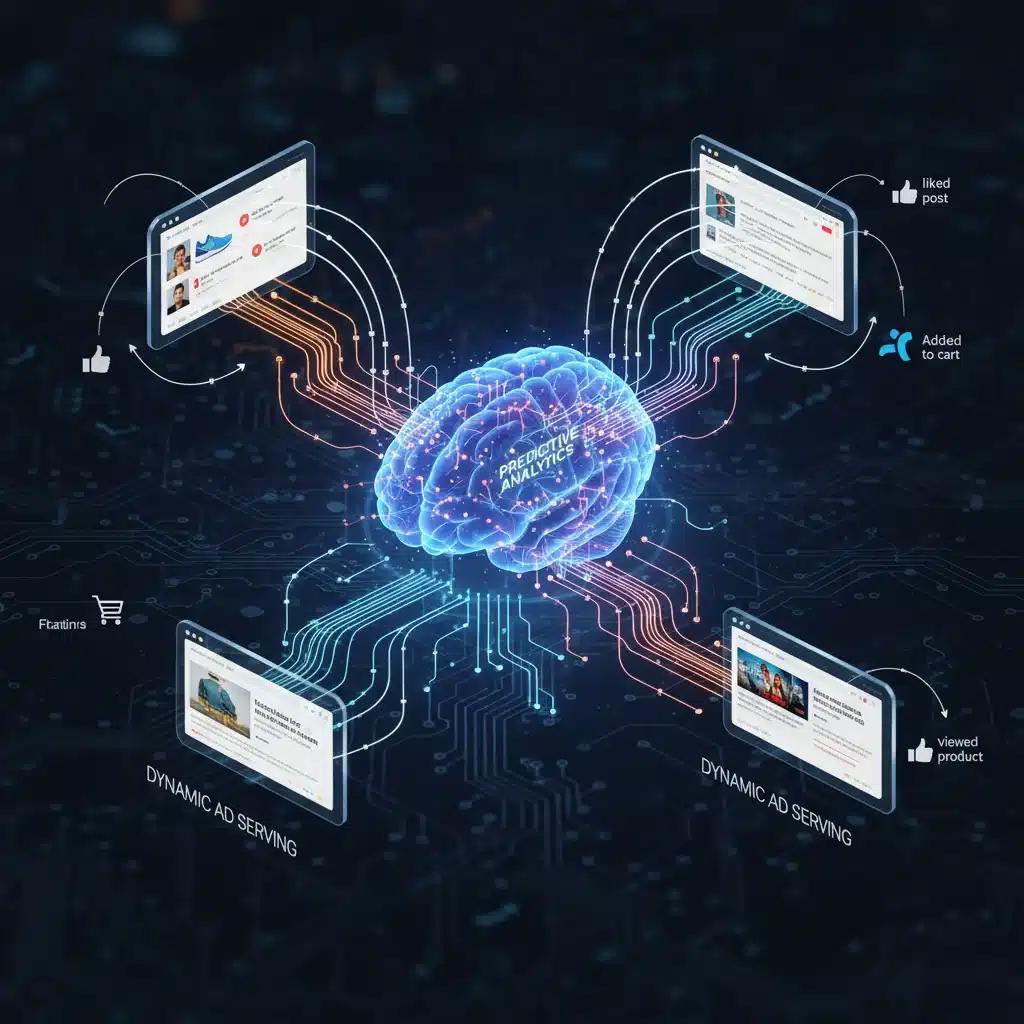
- Predictive Analytics: Forecast future customer behavior, identifying users most likely to convert or engage.
- Lookalike Modeling: Identify new audiences who share similar characteristics with your high-value customers.
- Sentiment Analysis: Understand the emotional tone of user-generated content to better tailor ad messaging.
- Automated Optimization: Continuously adjust bids, creatives, and targeting parameters in real-time for maximum performance.
Partnering with DSPs that offer advanced AI capabilities is essential for unlocking the full potential of programmatic hyper-targeting.
3. Focus on Cross-Channel and Omnichannel Integration
Consumers interact with brands across multiple touchpoints – websites, social media, mobile apps, email, and even physical stores. Effective hyper-targeting requires a unified view of these interactions. Integrate your programmatic efforts across various channels to ensure a consistent and cohesive customer journey. An omnichannel strategy allows you to track a user’s progress and tailor messages based on their last interaction, regardless of the platform.
4. Prioritize Contextual Targeting
Beyond audience demographics and behaviors, the context in which an ad appears is vital. Contextual targeting ensures your ads are displayed on webpages or apps whose content is highly relevant to your product or service. This method is becoming increasingly important in a privacy-first world, as it doesn’t rely on individual user data but rather on the content itself. For example, an ad for running shoes appearing on a sports news website focused on marathon training will naturally achieve higher engagement.
5. Implement Dynamic Creative Optimization (DCO)
Once you’ve identified your hyper-targeted segments, ensure your ad creatives are equally personalized. DCO allows for the automatic generation of multiple ad variations based on user data, real-time context, and performance. This means different users might see different headlines, images, calls-to-action, or even product recommendations within the same ad slot, all dynamically tailored to their individual profile. This level of personalization is a direct contributor to the 12% engagement boost.
6. Embrace Geofencing and Location-Based Targeting
For businesses with physical locations or those targeting specific geographic regions within the US, geofencing and location-based targeting are indispensable. This allows you to target users who are currently in, or have recently visited, specific geographical areas. Imagine a coffee shop targeting users within a 1-mile radius with a special offer during morning commute hours, or a retailer targeting users who frequently visit competitor stores. This precision drives immediate relevance and action.
7. Continuous Testing and Optimization
Programmatic hyper-targeting is not a set-it-and-forget-it strategy. The digital landscape, consumer behaviors, and market conditions are constantly changing. Continuous A/B testing of different audience segments, creative variations, bidding strategies, and landing pages is crucial. Utilize the analytics provided by your DSPs to identify what’s working and what’s not, and iterate accordingly. This agile approach to campaign management ensures sustained high engagement rates.
Challenges and Considerations for US Advertisers
While the benefits are clear, implementing programmatic hyper-targeting effectively in the US comes with its own set of challenges:
Data Privacy and Compliance
The US has a patchwork of privacy regulations, including state-specific laws like CCPA in California and emerging federal discussions. Advertisers must ensure their data collection and usage practices are fully compliant, obtaining necessary consents and being transparent with consumers. Non-compliance can lead to hefty fines and reputational damage.
Data Quality and Integration
The effectiveness of hyper-targeting hinges on the quality and completeness of your data. Poor data hygiene, fragmented data sources, or inaccurate information can undermine even the most sophisticated targeting efforts. Investing in data governance and robust integration strategies is paramount.
Talent and Expertise
Successfully managing programmatic hyper-targeting campaigns requires a specialized skill set. Advertisers need teams or partners with expertise in data science, AI, media buying, and creative optimization. The learning curve can be steep for those new to these advanced techniques.
Ad Fraud
The programmatic ecosystem, while efficient, is also susceptible to ad fraud. Advertisers must partner with reputable DSPs and utilize fraud detection tools to ensure their ad spend is reaching real human audiences and not bots.
Brand Safety
Ensuring your ads appear in brand-safe environments is crucial. Programmatic platforms offer tools and settings to prevent your ads from being displayed alongside inappropriate or harmful content, but continuous monitoring is still necessary.
The Future of Engagement: Beyond 12%
The 12% engagement increase projected for programmatic hyper-targeting in the US this year is just the beginning. As AI and machine learning continue to advance, and as advertisers become more adept at leveraging diverse data sets, the potential for even greater precision and personalization will grow. The future of advertising is undeniably hyper-personalized, real-time, and deeply integrated into the user experience.
Imagine a future where ads are not just relevant but anticipatory – predicting user needs before they even articulate them. This level of predictive advertising, driven by sophisticated AI, will further blur the lines between advertising and helpful content, leading to even higher levels of engagement and customer satisfaction. The continuous evolution of data sources, such as connected TV (CTV) data, gaming data, and even IoT data, will provide even richer insights for hyper-targeting.
Furthermore, the development of privacy-enhancing technologies (PETs) and new identity solutions will allow for highly effective targeting without compromising user privacy, addressing one of the biggest challenges facing the industry today. Brands that invest in these future-proof strategies now will be well-positioned to thrive in the evolving digital landscape.
Conclusion: Seizing the Hyper-Targeting Opportunity
The opportunity to achieve a 12% better engagement rate through programmatic hyper-targeting in the US this year is a compelling call to action for advertisers. This isn’t merely about incremental gains; it’s about fundamentally transforming how brands connect with their audiences. By embracing first-party data, leveraging advanced AI, integrating across channels, prioritizing contextual relevance, and continuously optimizing, businesses can unlock unprecedented levels of precision and personalization in their advertising efforts.
The shift towards programmatic hyper-targeting is not just a trend; it’s a strategic imperative for any brand looking to remain competitive and relevant in the dynamic US market. While challenges exist, the rewards – in terms of improved ROI, enhanced brand perception, and deeper customer understanding – far outweigh the complexities. By investing in the right technologies, expertise, and a data-driven mindset, advertisers can not only meet but exceed their engagement goals, forging stronger, more meaningful connections with their customers in 2024 and beyond. The time to harness the power of programmatic hyper-targeting is now.