Resilient Growth Teams: US Startup Strategies for 2026 Success

The startup landscape is a relentless arena, constantly shifting with technological advancements, market demands, and unforeseen global events. For US startups eyeing success in early 2026 and beyond, the ability to not just grow, but to grow resiliently, is paramount. Building resilient growth teams isn’t merely about assembling talented individuals; it’s about fostering an environment where adaptability, innovation, and unwavering commitment to objectives can thrive amidst uncertainty. This comprehensive guide delves into the strategies, philosophies, and practical steps top US startups are implementing to forge these formidable teams.
The Imperative of Resilient Growth Teams in 2026
In an era characterized by rapid change, the traditional growth model of relentless expansion, often at the expense of stability, is proving unsustainable. The market dynamics of early 2026 demand a new paradigm: one where growth is intrinsically linked with resilience. What exactly does it mean to have resilient growth teams? It signifies a team’s capacity to absorb shocks, adapt to new information, pivot strategies effectively, and continue advancing towards ambitious goals, even when faced with significant headwinds. This isn’t just about survival; it’s about thriving through adversity and leveraging challenges as catalysts for innovation.
Consider the recent shifts in consumer behavior, supply chain disruptions, and the accelerated pace of digital transformation. Startups that merely chase growth without building in mechanisms for resilience risk being brittle. A resilient team, on the other States, possesses a collective mindset that views obstacles not as roadblocks, but as puzzles to solve. They are characterized by strong communication, psychological safety, diverse skill sets, and a shared vision that anchors their efforts during turbulent times. The competitive advantage in 2026 will undoubtedly belong to those who master the art of cultivating these robust, adaptive units.
Defining Resilience in a Startup Context
For startups, resilience isn’t just about bouncing back; it’s about bouncing forward. It involves:
- Adaptability: The ability to quickly adjust strategies, processes, and even core offerings in response to market changes or new data.
- Anticipation: Proactively identifying potential risks and opportunities, rather than merely reacting to them.
- Learning Agility: A continuous appetite for learning from successes and failures, iterating rapidly.
- Resourcefulness: Maximizing available resources and finding creative solutions with constraints.
- Emotional Fortitude: Maintaining morale and focus during periods of uncertainty or stress.
Building resilient growth teams requires a conscious and continuous effort, integrating these principles into the very fabric of the company culture and operational framework. It’s an investment that pays dividends in sustained performance and market leadership.
Pillar 1: Cultivating a Culture of Psychological Safety and Open Communication
At the heart of any resilient team is a foundation of trust and open dialogue. Psychological safety, a term popularized by Google’s Project Aristotle, refers to a shared belief held by members of a team that the team is safe for interpersonal risk-taking. In an environment with high psychological safety, team members feel comfortable expressing dissenting opinions, admitting mistakes, asking questions, and proposing new ideas without fear of humiliation or punishment. This is particularly crucial for resilient growth teams, where innovation and rapid problem-solving are daily necessities.
Top US startups are actively working to embed psychological safety into their DNA. This involves:
- Leading by Example: Leaders openly admit their own mistakes, ask for help, and encourage constructive criticism.
- Encouraging Dissent: Creating forums and processes where team members are actively encouraged to challenge assumptions and offer alternative perspectives. This could be through anonymous feedback channels, dedicated ‘devil’s advocate’ roles in meetings, or structured brainstorming sessions.
- Framing Failure as Learning: Shifting the narrative around failure from a punitive event to a valuable learning opportunity. Post-mortems focus on systemic issues and process improvements, not individual blame.
- Active Listening and Empathy: Training managers and team members in active listening skills and fostering empathy to ensure everyone feels heard and understood.
- Clear Communication Channels: Establishing clear, accessible, and frequent communication channels across all levels of the organization. This reduces ambiguity and ensures everyone is aligned on goals and challenges.
When team members feel safe, they are more likely to take calculated risks, share critical information, and collaborate effectively, all of which are vital ingredients for building resilient growth teams. This cultural bedrock enables teams to navigate complex problems and adapt swiftly to changing circumstances without internal friction or fear paralyzing progress.
Pillar 2: Embracing Cross-Functional Collaboration and Agility
The siloed approach to team structure is a relic of the past, especially for dynamic startups. Resilient growth teams are inherently cross-functional, bringing together diverse expertise from different departments to tackle shared objectives. This breaks down communication barriers, fosters a holistic understanding of the business, and accelerates problem-solving. Imagine a marketing team working hand-in-hand with engineering and product development from the inception of a new feature; the result is a more cohesive product launch, better market fit, and faster iteration.
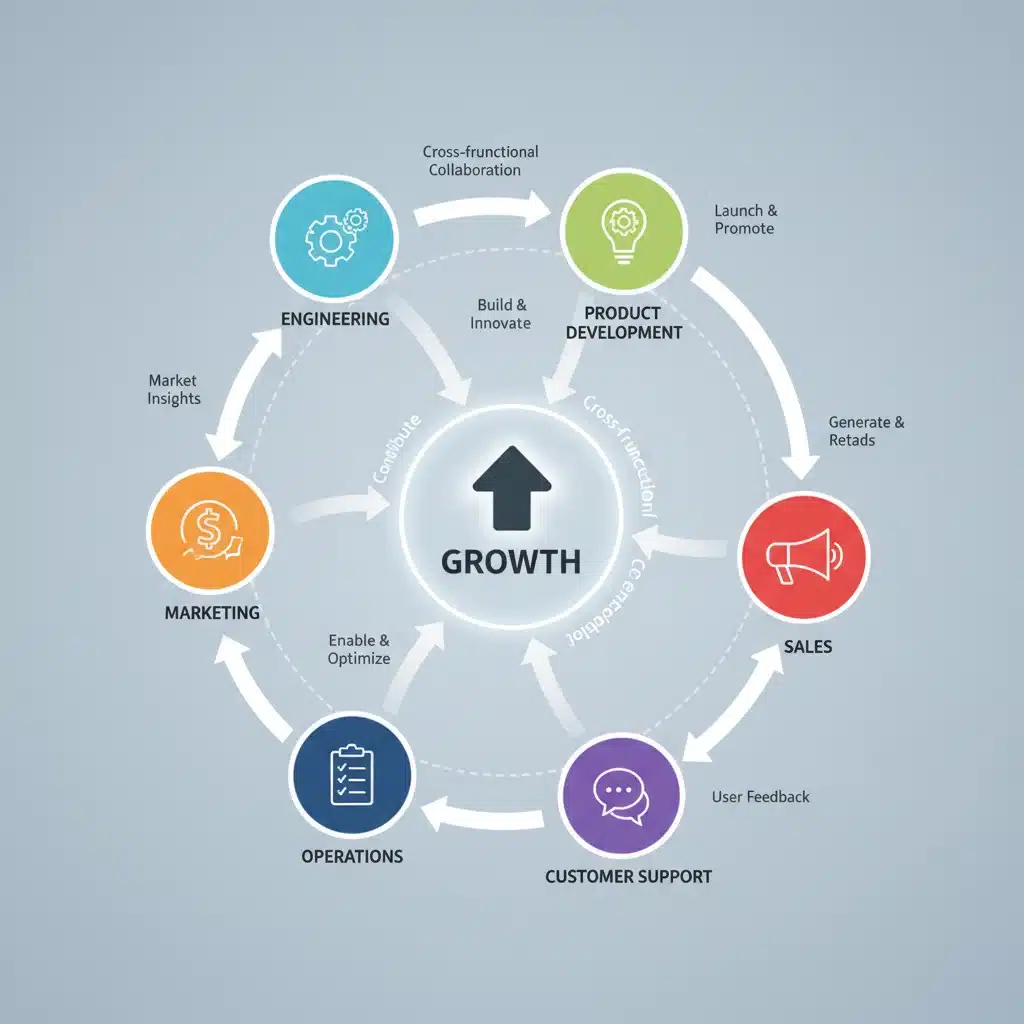
Agility, derived from agile methodologies, is another critical component. It’s about iterative development, continuous feedback loops, and the ability to pivot quickly based on new information. For resilient growth teams, this means:
- Small, Empowered Teams: Organizing into small, autonomous units (squads, pods) that have the authority and resources to make decisions and execute.
- Iterative Development Cycles: Adopting methodologies like Scrum or Kanban to break down large projects into smaller, manageable sprints, allowing for frequent review and adaptation.
- Continuous Feedback Loops: Implementing mechanisms for constant feedback from customers, market, and internal stakeholders to inform ongoing development and strategy.
- Shared Ownership of Goals: Ensuring that all team members understand and take ownership of overarching company goals, not just their individual tasks.
By fostering cross-functional collaboration and embedding agile practices, startups equip their teams to respond to challenges with speed and precision, transforming potential setbacks into opportunities for innovation and growth. This interconnectedness is a hallmark of truly resilient growth teams.
Pillar 3: Investing in Continuous Learning and Skill Development
The technological landscape evolves at an unprecedented pace, making continuous learning not just a benefit, but a necessity. Resilient growth teams are composed of individuals who are lifelong learners, eager to acquire new skills and adapt to emerging technologies and methodologies. Top US startups understand that their competitive edge is directly tied to the knowledge and capabilities of their people. They don’t just hire for current skills; they hire for learning potential and provide the resources for ongoing development.
Strategies for fostering a learning culture include:
- Dedicated Learning Budgets: Allocating specific funds for courses, certifications, conferences, and workshops.
- Internal Knowledge Sharing: Encouraging team members to share their expertise through internal workshops, lunch-and-learns, or mentorship programs.
- Experimentation and R&D Time: Providing dedicated time for employees to explore new tools, technologies, or ideas, even if they aren’t directly related to current projects. Google’s ‘20% time’ is a classic example of this.
- Access to Online Learning Platforms: Subscribing to platforms like Coursera, Udemy for Business, or LinkedIn Learning to offer a wide range of educational resources.
- Performance Reviews Focused on Growth: Integrating learning and skill development goals into performance reviews and career progression discussions.
A team that is constantly learning is a team that is constantly improving. This continuous evolution of skills ensures that the startup remains at the forefront of innovation, capable of tackling complex problems with fresh perspectives and cutting-edge solutions. It’s a critical component in building truly resilient growth teams.
Pillar 4: Data-Driven Decision Making and Experimentation
Gut feelings and intuition have their place, but in the fast-paced startup world of 2026, data-driven decision-making is indispensable for building resilient growth teams. Startups are drowning in data, but the key is to transform this data into actionable insights. This involves establishing robust analytics infrastructure, defining clear KPIs, and fostering a culture where hypotheses are tested and decisions are validated by evidence.
Key practices include:
- Establishing a Data Culture: Ensuring that data literacy is widespread across the organization, not just confined to data analysts. Everyone should understand how to access, interpret, and apply data.
- Defining Clear KPIs: Identifying the key performance indicators that truly matter for growth and resilience, and tracking them diligently.
- A/B Testing and Experimentation: Continuously running experiments (e.g., A/B tests on website features, marketing campaigns) to validate assumptions and optimize strategies.
- Predictive Analytics: Leveraging advanced analytics to anticipate market shifts, customer needs, and potential risks, allowing for proactive adjustments.
- Regular Data Reviews: Holding regular meetings where teams review performance data, discuss insights, and adjust strategies accordingly.
When decisions are rooted in data, they are less susceptible to individual biases and more likely to lead to optimal outcomes. This methodical approach to growth ensures that resources are allocated effectively and that the team can pivot with confidence when data suggests a change in direction. This is a cornerstone of effective resilient growth teams.
Pillar 5: Prioritizing Well-being and Preventing Burnout
Resilience isn’t just about organizational structure or processes; it’s also deeply personal. A team of burnt-out individuals cannot be a resilient team. The intense demands of startup life can easily lead to stress and exhaustion, undermining productivity and innovation. Top US startups understand that prioritizing employee well-being is not a perk, but a strategic imperative for building resilient growth teams.
Strategies for promoting well-being and preventing burnout include:
- Promoting Work-Life Balance: Encouraging reasonable working hours, discouraging constant ‘always-on’ culture, and promoting the use of vacation time.
- Mental Health Support: Providing access to mental health resources, such as counseling services, EAPs (Employee Assistance Programs), or mindfulness programs.
- Flexible Work Arrangements: Offering flexibility in terms of work hours, remote work options, or hybrid models to accommodate individual needs.
- Recognition and Appreciation: Regularly acknowledging and celebrating team achievements and individual contributions to boost morale and foster a sense of value.
- Open Dialogue on Stress: Creating a safe space for employees to discuss stress and challenges without fear of judgment.
- Leading by Example: Managers and leaders demonstrating healthy work-life boundaries and self-care practices.
A well-rested, mentally healthy team is a more engaged, creative, and productive team. By investing in the well-being of their employees, startups are building a stronger, more sustainable foundation for their resilient growth teams, ensuring they can weather any storm and continue to innovate.
Pillar 6: Strategic Resource Allocation and Frugality
Startups, by nature, operate with limited resources. Building resilient growth teams requires a strategic approach to resource allocation, ensuring that every dollar, every hour, and every person is deployed effectively. This isn’t about being cheap; it’s about being smart and maximizing impact. In early 2026, capital might not be as freely available as in previous years, making judicious resource management even more critical.
Key aspects of strategic resource allocation include:
- Prioritization Frameworks: Implementing clear frameworks (e.g., ICE scoring, RICE scoring, MoSCoW method) to prioritize projects and initiatives based on their potential impact and alignment with strategic goals.
- Lean Operations: Adopting lean principles to eliminate waste, streamline processes, and focus on delivering maximum value with minimal resources.
- Automation: Investing in automation tools to reduce manual effort, improve efficiency, and free up human capital for higher-value tasks.
- Vendor Management: Carefully evaluating and negotiating with vendors to ensure cost-effectiveness and value.
- Talent Optimization: Ensuring that team members are working on tasks that best leverage their skills and contribute most to the company’s objectives. This might involve upskilling existing employees rather than always hiring new ones.
A lean and efficient operation provides a buffer against economic downturns and allows the startup to pivot more easily without being burdened by excessive overheads. This financial and operational resilience is a core characteristic of resilient growth teams.
Pillar 7: Visionary Leadership and Empowerment
Ultimately, the success of building resilient growth teams rests on the shoulders of visionary leadership. Leaders must not only articulate a compelling vision but also empower their teams to achieve it. This involves a shift from a command-and-control style to one that fosters autonomy, trust, and shared responsibility.
Effective leadership for resilient teams includes:
- Clear Vision and Purpose: Articulating a clear, inspiring vision that connects individual contributions to the larger mission, providing a compass during uncertain times.
- Empowerment and Autonomy: Delegating authority and trusting teams to make decisions, giving them ownership over their work and outcomes.
- Coaching and Mentorship: Providing guidance, support, and opportunities for growth rather than simply dictating tasks.
- Transparency: Being open about challenges, successes, and strategic shifts, fostering a sense of shared understanding and collective responsibility.
- Emotional Intelligence: Demonstrating empathy, self-awareness, and the ability to manage emotions effectively, especially during high-pressure situations.
Leaders who embody these qualities create an environment where teams feel valued, motivated, and capable of navigating complex challenges. This kind of leadership is foundational to cultivating strong, resilient growth teams that can drive sustained success.

Measuring the Resilience of Your Growth Team
Building resilient growth teams is an ongoing process, and it’s essential to have mechanisms in place to measure their effectiveness. While some aspects of resilience are qualitative, several metrics can provide valuable insights:
- Employee Engagement Scores: High engagement often correlates with higher resilience and adaptability.
- Turnover Rates: Lower voluntary turnover indicates a healthier, more stable team.
- Project Success Rates: The ability to consistently deliver on projects, even when faced with unexpected challenges.
- Time to Market: The speed at which new products or features are developed and launched.
- Customer Satisfaction (CSAT/NPS): A resilient team is often better equipped to meet and exceed customer expectations.
- Adaptability Metrics: Tracking how quickly teams can pivot strategies or adopt new technologies.
- Psychological Safety Surveys: Regular pulse surveys to gauge team members’ feelings of safety and openness.
By regularly assessing these metrics, startups can identify areas for improvement and continuously refine their approach to building resilient growth teams. This data-driven feedback loop is crucial for ensuring that efforts are yielding tangible results.
Case Studies: US Startups Exemplifying Resilience (Early 2026 Context)
While specific company names and their exact strategies for early 2026 are proprietary, we can observe patterns from successful US startups that embody the principles of resilient growth teams:
The SaaS Innovator: Rapid Feature Adaptation
A prominent SaaS startup in the FinTech space faced unexpected regulatory changes that threatened a core product feature. Instead of panicking, their cross-functional product and legal teams, operating with high psychological safety, quickly collaborated. They leveraged agile sprints to re-engineer the feature within weeks, not months, and communicated transparently with their user base throughout the process. Their data-driven approach allowed them to identify the most critical user workflows to preserve, and their continuous learning culture meant their engineers rapidly upskilled on new compliance requirements. This agility and collaborative spirit allowed them to not only survive the regulatory shift but emerge with a more robust and compliant product, demonstrating the power of resilient growth teams.
The Biotech Pioneer: Pivoting in Research
A biotech startup, deep into a promising research path, encountered unforeseen scientific hurdles that rendered their initial hypothesis unviable. This could have been a fatal blow. However, their leadership had cultivated a culture where failure was viewed as a learning opportunity. The research team, empowered to experiment and equipped with strong analytical skills, quickly analyzed the ‘failed’ data, identifying unexpected new avenues. They pivoted their research focus, leveraging existing resources and internal knowledge sharing, leading them to a breakthrough in an adjacent field. Their investment in continuous learning and a supportive environment allowed them to turn a potential disaster into a new growth trajectory, showcasing the profound impact of resilient growth teams.
The E-commerce Disruptor: Supply Chain Agility
An e-commerce startup specializing in niche artisanal products faced severe supply chain disruptions due to geopolitical events. Their resilient growth teams, particularly in operations and sales, quickly initiated a multi-pronged strategy. They used data analytics to identify alternative suppliers in new regions, proactively communicated potential delays to customers, and even diversified their product offerings to include locally sourced alternatives. Their strong internal communication and empowered decision-making at the team level allowed them to adapt their inventory, logistics, and marketing messages with unprecedented speed, maintaining customer loyalty and even discovering new market segments. This highlights how resilient growth teams can transform external shocks into opportunities for strategic realignment and expansion.
These examples underscore a common thread: these startups didn’t just react; they had built the internal capacity to adapt, innovate, and thrive under pressure. Their investment in people, culture, and process created the bedrock for their resilience.
Conclusion: The Future is Resilient
As US startups navigate the complexities of early 2026 and beyond, the blueprint for sustained success is clear: build resilient growth teams. This isn’t a one-time project but an ongoing commitment to fostering a culture of psychological safety, embracing cross-functional agility, investing in continuous learning, driving decisions with data, prioritizing employee well-being, and practicing strategic resource allocation, all under the guidance of visionary leaders.
The startups that will not only survive but flourish in the coming years will be those that recognize their people as their greatest asset and empower them to adapt, innovate, and overcome. By implementing the strategies outlined in this guide, US startups can cultivate the kind of resilient growth teams that are not just prepared for the future, but actively shaping it, ensuring robust and sustainable growth no matter what challenges lie ahead.
The journey to building these teams is challenging but immensely rewarding. It requires dedication, foresight, and a profound belief in the power of human potential. For those willing to make the investment, the returns will be measured not just in market share and revenue, but in the creation of dynamic, adaptable, and truly future-proof organizations.