Flexible Work Benefits: 2026 U.S. Employer Offerings & Employee Satisfaction
Flexible Work Benefits: A 2026 Comparison of U.S. Employer Offerings and Employee Satisfaction
The landscape of work has undergone a seismic shift, particularly in the United States, where the concept of the traditional 9-to-5 office job has been continually re-evaluated and reshaped. As we navigate through 2026, the discussion around flexible work benefits is more pertinent than ever. Employers are grappling with the challenge of attracting and retaining top talent in a competitive market, while employees increasingly prioritize work-life balance, autonomy, and well-being. This comprehensive article delves into the current state of flexible work benefits in the U.S., comparing employer offerings with employee satisfaction and outlining the trends that are defining the future of work.
The COVID-19 pandemic acted as a catalyst, accelerating the adoption of remote and hybrid work models. What began as a necessity has evolved into a preferred mode of operation for many, proving that productivity can thrive outside conventional office walls. This evolution has led to a redefinition of what constitutes a ‘good’ benefits package, with flexibility now sitting high on the list, often alongside traditional benefits like health insurance and retirement plans. Understanding the nuances of these benefits and their impact on employee morale and organizational success is crucial for any forward-thinking business.
The Evolving Definition of Flexible Work Benefits
In 2026, flexible work benefits encompass a broad spectrum of arrangements designed to provide employees with greater control over where, when, and how they work. It’s no longer just about working from home; it’s about a holistic approach to employee autonomy and well-being. These benefits are not merely perks but strategic tools that can significantly influence a company’s culture, productivity, and bottom line. The key components typically include:
- Remote Work Options: Ranging from fully remote to hybrid models, allowing employees to work from a location of their choice, either permanently or for a portion of their work week.
- Flexible Hours (Flextime): Giving employees the ability to adjust their start and end times, or even compress their work week into fewer, longer days, as long as core business needs are met.
- Compressed Workweeks: Working a standard number of hours in fewer than five days, such as four 10-hour days.
- Job Sharing: Two part-time employees sharing the responsibilities of one full-time position.
- Sabbaticals and Extended Leave: Offering opportunities for employees to take extended periods away from work for personal development, travel, or rest, often with some form of pay or job security.
- Unlimited Paid Time Off (PTO): A policy that allows employees to take as much time off as they need, provided their work is completed and approved by their manager.
- Work-From-Anywhere Policies: Allowing employees to work from different states or even countries for extended periods, subject to tax and legal considerations.
- Stipends for Home Office Setups: Financial support for employees to create a comfortable and productive home workspace.
The attractiveness of these benefits varies greatly among different demographics and industries. Younger generations, in particular, often view flexibility as a non-negotiable aspect of their employment. Companies that fail to adapt risk being left behind in the talent acquisition race.
Employer Offerings in 2026: A Snapshot
As of 2026, U.S. employers have largely embraced some form of flexible work, but the depth and breadth of their offerings vary significantly. A recent survey conducted by a leading HR consultancy firm indicates that:
- 85% of U.S. companies now offer some form of hybrid work model, allowing employees to split their time between the office and a remote location. This has become the new standard for many knowledge-based industries.
- 60% provide flextime options, empowering employees to adjust their daily schedules.
- 35% have implemented compressed workweeks, particularly in sectors where project-based work is prevalent.
- A growing 15% are experimenting with unlimited PTO, though its implementation often comes with careful guidelines to prevent misuse and ensure business continuity.
- Less than 10% offer true ‘work-from-anywhere’ policies, primarily due to complex legal, tax, and compliance challenges associated with international employment.
The financial services, technology, and marketing sectors are leading the charge in offering comprehensive flexible work benefits. In contrast, industries such as manufacturing, healthcare (patient-facing roles), and retail continue to face significant challenges in implementing widespread flexibility due to the nature of their operations. However, even in these sectors, creative solutions like shift swapping apps, flexible scheduling for administrative roles, and enhanced parental leave policies are emerging.
Many employers are also investing in technology to support flexible work, including advanced collaboration tools, secure remote access systems, and virtual meeting platforms. The focus has shifted from simply allowing remote work to actively enabling a seamless and productive experience regardless of location.
Employee Satisfaction: Bridging the Gap Between Offerings and Expectations
While employer offerings have expanded, employee satisfaction with flexible work benefits isn’t uniformly high. There’s often a gap between what is offered and what employees truly desire or feel is effectively implemented. Research suggests several key factors influencing employee satisfaction:
- Autonomy vs. Mandate: Employees value true autonomy. When flexible work is mandated or comes with rigid rules, satisfaction can decrease. The perception of choice is critical.
- Managerial Support: The success of flexible work heavily relies on supportive and trained managers. Managers who trust their teams and understand how to manage remote or hybrid employees effectively contribute significantly to higher satisfaction.
- Equity and Fairness: Employees observe how flexible benefits are applied across the organization. Any perceived favoritism or inconsistent application can lead to resentment and lower satisfaction.
- Workload and Boundaries: While flexibility offers freedom, it can also blur the lines between work and personal life. Employees are more satisfied when companies help them establish healthy boundaries and manage workloads effectively, preventing burnout.
- Connection and Culture: Remote and hybrid work can sometimes lead to feelings of isolation. Companies that actively foster virtual and in-person connection, maintain a strong company culture, and provide opportunities for social interaction tend to have more satisfied employees.
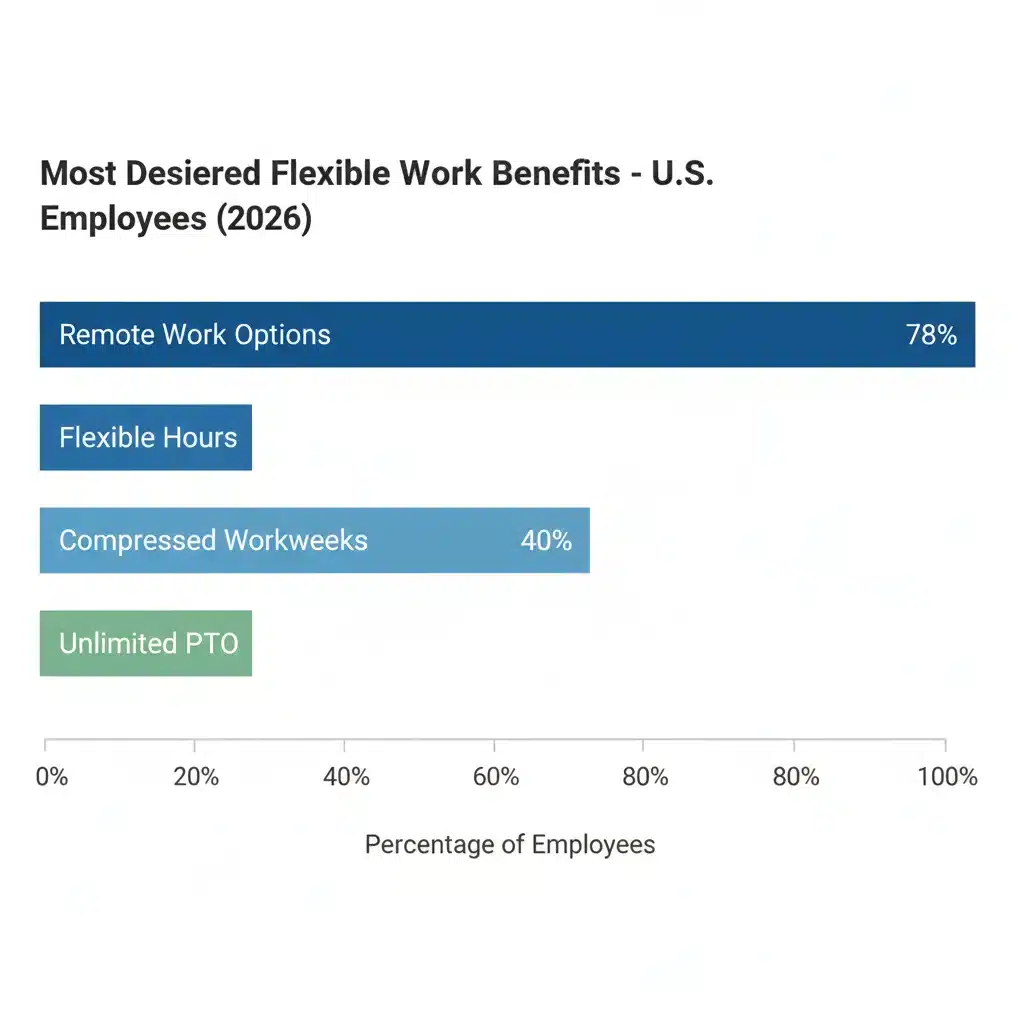
A recent employee satisfaction survey revealed that:
- 70% of employees are satisfied with their current remote/hybrid work options, indicating a general acceptance and appreciation for this flexibility.
- However, only 55% feel their managers are adequately trained to support flexible teams, highlighting a significant area for improvement.
- 40% report struggling with work-life boundaries, even with flexible arrangements in place, pointing to a need for better organizational support in this area.
- 30% expressed a desire for more comprehensive mental health support integrated into their flexible work benefits package, recognizing the unique stresses associated with non-traditional work setups.
These figures underscore that simply offering flexible options isn’t enough; the quality of implementation and the supportive ecosystem around these benefits are equally, if not more, important for genuine employee satisfaction.
The Business Case for Robust Flexible Work Benefits
The benefits of a well-executed flexible work benefits strategy extend far beyond employee morale. For businesses, the advantages are tangible and directly impact organizational performance:
1. Enhanced Talent Attraction and Retention: In a competitive job market, companies offering attractive flexible work options have a significant edge. They can tap into a wider talent pool, including individuals who might not be able to work in a traditional office setting due to geographical constraints, caregiving responsibilities, or personal preferences. This also reduces turnover, as employees are less likely to leave a role that provides them with the work-life balance they desire.
2. Increased Productivity and Engagement: When employees have more control over their schedules and work environment, they often report higher levels of focus and productivity. Reduced commute times, fewer distractions, and the ability to work during their peak productivity hours can lead to better output. Furthermore, feeling trusted and empowered through flexible arrangements boosts engagement and a sense of ownership.
3. Cost Savings for Employers: While there are initial investments in technology and infrastructure, flexible work models can lead to significant cost savings. Reduced office space requirements, lower utility bills, and decreased expenditure on office supplies and amenities can free up resources for other strategic investments.
4. Improved Employee Well-being and Mental Health: Flexible work can alleviate stress associated with commutes, rigid schedules, and work-life conflict. This leads to improved mental health, reduced absenteeism, and a healthier workforce overall. Companies that prioritize employee well-being through flexibility build a more resilient and compassionate culture.
5. Greater Diversity and Inclusion: Flexible work arrangements can make employment accessible to a broader range of individuals, including those with disabilities, parents, caregivers, and individuals living in remote areas. This fosters a more diverse and inclusive workforce, bringing varied perspectives and experiences that can drive innovation.
6. Business Continuity and Resilience: The ability to operate effectively regardless of external circumstances (like pandemics, natural disasters, or transportation disruptions) is a critical advantage. A flexible work infrastructure ensures that businesses can continue functioning, minimizing downtime and maintaining service delivery.
Challenges and How to Overcome Them
Despite the numerous advantages, implementing and managing flexible work benefits is not without its challenges. Employers often face hurdles such as:
- Maintaining Company Culture: Ensuring a cohesive and connected company culture when employees are dispersed can be difficult. Strategies like regular virtual team-building activities, in-person meetups, and clear communication channels are vital.
- Ensuring Fair Performance Management: Evaluating performance based on output rather than presence requires a shift in managerial mindset and robust performance management systems. Clear goals, regular feedback, and objective metrics are essential.
- Cybersecurity Risks: Remote work can introduce new cybersecurity vulnerabilities. Investing in secure networks, providing cybersecurity training, and implementing strong data protection policies are non-negotiable.
- Technology Integration and Support: Providing reliable technology and IT support for a distributed workforce is crucial. This includes ensuring employees have the necessary hardware, software, and technical assistance.
- Legal and Compliance Issues: Working across different states or countries can trigger complex legal, tax, and employment law considerations. Companies need to consult legal experts and establish clear policies to remain compliant.
- Preventing Burnout: The flexibility that allows employees to work anytime can also lead to them working all the time. Employers must actively promote work-life boundaries, encourage breaks, and monitor workloads to prevent burnout.

Overcoming these challenges requires a proactive and strategic approach. It involves investing in leadership training, robust technology, clear communication frameworks, and a continuous feedback loop with employees to understand their evolving needs.
The Future of Flexible Work Benefits: What’s Next for 2026 and Beyond
Looking ahead, the evolution of flexible work benefits is expected to continue at a rapid pace. Several emerging trends are likely to shape the landscape in 2026 and beyond:
1. Hyper-Personalization of Benefits: Generic flexible work policies will give way to more personalized options. Employers will leverage data and AI to understand individual employee preferences and offer tailored benefits packages that truly meet their needs, whether it’s a specific hybrid schedule, a compressed workweek, or a stipend for childcare.
2. Focus on "Work-Life Integration" over "Work-Life Balance": The concept will shift from balancing two separate entities to integrating work seamlessly into one’s life. This means policies that support not just flexibility in hours but also in how personal appointments, family responsibilities, and professional development are woven into the workday.
3. Emphasis on "Right to Disconnect" Policies: As the lines between work and home blur, more companies will adopt formal "right to disconnect" policies, ensuring employees are not expected to respond to communications outside of designated work hours. This is crucial for preventing burnout and promoting mental well-being.
4. Expansion of Global Remote Work: While currently limited, advancements in legal and tax frameworks, coupled with a greater understanding of managing international teams, will likely lead to an increase in true "work-from-anywhere" opportunities, allowing companies to tap into a truly global talent pool.
5. AI and Automation for Flexible Work Management: AI-powered tools will play a larger role in managing flexible workforces, from optimizing schedules and resource allocation to monitoring employee well-being and identifying potential burnout risks. This will streamline administrative tasks and provide data-driven insights for HR.
6. The "Flexibility Dividend" as a Competitive Advantage: Companies that master the art of offering effective and meaningful flexible work benefits will reap a "flexibility dividend" – superior talent, higher engagement, better innovation, and enhanced brand reputation. This will become a key differentiator in the marketplace.
Crafting a Winning Flexible Work Strategy
For organizations looking to optimize their flexible work benefits and maximize employee satisfaction in 2026, several strategic steps are essential:
- Conduct Regular Employee Surveys: Understand what your employees truly value and what challenges they face with current flexible arrangements. Use this data to inform policy changes.
- Invest in Manager Training: Equip managers with the skills to lead and support remote and hybrid teams effectively, focusing on trust, communication, and performance management.
- Prioritize Technology and Infrastructure: Ensure all employees have access to reliable tools and secure systems that enable seamless collaboration and productivity regardless of their location.
- Develop Clear Policies and Guidelines: Establish transparent expectations around availability, communication, and performance, ensuring fairness and consistency across the organization.
- Foster a Culture of Trust and Autonomy: Empower employees to make decisions about how and when they work, within reasonable boundaries, and focus on outcomes rather than hours.
- Promote Well-being and Boundaries: Actively encourage employees to take breaks, disconnect after hours, and utilize mental health resources.
- Review and Adapt Continuously: The world of work is dynamic. Regularly review your flexible work policies and adapt them based on feedback, industry trends, and business needs.
The journey towards an optimally flexible workplace is ongoing. It requires continuous learning, adaptation, and a genuine commitment to employee well-being and empowerment. Those organizations that embrace this journey will not only thrive in 2026 but will also build a sustainable and future-proof workforce.
Conclusion
The year 2026 marks a pivotal point in the evolution of work, with flexible work benefits firmly established as a cornerstone of modern employment. U.S. employers are increasingly recognizing the strategic imperative of offering diverse and meaningful flexible options, moving beyond mere perks to fundamental components of their talent strategy. While progress has been made in expanding offerings, the key to unlocking true employee satisfaction lies in effective implementation, strong managerial support, and a sustained focus on well-being and work-life integration.
As businesses continue to navigate the complexities of a hybrid and distributed workforce, those that prioritize understanding and responding to employee needs, while simultaneously addressing operational challenges, will emerge as leaders. The future of work is undeniably flexible, and companies that embrace this reality with thoughtful, human-centric strategies will be best positioned to attract, retain, and empower the talent essential for success in the years to come.