Automation’s Impact: 7 Strategies for U.S. Businesses to Retain Talent Through 2026
The landscape of work in the United States is undergoing a profound transformation, driven largely by the relentless march of automation. As artificial intelligence, robotics, and advanced software continue to integrate into virtually every industry, U.S. businesses are grappling with a dual challenge: maximizing the efficiency gains from these technologies while simultaneously ensuring they retain their most valuable asset – their human talent. The period leading up to 2026 promises to be a critical juncture, where strategic decisions made today will determine the long-term success and resilience of organizations.
The fear that automation will simply replace human jobs is a common, yet often oversimplified, narrative. While some roles will undoubtedly be automated, a more nuanced understanding reveals that automation often augments human capabilities, shifts job requirements, and creates entirely new roles. The real challenge for businesses isn’t just about managing job displacement; it’s about proactively adapting their workforce strategies to leverage automation as a catalyst for growth, innovation, and enhanced employee value. This means focusing intensely on talent retention automation strategies that empower employees, rather than diminishing their roles.
Retaining talent in an era of rapid technological change requires a multi-faceted approach. Employees are increasingly seeking not just competitive compensation, but also opportunities for growth, purpose, and a supportive work environment. When automation handles repetitive tasks, it frees up human workers to focus on more complex, creative, and strategic endeavors – areas where human ingenuity remains irreplaceable. However, without clear strategies, this shift can lead to anxiety, skill gaps, and ultimately, a loss of valuable employees. This article will delve into seven critical strategies that U.S. businesses can implement to effectively retain talent through 2026 and beyond, ensuring a symbiotic relationship between human potential and technological advancement.
1. Invest Heavily in Upskilling and Reskilling Programs
The most direct way to mitigate the perceived threat of automation and secure your workforce’s future is through robust upskilling and reskilling initiatives. As automation takes over routine tasks, employees need to acquire new skills that complement these technologies. This isn’t just about learning to use new software; it’s about developing higher-order cognitive skills, such as critical thinking, problem-solving, creativity, emotional intelligence, and complex communication, which are inherently human and difficult to automate.
U.S. businesses must move beyond traditional training models and embrace continuous learning as a core organizational value. This involves:
- Identifying Future Skill Gaps: Proactively analyze how automation will impact various roles within the organization and predict the skills that will be in demand by 2026. Tools leveraging AI can assist in this foresight, mapping current employee skills against future needs.
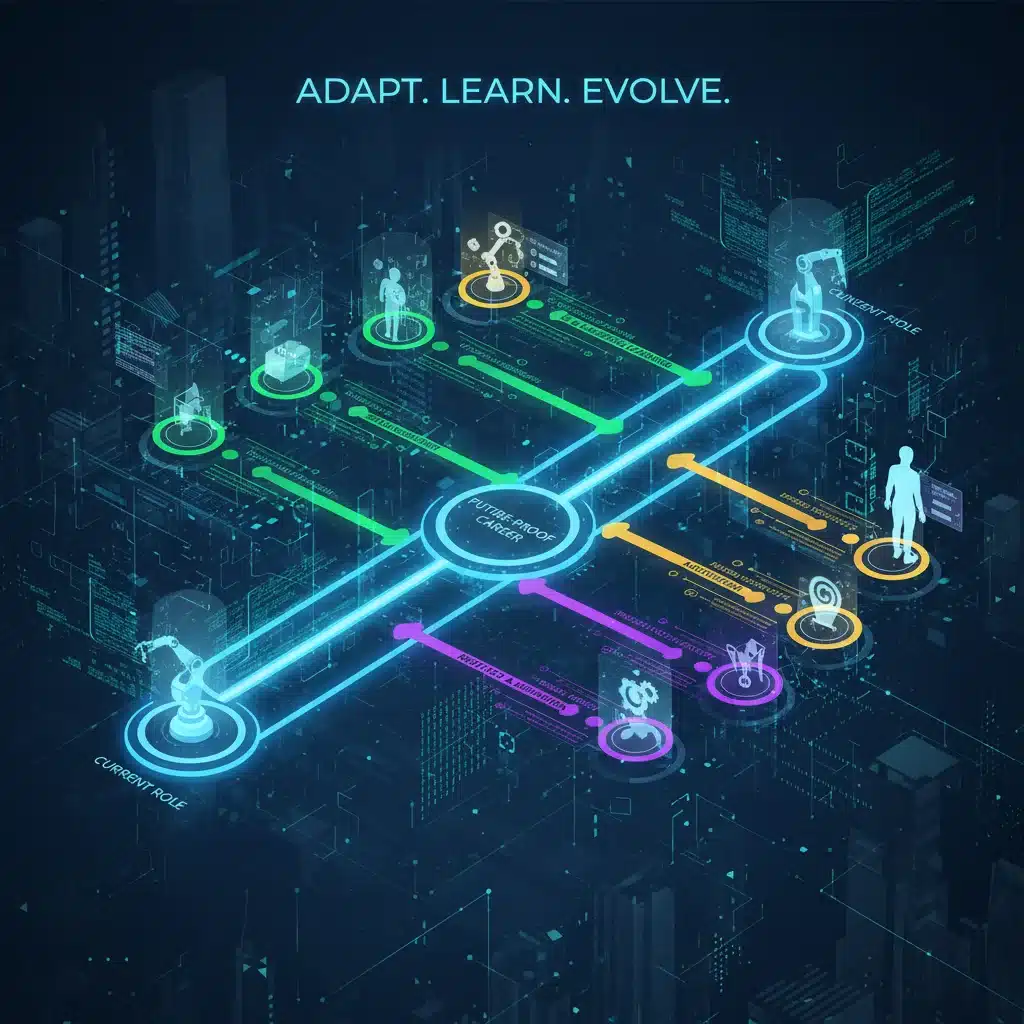
- Personalized Learning Paths: Offer tailored learning experiences that cater to individual employee needs and career aspirations. This could include online courses, certifications, apprenticeships, internal mentorship programs, and cross-functional project assignments.
- Accessibility and Flexibility: Make learning resources easily accessible and flexible, allowing employees to integrate training into their work schedules. This might involve micro-learning modules, virtual reality simulations, or dedicated learning days.
- Incentivizing Learning: Recognize and reward employees for acquiring new skills. This could be through promotions, bonuses, or public acknowledgment, demonstrating that the company values continuous development.
By investing in their employees’ growth, businesses not only prepare their workforce for future challenges but also foster a sense of loyalty and commitment. Employees are more likely to stay with an organization that actively supports their professional evolution, seeing it as an investment in their long-term career rather than a stopgap measure. This proactive approach to talent retention automation ensures that your workforce remains relevant and valuable.
2. Redefine Job Roles and Create Hybrid Positions
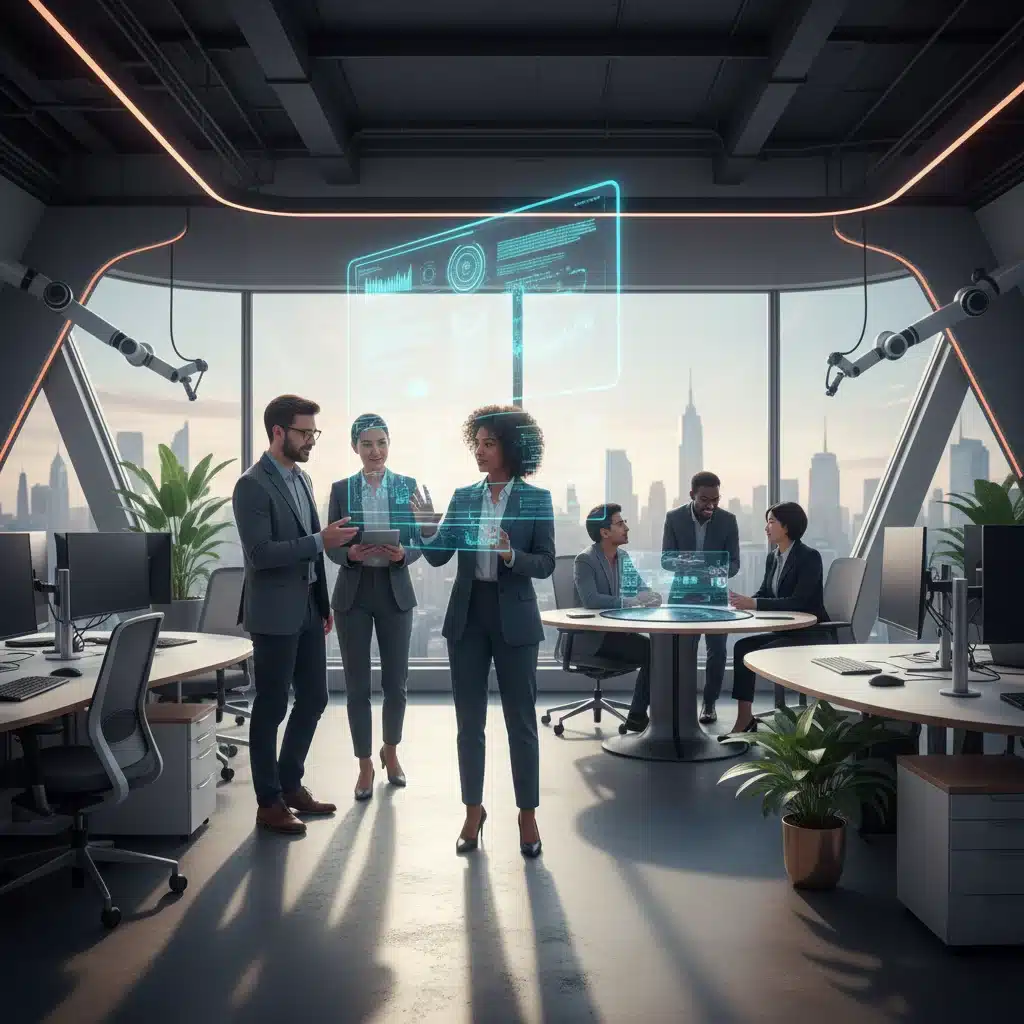
Automation doesn’t always eliminate jobs; it often transforms them. Forward-thinking U.S. businesses are recognizing the opportunity to redefine existing job roles and create new, hybrid positions that blend human expertise with automated processes. This involves a strategic re-evaluation of tasks and responsibilities within each role.
Consider a customer service representative whose routine inquiries are now handled by chatbots. Instead of making this role obsolete, the business can redefine it to focus on complex problem-solving, empathetic communication, and building deeper customer relationships – tasks that require human nuance. Similarly, a factory worker whose manual assembly tasks are automated might transition into a role that involves monitoring and maintaining robotic systems, or even programming them.
Key aspects of redefining job roles include:
- Task Analysis: Conduct a thorough analysis of current job tasks to identify which can be automated and which require human intervention or judgment.
- Collaborative Design: Involve employees in the redesign process. Their insights into their daily work can be invaluable in creating new roles that are both efficient and engaging.
- Focus on Human-Centric Skills: Emphasize and train for skills that complement automation, such as critical thinking, creativity, emotional intelligence, and strategic planning.
- Clear Communication: Transparently communicate how roles are evolving and the opportunities these changes present for employees. This helps alleviate fears and builds trust.
Creating hybrid roles that capitalize on both human and machine strengths not only optimizes operational efficiency but also makes jobs more interesting and challenging for employees, significantly contributing to talent retention automation efforts. It positions employees as partners with technology, rather than competitors.
3. Foster a Culture of Innovation and Experimentation
In an environment shaped by automation, a static organizational culture is a recipe for obsolescence. U.S. businesses must cultivate a culture that embraces innovation, experimentation, and continuous adaptation. This means encouraging employees to explore new technologies, challenge existing processes, and contribute ideas for how automation can be leveraged to improve work.
An innovative culture empowers employees, making them feel valued and integral to the company’s future. When employees see their ideas being considered and implemented, it boosts morale and engagement. This culture can be fostered through:
- Innovation Labs or "Hackathons": Dedicate time and resources for employees to experiment with new technologies and develop innovative solutions.
- Psychological Safety: Create an environment where employees feel safe to take risks, make mistakes, and learn from them without fear of reprisal.
- Cross-Functional Collaboration: Encourage teams from different departments to collaborate on projects, fostering diverse perspectives and accelerating innovation.
- Leadership by Example: Leaders must actively champion innovation, demonstrating their willingness to embrace change and new ideas.
A culture that values learning and adaptation ensures that the workforce remains agile and responsive to technological shifts. It transforms employees from passive recipients of change into active participants in shaping the future of work, a critical component of effective talent retention automation.
4. Implement Human-Centric Automation Design
The way automation is designed and implemented within an organization profoundly impacts employee sentiment and, consequently, retention. A "human-centric" approach prioritizes the well-being and effectiveness of human workers alongside technological efficiency. This means designing automated systems that augment human capabilities, reduce mundane tasks, and create more fulfilling work, rather than simply replacing human effort.
When employees feel that automation is designed to help them, rather than displace them, their resistance decreases, and their willingness to adapt increases. This involves:
- Employee Involvement in Design: Involve end-users (employees) in the design and implementation phases of automation projects. Their input can ensure that systems are intuitive, user-friendly, and genuinely helpful.
- Focus on Augmentation: Prioritize automation projects that enhance human decision-making, creativity, and problem-solving, rather than those that merely automate entire job functions.
- Transparent Communication: Clearly explain the purpose and benefits of new automation tools, focusing on how they will empower employees and improve their work experience.
- Ergonomics and Usability: Ensure that automated tools are well-integrated into the existing workflow and are easy to learn and use, minimizing frustration.
By designing automation with the human element at its core, U.S. businesses can foster a positive relationship between their workforce and technology, making automation a tool for empowerment and growth. This approach is fundamental for successful talent retention automation.
5. Strengthen Employee Engagement and Communication
In times of significant change, open and transparent communication becomes paramount. Employees need to understand how automation impacts their roles, the company’s vision for the future, and the opportunities available to them. A lack of clear communication can breed anxiety, rumors, and ultimately, employee departures.
Effective communication and engagement strategies include:
- Regular Town Halls and Forums: Create platforms for leadership to share updates, answer questions, and address employee concerns directly.
- Dedicated HR Support: Provide HR resources specifically trained to guide employees through career transitions, explain new training programs, and offer counseling.
- Employee Feedback Mechanisms: Establish channels for employees to provide feedback, express concerns, and suggest improvements related to automation. Actively listen and respond to this feedback.
- Celebrate Successes: Highlight stories of employees who have successfully transitioned into new roles or acquired new skills thanks to automation, showcasing positive examples.
Engaged employees are more resilient, adaptable, and loyal. By fostering a culture of open dialogue and active listening, U.S. businesses can build trust and reassure their workforce during periods of technological disruption, which is vital for long-term talent retention automation.
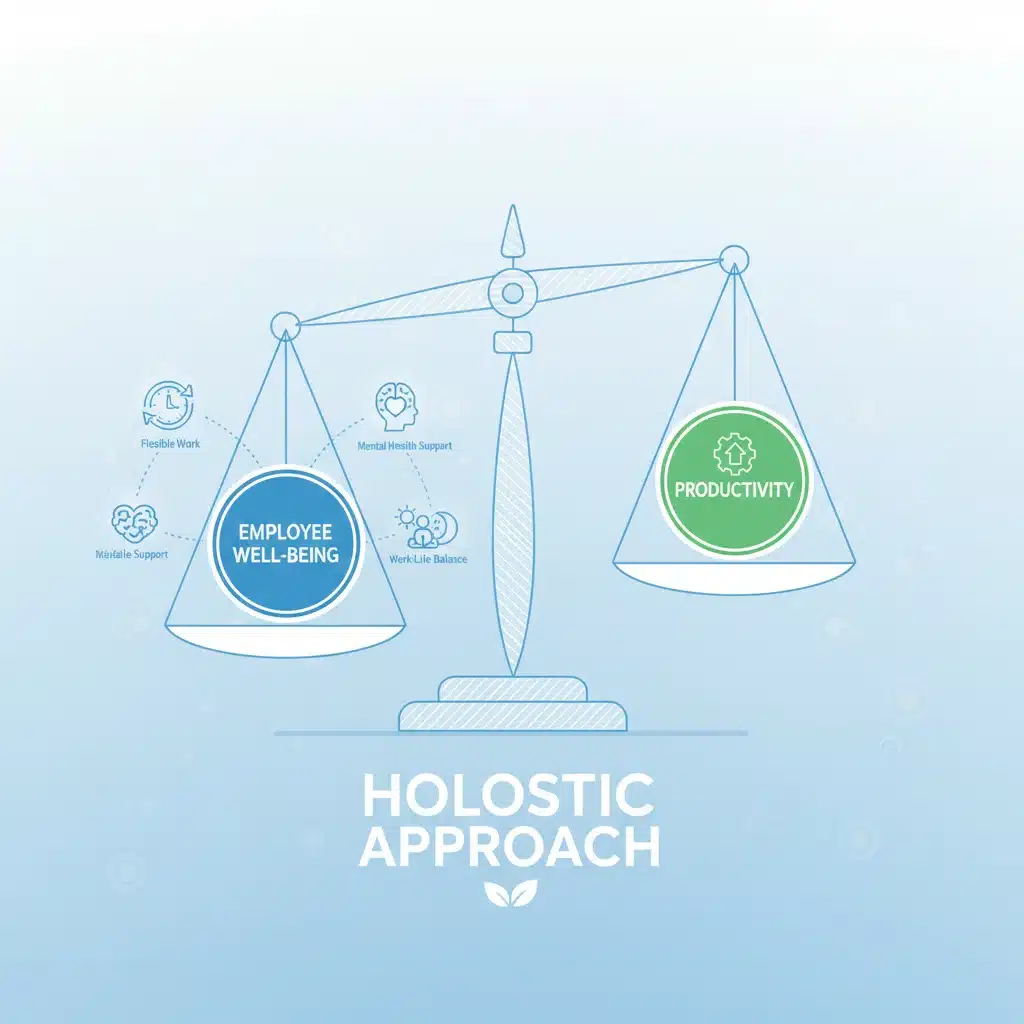
6. Prioritize Employee Well-being and Work-Life Balance
While automation often promises to reduce workloads, poorly implemented systems can sometimes lead to new forms of stress, such as the pressure to manage complex automated systems or the feeling of being constantly "on" due to increased efficiency. To retain talent, especially through 2026, U.S. businesses must prioritize employee well-being and support a healthy work-life balance.
This holistic approach to employee welfare includes:
- Mental Health Support: Provide access to mental health resources, counseling services, and stress management programs.
- Flexible Work Arrangements: Leverage technology to offer flexible working hours, remote work options, and hybrid models that empower employees to manage their personal and professional lives more effectively.
- Clear Boundaries: Encourage managers to set clear expectations regarding work hours and discourage constant connectivity, ensuring employees have time to disconnect and recharge.
- Ergonomic Workspaces: Whether in the office or at home, ensure employees have ergonomic setups to prevent physical strain.
A workforce that feels supported and valued in their overall well-being is more likely to be productive, engaged, and committed to the organization. This focus on human needs, even amidst technological advancement, is a powerful strategy for talent retention automation.
7. Leverage Data and Analytics for Proactive Talent Management
The same data-driven approaches used to optimize business operations can also be applied to talent management. U.S. businesses should leverage HR analytics and predictive modeling to proactively identify retention risks, understand employee sentiment, and tailor interventions. This involves collecting and analyzing data related to employee engagement, performance, training participation, and turnover rates.
By using data, organizations can:
- Identify "Flight Risks": Algorithms can predict which employees might be considering leaving, allowing HR to intervene with targeted support or career development opportunities.
- Measure Training Effectiveness: Analyze data to determine which upskilling programs are most effective in boosting employee performance and satisfaction.
- Understand Engagement Drivers: Pinpoint the factors that most influence employee engagement and satisfaction within the context of automation, allowing for targeted improvements.
- Personalize Employee Experience: Use data to offer personalized benefits, career paths, and development opportunities that resonate with individual employees.
Data-driven talent management transforms HR from a reactive function into a strategic partner, enabling U.S. businesses to make informed decisions that enhance talent retention automation efforts. It allows for a more scientific and personalized approach to keeping top performers.
Conclusion: Building a Resilient Workforce for the Automated Future
The integration of automation into U.S. businesses is not merely a technological shift; it’s a profound transformation of the human-work relationship. By 2026, organizations that have proactively embraced human-centric strategies for talent management will be the ones that thrive. The seven strategies outlined above – investing in upskilling, redefining roles, fostering innovation, human-centric design, strong communication, prioritizing well-being, and leveraging data – are not isolated initiatives but interconnected components of a comprehensive approach to talent retention automation.
The future of work is collaborative, with humans and machines working in synergy. U.S. businesses have a unique opportunity to lead this transition, ensuring that automation serves to elevate human potential, create more meaningful work, and build resilient, adaptable workforces. By focusing on these strategies, companies can not only retain their most valuable talent but also unlock new levels of productivity, innovation, and competitive advantage in the evolving global economy. The time to invest in your people, and in intelligent automation strategies that empower them, is now.
Embracing automation as a tool for employee empowerment, rather than a threat, is the cornerstone of successful talent retention in the coming years. Organizations that master this balance will not only survive but will lead the charge into a more productive and human-centered future of work. The commitment to continuous learning, adaptability, and employee well-being will be the defining characteristics of leading U.S. businesses through 2026 and beyond, ensuring their workforce remains their strongest asset in an increasingly automated world.
This strategic foresight ensures that as technology advances, the human element, with its irreplaceable creativity, critical thinking, and emotional intelligence, remains at the heart of organizational success. The journey to 2026 is an opportunity for U.S. businesses to redefine what it means to work, making it more engaging, purposeful, and sustainable for everyone involved.