Audio Marketing 2026: Untapped Opportunities for US Brands
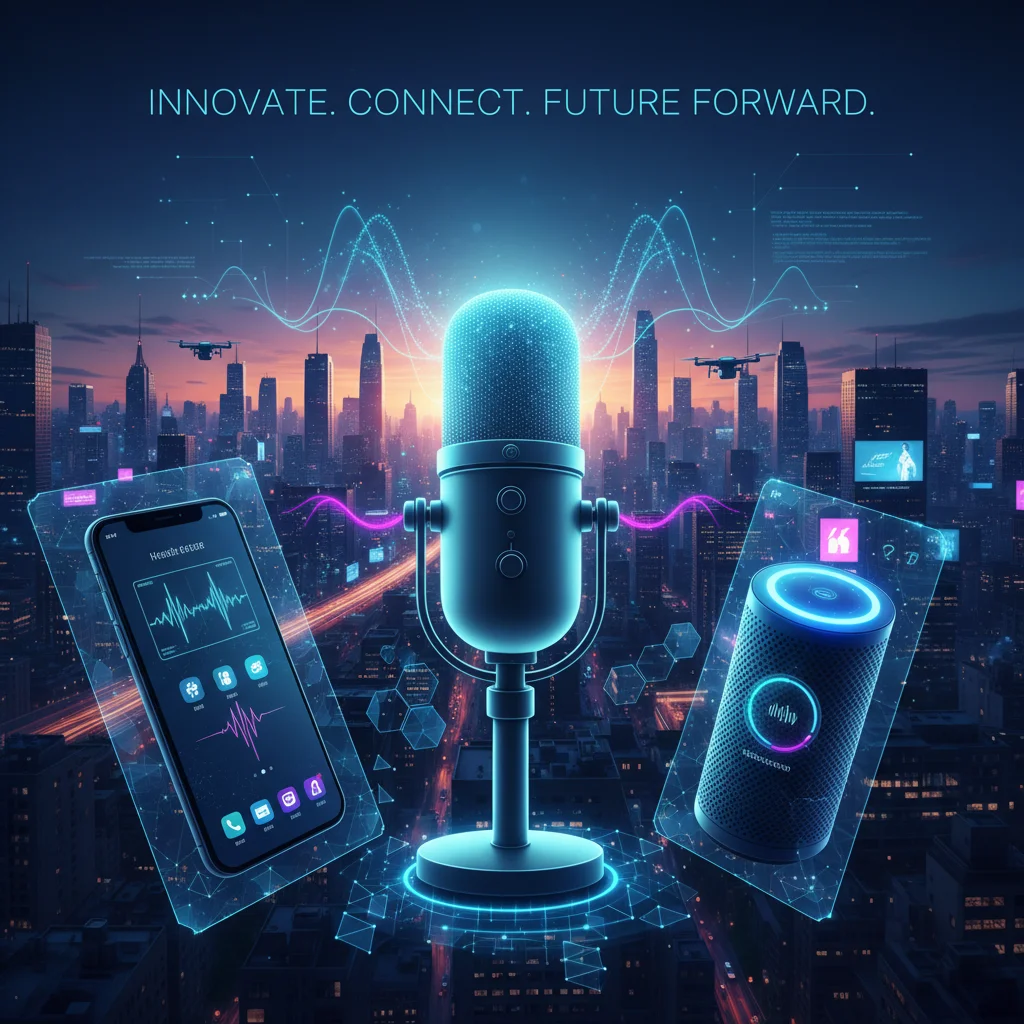
The soundscape of marketing is evolving at an unprecedented pace. As we hurtle towards 2026, the traditional visual-first approach is increasingly complemented, and in some cases, challenged, by the immersive power of audio. For US brands, this isn’t just a trend; it’s a strategic imperative. The rise of audio marketing presents a fertile ground for innovation, offering unique pathways to connect with audiences, build brand loyalty, and drive conversions in ways that static or video content simply cannot. The intimacy of sound, the convenience of hands-free consumption, and the growing ubiquity of smart audio devices are reshaping consumer behavior and opening up a wealth of audio marketing opportunities that remain largely untapped.
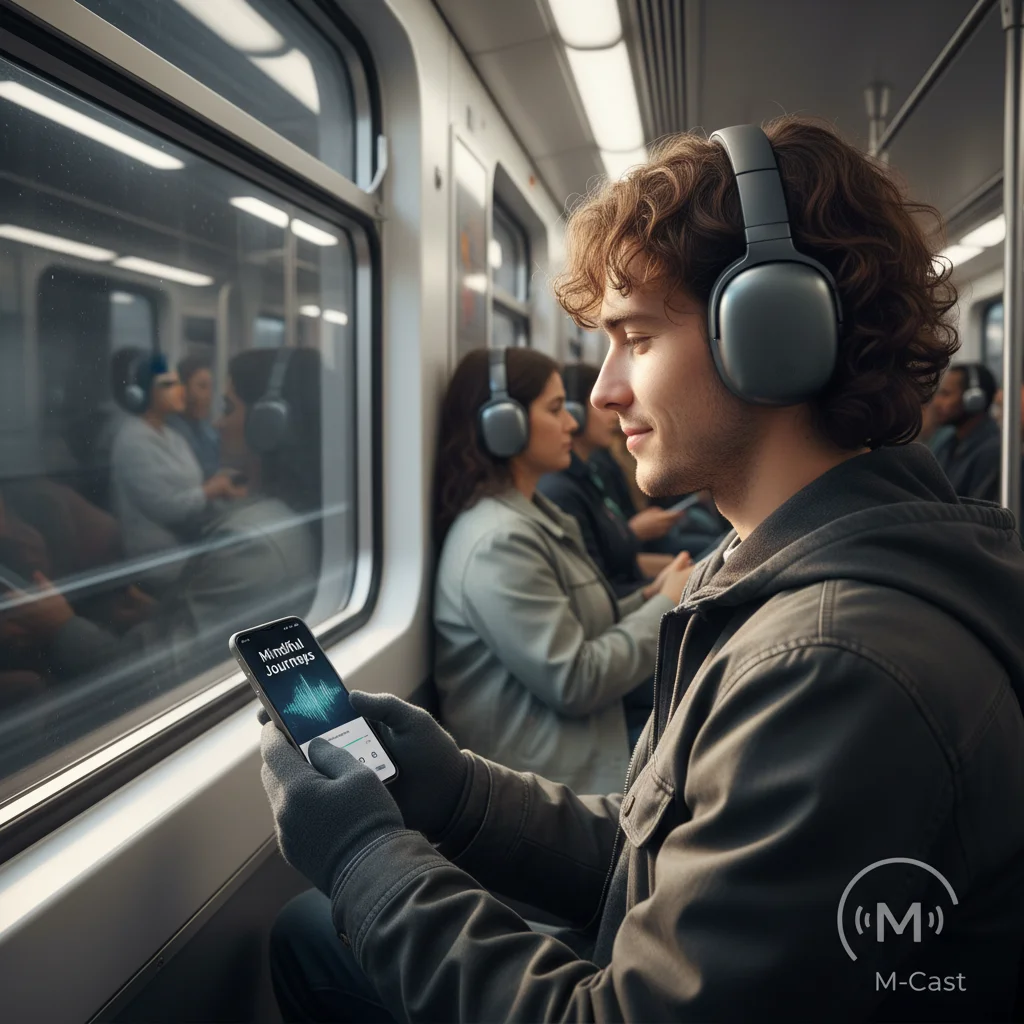
In a world saturated with visual stimuli, audio cuts through the noise. It captures attention in moments when screens are impractical or undesirable – during commutes, workouts, household chores, or even while unwinding. This ambient presence allows brands to integrate seamlessly into consumers’ daily routines, fostering a deeper, more personal connection. The statistics are compelling: podcast listenership continues to soar, smart speaker adoption is widespread, and voice search is becoming an ingrained habit for millions. Yet, many US brands are still playing catch-up, failing to fully leverage the transformative potential of this auditory revolution.
This comprehensive guide will delve into three significant, yet often overlooked, audio marketing opportunities for US brands in 2026. We’ll explore how strategic engagement with podcasts, sophisticated voice search optimization, and the innovative realm of interactive audio can unlock new audience segments, enhance brand perception, and deliver measurable ROI. By understanding and embracing these evolving channels, brands can position themselves at the forefront of the next wave of digital marketing, ensuring relevance and resonance in an increasingly competitive landscape. Prepare to tune in to the future of brand engagement.
The Podcasting Renaissance: Beyond Traditional Ads
Podcasts have moved far beyond their niche origins to become a mainstream media powerhouse. What started as an alternative content format has blossomed into a vibrant ecosystem of diverse shows, catering to every conceivable interest and demographic. For US brands, the podcasting renaissance represents one of the most significant audio marketing opportunities. However, many brands are still approaching podcasts with a traditional advertising mindset, merely inserting pre-roll or mid-roll ads. While effective to a degree, this approach barely scratches the surface of what’s possible.
Native Advertising and Branded Content Podcasts
The true power of podcasting for brands lies in native advertising and the creation of branded content. Instead of interrupting the listener’s experience, native advertising seamlessly integrates a brand’s message into the podcast’s narrative. This could be a host-read endorsement that genuinely reflects the host’s experience with a product or service, or a segment dedicated to discussing the brand’s values or solutions in a relevant context. This approach builds trust and authenticity, as listeners are more likely to respond positively to recommendations from voices they already respect and follow.
Even more impactful is the creation of branded content podcasts. Imagine a financial institution launching a podcast that offers expert advice on personal finance, or a food brand sponsoring a series that explores culinary traditions. These podcasts don’t overtly sell products; instead, they provide immense value to listeners, subtly positioning the brand as a thought leader, an expert, or a trusted resource within its industry. This strategy fosters deep engagement, builds long-term relationships, and ultimately, drives brand loyalty. Brands like GE with their ‘The Message’ or Slack with ‘Work in Progress’ have successfully demonstrated the power of this approach, proving that compelling storytelling can be a powerful marketing tool.
Micro-Podcasts and Audio Series
Beyond full-length shows, the rise of micro-podcasts and short-form audio series presents another exciting avenue. These bite-sized audio experiences, often just a few minutes long, are perfect for delivering quick tips, daily insights, or episodic narratives that fit into busy schedules. A fitness brand could offer 5-minute daily workout motivation, or a tech company could provide quick explanations of new features. These formats are highly shareable and can serve as excellent top-of-funnel content, drawing new listeners into the brand’s ecosystem. They are also less resource-intensive to produce than full-length shows, making them accessible even for brands with smaller content budgets. The key is consistent, valuable content that resonates with the target audience’s needs and interests.
Leveraging Podcast Analytics and Personalization
As podcast platforms mature, so too does the availability of sophisticated analytics. US brands in 2026 should be leveraging these insights to understand listener demographics, consumption patterns, and engagement levels. This data allows for more precise targeting and the personalization of audio content and ad placements. Imagine an e-commerce brand dynamically inserting a discount code for a specific product category based on a listener’s previous browsing history, or a travel brand promoting destinations relevant to a listener’s expressed interests. The ability to tailor the audio experience makes it far more engaging and effective, transforming generic broadcasts into personalized conversations. This data-driven approach is crucial for maximizing the ROI of podcasting efforts and capitalizing on these audio marketing opportunities.
Voice Search Optimization: The Conversational Frontier
Voice search is no longer a futuristic concept; it’s a daily reality for millions of Americans. From asking smart speakers for recipes to querying smartphones for local businesses, voice assistants are fundamentally changing how consumers interact with information and brands. For US brands, optimizing for voice search is not just about staying relevant; it’s about claiming a prime position on the conversational frontier, representing one of the most critical audio marketing opportunities for discoverability and direct engagement.
Understanding Conversational SEO
Traditional SEO focuses on keywords and written queries. Voice search SEO, or conversational SEO, requires a shift in perspective. People speak differently than they type. Voice queries are often longer, more natural, and framed as questions. For instance, instead of typing “best coffee shop NYC,” a user might ask, “Hey Google, what’s the best coffee shop near me in New York City?” Brands need to anticipate these natural language queries and optimize their content accordingly.
This means focusing on long-tail keywords, answering common questions directly in website content (e.g., through FAQs or dedicated knowledge base articles), and structuring information in a way that makes it easy for voice assistants to extract and deliver concise answers. Schema markup, which provides structured data to search engines, becomes even more critical here, helping voice assistants understand the context and relevance of your content. By providing clear, direct answers to common questions related to your products or services, brands can become the go-to source for voice search users.
Local SEO for Voice Search
A significant portion of voice search queries are local in nature. Consumers use voice assistants to find directions, check store hours, or locate nearby services. For brick-and-mortar US brands, robust local SEO is paramount. This involves ensuring accurate and consistent business information across all online directories, especially Google My Business. Optimize your Google My Business profile with detailed descriptions, relevant categories, high-quality images, and up-to-date contact information. Encourage customer reviews, as positive sentiment and high ratings can significantly boost local search rankings.
Furthermore, consider how your brand’s physical locations are described online. Use natural language descriptions that match how a customer might verbally ask for directions or inquire about services. For example, instead of just listing an address, include phrases like “located downtown, near the historic district” or “just off Highway 101.” This contextual information aids voice assistants in providing more accurate and helpful responses to users seeking local information, directly translating into foot traffic and sales.
Voice Commerce and Actionable Insights
The evolution of voice search extends beyond information retrieval to actual transactions – voice commerce. As smart speakers and voice assistants become more integrated into daily life, consumers are becoming more comfortable making purchases or booking services through voice commands. US brands need to prepare for this shift by optimizing their product catalogs and service offerings for voice-activated purchasing.
This involves simplifying product names, ensuring clear and concise descriptions, and streamlining the voice checkout process. Imagine a user saying, “Alexa, order my usual coffee from [Brand Name]” or “Hey Google, book me a haircut at [Salon Name] for next Tuesday.” Brands that simplify these interactions and integrate with popular voice platforms will gain a significant competitive advantage. Furthermore, voice assistants gather vast amounts of data on user preferences and behaviors. Brands can leverage this data, ethically and with user consent, to gain actionable insights into consumer needs, personalize recommendations, and proactively offer relevant products or services through voice channels. This proactive engagement represents a powerful, yet often overlooked, one of the audio marketing opportunities.
Interactive Audio Experiences: Beyond Passive Listening
The future of audio marketing isn’t just about listening; it’s about interaction. As technology advances, interactive audio experiences are emerging as a powerful tool for US brands to create deeply engaging, personalized, and memorable connections with their audiences. This goes far beyond traditional radio ads or even standard podcasts, offering a dynamic new frontier for brand storytelling and consumer participation.
Audio Gaming and Gamified Content
Just as video games captivate players visually, audio games immerse participants through sound. For brands, this opens up unique possibilities for gamified marketing. Imagine an adventure game where listeners make choices that influence the narrative, with subtle brand integrations throughout. A travel brand could create an audio-based mystery game set in a destination they promote, or a food brand could develop an interactive cooking challenge guided by voice prompts. These experiences are highly engaging, encourage repeat interaction, and create a strong emotional connection with the brand through shared discovery and entertainment.
Gamified audio content can also be applied to educational or informational purposes. A financial institution could create an interactive audio quiz about investment strategies, or a health brand could develop a voice-guided meditation series that adapts based on user input. The key is to make the interaction seamless and intuitive, leveraging the power of voice to create a truly immersive and enjoyable experience. These innovative approaches to audio content represent a significant, yet largely unexplored, one of the audio marketing opportunities.
Personalized Audio Journeys and Adaptive Content
The ability to personalize content based on individual user preferences, behavior, and even mood is a holy grail of marketing. Interactive audio makes this highly achievable. Imagine an audio advertisement that changes its tone, message, or even the product being promoted based on real-time data about the listener. For example, if a user has recently searched for hiking gear, an audio ad for a sports brand could dynamically highlight their latest trail shoes. Or, if a listener frequently streams upbeat music, an ad might use a more energetic voiceover.
Beyond advertising, brands can create entire personalized audio journeys. A wellness brand could offer adaptive meditation or workout sessions that adjust difficulty or focus based on user feedback or biometric data from wearables. An e-learning platform could deliver audio courses that adapt to a student’s learning pace and preferred style. This level of personalization makes the brand experience incredibly relevant and valuable, fostering a sense of individual connection that builds strong loyalty. The technology for adaptive audio is rapidly advancing, making these sophisticated interactions more feasible for US brands in 2026.

Voice-Enabled Brand Experiences and Customer Service
The integration of voice into customer service and brand experiences offers another compelling interactive audio opportunity. Imagine a customer interacting with a brand’s virtual assistant via voice, not just for basic FAQs, but for complex problem-solving, product recommendations, or even virtual consultations. A beauty brand could offer a voice-guided skincare routine, or a home improvement store could provide step-by-step audio instructions for a DIY project.
These voice-enabled experiences provide convenience, immediacy, and a more natural form of interaction than typing. They can significantly enhance customer satisfaction and reduce the burden on traditional customer service channels. Furthermore, brands can use these voice interactions to gather valuable feedback, understand pain points, and continually refine their offerings. The goal is to make the brand accessible, helpful, and personable through the power of voice, creating a dialogue rather than a monologue in the customer journey. This direct, conversational approach is a cornerstone of future audio marketing opportunities.
Challenges and Considerations for US Brands
While the audio marketing opportunities are immense, US brands must also be mindful of the challenges and considerations involved in deploying effective audio strategies. It’s not enough to simply jump on the bandwagon; thoughtful planning and execution are crucial for success.
Content Quality and Production
The barrier to entry for producing audio content has lowered, but the bar for quality has risen. Listeners expect clear audio, professional voiceovers, and engaging content. Poor sound quality, uninspired scripts, or monotonous delivery can quickly turn listeners away. Brands need to invest in high-quality microphones, professional editing, and talented voice actors or hosts. Whether producing podcasts, interactive experiences, or voice search responses, the audio fidelity and content substance must be top-notch to reflect positively on the brand.
Measurement and Attribution
Measuring the ROI of audio marketing can be more complex than traditional digital channels. While podcast platforms offer some analytics, attributing specific sales or leads directly to an audio interaction requires sophisticated tracking mechanisms. Brands need to establish clear KPIs, utilize unique promo codes for podcasts, track voice commerce conversions, and integrate audio data with their broader marketing analytics platforms. Developing robust attribution models will be key to demonstrating the value of audio marketing efforts and optimizing future campaigns.
Privacy and Data Security
With personalized audio experiences and voice search, data collection is inherent. US brands must prioritize user privacy and data security. Transparency about data collection practices, adherence to regulations like CCPA, and obtaining explicit user consent are non-negotiable. Building trust in the audio space means being a responsible steward of user data. Any perception of misuse or lack of security can severely damage brand reputation and undermine the effectiveness of audio marketing initiatives.
Voice Assistant Compatibility and Ecosystems
The audio landscape is fragmented across various voice assistants (Alexa, Google Assistant, Siri, Bixby, etc.) and podcast platforms. Brands need to consider compatibility and optimize their audio content and voice experiences for multiple ecosystems. This might involve developing specific ‘skills’ or ‘actions’ for different smart speakers, or ensuring voice search optimization works across various search engines and devices. A unified strategy that accounts for the diversity of the audio ecosystem will be more effective than a siloed approach.
Creative Storytelling and Brand Voice
Finally, audio marketing demands a strong emphasis on creative storytelling and a distinctive brand voice. Without visual cues, the power of narrative, tone, and sound design becomes paramount. Brands need to develop an audio identity that is consistent, recognizable, and engaging. This involves crafting compelling scripts, selecting appropriate music and sound effects, and ensuring the voice talent accurately represents the brand’s personality. Authenticity and originality in audio content will be crucial for cutting through the noise and creating lasting impressions among target audiences.
Conclusion: Tuning into the Future of Brand Engagement
The landscape of marketing is experiencing a profound shift, with audio emerging as a dominant force in how US brands will connect with consumers in 2026 and beyond. The three untapped audio marketing opportunities – the evolving podcasting ecosystem, the conversational frontier of voice search optimization, and the immersive world of interactive audio experiences – offer unprecedented avenues for engagement, personalization, and brand building.
Brands that proactively embrace these trends, investing in high-quality audio content, sophisticated voice SEO, and innovative interactive formats, will be well-positioned to capture new audiences, deepen existing relationships, and stand out in an increasingly competitive marketplace. The intimacy of sound, the convenience of hands-free consumption, and the ability to seamlessly integrate into daily routines make audio an indispensable component of a modern marketing strategy.
However, success in audio marketing isn’t merely about adoption; it’s about strategic execution. Addressing challenges related to content quality, measurement, privacy, and platform compatibility will be crucial. Brands must also cultivate a distinctive audio identity and master the art of storytelling through sound. By doing so, they can move beyond passive listening to create dynamic, memorable, and highly effective audio experiences that resonate deeply with their target demographics.
The time to tune into the future of brand engagement is now. By recognizing and capitalizing on these untapped audio marketing opportunities, US brands can ensure their voices are not only heard but truly listened to, fostering a new era of connection and commercial success in the auditory age.