First-Party Data Strategies: US Marketers Gain 12% Edge by 2026
First-Party Data Strategies: How US Marketers are Gaining a 12% Edge in 2026 Without Third-Party Cookies
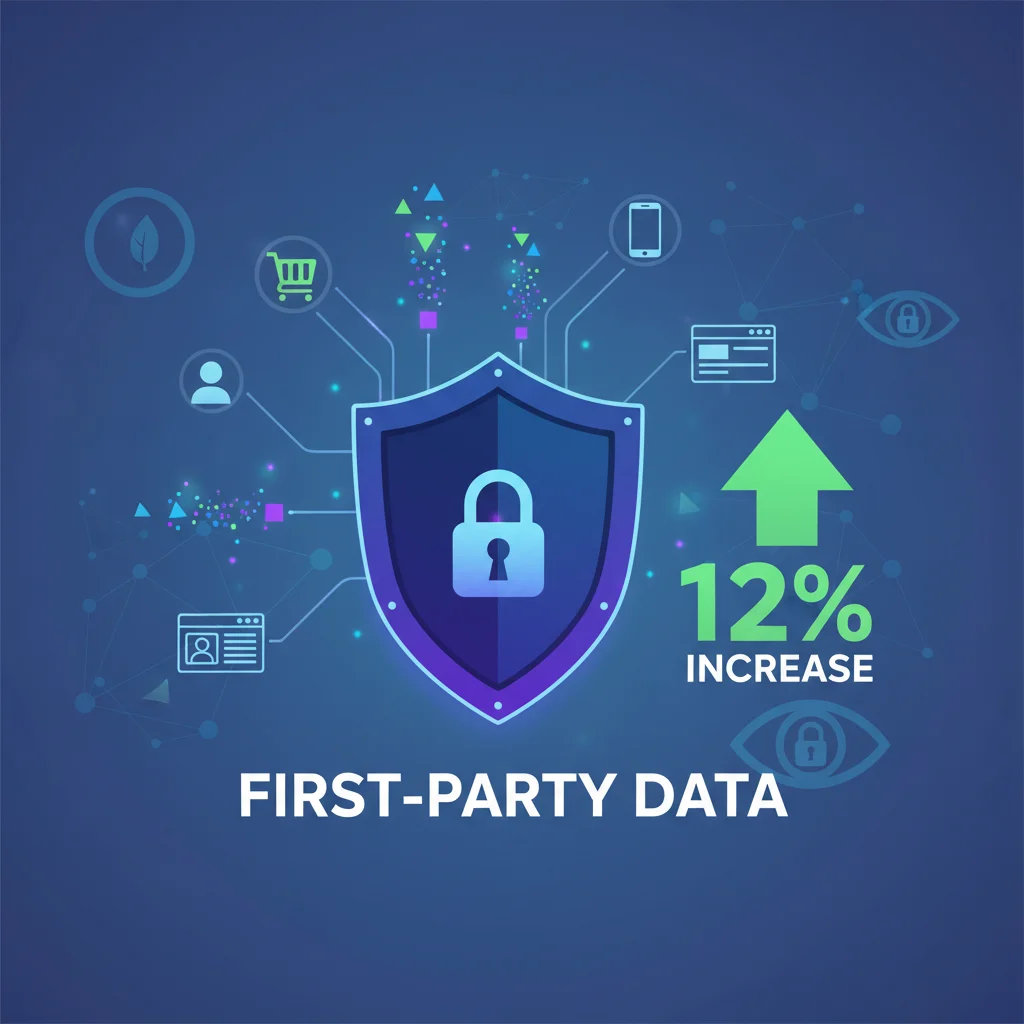
The digital marketing landscape is undergoing a monumental shift. The impending deprecation of third-party cookies by major browsers like Google Chrome, anticipated to be complete by 2024 (though now pushed to 2025/2026), has sent ripples through the industry. This change, driven by increasing consumer privacy concerns and evolving regulatory frameworks, is fundamentally altering how marketers identify, target, and engage with their audiences. For US marketers, this isn’t just a challenge; it’s an unprecedented opportunity. Those who proactively embrace robust first-party data strategies are poised to gain a significant competitive edge, with projections indicating a potential 12% increase in ROI and effectiveness by 2026.
For decades, third-party cookies have been the bedrock of digital advertising, enabling cross-site tracking, retargeting, and personalized ad delivery. Their disappearance necessitates a pivot towards more privacy-centric and direct methods of data collection. First-party data, collected directly from a company’s own customers with their explicit consent, is emerging as the most viable and ethical alternative. This article delves into the transformative power of first-party data strategies, exploring how US marketers are not just adapting but thriving in this new era, building stronger customer relationships, and achieving superior results.
Understanding the Shift: Why First-Party Data is Paramount
The move away from third-party cookies is not merely a technical adjustment; it represents a philosophical shift in how businesses interact with consumers. Consumers are increasingly demanding greater control over their personal information, and regulators worldwide are responding with stricter data privacy laws, such as the GDPR in Europe and various state-level regulations in the US (e.g., CCPA, CPRA). In this environment, relying on data collected without direct consent or transparency is becoming unsustainable and risky.
First-party data strategies offer a solution that aligns with both consumer expectations and regulatory requirements. This data includes information gathered directly through a company’s website, apps, CRM systems, email interactions, customer surveys, and loyalty programs. It encompasses everything from purchase history and browsing behavior on owned properties to demographic information provided directly by the customer. The key differentiator is the direct relationship and explicit consent involved in its collection.
The Limitations of Third-Party Data and the Promise of First-Party
- Third-Party Data: Often collected without direct consent, subject to privacy regulations, less accurate, and becoming obsolete due to browser changes. It allows for broad reach but lacks depth and trust.
- First-Party Data: Collected directly with consent, highly accurate, privacy-compliant, and offers deep insights into customer behavior and preferences on owned channels. It fosters trust and enables hyper-personalization.
The competitive advantage of first-party data strategies stems from several factors. Firstly, it’s proprietary and unique to your business, giving you insights that competitors simply cannot replicate. Secondly, it’s more reliable and accurate, as it comes directly from the source. Thirdly, and perhaps most importantly, it’s collected with consent, building a foundation of trust with your customers. This trust translates into higher engagement, better conversion rates, and ultimately, a more loyal customer base.
Building a Robust First-Party Data Infrastructure
To truly harness the power of first-party data strategies, marketers need to invest in a robust infrastructure for data collection, management, and activation. This isn’t a one-time project but an ongoing commitment to data excellence.
Key Components of a Strong First-Party Data Strategy:
- Consent Management Platforms (CMPs): Essential for transparently obtaining and managing customer consent for data collection and usage, ensuring compliance with privacy regulations.
- Customer Data Platforms (CDPs): These platforms are central to consolidating first-party data from various sources into a single, unified customer profile. CDPs allow marketers to create a holistic view of each customer, enabling advanced segmentation and personalization.
- Data Lakes and Warehouses: For larger organizations, data lakes and warehouses provide scalable storage and processing capabilities for vast amounts of raw and structured data, enabling deeper analytics.
- Analytics and Business Intelligence Tools: These tools are crucial for extracting actionable insights from collected data, identifying trends, predicting behaviors, and measuring campaign performance.
- Integration with Marketing Automation and CRM: Seamless integration ensures that insights derived from first-party data can be directly applied to personalize customer journeys across email, social, website, and other touchpoints.
The journey to building a strong first-party data infrastructure often begins with an audit of existing data sources and a clear definition of data collection goals. What information is most valuable for personalizing experiences, optimizing campaigns, and driving customer loyalty? Once identified, the focus shifts to implementing the right technologies and processes to collect, unify, and activate that data effectively.
Strategies for Effective First-Party Data Collection
Collecting first-party data goes beyond simply asking for an email address. It involves creating value exchanges that incentivize customers to share their information willingly. Marketers are employing a variety of creative and ethical methods to achieve this.
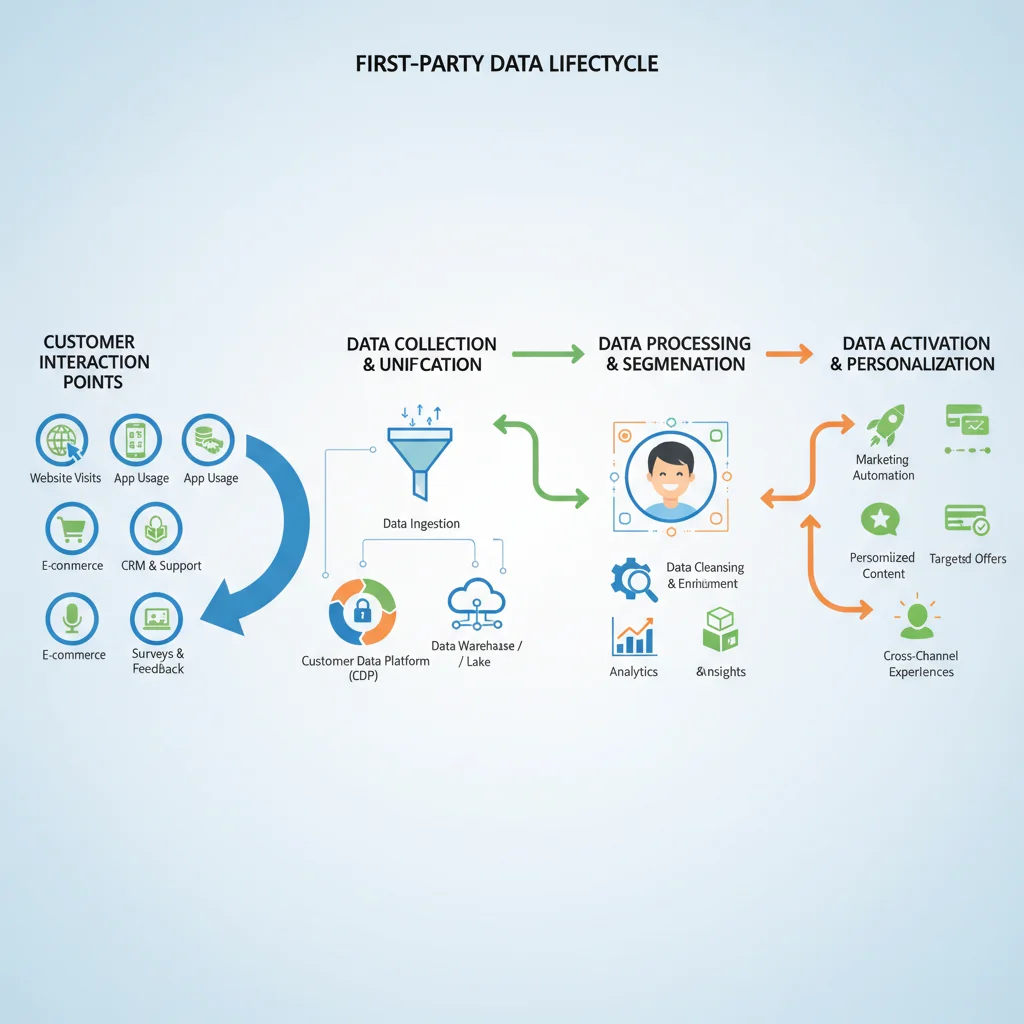
Examples of Successful First-Party Data Collection Tactics:
- Interactive Content: Quizzes, polls, surveys, and calculators that provide value to the user in exchange for data. For instance, a skincare brand might offer a skin type quiz that recommends products, requiring an email address for results.
- Personalized Account Creation: Encouraging users to create accounts on websites or apps by offering exclusive content, personalized recommendations, or streamlined checkout processes.
- Loyalty Programs: Rewarding customers for their purchases and engagement, while simultaneously collecting valuable data on preferences and buying habits.
- Email Sign-ups with Value Proposition: Beyond just ‘subscribe to our newsletter,’ offering exclusive discounts, early access to sales, or premium content in exchange for an email address.
- Social Media Engagement: While social platforms are technically third-party, direct interactions with your brand’s profiles, contests, and direct messaging can provide valuable first-party insights.
- In-Store Data Collection: Using Wi-Fi logins, digital receipts, or in-store events to collect customer data with consent, linking online and offline behavior.
- Customer Feedback and Reviews: Directly soliciting feedback provides qualitative and quantitative data on customer satisfaction and product preferences.
The key is to always offer a clear value proposition. Customers are more likely to share their data when they understand how it will benefit them, whether through better service, more relevant offers, or personalized experiences. Transparency and trust are paramount in all first-party data strategies.
Activating First-Party Data for Enhanced Marketing Performance
Collecting data is only half the battle; the real power of first-party data strategies lies in its activation. By leveraging these insights, US marketers can create highly effective, personalized campaigns that resonate deeply with their target audience.
Ways to Activate First-Party Data:
- Hyper-Personalized Content and Offers: Using purchase history, browsing behavior, and demographic data to deliver tailored product recommendations, content, and promotions across all channels.
- Improved Customer Segmentation: Moving beyond broad demographics to create highly granular customer segments based on actual behavior, preferences, and lifecycle stage. This allows for more targeted messaging.
- Optimized Customer Journeys: Mapping customer journeys and using first-party data to identify pain points, personalize touchpoints, and guide customers more effectively through the sales funnel.
- Predictive Analytics: Leveraging historical data to predict future customer behavior, such as churn risk, likelihood to purchase, or preferred communication channels. This enables proactive marketing efforts.
- Look-Alike Modeling (with privacy-safe methods): While traditional look-alike audiences relied on third-party data, new privacy-enhancing technologies allow marketers to create similar audience segments based on their first-party data, without compromising individual privacy.
- Enhanced Ad Targeting (via Data Clean Rooms and Walled Gardens): Marketers can securely share anonymized first-party data within data clean rooms or directly with major platforms (like Google or Meta) to improve ad targeting effectiveness without exposing raw customer data.
- Remarketing and Retargeting: Using first-party data to re-engage with users who have interacted with your brand, such as abandoned cart reminders or personalized follow-ups based on viewed products.
The goal is to move from mass marketing to a one-to-one communication model, where every interaction feels relevant and valuable to the individual customer. This level of personalization, powered by robust first-party data strategies, is a key driver of the projected 12% edge for US marketers.
Challenges and Considerations in Implementing First-Party Data Strategies
While the benefits are clear, implementing comprehensive first-party data strategies comes with its own set of challenges. Marketers need to be prepared to address these to ensure successful adoption and long-term effectiveness.
Common Challenges:
- Data Silos: Data often resides in disparate systems (CRM, email, e-commerce, customer service), making it difficult to create a unified customer view. Breaking down these silos requires cross-functional collaboration and robust integration strategies.
- Data Quality: Inaccurate, incomplete, or outdated data can lead to poor personalization and wasted marketing spend. Implementing data governance policies and regular data hygiene practices is crucial.
- Technological Investment: Implementing CDPs, CMPs, and advanced analytics tools requires significant investment in technology and expertise.
- Organizational Buy-in and Skill Gaps: A successful shift to first-party data requires buy-in from leadership and a change in mindset across marketing, IT, and legal teams. There’s also a need to upskill teams in data analysis, privacy compliance, and new platform usage.
- Privacy Compliance: Navigating the complex and evolving landscape of data privacy regulations (CCPA, CPRA, future state laws) requires continuous vigilance and legal expertise.
- Customer Trust and Transparency: While first-party data is built on consent, maintaining customer trust requires ongoing transparency about how data is collected, used, and protected.
Overcoming these challenges requires a strategic, long-term approach. It involves not just investing in technology but also fostering a data-driven culture within the organization, prioritizing privacy, and continuously optimizing processes.
The 12% Edge: Quantifying the Impact for US Marketers
The projections of a 12% competitive edge for US marketers leveraging first-party data strategies by 2026 are not arbitrary. They are based on several factors that directly impact marketing ROI and business growth:

- Increased Personalization Yields Higher Conversions: Studies consistently show that personalized experiences lead to higher engagement and conversion rates. First-party data enables this at scale.
- Reduced Customer Acquisition Costs (CAC): By understanding existing customers better, marketers can identify and target look-alike audiences more effectively, reducing the cost of acquiring new, high-value customers.
- Improved Customer Lifetime Value (CLTV): Personalized retention strategies, powered by first-party data, lead to increased customer loyalty, repeat purchases, and higher CLTV.
- More Efficient Ad Spend: With precise targeting based on proprietary data, ad campaigns become more relevant, reducing wasted impressions and improving campaign ROI.
- Enhanced Brand Trust and Reputation: Brands that prioritize privacy and transparently use first-party data build stronger relationships with customers, leading to a more positive brand image and advocacy.
- Better Product Development: Insights from first-party data can inform product development, ensuring that offerings align more closely with customer needs and preferences.
This 12% edge represents a significant competitive advantage in a crowded marketplace. It means marketers are not just surviving the cookieless future but actively shaping it, turning a potential crisis into an opportunity for substantial growth and deeper customer relationships.
Future-Proofing Your Marketing with First-Party Data
The transition to a cookieless world is not the end of personalized marketing; it’s the beginning of a new, more transparent, and customer-centric era. US marketers who are investing in first-party data strategies are not just adapting to change; they are future-proofing their marketing efforts.
Key Takeaways for Future-Proofing:
- Prioritize Customer Trust: Make transparency and consent the cornerstones of all data collection efforts.
- Invest in Data Infrastructure: Implement CDPs and other tools to unify and activate your first-party data effectively.
- Create Value Exchanges: Offer compelling reasons for customers to share their data.
- Foster a Data-Driven Culture: Ensure your entire organization understands the value of first-party data.
- Stay Agile and Adaptable: The regulatory and technological landscape will continue to evolve, requiring ongoing adjustments to your strategies.
The journey towards a first-party data-centric approach requires commitment, investment, and a willingness to innovate. However, the rewards – in the form of enhanced customer relationships, superior marketing performance, and a tangible competitive edge – are well worth the effort. As 2026 approaches, the distinction between marketers who embraced this shift and those who lagged will become starker, with the former enjoying a significant advantage in the race for customer attention and loyalty.
Conclusion: The Dawn of a New Marketing Era
The deprecation of third-party cookies marks a pivotal moment for digital marketing. Far from being a setback, it is an impetus for innovation and a return to more direct, trust-based relationships with customers. For US marketers, the adoption of robust first-party data strategies is not merely a compliance measure; it is a strategic imperative for growth.
By building proprietary data assets, understanding customer needs with unprecedented depth, and delivering truly personalized experiences, marketers can unlock a powerful competitive advantage. The projected 12% edge by 2026 is a testament to the transformative potential of first-party data. Those who proactively embrace this shift will not only navigate the cookieless future successfully but will emerge as leaders, setting new standards for ethical, effective, and customer-centric marketing.
The time to act is now. Start evaluating your data collection methods, investing in the right technology, and cultivating a culture that values customer trust and data-driven insights. The future of marketing is here, and it’s built on the foundation of first-party data.