Great Reshuffle 2.0: Reshaping Talent Acquisition in US Companies by 2026

The business world is in a constant state of flux, but few periods have been as transformative as the ongoing ‘Great Reshuffle.’ What began as a mass exodus of employees seeking better opportunities and work-life balance has evolved into something more profound: the Great Reshuffle 2.0. This second wave is not just about employees leaving; it’s about a fundamental re-evaluation of the employer-employee contract, forcing companies to radically rethink their approaches to talent acquisition 2026 and beyond. By 2026, an estimated 15% of US companies are expected to have completely overhauled their talent acquisition strategies, driven by the persistent shifts in workforce expectations, technological advancements, and the ever-present demand for skilled professionals.
This article delves into the core tenets of the Great Reshuffle 2.0 and its profound impact on talent acquisition 2026. We will explore the challenges and opportunities this paradigm shift presents, examine the innovative strategies being adopted by forward-thinking organizations, and provide a roadmap for companies aiming to thrive in this new era of work. Understanding these dynamics is not merely an option but a necessity for any organization looking to attract, engage, and retain top talent in the coming years.
Understanding the Great Reshuffle 2.0: More Than Just Quitting
The initial Great Reshuffle, often termed the ‘Great Resignation,’ was characterized by record numbers of employees voluntarily leaving their jobs. Fuelled by burnout, a desire for greater flexibility, and a re-evaluation of personal priorities, millions sought new paths. However, the Great Reshuffle 2.0 is a more nuanced and enduring phenomenon. It’s not just about employees quitting; it’s about a widespread behavioral and attitudinal shift within the workforce. Employees are no longer passively accepting the status quo. They are actively seeking:
- Purpose-driven Work: A desire for their work to align with their values and contribute to a larger mission.
- Flexibility and Autonomy: The ability to choose where, when, and how they work, with hybrid and remote models becoming standard expectations.
- Holistic Well-being: Employers who prioritize mental health, work-life balance, and overall employee wellness.
- Meaningful Growth Opportunities: Clear pathways for career development, continuous learning, and skill enhancement.
- Competitive Compensation and Benefits: Beyond salary, a comprehensive package that includes robust health benefits, retirement plans, and other perks.
- Inclusive and Equitable Work Environments: A workplace culture that values diversity, promotes equity, and fosters a sense of belonging for all.
For companies, this translates into a heightened need to differentiate themselves not just through their products or services, but through their employer brand and employee value proposition (EVP). The traditional power dynamic has shifted, placing more leverage in the hands of candidates. This profound change directly impacts how organizations approach talent acquisition 2026, demanding a proactive and empathetic strategy.
The Shifting Landscape of Talent Acquisition: Challenges and Opportunities
The Great Reshuffle 2.0 presents both significant challenges and unparalleled opportunities for companies engaged in talent acquisition 2026. Overcoming these challenges and capitalizing on opportunities will determine an organization’s long-term success.
Key Challenges:
- Talent Scarcity: Despite economic fluctuations, skilled talent remains a premium. Certain sectors, particularly in technology, healthcare, and specialized trades, face chronic shortages, intensifying competition for top candidates.
- Increased Candidate Expectations: As highlighted earlier, candidates now expect more than just a paycheck. They scrutinize company culture, flexibility policies, diversity initiatives, and professional development opportunities.
- Employer Brand Erosion: Companies with poor Glassdoor reviews, negative social media sentiment, or a reputation for rigid work environments struggle significantly to attract talent.
- Rapid Technological Evolution: The pace of technological change means that skill sets quickly become outdated, requiring continuous upskilling and reskilling initiatives.
- Global Competition: The rise of remote work has opened up the talent pool globally, but it also means companies are competing with organizations from around the world for the same talent.
- Maintaining Culture in Hybrid/Remote Models: Attracting talent to a distributed workforce requires thoughtful strategies to build and maintain a cohesive company culture remotely.
Emerging Opportunities:
- Broader Talent Pools: Remote work expands the potential candidate pool beyond geographical constraints, allowing access to diverse talent previously inaccessible.
- Focus on Skills-Based Hiring: Moving beyond traditional degree requirements, companies can focus on demonstrable skills, opening doors to a wider array of candidates and promoting internal mobility.
- Enhanced Employer Branding: Companies that genuinely embrace the new work paradigm can significantly strengthen their employer brand, becoming magnets for top talent.
- Technological Innovation in HR: AI, machine learning, and automation are streamlining recruitment processes, improving candidate experience, and providing data-driven insights for better hiring decisions.
- Emphasis on Employee Experience: A focus on creating an outstanding employee experience (EX) from day one directly translates into higher retention and stronger referrals, reducing future talent acquisition 2026 costs.
- Strategic Workforce Planning: The current environment forces companies to engage in more proactive and strategic workforce planning, anticipating future skill needs and building pipelines.
Strategies Redefining Talent Acquisition by 2026
For the 15% of US companies leading the charge in adapting to the Great Reshuffle 2.0, several innovative strategies are becoming foundational to their talent acquisition 2026 frameworks. These approaches move beyond reactive hiring to proactive talent attraction and cultivation.
1. Hyper-Personalized Candidate Experiences
Just as consumers expect personalized experiences, candidates now expect the same from their job search. Companies are leveraging data and technology to tailor every touchpoint, from initial outreach to onboarding. This includes:
- Customized Communication: Using AI-powered chatbots for initial screening and answering FAQs, followed by personalized emails and messages that reflect the candidate’s interests and career aspirations.
- Streamlined Application Processes: Reducing friction by simplifying application forms, offering one-click applications, and allowing candidates to apply via LinkedIn or other professional networks.
- Transparent and Consistent Communication: Providing regular updates on application status, clear expectations for interviews, and constructive feedback where appropriate.
- Engaging Interview Experiences: Moving beyond traditional Q&A to more interactive, skills-based assessments, virtual job shadowing, and opportunities for candidates to meet potential team members.
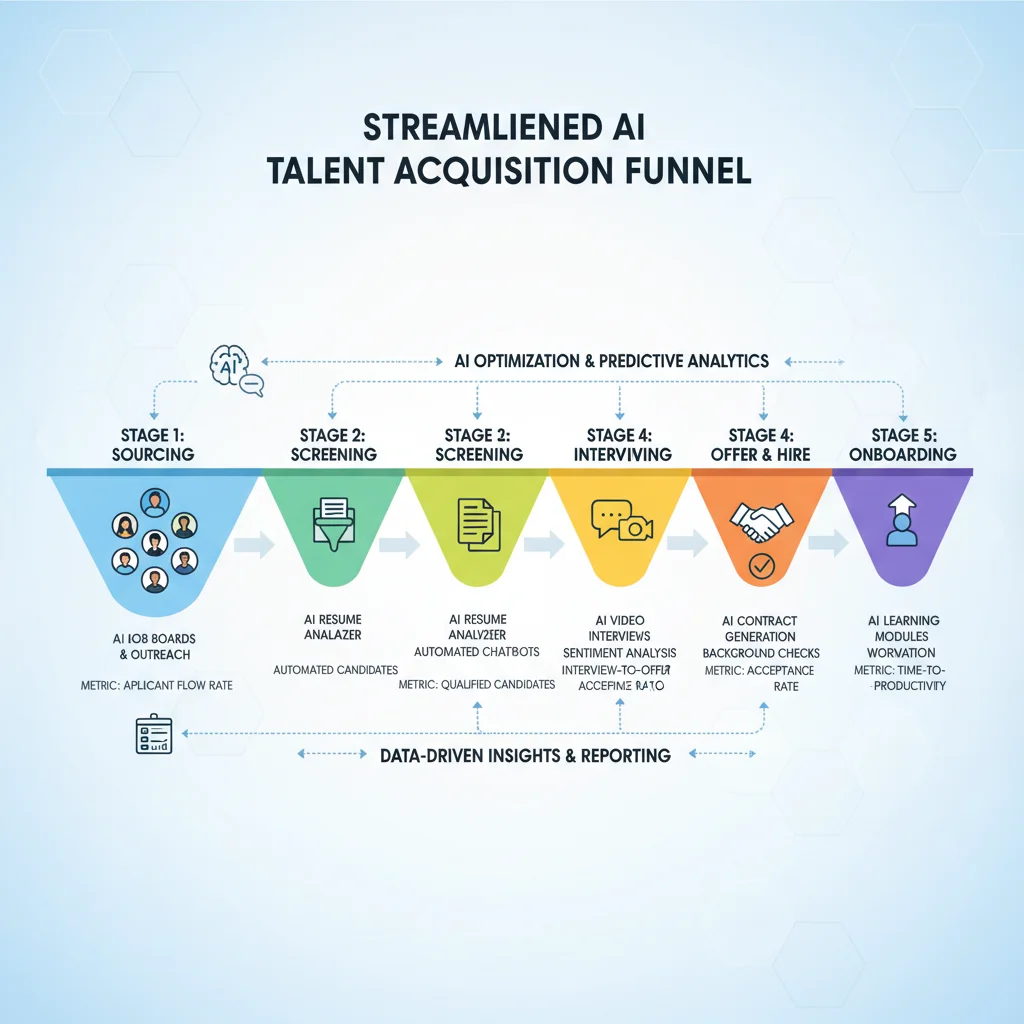
2. AI and Automation for Efficiency and Insights
Artificial intelligence and automation are no longer futuristic concepts; they are integral to modern talent acquisition 2026. These technologies are being used to:
- Automate Sourcing and Screening: AI algorithms can quickly scan resumes, identify relevant skills, and even predict candidate success based on various data points, freeing up recruiters for more strategic tasks.
- Enhance Candidate Matching: Machine learning helps match candidates to roles based on skills, experience, and even cultural fit, improving the quality of hires.
- Data-Driven Decision Making: AI provides insights into recruitment bottlenecks, candidate drop-off points, and the effectiveness of different sourcing channels, allowing for continuous optimization.
- Chatbots and Virtual Assistants: Providing 24/7 support to candidates, answering common questions, scheduling interviews, and offering a seamless experience.
- Bias Reduction: While not foolproof, AI tools can be designed to reduce unconscious bias in resume screening and initial assessments by focusing purely on skills and qualifications.
3. Prioritizing Internal Mobility and Skill Development
In a dynamic job market, looking inward for talent is becoming as crucial as looking outward. Companies are investing heavily in internal mobility programs and continuous learning initiatives to:
- Retain Existing Talent: Offering employees opportunities to grow within the organization reduces turnover costs and keeps valuable institutional knowledge in-house.
- Address Skill Gaps: Identifying future skill needs and proactively training current employees to fill those gaps. This is more cost-effective than constantly hiring externally.
- Boost Employee Engagement: Employees who see clear career paths and feel invested in their development are more engaged and productive.
- Create a Learning Culture: Implementing learning management systems (LMS) and fostering a culture of continuous learning, where employees are encouraged to acquire new skills and adapt to changing demands.
- Leverage Internal Talent Marketplaces: Platforms that allow employees to discover new roles, projects, and mentorship opportunities within the company.
4. Robust Employer Branding and Employee Value Proposition (EVP)
In the Great Reshuffle 2.0, a strong employer brand is a company’s most valuable asset for talent acquisition 2026. Organizations are focusing on:
- Authenticity and Transparency: Showcasing genuine company culture, values, and employee testimonials rather than just corporate platitudes.
- Highlighting Flexibility and Well-being: Explicitly communicating remote/hybrid policies, mental health support, and work-life balance initiatives.
- Diversity, Equity, and Inclusion (DEI): Demonstrating a genuine commitment to DEI through concrete actions, initiatives, and diverse leadership, not just words.
- Showcasing Impact and Purpose: Articulating how employees’ work contributes to the company’s mission and societal impact.
- Employee Advocacy Programs: Encouraging current employees to share their positive experiences on social media and professional networks, turning them into brand ambassadors.
5. Data-Driven Recruitment and Analytics
Recruitment is increasingly becoming a data science. Companies are using analytics to gain deeper insights into their talent acquisition 2026 processes:
- Source of Hire Analysis: Identifying which channels (job boards, referrals, social media) yield the best quality candidates and return on investment.
- Time-to-Hire and Cost-per-Hire: Tracking these key metrics to identify inefficiencies and optimize the recruitment funnel.
- Candidate Experience Metrics: Gathering feedback from candidates at various stages to identify pain points and improve the overall experience.
- Predictive Analytics: Using historical data to forecast future hiring needs, identify potential skill gaps, and predict candidate success and retention rates.
- Diversity Metrics: Analyzing diversity at every stage of the recruitment process to identify and address potential biases and ensure equitable hiring practices.
6. Embracing Contingent and Gig Workers
The traditional full-time employment model is being supplemented by a growing reliance on contingent workers, freelancers, and gig workers. This strategy offers:
- Flexibility and Agility: Companies can quickly scale their workforce up or down based on project needs, accessing specialized skills without the long-term commitment of full-time hires.
- Access to Niche Skills: For highly specialized projects, tapping into the gig economy provides access to experts who might not be available or interested in traditional employment.
- Cost-Effectiveness: In some cases, engaging contingent workers can be more cost-effective than hiring full-time employees, especially for short-term projects.
- Reduced Overhead: Less need for office space and benefits packages for a portion of the workforce.
- Blended Workforce Strategy: Integrating contingent workers seamlessly into the core team, ensuring they feel valued and connected to the company’s mission.
Technology’s Role in Shaping Talent Acquisition 2026
Technology is not just a tool; it’s a co-pilot in navigating the complexities of talent acquisition 2026. The rapid advancements in AI, machine learning, and automation are revolutionizing every aspect of the hiring process.
Advanced Applicant Tracking Systems (ATS)
Modern ATS platforms are far more sophisticated than their predecessors. They integrate AI for resume parsing, candidate scoring, and even initial communication. They act as central hubs for all recruitment activities, providing a holistic view of the candidate journey.
AI-Powered Sourcing Tools
AI algorithms can scour vast databases, social media, and professional networks to identify passive candidates who might be a perfect fit but aren’t actively looking. These tools can even predict which candidates are most likely to respond to outreach.
Virtual and Augmented Reality (VR/AR) in Recruitment
VR and AR are emerging as powerful tools for enhancing the candidate experience. They can be used for:
- Virtual Tours: Giving remote candidates an immersive experience of the office environment and company culture.
- Simulated Assessments: Creating realistic job simulations where candidates can demonstrate their skills in a controlled environment.
- Onboarding: Providing interactive training and orientation experiences for new hires.

Predictive Analytics and People Analytics
Beyond basic recruitment metrics, people analytics leverages vast datasets to predict future workforce needs, identify retention risks, and understand the factors that contribute to employee success. This allows HR and talent acquisition teams to move from reactive to proactive strategies.
Blockchain for Credential Verification
While still in nascent stages, blockchain technology holds promise for secure and immutable verification of candidate credentials, reducing fraud and streamlining background checks.
Building a Future-Proof Talent Acquisition Strategy for 2026
For companies to not just survive but thrive in the Great Reshuffle 2.0, a holistic and adaptable talent acquisition 2026 strategy is essential. Here are key pillars for building such a strategy:
1. Adopt a Skills-First Approach
Move away from rigid degree requirements and prioritize demonstrable skills and competencies. Implement skills-based assessments that evaluate a candidate’s ability to perform job functions, rather than solely relying on their educational background or previous job titles. This broadens the talent pool and promotes diversity.
2. Invest in Continuous Learning and Development
Recognize that skills have a shelf life. Establish robust learning and development programs that empower employees to continuously upskill and reskill. This not only retains talent but also builds an agile workforce capable of adapting to future demands.
3. Cultivate an Authentic and Inclusive Culture
Culture is no longer a buzzword; it’s a competitive advantage. Foster a workplace where employees feel valued, respected, and included. Prioritize psychological safety, open communication, and genuine DEI initiatives. This will naturally attract and retain talent.
4. Embrace Flexibility as a Core Offering
Whether it’s remote, hybrid, or flexible hours, integrate flexibility into your work model where feasible. Communicate these options clearly in job descriptions and during the interview process. This is a non-negotiable for many candidates.
5. Leverage Technology Strategically
Invest in HR tech stack that enhances efficiency, improves candidate experience, and provides actionable insights. However, ensure that technology augments human interaction, rather than replacing it entirely. The human touch remains crucial.
6. Build Strong Talent Pipelines
Proactively engage with potential candidates, even when there are no immediate openings. This includes nurturing relationships with candidates who were previously interviewed, creating talent communities, and fostering university partnerships. A strong pipeline reduces time-to-hire when critical roles emerge.
7. Prioritize Employee Well-being
Go beyond surface-level wellness programs. Implement comprehensive benefits that support physical, mental, and financial well-being. This demonstrates genuine care for employees and fosters loyalty.
8. Measure and Iterate
Continuously track key performance indicators (KPIs) for your talent acquisition efforts. Analyze what’s working and what’s not, and be prepared to adapt your strategies based on data and feedback. The landscape of talent acquisition 2026 will continue to evolve, and agility is key.
The Long-Term Impact: Beyond 2026
The changes spurred by the Great Reshuffle 2.0 and its influence on talent acquisition 2026 are not temporary. They represent a fundamental shift in how work is perceived and performed. The companies that embrace these changes will not only attract the best talent but also build more resilient, innovative, and employee-centric organizations. This means a future where:
- The Candidate Experience is Paramount: Companies will compete fiercely on the quality of their candidate journey, making it as seamless and engaging as possible.
- Skills are the New Currency: Continuous learning and internal mobility will be central to workforce planning, with a greater emphasis on transferable skills over fixed job titles.
- Employer Brand is Differentiated by Culture: Authentic, inclusive, and flexible cultures will be the primary drivers of talent attraction and retention.
- HR Becomes More Strategic: Talent acquisition professionals will evolve into strategic business partners, leveraging data and technology to drive organizational growth.
- The Blended Workforce is Standard: A mix of full-time, part-time, and contingent workers will be the norm, requiring sophisticated management and integration strategies.
In conclusion, the Great Reshuffle 2.0 is not a challenge to be overcome, but an evolution to be embraced. For the 15% of US companies actively redefining their talent acquisition 2026 strategies, this period represents an unprecedented opportunity to build stronger, more adaptable, and ultimately, more successful workforces for the future. The time to innovate, empathize, and strategically reshape recruitment is now.