Marketing’s Metamorphosis: Crafting Strategies for Tomorrow’s Workforce

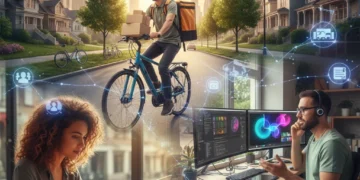
The traditional playbook for marketing is officially broken. For decades, strategies were built around a predictable 9-to-5 rhythm, targeting consumers and employees with monolithic messages through mass channels. But that world is gone, replaced by a fluid, fragmented landscape of remote offices, flexible schedules, and gig economy side-hustles. This isn’t just a minor adjustment; it’s a underlying restructuring of how people live, work, and connect with brands.
This metamorphosis presents a daunting challenge for businesses of all sizes. How do you capture the attention of an audience that no longer congregates around the same physical or digital water coolers? The answer lies in moving beyond outdated demographic targeting and embracing a more nuanced understanding of the modern workforce. This new era demands a shift in focus from what people do to who they are—their values, their motivations, and their expectations for authenticity from the companies they work for and buy from.
Navigating this new terrain requires a complete strategic overhaul. This article provides a roadmap for marketers and leaders aiming to thrive in this evolving environment. We will explore the power of AI-driven psychographics to achieve true personalization, dissect the non-negotiable role of authentic brand purpose, and offer actionable strategies for engaging a complex, multi-generational workforce. Ultimately, you’ll discover how to transform these challenges into your greatest marketing opportunities.
The Evolving Landscape of Work and Its Marketing Implications
The traditional 9-to-5 office job is no longer the default for a huge portion of the population. We’re seeing a massive shift driven by the rise of the gig economy, widespread adoption of remote work, and increasing automation of routine tasks. This isn’t just a change in where people work; it’s a core restructuring of daily life, personal priorities, and, consumer behavior. The data suggests this is a permanent adjustment—a recent Stanford study found that hybrid work arrangements have stabilized, accounting for nearly 30% of all paid workdays in the U.S.
This new reality completely changes the game for marketers. People are no longer commuting at predictable times or gathering around the office water cooler. Instead, their attention is fragmented across different digital platforms and integrated more deeply into their home lives. Think of it like this: old marketing was a billboard on a busy highway everyone took to work. Now, you have to find people on their individual side streets and cul-de-sacs. How can a brand effectively reach an audience whose daily routine is so personalized and fluid?
Understanding these new patterns is necessary. The underrated factor here is how this shift impacts not just B2C but B2B marketing as well. Decision-makers are now researching software from their couch and making purchasing decisions between household chores. Marketers must rethink everything from media buying to messaging. It demands a move toward more flexible and context-aware marketing strategies for evolving workforces.
It’s a complete redefinition of the customer journey. The old models are breaking down, forcing companies to find actionable marketing trends that resonate with a workforce that values flexibility and authenticity above all else (and who can blame them?). This change challenges brands to build relationships in new, more digital-first environments.
Personalization at Scale: Beyond Demographics to Psychographics
Simply knowing your customer’s age and location is no longer enough. That approach is like a barista knowing your name but having no idea about your complex, four-part coffee order. True connection in marketing today comes from understanding the psychographics — the values, interests, and underlying motivations that drive purchasing decisions. This shift from broad demographic buckets to individual mindsets is the new frontier for customer engagement.
This isn’t just a theoretical change. A recent Forrester report found that 89% of digital businesses are actively investing in personalization technologies to move beyond surface-level data. The goal is to answer not just “who” is buying, but “why” they are buying. What most people miss is that this deeper understanding allows brands to craft messages that resonate on an emotional level, building loyalty that demographic targeting alone can’t achieve. This requires a more nuanced view of modern workforce engagement and consumer behavior.
Leveraging AI for Deeper Audience Understanding
Achieving this level of personalization across thousands or millions of customers would be impossible without artificial intelligence. AI and machine learning algorithms can analyze enormous datasets—from browsing history and social media interactions to past purchase behavior—to identify patterns invisible to the human eye. These tools build advanced psychographic profiles that predict future needs and preferences with surprising accuracy.
It’s about proactive connection. Instead of reacting to a customer’s last click, AI enables brands to anticipate their next move, offering a solution before the problem is even fully articulated. This is one of the most powerful actionable marketing trends available to companies today. Think of it less as a targeting tool and more as a digital ethnographer, constantly learning from behavior to refine the conversation.
Here’s a clear breakdown of the two approaches:
| Factor | Traditional (Demographic) | Modern (Psychographic) |
|---|---|---|
| Basis of Segmentation | Quantitative data (age, gender, income, location) | Qualitative data (lifestyle, values, personality, interests) |
| Example Segment | “Women, ages 25-34, living in urban areas” | “Eco-conscious adventurers who value experiences over possessions” |
| Marketing Goal | Reach a broad, defined audience | Connect with an individual’s core motivations |
| Primary Data Sources | Census data, surveys, sales records | Social media activity, browsing data, AI-driven analytics |
Ethical Considerations in Data-Driven Personalization
Of course, this powerful capability walks a fine line. There is a significant difference between a helpful recommendation and an intrusive one. But where does helpfulness end and intrusion begin? Consumers are increasingly aware of how their data is being used, and a misstep can irreparably damage trust — no one wants to see an ad for a product they just mentioned in a private conversation.
Transparency is the only viable path forward. Companies must be explicit about the data they collect and how it’s used to improve the customer experience. Complying with regulations like GDPR and CCPA is the baseline, not the ceiling. The real challenge involves building a data strategy that respects privacy while still delivering the personalized value customers now expect. The most successful marketing strategies for evolving workforces will be those that treat customer data as a borrowed asset, not a conquered resource.
Ultimately, the ethical use of psychographics hinges on using insight to create genuine value for the customer, not just to extract value for the company.
The greatest risk for brands today isn’t being silent; it’s being performative. Purpose-washing—adopting a cause for a single campaign without real commitment—erodes trust faster than saying nothing at all.
— Jasmine Lee, Lead Strategist at Forrester
| Marketing Pillar | Old Approach (Obsolete) | New Approach (Essential) |
|---|---|---|
| Audience Targeting | Broad Demographics (Age, Location) | Psychographics & Values (Beliefs, Motivations) |
| Core Message | Product Features & Benefits | Authentic Brand Purpose & Story |
| Communication | Monolithic, Top-Down Broadcasts | Personalized, Multi-Channel Dialogue |
| Key Metric | Reach and Impressions | Engagement, Loyalty, and Advocacy |
The Rise of Authentic Storytelling and Brand Purpose
Moving beyond the hyper-personalized messages of the past, the next layer of connection is the brand’s own identity. Modern consumers, particularly younger generations entering the workforce, aren’t just buying products; they are investing in what a company stands for. They can spot a disingenuous marketing campaign from a mile away.
This is where brand purpose becomes a non-negotiable asset. A study by Cone/Porter Novelli found that 79% of consumers feel a stronger sense of loyalty to purpose-driven companies. It’s about aligning your company’s values with your customers’ values—and their wallets. For instance, Patagonia’s long-standing commitment to environmentalism isn’t a gimmick; it’s baked into their business model, from product repairs to funding grassroots activism. This consistency builds deep, lasting trust and is a core part of effective marketing strategies for evolving workforces.
“The greatest risk for brands today isn’t being silent; it’s being performative,” explains Jasmine Lee, a lead strategist at Forrester. “Purpose-washing—adopting a cause for a single campaign without real commitment—erodes trust faster than saying nothing at all.” But what does authentic purpose actually look like in practice? It means your brand’s story must be a true reflection of its actions, not just a carefully crafted narrative found in most actionable marketing trends.
Think of it like a friendship. You trust the friend whose actions consistently match their words, not the one who makes empty promises.
The expectation for brands to have a clear, authentic purpose is a underlying change in how commerce and communication operate. This shift is shaping the very future of work and marketing itself.

Engaging the Multi-Generational Workforce: Tailored Communication
Marketing your company’s mission internally is no longer a monolithic task. The modern workplace is a complex mix of up to four distinct generations, each with its own communication habits, values, and expectations. A one-size-fits-all email blast from leadership simply falls flat when trying to connect with everyone from a Baby Boomer nearing retirement to a Gen Z intern just starting their career. This diversity presents a significant challenge. But it also creates an opportunity to build a more resilient and connected company culture.
Treating every employee group the same is like trying to cook four different meals in the same pot—you’ll end up with a bland, unappealing mess that satisfies no one. The key is to understand the unique ingredients each generation brings to the table and tailor your approach accordingly. Success requires a segmented strategy, much like any external marketing campaign. The goal is to make every employee, regardless of age, feel seen and valued.
Understanding Generational Marketing Drivers
Before you can craft effective messages, you must first understand what makes each demographic tick. What motivates a Millennial is often quite different from what drives a Gen X manager. The underlying psychology behind their workplace engagement is shaped by the economic, technological, and social climates they grew up in. Ignoring these formative experiences is a common misstep in internal communications.
Gen Z: Values and Digital Native Expectations
For Generation Z, authenticity isn’t a buzzword; it’s a prerequisite for engagement. Having grown up with social media and instant access to information, they have a finely tuned radar for corporate jargon and disingenuous claims. A recent study from the Workforce Institute found that 82% of Gen Z employees value direct, transparent communication from their leaders above many traditional perks. They expect conversations to happen on the platforms they use daily—think Slack, Microsoft Teams, and even short-form video updates.
They are also fiercely value-driven. This group wants to see a clear line connecting their daily work to a larger purpose, whether it’s social impact or environmental sustainability. If your company talks about its values but doesn’t demonstrate them through action, Gen Z will be the first to notice the disconnect. They want proof, not just promises.
Millennials: Purpose, Flexibility, and Growth
Millennials, now the largest generation in the workforce, share Gen Z’s desire for purpose-driven work but place a heavier emphasis on professional development and work-life integration. According to data from LinkedIn’s workplace learning report, 76% of Millennials believe learning opportunities are a primary reason they stay with a company. They aren’t just looking for a job; they are looking for a career trajectory. Internal marketing that highlights mentorship programs, upskilling resources, and clear paths for advancement resonates deeply.
Flexibility is another non-negotiable for this cohort. After experiencing major shifts in work culture, they value autonomy and trust. Messaging that focuses on rigid office mandates and traditional hierarchies can be a major turn-off. Instead, highlighting policies that support remote work, flexible hours, and employee well-being is a far more effective way to foster loyalty. The underrated factor here is framing these benefits not as perks, but as primary components of adapting strategies for our evolving workplaces.
Crafting Channel-Specific Engagement Strategies
With a clear understanding of generational drivers, the next step is to choose the right channels to deliver your message. An email might be perfect for communicating complex policy changes to Gen X and Boomers, but a critical update for Gen Z might get more traction as a quick video posted in a company-wide Slack channel. The medium is part of the message. This doesn’t mean you must create four separate campaigns for every announcement—that would be chaos—but it does mean being intentional about your primary and secondary channels.
The real challenge is creating a cohesive communication ecosystem where different formats can coexist to reinforce the same core message. For instance, a major company initiative could be announced in a live-streamed town hall (appealing to all), followed by a detailed email with a FAQ document (for Boomers and Gen X), and supported by a week-long series of employee stories on internal social channels (for Millennials and Gen Z). This multi-pronged approach ensures vital information lands effectively across the board. Many of these channel-specific tactics are central to actionable marketing trends for the modern era.
Here are some key considerations for your multi-generational internal marketing plan:
- Segment Your Audiences: Use internal data to segment communication lists by generation, department, and role. Not every message is for everyone.
- Embrace Asynchronous Video: Pre-recorded video messages from leadership offer a personal touch and can be consumed on each employee’s own schedule, a feature highly valued by younger generations.
- Leverage Peer-to-Peer Communication: Encourage employees from different generations to share their own stories and experiences through internal blogs or video testimonials. Authenticity from a peer is often more powerful than a top-down directive.
- Make Feedback Easy and Visible: Use interactive polls on platforms like Slack or simple surveys to gather real-time feedback. Crucially, share the results and explain what actions will be taken.
- Rethink the “All-Hands” Meeting: Make these meetings more interactive with live Q&A sessions moderated through a digital platform, ensuring that even remote employees and quieter personalities can participate.
Ultimately, a successful strategy is less about perfect execution and more about demonstrating a genuine effort to listen and adapt. This ongoing dialogue is what builds trust and engagement, setting the stage for how future marketing trends will shape the future of work itself.
Measuring Impact: Evolving Metrics for Marketing ROI
For decades, marketing success was a simple equation: spend X, get Y in sales. But clinging to old-school metrics like click-through rates and direct conversions is like trying to measure the quality of a five-course meal by only counting the calories. It misses the point entirely. To understand the impact of nuanced campaigns aimed at a diverse workforce, we need a more technical dashboard of marketing ROI indicators.
The shift is from measuring transactions to measuring relationships. Simple conversion data fails to capture the long, winding path a modern customer takes, a journey that might involve a podcast mention, a LinkedIn post from an employee, and a positive review on a third-party site. How do you assign value to those critical, yet indirect, touchpoints? This is the central question forcing a rethink of performance measurement.
Beyond Conversions: Tracking Brand Health and Advocacy
The most forward-thinking marketing teams are now obsessed with metrics that reflect brand perception and influence. Instead of just asking “Did they buy?”, they are asking “What do they think of us?”. This focus on brand sentiment and community engagement provides a much richer picture of long-term viability. It’s the difference between a one-night-stand sale and building genuine loyalty.
This approach moves the goalposts from immediate revenue to sustainable growth, recognizing that a positive brand reputation is an asset that pays dividends over time.
Sentiment Analysis and Social Listening
Measuring what people feel is no longer a guessing game. Using tools for sentiment analysis and social listening, companies can quantify public perception in real-time across social media, forums, and review sites. These platforms analyze language to score mentions as positive, negative, or neutral. According to Forrester research, companies that actively track brand sentiment are 60% more likely to exceed their customer retention goals.
A sudden dip in sentiment can be an early warning system for a product flaw or a PR crisis, allowing teams to react before the issue escalates. Conversely, a spike in positive mentions around a new feature can signal a winning message to amplify in paid campaigns. It’s about listening to the market’s heartbeat, not just its wallet.
Employee Advocacy Programs as Marketing Assets
What most people miss is the incredible marketing power sitting right inside their own company. An employee advocacy program turns your team into a legion of authentic brand ambassadors. When an engineer shares a technical blog post or a sales lead posts about a positive client outcome, that message carries a level of trust that a branded ad simply cannot replicate. Their networks are often more engaged and targeted than a company’s general follower base.
Developing these programs is a core part of adapting strategies for today’s teams, as it aligns internal culture with external marketing goals. The key metric here isn’t just “shares,” but “Engaged Reach”—the number of meaningful interactions (comments, reshares with commentary) generated from employee content. It’s an investment in authenticity that pays off significantly.
Attribution Models for Complex Journeys
If a customer sees a billboard, clicks a Google ad, and then buys from a direct link in an email, who gets the credit? Last-touch attribution gives 100% of the credit to the email, ignoring the other notable steps. This is a flawed model for the modern, multi-channel customer journey. Companies are now adopting more technical attribution models to distribute credit more accurately.
Multi-touch models—like linear, time-decay, or U-shaped—assign partial credit to each touchpoint that influenced the final decision. This provides a more holistic view of which channels are actually working together to drive results. Understanding these complex interactions is necessary for making smart budget decisions and understanding the real value of top-of-funnel activities that don’t lead directly to a sale. These are the kinds of actionable marketing trends that separate high-growth companies from the rest.
Leveraging Predictive Analytics for Future Campaigns
The ultimate evolution in marketing measurement is looking forward, not just backward. With predictive analytics, marketers can use historical data and machine learning algorithms to forecast future outcomes. This technology can identify which customer segments are most likely to convert, who is at risk of churning, and what the projected customer lifetime value (CLV) of a new cohort will be.
Consider a retail brand that used predictive analytics to analyze the browsing and purchase history of its most valuable customers. The model identified a common pattern: high-value customers often first purchased a specific, lower-cost “gateway” product. By heavily promoting this item to new audiences—a move that traditional ROI models might have discouraged—the brand successfully increased its overall CLV by a reported 19% within two quarters.
This data-driven foresight transforms marketing from a reactive function to a strategic one. It allows leaders to allocate resources with greater confidence and build campaigns designed not just for immediate impact, but for long-term, predictable success.
Beyond Marketing: When Culture Becomes the Message
As we’ve seen, adapting to the future of work requires a profound shift from broad-stroke campaigns to deeply personal, purpose-driven engagement. But looking ahead, the most successful brands will be those that erase the line between internal culture and external marketing entirely. The focus will move beyond simply marketing *to* the workforce and toward marketing *with* them, transforming employees from targets into the most authentic storytellers and advocates a brand can have.
The next frontier isn’t a new technology or a clever channel; it’s radical transparency. What if your company’s internal communications, employee satisfaction scores, and cultural initiatives were your most powerful marketing assets? As the workforce continues to value authenticity above all, the companies that thrive will be those brave enough to make their internal reality their external brand promise. The ultimate question then becomes: is your company culture strong enough to be your next marketing campaign?
Frequently Asked Questions
How is AI transforming marketing strategies for workforce engagement?
AI enables a shift from broad demographic targeting to deep psychographic understanding. It analyzes behavior, values, and interests to help companies craft highly personalized messages that resonate with individual employees and consumers. This allows brands to anticipate needs and build genuine connections with a workforce that values authenticity and relevance.
What role does brand purpose play in attracting and retaining talent today?
Brand purpose is now a key differentiator in the talent market. Modern workers, especially younger generations, actively seek employers whose values align with their own. A clear and consistently demonstrated purpose builds deep loyalty and attracts individuals looking for meaningful work, making it a powerful tool for both recruitment and retention.
How can businesses effectively market to a multi-generational workforce?
Effective marketing requires a segmented strategy that respects the unique values and communication preferences of each generation. This involves using different channels—such as interactive platforms for Gen Z and detailed emails for Boomers—and tailoring messages to focus on what matters most to each group, whether it’s career growth for Millennials or stability for Gen X.
What are the most key marketing metrics to track in the evolving work landscape?
The focus is shifting from surface-level metrics like impressions to deeper indicators of engagement and loyalty. key metrics now include employee advocacy rates (how often staff share content), internal sentiment analysis, and customer lifetime value driven from purpose-aligned campaigns. These KPIs provide a more accurate measure of marketing’s impact on business health.