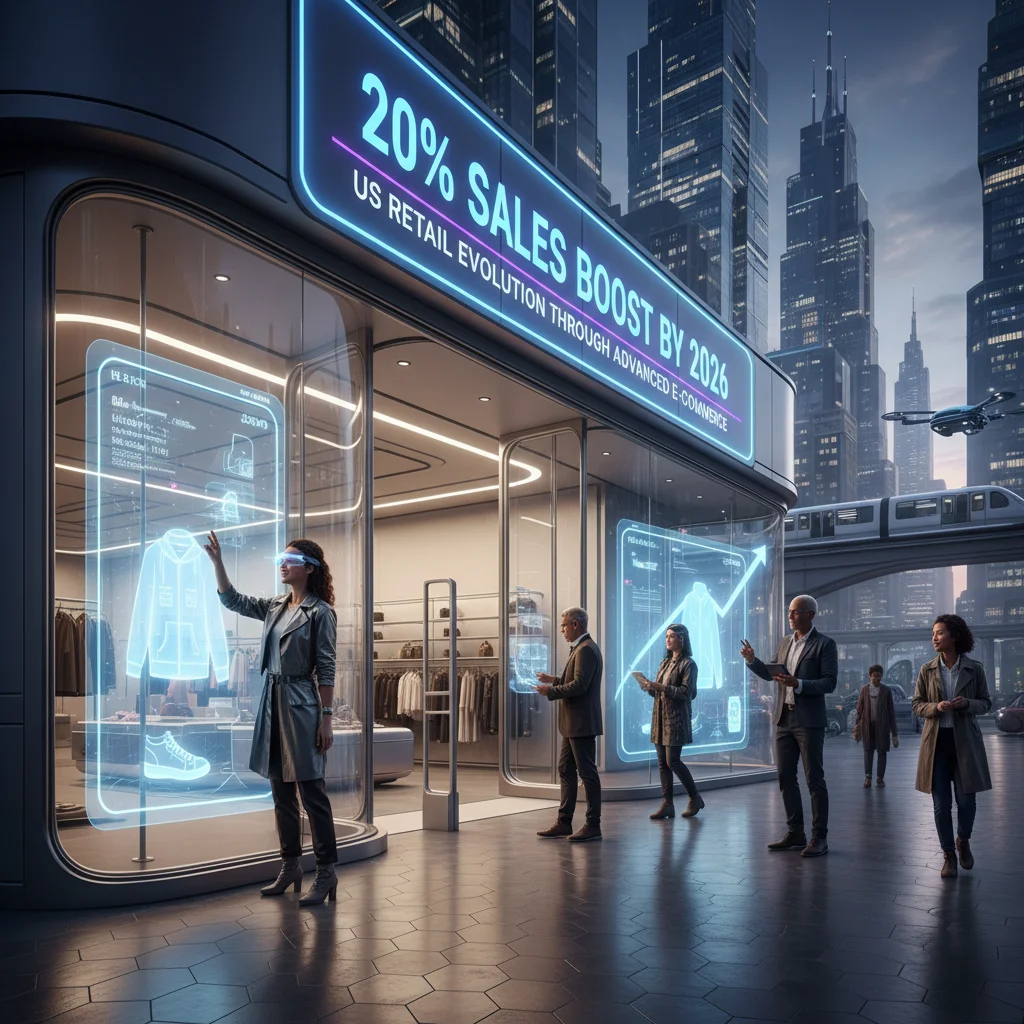
Retail Sector Evolution in the US: 5 E-commerce Strategies for a 20% Sales Boost in 2026
The United States retail sector is in a perpetual state of flux, constantly evolving to meet the dynamic demands of consumers and the relentless march of technological innovation. As we approach 2026, the imperative for retailers to adapt and innovate within the e-commerce landscape has never been more critical. The digital transformation isn’t just a buzzword; it’s the bedrock upon which future retail success will be built. Businesses that embrace forward-thinking retail e-commerce strategies are not merely surviving; they are poised to thrive, potentially achieving a significant 20% sales boost or even more.
The COVID-19 pandemic acted as an accelerant, pushing countless consumers online and forcing retailers to rapidly scale their digital operations. While the initial surge might have stabilized, the underlying shift in consumer behavior is permanent. Expectations for convenience, personalization, and seamless shopping experiences have been set high, and only those retailers who consistently deliver will capture and retain market share. This article delves into five pivotal retail e-commerce strategies that will be indispensable for US retailers aiming for substantial growth by 2026.
Understanding these strategies is not just about implementing new technologies; it’s about fundamentally rethinking the customer journey, optimizing operational efficiencies, and building resilient, future-proof business models. From hyper-personalization to the integration of sustainable practices, each strategy offers a unique pathway to enhance customer engagement, foster loyalty, and ultimately, drive that coveted sales increase.
1. Hyper-Personalization at Scale: Beyond Basic Recommendations
In an increasingly crowded digital marketplace, generic approaches fall flat. Consumers today expect brands to understand their individual preferences, anticipate their needs, and offer tailored experiences. This goes far beyond simple product recommendations based on past purchases. Hyper-personalization, one of the most impactful retail e-commerce strategies, leverages advanced data analytics, artificial intelligence (AI), and machine learning (ML) to create a truly bespoke shopping journey for each customer.
What is Hyper-Personalization?
Hyper-personalization involves collecting and analyzing vast amounts of customer data – including browsing history, purchase patterns, demographic information, geographic location, social media activity, and even real-time behavior on the website or app. This data is then used to dynamically adjust every aspect of the customer’s interaction with the brand, from the content of emails and website layouts to product suggestions and promotional offers.
Key Elements for Implementation:
- Advanced AI/ML Platforms: Invest in platforms that can process large datasets and identify nuanced patterns. These tools can predict future behavior and recommend products or content with high accuracy.
- Real-time Personalization: The ability to adapt the user experience in real-time based on their current session behavior. If a customer is browsing running shoes, the site should immediately surface related accessories, articles on running techniques, or even local running groups.
- Personalized Content and Messaging: Crafting email campaigns, push notifications, and SMS messages that speak directly to the individual’s interests and past interactions. This includes personalized subject lines, product showcases, and even timing of communication.
- Dynamic Website and App Experiences: Changing the layout, featured categories, and promotional banners on your e-commerce site or app based on individual user profiles. For instance, a first-time visitor might see popular items, while a returning customer might see products related to their previous purchases or wish list.
- Personalized Pricing and Offers: While controversial in some contexts, dynamic pricing and personalized discounts, when ethically implemented, can significantly boost conversion rates and customer loyalty. This requires careful consideration of customer segments and perceived value.
Impact on Sales Boost:
Studies consistently show that hyper-personalization can lead to significant increases in conversion rates, average order value, and customer lifetime value. By making each customer feel understood and valued, retailers can foster stronger relationships, reduce bounce rates, and encourage repeat purchases. This strategy is not merely about selling more; it’s about building a loyal customer base that actively seeks out your brand, making it a cornerstone of effective retail e-commerce strategies.
2. Seamless Omnichannel Integration: Bridging the Digital and Physical Divide
The modern consumer doesn’t differentiate between online and offline shopping; they expect a fluid, consistent experience across all touchpoints. Omnichannel integration, a critical component of successful retail e-commerce strategies, aims to break down the silos between physical stores, e-commerce websites, mobile apps, social media, and customer service channels. The goal is to create a unified brand experience that allows customers to move effortlessly between channels without disruption.
Defining Omnichannel vs. Multichannel:
- Multichannel: Retailers offer multiple channels (e.g., website, store, app), but these channels often operate independently.
- Omnichannel: All channels are integrated and work together to provide a cohesive customer journey. A customer can start an order online, pick it up in-store, and return it via mail, all while their preferences and purchase history are accessible across every touchpoint.
Essential Omnichannel Components:
- Unified Customer Data: A single view of the customer, combining online and offline purchase history, browsing behavior, and interactions. This data fuels personalization efforts across all channels.
- Click-and-Collect (BOPIS – Buy Online, Pick Up In-Store): This service has become a non-negotiable expectation. It offers convenience and speed, reducing shipping costs for the customer and potentially driving additional in-store purchases when they pick up their order.
- Ship-from-Store Capabilities: Utilizing physical store inventory to fulfill online orders. This reduces shipping times, optimizes inventory management, and can turn brick-and-mortar locations into mini-distribution centers.
- In-Store Technology Integration: Equipping sales associates with tablets or mobile devices that provide access to customer profiles, online inventory, and product information. This allows them to assist customers more effectively and offer personalized recommendations.
- Consistent Branding and Messaging: Ensuring that the brand’s voice, visual identity, and promotional offers are consistent across all online and offline channels.
- Seamless Returns and Exchanges: Allowing customers to return or exchange items purchased online at a physical store, or vice-versa, with minimal hassle.
Benefits for Sales Growth:
Omnichannel customers tend to be more loyal and spend more than single-channel shoppers. By removing friction points and offering greater flexibility, retailers can significantly improve customer satisfaction and retention. This integrated approach is a powerful driver for the 20% sales boost, making it a cornerstone among effective retail e-commerce strategies.

3. Mobile-First Optimization: The Dominance of Smartphone Shopping
The smartphone is no longer just a communication device; it’s the primary shopping tool for a vast majority of consumers. Any retailer serious about achieving a 20% sales boost must adopt a mobile-first approach, ensuring that their e-commerce experience is not just mobile-friendly, but specifically designed and optimized for mobile devices. This is a non-negotiable element of modern retail e-commerce strategies.
Why Mobile-First?
- Prevalence of Mobile Usage: Mobile devices account for the majority of e-commerce traffic and a significant percentage of transactions. This trend is only set to increase.
- Consumer Expectation: Shoppers expect fast, intuitive, and visually appealing mobile experiences. A clunky mobile site can lead to immediate abandonment.
- Local SEO and Proximity Marketing: Mobile devices are crucial for local searches and can be leveraged for location-based marketing, driving foot traffic to physical stores.
Key Mobile Optimization Tactics:
- Responsive Design: While a basic requirement, ensure your website fluidly adapts to all screen sizes and orientations without compromising functionality or aesthetics.
- Accelerated Mobile Pages (AMP) or Progressive Web Apps (PWAs): Implement AMP for lightning-fast page loads on mobile search results, or develop PWAs that offer app-like experiences directly from the browser, including offline capabilities and push notifications.
- Simplified Navigation and Checkout: Mobile interfaces should have clear, concise navigation. The checkout process must be streamlined, ideally with one-click options, digital wallet integration (Apple Pay, Google Pay), and minimal form fields.
- Optimized Images and Videos: Compress media files to ensure fast loading times without sacrificing quality. Mobile users are often on cellular data, so large files can be a deterrent.
- Touch-Friendly Elements: Ensure all buttons, links, and interactive elements are large enough and spaced appropriately for easy tapping.
- Voice Search Optimization: As voice assistants become more common, optimize product descriptions and site content for natural language queries.
- Dedicated Mobile App (If Applicable): For larger retailers or those with high customer engagement, a well-designed native mobile app can offer superior performance, personalized features, and push notification capabilities, further solidifying retail e-commerce strategies.
Achieving Sales Targets:
A superior mobile experience directly translates to higher conversion rates and reduced cart abandonment. By prioritizing mobile, retailers tap into the largest segment of online shoppers, ensuring they don’t lose potential sales due to poor user experience. This focus is indispensable for retailers targeting a 20% sales boost by 2026.
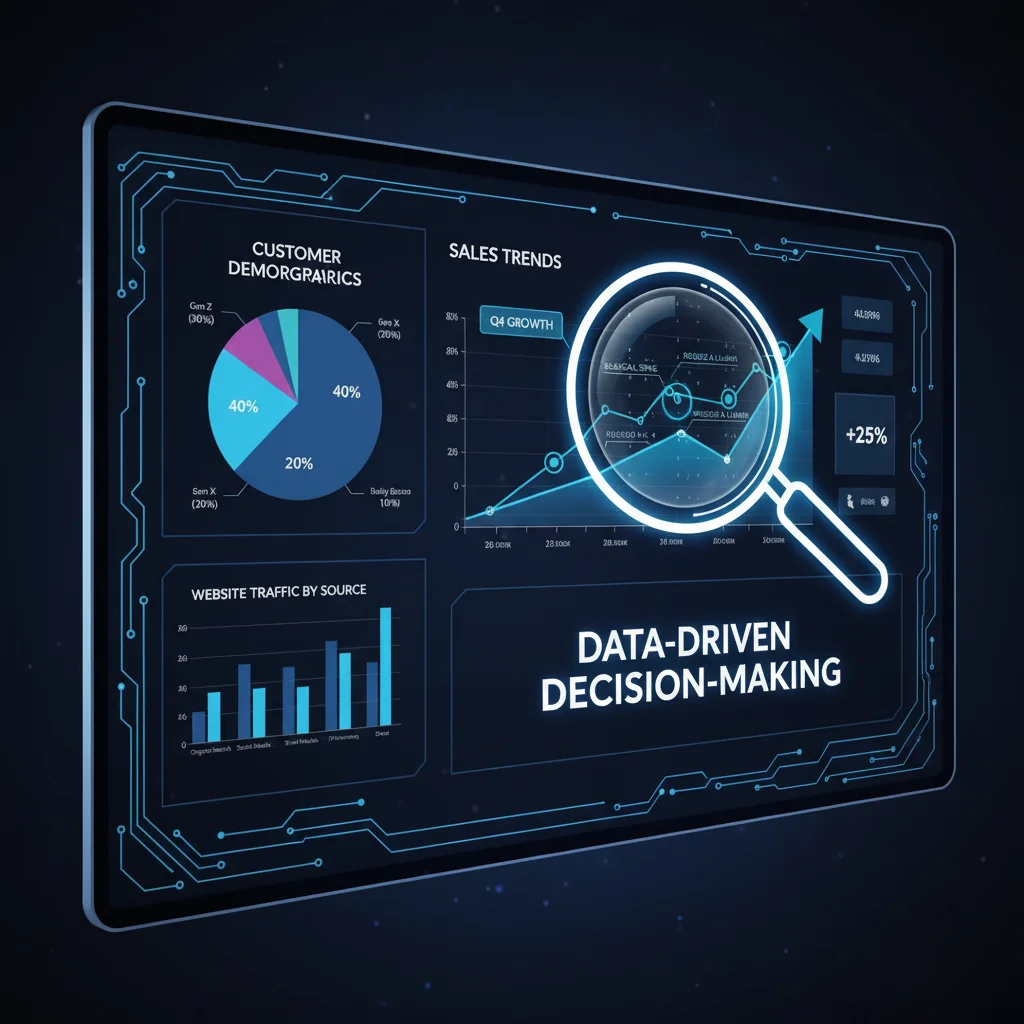
4. Data-Driven Decision Making and Predictive Analytics
In the digital age, data is the new oil. The ability to collect, analyze, and act upon vast quantities of customer and operational data is a significant differentiator for successful retailers. Data-driven decision making, empowered by predictive analytics, forms the backbone of intelligent retail e-commerce strategies, allowing businesses to anticipate market trends, optimize inventory, and personalize customer experiences with unparalleled precision.
The Power of Data Analytics:
- Understanding Customer Behavior: Gaining deep insights into what customers buy, when they buy, how they interact with your site, and what influences their decisions.
- Optimizing Marketing Spend: Identifying the most effective marketing channels and campaigns, allowing for better allocation of budget and higher ROI.
- Inventory Management: Predicting demand for specific products, reducing overstocking or stockouts, and optimizing supply chain logistics.
- Fraud Detection: Identifying suspicious patterns in transactions to prevent financial losses.
- Personalization: As discussed earlier, data is the fuel for hyper-personalization efforts.
Harnessing Predictive Analytics:
Predictive analytics takes historical data and applies statistical algorithms and machine learning techniques to forecast future outcomes. For e-commerce, this means:
- Sales Forecasting: More accurately predicting future sales volumes for individual products or categories.
- Customer Churn Prediction: Identifying customers who are likely to stop purchasing and implementing targeted retention strategies.
- Next Best Offer: Recommending the most relevant product or service to a customer at a specific point in their journey.
- Dynamic Pricing: Adjusting prices in real-time based on demand, competitor pricing, and inventory levels to maximize revenue and profit margins.
- Personalized Content Delivery: Predicting what content a customer is most likely to engage with and delivering it proactively.
Tools and Implementation:
Implementing a robust data analytics strategy requires investment in:
- Customer Data Platforms (CDPs): To unify customer data from various sources.
- Business Intelligence (BI) Tools: For data visualization and reporting.
- AI/ML Platforms: For advanced predictive modeling and automation.
- Dedicated Data Scientists/Analysts: To interpret complex data and translate insights into actionable strategies.
Driving a 20% Sales Boost:
By making informed, data-backed decisions, retailers can significantly improve their operational efficiency, marketing effectiveness, and customer satisfaction. This precision in strategy execution minimizes wasted resources and maximizes conversion opportunities, directly contributing to the ambitious 20% sales boost. Data-driven approaches are non-negotiable among leading retail e-commerce strategies.
5. Embracing Sustainability and Ethical Practices: The Conscious Consumer
Beyond price and convenience, a growing segment of consumers, particularly younger demographics, are making purchasing decisions based on a brand’s commitment to sustainability and ethical practices. Integrating these values into your retail e-commerce strategies is no longer just a ‘nice-to-have’ but a commercial imperative that can significantly impact brand loyalty and sales.
The Rise of the Conscious Consumer:
- Environmental Concerns: Consumers are increasingly worried about climate change, plastic waste, and the environmental footprint of their purchases.
- Ethical Sourcing: Demand for products that are ethically sourced, fair trade, and produced without exploiting labor is on the rise.
- Transparency: Shoppers want to know where their products come from, how they are made, and what impact they have.
Integrating Sustainability into E-commerce:
- Sustainable Sourcing and Production: Highlight your efforts in sourcing eco-friendly materials, reducing waste in manufacturing, and partnering with ethical suppliers.
- Eco-Friendly Packaging: Replace single-use plastics with recyclable, compostable, or reusable packaging materials. Clearly communicate your packaging initiatives to customers.
- Carbon Neutral Shipping Options: Offer customers the option to offset the carbon footprint of their deliveries, or invest in carbon-neutral shipping solutions yourself.
- Circular Economy Initiatives: Implement programs for product take-back, repair services, or resale of used items. This extends product life cycles and appeals to environmentally conscious consumers.
- Transparent Communication: Clearly articulate your sustainability goals, certifications, and progress on your website, product pages, and marketing materials. Authenticity is key – avoid ‘greenwashing’.
- Support for Social Causes: Partner with charities or social enterprises, donating a portion of sales to causes that resonate with your brand and customer base.
Impact on Sales and Brand Reputation:
Brands that genuinely embrace sustainability build trust and foster deep loyalty among conscious consumers. This can lead to increased sales, higher customer lifetime value, and a stronger brand reputation, which is invaluable in today’s competitive market. By aligning with consumer values, retailers can not only achieve a 20% sales boost but also build a resilient and respected brand for the long term. These ethical considerations are becoming central to effective retail e-commerce strategies.
The Road Ahead: Consolidating these Retail E-commerce Strategies for Maximum Impact
Achieving a significant 20% sales boost in the US retail sector by 2026 is an ambitious yet entirely attainable goal for businesses willing to strategically invest in their e-commerce capabilities. The five retail e-commerce strategies outlined – hyper-personalization, seamless omnichannel integration, mobile-first optimization, data-driven decision making, and embracing sustainability – are not standalone initiatives. Their true power lies in their synergy.
Imagine a scenario where a customer receives a hyper-personalized offer (Strategy 1) on their mobile device (Strategy 3), which they then use to purchase online and pick up in-store (Strategy 2). The entire journey is informed by predictive analytics (Strategy 4) that anticipated their need, and the packaging reflects the brand’s commitment to sustainability (Strategy 5). This integrated approach creates an unparalleled customer experience that fosters loyalty and drives repeat business.
Key Takeaways for Retailers:
- Invest in Technology: Modern e-commerce success is heavily reliant on robust platforms for AI/ML, data analytics, and omnichannel management.
- Prioritize the Customer: Every strategy should ultimately aim to improve the customer experience, making it more convenient, personalized, and trustworthy.
- Be Agile and Adaptable: The retail landscape changes rapidly. Retailers must be prepared to continuously analyze performance, experiment with new approaches, and pivot as needed.
- Foster a Data Culture: Encourage all teams, from marketing to operations, to use data to inform their decisions.
- Communicate Your Values: Authentically share your brand’s commitment to ethical and sustainable practices.
The evolution of the US retail sector is a continuous journey, not a destination. By proactively adopting and refining these retail e-commerce strategies, businesses can not only meet the challenges of the coming years but also position themselves for unprecedented growth and lasting success. The 20% sales boost is within reach for those who dare to innovate and put the customer at the heart of their digital transformation.
The time to act is now. Retailers who embrace these strategic shifts will be the leaders of tomorrow, shaping the future of commerce and setting new benchmarks for customer engagement and sales performance in the dynamic US market.