U.S. Retailers Battle Inflation: Holiday Pricing Strategies 2026

The U.S. retail landscape is a dynamic and ever-evolving ecosystem, constantly shaped by economic forces, technological advancements, and shifting consumer behaviors. As we approach the highly anticipated 2026 holiday shopping season, one challenge looms larger than most: inflationary pressures. Retailers across the nation are grappling with elevated costs for raw materials, labor, logistics, and energy, all of which directly impact their bottom line. The critical question for many is how to navigate these turbulent waters without alienating price-sensitive consumers or sacrificing profitability. This article delves into the intricate world of retailer pricing strategies, exploring the innovative and often complex approaches U.S. retailers are employing to adjust their pricing in response to persistent inflation for the upcoming holiday rush.
The holiday season, traditionally a period of heightened consumer spending and significant revenue generation for retailers, presents a unique set of challenges under inflationary conditions. Consumers, already feeling the pinch of rising everyday expenses, are likely to be more discerning with their discretionary spending. Retailers, therefore, must strike a delicate balance: cover their increased costs while still offering attractive prices that compel purchases. This balancing act requires sophisticated analysis, foresight, and a willingness to adapt traditional pricing models. Understanding these retailer pricing strategies is not just crucial for businesses, but also for consumers who wish to navigate their holiday shopping wisely.
Understanding the Inflationary Landscape Leading to Holiday 2026
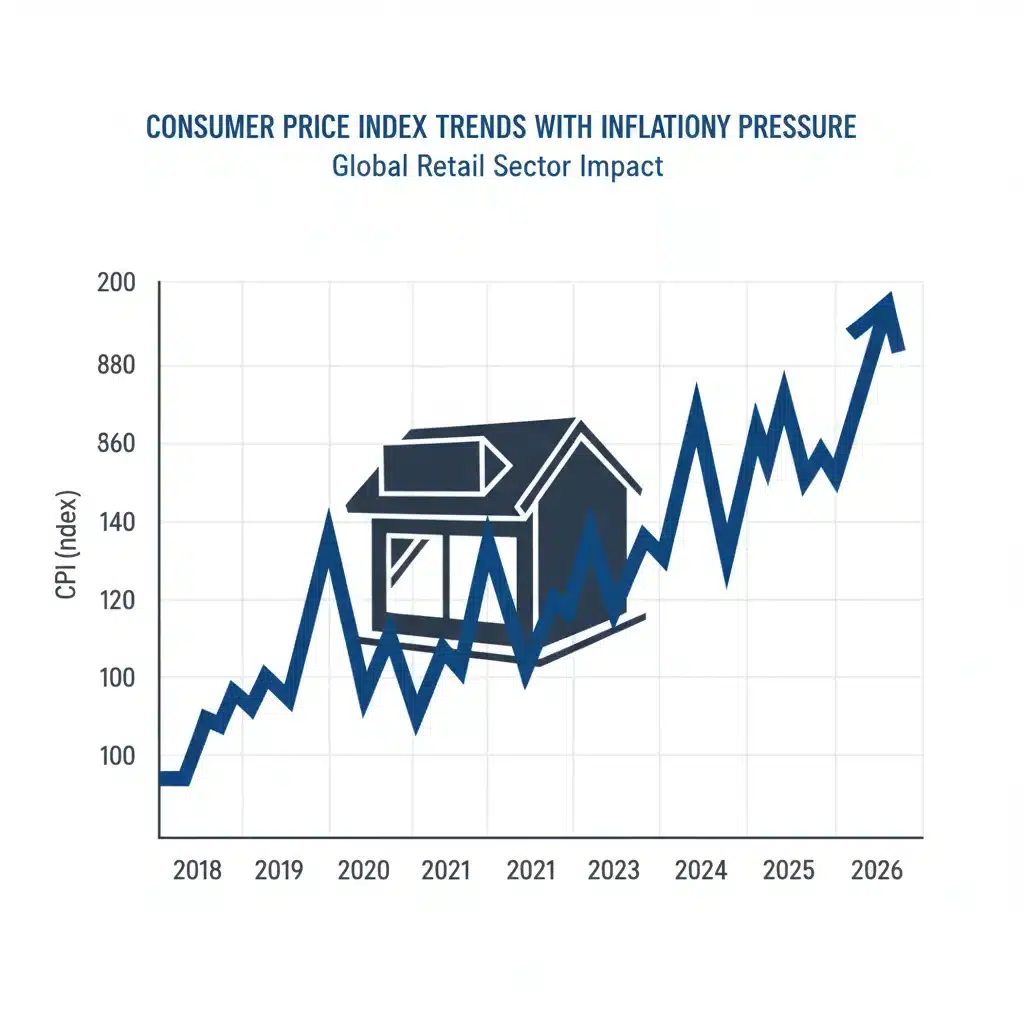
Before dissecting specific retailer pricing strategies, it’s essential to grasp the nature of the inflationary environment. For several years, the global economy has experienced various supply chain disruptions, geopolitical tensions, and shifts in consumer demand that have contributed to persistent inflation. While some sectors may see moderation, others continue to face upward cost pressures. Energy prices, for instance, remain a volatile factor, directly impacting transportation and manufacturing costs. Labor shortages in key sectors continue to drive up wages, further contributing to operating expenses for retailers.
Moreover, the cumulative effect of inflation over several years means that consumer purchasing power has been eroded. Shoppers are acutely aware of price changes, making them more likely to compare prices, seek out deals, and potentially delay non-essential purchases. This heightened consumer sensitivity places immense pressure on retailers to justify their prices and offer perceived value. The holiday season, while a time of generosity, is not immune to these economic realities. Consumers will still spend, but they will likely be more strategic in their choices, making effective retailer pricing strategies paramount for success.
The 2026 holiday season is projected to be a critical test for many retailers. Those who fail to adapt their pricing models risk losing market share to more agile competitors or experiencing reduced profit margins. The traditional approach of simply passing on increased costs to consumers may no longer be viable for all product categories, especially those with high price elasticity of demand. Therefore, a nuanced understanding of market dynamics and consumer psychology is integral to developing successful retailer pricing strategies in this challenging climate.
Dynamic Pricing: A Key Strategy for Agility
One of the most prominent retailer pricing strategies gaining traction in an inflationary environment is dynamic pricing. This approach involves adjusting prices in real-time based on market demand, competitor pricing, inventory levels, and even consumer behavior. E-commerce platforms have long utilized dynamic pricing, but brick-and-mortar stores are increasingly adopting hybrid models to implement similar flexibility. For the 2026 holiday season, dynamic pricing allows retailers to respond swiftly to changing market conditions.
For example, if a particular product is in high demand and supply is limited, its price might increase. Conversely, if an item is not selling as anticipated, its price can be lowered to clear inventory before the holiday season ends. This strategy helps retailers optimize revenue and minimize losses due to unsold stock. However, implementing dynamic pricing requires sophisticated data analytics capabilities and careful consideration to avoid consumer backlash. Frequent, drastic price changes can erode trust and lead to perceptions of unfairness. Transparency, or at least a clear value proposition, becomes crucial when employing such flexible retailer pricing strategies.
Furthermore, dynamic pricing can be tailored to individual customers or segments based on their browsing history, loyalty status, or geographic location. While this offers immense potential for maximizing profit, it also raises ethical considerations and requires careful implementation to maintain customer satisfaction. The goal is to find the optimal price point that balances profitability with perceived fairness and customer retention, especially during a period like the holiday season where customer experience is paramount.
Bundling and Unbundling: Reshaping Value Propositions
Another innovative approach within retailer pricing strategies is the strategic use of bundling and unbundling products. In an inflationary environment, consumers are often looking for more value for their money. Bundling involves offering multiple products or services together as a package at a slightly reduced price compared to buying each item individually. This can create a perception of greater value and encourage higher average transaction values.
For instance, a retailer might offer a holiday gift set containing several related items at a bundled price, making it more appealing than purchasing each component separately. This strategy can also help move slower-selling items by pairing them with popular products. From a consumer perspective, a well-curated bundle simplifies decision-making and often feels like a better deal, even if the individual component prices have subtly increased due to inflation.
Conversely, unbundling involves separating products or services that were traditionally sold together. This can be effective for consumers who are highly price-sensitive and only want to pay for exactly what they need. For example, if a premium product traditionally comes with several accessories, a retailer might offer the core product at a lower price point, with accessories available for separate purchase. This allows consumers to customize their purchase and manage their spending more effectively. Both bundling and unbundling are powerful retailer pricing strategies that can be leveraged to cater to diverse consumer needs and budgets during inflationary times.
Price Skimming and Penetration Pricing: Strategic Market Entry and Exit
While often associated with new product launches, price skimming and penetration pricing can also be adapted as part of broader retailer pricing strategies in an inflationary climate, especially for new holiday offerings or specific product lines. Price skimming involves setting a high initial price for a new product and then gradually lowering it over time. This strategy is effective for unique or innovative products that appeal to early adopters who are less price-sensitive.
During the 2026 holiday season, a retailer introducing a cutting-edge gadget or an exclusive luxury item might employ price skimming to capitalize on initial excitement and perceived scarcity. This allows them to recoup development costs quickly and maximize profits from early sales, before eventually lowering the price to attract a broader market segment. This can be particularly useful if the retailer anticipates that inflationary pressures might ease or that production costs will decrease over time.
On the other hand, penetration pricing involves setting a low initial price to quickly gain market share. This strategy is often used for products in highly competitive markets or for introducing a new brand. In an inflationary environment where consumers are scrutinizing every purchase, a competitive penetration price can be a powerful draw for holiday shoppers. The goal is to attract a large customer base and then potentially raise prices gradually once brand loyalty is established or cost efficiencies are realized. Both strategies require careful analysis of the market, competition, and product lifecycle to be successful components of retailer pricing strategies.
Value-Based Pricing: Emphasizing Benefits Over Cost
In an environment where prices are generally rising, shifting the focus from cost to value can be a highly effective retailer pricing strategy. Value-based pricing involves setting prices primarily based on the perceived value of a product or service to the customer, rather than on the cost of production. This requires retailers to deeply understand their target audience’s needs, preferences, and willingness to pay for specific benefits.
For the 2026 holiday season, this could mean highlighting the durability, quality, unique features, or sustainability aspects of a product. If a consumer perceives a product as offering superior long-term value, they may be more willing to pay a higher price, even amidst inflationary concerns. Retailers can achieve this through compelling marketing, detailed product descriptions, and excellent customer service that reinforces the product’s benefits. For example, a retailer selling high-quality, sustainable apparel might emphasize the longevity and ethical production of their garments, justifying a higher price point compared to fast fashion alternatives.
Implementing value-based pricing effectively requires a strong brand identity and clear communication of the unique selling propositions. It moves the conversation away from just the numerical price and towards the overall benefit and satisfaction the customer will derive from the purchase. This is a sophisticated element of retailer pricing strategies that can build long-term customer loyalty and resilience against price competition.
Psychological Pricing: Tapping into Consumer Perception
Psychological pricing techniques continue to be fundamental retailer pricing strategies, especially when consumers are highly price-conscious due to inflation. These tactics play on human psychology to make prices appear more attractive or manageable. Common examples include:
- Charm Pricing: Ending prices with .99 or .97 (e.g., $19.99 instead of $20) to make them appear significantly lower. This small difference can have a disproportionate impact on consumer perception.
- Prestige Pricing: Setting high prices to convey an image of luxury, quality, or exclusivity. This can be effective for certain premium holiday gifts where the price itself becomes part of the product’s allure.
- Anchor Pricing: Presenting a higher-priced item first (the ‘anchor’) to make subsequent, slightly lower-priced items seem like a better deal. This frames the consumer’s perception of value.
- Decoy Effect: Introducing a third, less attractive option to make one of the other two options seem more appealing. For example, offering a small, medium, and large size, where the medium is priced in a way that makes the large seem like a much better value.
- Buy One, Get One (BOGO) or Percentage Off Deals: While seemingly straightforward, the way these promotions are framed can significantly influence purchasing decisions, especially when consumers are looking for deals.
During the 2026 holiday season, retailers will likely intensify their use of these psychological retailer pricing strategies to sway purchasing decisions without necessarily lowering actual profit margins significantly. The key is to implement these tactics subtly and ethically, ensuring they genuinely enhance the customer’s perceived value rather than simply deceiving them.
Subscription Models and Loyalty Programs: Building Long-Term Relationships
Beyond one-off purchases, many retailers are exploring or expanding subscription models and robust loyalty programs as part of their retailer pricing strategies to combat inflation. Subscription services offer predictable revenue streams for businesses and often provide consumers with cost savings or exclusive benefits over time, making them attractive in an inflationary environment.
For the holiday season, a retailer might offer a special holiday-themed subscription box or a discount on an annual membership that provides benefits throughout the year. This locks in customer commitment and can smooth out sales fluctuations. Similarly, enhanced loyalty programs can incentivize repeat purchases by offering points, exclusive discounts, early access to sales, or personalized offers. These programs make customers feel valued and can encourage them to choose a particular retailer even if some prices are slightly higher elsewhere.
In an inflationary period, consumers are more likely to stick with brands that offer tangible benefits and a sense of belonging. Loyalty programs and subscription models foster this relationship, making customers less susceptible to immediate price comparisons and more invested in the retailer’s ecosystem. These are forward-looking retailer pricing strategies that prioritize customer lifetime value over short-term transaction gains.
Cost-Plus Pricing with Strategic Adjustments
While sophisticated strategies like dynamic and value-based pricing are gaining prominence, traditional cost-plus pricing still forms the bedrock for many retailers. However, in an inflationary environment, this approach requires strategic adjustments. Cost-plus pricing involves adding a standard markup percentage to the cost of producing or acquiring a product. The challenge with inflation is that the ‘cost’ component is constantly rising.
For the 2026 holiday season, retailers using cost-plus models must meticulously track their input costs – from raw materials and manufacturing to shipping and labor. Instead of a blanket percentage markup, they might apply varying markups based on product category, demand elasticity, and competitor pricing. For instance, essential items with inelastic demand might tolerate a higher markup, while discretionary goods might require a more conservative approach to remain competitive.
Furthermore, retailers are increasingly looking for ways to reduce their internal costs to minimize the impact on consumer prices. This includes optimizing supply chains, negotiating better deals with suppliers, improving operational efficiencies, and automating processes. By actively managing their costs, retailers can maintain more stable pricing for consumers, even when facing external inflationary pressures. This refined application of cost-plus is a crucial aspect of responsible retailer pricing strategies.
The Role of Data Analytics and AI in Pricing Decisions
The complexity of implementing effective retailer pricing strategies in an inflationary environment makes advanced data analytics and Artificial Intelligence (AI) indispensable. Retailers are leveraging AI-powered pricing engines that can analyze vast amounts of data, including historical sales, competitor pricing, inventory levels, economic indicators, and even weather patterns, to recommend optimal prices.
These systems can identify trends, forecast demand with greater accuracy, and suggest real-time price adjustments that maximize both sales volume and profit margins. For the 2026 holiday season, AI can help retailers quickly identify which products are most sensitive to price changes, where promotions will be most effective, and how to segment customers for personalized offers. This level of insight allows for highly granular and responsive retailer pricing strategies that would be impossible to manage manually.
Moreover, AI can assist in predicting consumer reactions to price changes, helping retailers avoid missteps that could lead to lost sales or customer dissatisfaction. The ability to simulate different pricing scenarios and understand their potential impact on revenue and customer perception is a game-changer. Investing in these technologies is becoming a competitive necessity for retailers aiming to thrive amidst ongoing economic volatility.
Communicating Value and Transparency to Consumers
Regardless of the specific retailer pricing strategies employed, effective communication with consumers is paramount, especially during an inflationary period. Shoppers are more likely to accept price adjustments if they understand the reasons behind them or perceive a clear value proposition. Transparency, even if partial, can build trust and reduce resentment.
Retailers can communicate value by highlighting product quality, durability, ethical sourcing, or unique features that justify a price point. They can also explain how their operational efficiencies or innovative solutions are helping to mitigate even higher price increases. For the 2026 holiday season, clear signage, informative product descriptions, and customer service representatives who can articulate value will be more important than ever.
Avoiding hidden fees, being upfront about shipping costs, and offering flexible payment options can also contribute to a positive customer experience. When consumers feel respected and informed, they are more likely to remain loyal, even if they are paying slightly more. This holistic approach to pricing and communication is a critical component of successful retailer pricing strategies in a challenging economic climate.
Conclusion: Adapting for a Profitable Holiday Season 2026
The 2026 holiday shopping season will undoubtedly test the resilience and adaptability of U.S. retailers. Persistent inflationary pressures necessitate a sophisticated and multi-faceted approach to pricing. From dynamic adjustments and strategic bundling to value-based propositions and the clever application of psychological pricing, retailers are deploying a diverse arsenal of retailer pricing strategies to maintain profitability and attract discerning consumers.
The integration of advanced data analytics and AI will continue to play a pivotal role, enabling retailers to make informed, real-time decisions that optimize both revenue and customer satisfaction. Ultimately, success in this environment hinges not just on the numbers, but also on how effectively retailers communicate value, build trust, and foster long-term relationships with their customers. Those who master these intricate retailer pricing strategies will not only survive but thrive, ensuring a profitable and festive holiday season in 2026 and beyond.