
Supply Chain Resilience: 5 Key Strategies U.S. Businesses Are Adopting for Q3 2026 to Mitigate Disruptions (PRACTICAL SOLUTIONS)
In an increasingly interconnected yet volatile global economy, the phrase supply chain resilience has become more than just a buzzword; it’s a critical imperative for businesses seeking to thrive, or even merely survive. The past few years have served as a stark reminder of how quickly seemingly stable supply chains can be upended by unforeseen events—from pandemics and geopolitical tensions to natural disasters and cyberattacks. For U.S. businesses, especially as we look towards Q3 2026, the focus has shifted from reactive damage control to proactive, strategic planning designed to build robust and adaptable supply networks.
The goal isn’t just to recover from disruptions but to anticipate, withstand, and even capitalize on them. This article delves into five key strategies that U.S. businesses are actively adopting to enhance their supply chain resilience, offering practical solutions and insights into how these approaches are being implemented to mitigate future disruptions effectively. We’ll explore how these strategies are not just theoretical concepts but actionable frameworks that are reshaping the future of American commerce.
The Imperative for Enhanced Supply Chain Resilience
Before diving into the strategies, it’s crucial to understand why supply chain resilience has become such a paramount concern. The traditional model of optimizing for cost efficiency and just-in-time delivery, while effective in stable environments, proved brittle when faced with systemic shocks. Companies learned costly lessons about over-reliance on single suppliers, concentrated manufacturing regions, and opaque logistics networks. The ripple effects of a single point of failure could paralyze entire industries, leading to lost revenue, diminished customer trust, and long-term reputational damage.
Looking ahead to Q3 2026, the landscape is not expected to become less complex. Instead, businesses must contend with ongoing geopolitical instability, the accelerating pace of climate change impacting resource availability and transportation, increasing cybersecurity threats targeting digital infrastructure, and continued labor market fluctuations. These factors underscore the need for a multifaceted approach to supply chain resilience, moving beyond simple contingency plans to integrated, systemic solutions.
U.S. businesses are now recognizing that investing in supply chain resilience is not an expense but an investment in future stability and competitive advantage. Those who master this will not only weather future storms but emerge stronger, more agile, and better positioned to capture market share from less prepared competitors.
Strategy 1: Diversification of Sourcing and Manufacturing Locations
One of the most immediate and impactful strategies for improving supply chain resilience is diversification. For years, many U.S. businesses concentrated their sourcing and manufacturing in a few key regions, often driven by lower labor costs or specialized expertise. While this offered cost advantages, it created significant vulnerabilities when those regions experienced disruptions.
Practical Solutions for Diversification:
- Multi-Sourcing: Instead of relying on a single supplier for critical components, businesses are actively engaging multiple suppliers across different geographic regions. This ‘multi-sourcing’ approach ensures that if one supplier or region is affected, alternatives are readily available. It also fosters healthy competition among suppliers, potentially leading to better terms and innovation.
- Regionalization/Nearshoring/Friendshoring: There’s a growing trend towards bringing manufacturing closer to home (nearshoring) or establishing facilities in politically stable, geographically proximate countries (regionalization/friendshoring). This reduces transit times, minimizes exposure to distant geopolitical risks, and can simplify logistics. While it might involve higher initial costs, the long-term benefits of reduced risk and increased responsiveness often outweigh these.
- Strategic Inventory Buffers: While just-in-time remains a goal, businesses are now strategically building inventory buffers for critical components or finished goods. This isn’t about stockpiling everything but intelligently identifying high-risk items and maintaining a safety stock to absorb short-term supply shocks without halting production.
- Supplier Relationship Management (SRM) & Collaboration: Diversification isn’t just about having more suppliers; it’s about building stronger relationships with them. U.S. businesses are investing in robust SRM programs to foster transparency, share risk, and collaborate on innovation. Understanding suppliers’ own vulnerabilities can help proactively address potential issues.
By Q3 2026, many U.S. companies expect to have significantly re-evaluated and restructured their supplier networks, moving away from a ‘single point of failure’ mentality towards a more distributed and robust ecosystem. This strategic shift is fundamental to building enduring supply chain resilience.
Strategy 2: Enhanced Visibility and Real-time Data Analytics
You can’t manage what you can’t see. A lack of end-to-end visibility has long been a major impediment to supply chain resilience. Many companies only had clear sight of their tier-1 suppliers, leaving them blind to potential issues further upstream. Today, advancements in technology are making unprecedented levels of visibility possible, transforming how businesses monitor and respond to supply chain events.
Practical Solutions for Enhanced Visibility:
- Sensor Technology (IoT): Internet of Things (IoT) devices are being deployed across the supply chain, from smart sensors on shipping containers tracking location and environmental conditions (temperature, humidity) to sensors on factory floors monitoring machine health. This provides real-time data on the physical movement and status of goods.
- Advanced Analytics Platforms: U.S. businesses are investing heavily in analytics platforms that aggregate data from various sources—ERP systems, logistics providers, weather services, news feeds, social media—to provide a holistic view of the supply chain. These platforms use AI and machine learning to identify patterns, predict potential disruptions, and recommend proactive measures.
- Digital Twin Technology: Creating a digital twin of the supply chain allows companies to simulate different scenarios, test the impact of potential disruptions (e.g., port closures, factory fires), and optimize response strategies in a virtual environment before implementing them in the real world. This capability significantly boosts supply chain resilience.
- Blockchain for Transparency: While still evolving, blockchain technology offers the potential for immutable, transparent records of transactions and movements across the supply chain. This can enhance trust, reduce fraud, and provide verifiable provenance for goods, which is particularly valuable in industries like pharmaceuticals and food.
By leveraging real-time data and advanced analytics, businesses can move from reactive problem-solving to proactive risk management, detecting nascent issues before they escalate into full-blown crises. This foresight is a cornerstone of modern supply chain resilience.

Strategy 3: Digital Transformation and Automation
The digital revolution isn’t just about visibility; it’s about fundamentally transforming operations to be more efficient, adaptable, and less reliant on manual processes prone to error and delay. Automation and digital tools are playing a pivotal role in strengthening supply chain resilience.
Practical Solutions for Digital Transformation:
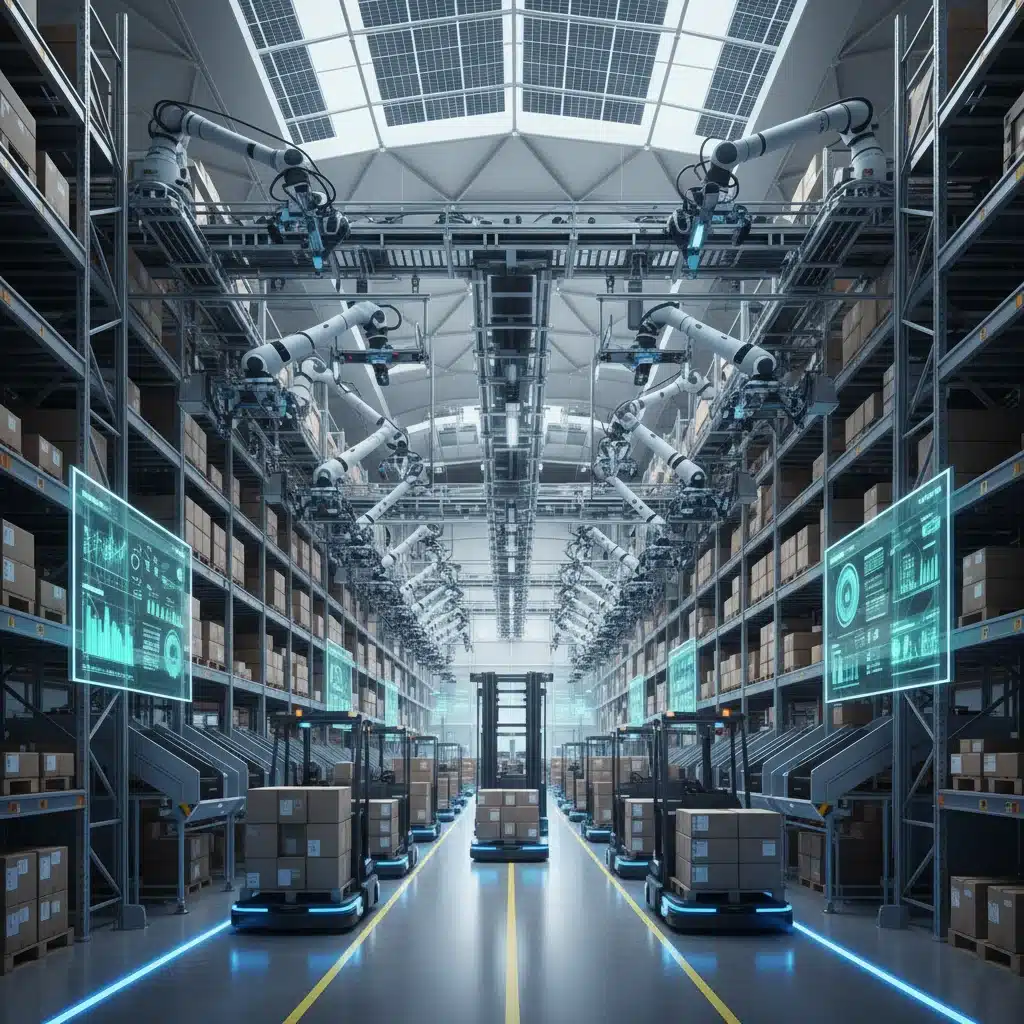
- Robotics and Automation in Warehousing: Automated guided vehicles (AGVs), autonomous mobile robots (AMRs), and robotic picking systems are becoming commonplace in warehouses and distribution centers. These technologies increase throughput, reduce labor dependency (mitigating labor shortage risks), and improve accuracy, leading to more consistent and resilient operations.
- AI-Powered Demand Forecasting: Traditional forecasting methods struggle with volatility. AI and machine learning algorithms can analyze vast datasets, including external factors like economic indicators and social trends, to generate more accurate demand predictions. Better forecasts lead to optimized inventory levels and reduced waste, enhancing overall supply chain resilience.
- Cloud-Based Supply Chain Management (SCM) Systems: Moving SCM to the cloud offers scalability, accessibility, and real-time collaboration capabilities that on-premise systems often lack. Cloud solutions facilitate seamless information exchange among partners, enabling quicker responses to disruptions and fostering a more connected supply chain ecosystem.
- Automated Procurement and Contract Management: Digital platforms are automating routine procurement tasks, from purchase order generation to invoice processing. Smart contracts, leveraging blockchain, can automatically execute terms when predefined conditions are met, reducing administrative overhead and accelerating transactions, which is vital during rapid shifts in supply or demand.
The integration of these digital tools and automated processes is creating ‘smart’ supply chains that can self-optimize and adapt, providing a robust foundation for long-term supply chain resilience against a variety of threats.
Strategy 4: Robust Risk Management and Scenario Planning
While diversification and digitalization build inherent strength, explicit risk management and proactive scenario planning are essential for truly comprehensive supply chain resilience. This involves not just identifying risks but systematically assessing their potential impact and developing detailed response plans.
Practical Solutions for Risk Management:
- Comprehensive Risk Assessment Frameworks: Businesses are developing sophisticated frameworks to identify and categorize risks across their entire supply chain, including geopolitical, economic, environmental, operational, and cyber risks. This involves mapping critical nodes, identifying single points of failure, and assessing the likelihood and impact of various disruptive events.
- Scenario Planning and War-Gaming: Beyond simple contingency plans, companies are engaging in rigorous scenario planning. This involves imagining various ‘what if’ situations (e.g., a major port closure, a key supplier bankruptcy, a sudden surge in demand) and then war-gaming potential responses. This practice helps refine strategies, identify gaps, and train teams to react effectively under pressure, significantly boosting supply chain resilience.
- Business Continuity Planning (BCP) & Disaster Recovery (DR): Extending traditional BCP beyond IT, businesses are developing comprehensive plans for operational continuity in the face of major supply chain disruptions. This includes alternative transportation routes, emergency supplier activation protocols, and communication strategies for all stakeholders.
- Cybersecurity Integration: As supply chains become more digitized, they also become more vulnerable to cyberattacks. Integrating robust cybersecurity measures across all digital platforms and with all supply chain partners is crucial. This includes regular audits, employee training, and incident response plans specifically tailored to supply chain cyber threats.
By systematically addressing risks and proactively planning for various contingencies, U.S. businesses are building a resilient framework that can absorb shocks and maintain operations even in turbulent times, reinforcing their commitment to supply chain resilience.
Strategy 5: Talent Development and Cross-Functional Collaboration
Technology and processes are only as good as the people who manage them. A critical, often overlooked, aspect of supply chain resilience is investing in human capital and fostering a culture of collaboration both internally and externally.
Practical Solutions for Talent and Collaboration:
- Upskilling and Reskilling Workforce: The evolving supply chain demands new skills in data analytics, AI, automation management, and risk assessment. Businesses are investing in training programs to upskill their existing workforce and reskill employees for new roles emerging from digital transformation. This ensures a competent team capable of managing complex, resilient supply chains.
- Cross-Functional Teams and Communication: Breaking down organizational silos is vital. Creating cross-functional teams that include members from procurement, logistics, operations, IT, and sales ensures a holistic view of the supply chain. Regular, transparent communication across these teams allows for quicker identification of potential issues and more coordinated responses.
- Supplier Collaboration and Partnerships: Beyond transactional relationships, businesses are forging deeper, more strategic partnerships with key suppliers. This involves sharing information, collaborating on forecasting, co-developing innovative solutions, and even co-investing in new technologies. Stronger partnerships lead to greater mutual trust and shared commitment to supply chain resilience.
- Customer-Centric Supply Chain Design: Ultimately, a resilient supply chain serves the customer. Involving customer insights in supply chain design helps tailor resilience efforts to meet evolving customer expectations for speed, reliability, and transparency. Understanding customer tolerance for delays or alternative products can inform strategic inventory decisions and communication protocols during disruptions.
A well-trained, collaborative workforce, supported by strong external partnerships, forms the human backbone of a truly resilient supply chain, capable of navigating the complexities of Q3 2026 and beyond.
The Road Ahead: Sustaining Supply Chain Resilience
The journey towards robust supply chain resilience is not a one-time project but an ongoing commitment. As U.S. businesses move towards Q3 2026, the strategies outlined above represent a fundamental shift in how supply chains are designed, managed, and perceived. They are moving from cost centers to strategic assets, critical for competitive advantage and long-term viability.
Sustaining this resilience will require continuous monitoring, adaptation, and investment. The global landscape will continue to evolve, presenting new challenges and opportunities. Businesses that embed these five strategies into their core operations, fostering a culture of adaptability and foresight, will be best positioned to not only withstand future disruptions but to emerge stronger, more efficient, and more responsive to market demands.
The future of American business success hinges significantly on mastering supply chain resilience, transforming vulnerabilities into sources of strength and innovation. By implementing these practical solutions, U.S. companies are laying the groundwork for a more secure and prosperous future.
Conclusion
The pursuit of supply chain resilience is a complex, multifaceted endeavor, but one that is absolutely essential for U.S. businesses navigating the modern global economy. As we look towards Q3 2026, the adoption of strategic diversification, enhanced visibility, digital transformation, robust risk management, and strong talent development are not merely options but critical imperatives. These five strategies, when implemented thoughtfully and comprehensively, provide a powerful framework for mitigating disruptions, ensuring business continuity, and fostering sustainable growth.
Companies that proactively invest in these areas will not only protect themselves from unforeseen shocks but will also gain a significant competitive edge, demonstrating reliability and agility in a world that increasingly values both. The commitment to building enduring supply chain resilience is a testament to an organization’s foresight and its dedication to securing a stable and prosperous future.