Navigating the 2026 Tech Talent Shortage: Recruitment Strategies

Navigating the 2026 Tech Talent Shortage: Insider Recruitment Strategies
The year 2026 is rapidly approaching, and with it comes a set of unique challenges and opportunities for businesses across all sectors. Among the most pressing concerns for organizations looking to innovate and grow is the escalating tech talent shortage. This isn’t a new phenomenon; the tech industry has consistently faced a gap between the demand for skilled professionals and the available supply. However, projections for 2026 indicate that this gap is set to widen significantly, creating a fiercely competitive landscape for employers. Understanding the underlying causes of this impending crisis and, more importantly, developing proactive, insider recruitment tactics will be crucial for staying ahead.
In this comprehensive analysis, we will delve deep into the multifaceted reasons behind the predicted 2026 tech talent shortage. We will explore how rapid technological advancements, demographic shifts, and evolving educational paradigms contribute to this complex problem. Furthermore, this article will equip you with three insider recruitment strategies designed to not only attract but also retain the highly sought-after tech professionals your organization needs to thrive. From reimagining your employer brand to embracing innovative sourcing methods and fostering a culture of continuous learning, these tactics offer a roadmap for success in a challenging labor market.
The stakes are high. Companies that fail to adapt their talent acquisition strategies risk falling behind competitors, stifling innovation, and ultimately impacting their long-term viability. Conversely, those that proactively address the tech talent shortage with strategic foresight will be well-positioned to capitalize on the digital transformation sweeping the global economy. Let’s embark on this journey to understand and conquer the challenges of the 2026 tech labor market.
The Looming Crisis: Understanding the 2026 Tech Talent Shortage
The phrase “tech talent shortage” has been a recurring theme in business discussions for years, but the forecast for 2026 suggests this challenge will intensify to critical levels. Several interconnected factors are converging to create what many experts are calling a “perfect storm” in the tech labor market. To effectively combat this, organizations must first grasp the depth and breadth of the problem.
Rapid Technological Evolution Outpacing Skill Development
One of the primary drivers of the tech talent shortage is the relentless pace of technological innovation. Fields like artificial intelligence (AI), machine learning (ML), blockchain, cybersecurity, cloud computing, and quantum computing are not just evolving; they are exploding. New programming languages, frameworks, and methodologies emerge constantly, demanding a workforce that can adapt and reskill at an unprecedented rate. Educational institutions, while striving to keep up, often struggle to produce graduates with the precise, cutting-edge skills that industries require immediately upon graduation. This creates a perpetual cycle where demand for new skills consistently outstrips the supply of professionals proficient in them.
Consider the rapid adoption of AI. Companies are integrating AI into almost every aspect of their operations, from customer service chatbots to complex data analytics and predictive modeling. This surge in AI adoption has led to an exponential demand for AI engineers, data scientists, machine learning specialists, and ethical AI experts. The number of individuals with deep expertise in these areas, particularly those with practical industry experience, remains relatively small, exacerbating the tech talent shortage.
Demographic Shifts and the “Great Resignation” Aftermath
Demographic trends also play a significant role. The retirement of experienced tech professionals, often referred to as “graying out,” means a loss of institutional knowledge and expertise that is difficult to replace. While younger generations are entering the workforce, the sheer volume and specialized nature of the roles being vacated are not always matched by new entrants. Furthermore, the “Great Resignation” phenomenon, which saw a significant portion of the workforce reassess their career paths and priorities, has left many companies struggling with retention and a smaller pool of available candidates.
This demographic shift is particularly impactful in leadership and senior technical roles. The experience gained over decades in complex systems architecture, project management, and strategic technological planning cannot be replicated overnight. The resulting vacuum makes it harder for companies to mentor junior staff and maintain a robust pipeline of future leaders, further contributing to the tech talent shortage.
Geographical Imbalances and Remote Work Dynamics
While remote work has opened up global talent pools, it has also intensified competition. Companies in high-cost-of-living areas can now recruit from anywhere, but so can companies in lower-cost regions, often offering competitive salaries that disrupt local markets. This “globalization of talent” means that even if a company is located in a region with a relatively healthy tech talent supply, they are now competing with organizations worldwide for the same individuals. This dynamic makes the tech talent shortage a global rather than merely a local or national issue.
Additionally, certain highly specialized tech roles are concentrated in specific geographical hubs. While remote work mitigates some of this, the foundational ecosystems – universities, incubators, and established tech communities – still play a vital role in nurturing specific skill sets. Companies outside these hubs face an uphill battle to attract top-tier talent, even with flexible work arrangements, unless they strategically adapt their recruitment and retention strategies.
The “Skills Gap” vs. “Experience Gap”
It’s important to differentiate between a “skills gap” and an “experience gap.” While universities and bootcamps are producing graduates with foundational tech skills, many companies are specifically seeking candidates with several years of practical experience in niche areas. This “experience gap” is particularly pronounced in emerging technologies where the field itself is relatively young, meaning there simply aren’t enough seasoned professionals to go around. Bridging this gap requires a long-term investment in training, mentorship, and internal development programs, which many companies are only now beginning to prioritize.
Insider Recruitment Tactic 1: Cultivating an Irresistible Employer Brand
In a market defined by a severe tech talent shortage, simply offering a competitive salary is no longer enough. Top tech professionals are looking for more than just compensation; they seek purpose, growth, and a supportive environment. Cultivating an irresistible employer brand is paramount to standing out. This goes beyond marketing; it’s about authentically showcasing your company’s values, culture, and opportunities for impact.
Authenticity and Transparency are Key
Today’s tech candidates are savvy. They will research your company extensively on platforms like Glassdoor, LinkedIn, and developer forums. An employer brand built on superficial claims will quickly be exposed. Focus on authenticity and transparency. What truly makes your company a great place to work? Is it your commitment to innovation, your flexible work policies, your dedication to diversity and inclusion, or your impactful projects?
Share real stories from your employees. Feature them in blog posts, videos, and social media campaigns. Let them speak candidly about their experiences, challenges, and successes. Highlight your company’s mission and how individual contributions align with a larger purpose. This genuine approach resonates far more than generic corporate messaging.
Showcasing Professional Growth and Learning Opportunities
Tech professionals are driven by continuous learning and career advancement. A powerful employer brand emphasizes the pathways for professional development within your organization. This includes:
- Mentorship Programs: Highlight structured programs where junior staff can learn from seasoned veterans.
- Training and Certifications: Showcase your investment in employee upskilling, whether through internal academies, external courses, or certification sponsorships.
- Hackathons and Innovation Labs: Demonstrate opportunities for employees to experiment with new technologies and contribute to cutting-edge projects.
- Clear Career Progression: Provide visibility into how employees can grow within the company, whether into leadership roles, specialized technical tracks, or cross-functional positions.
Communicating these opportunities effectively can turn your company into an attractive hub for talent looking to expand their skill sets and advance their careers, directly addressing the tech talent shortage by developing existing staff.
Emphasizing Culture, Flexibility, and Work-Life Balance
The “Great Resignation” taught us that work-life balance and a positive company culture are non-negotiable for many. Your employer brand must reflect a commitment to these aspects. This means:
- Flexible Work Arrangements: Clearly outline your policies on remote work, hybrid models, and flexible hours.
- Inclusive and Diverse Environment: Showcase your efforts to build a diverse workforce and foster an inclusive culture where all employees feel valued and respected. This is not just a moral imperative but a strategic advantage, as diverse teams are proven to be more innovative.
- Employee Well-being Programs: Highlight initiatives like mental health support, wellness challenges, and employee assistance programs.
- Social Impact and CSR: Many tech professionals want to work for companies that make a positive impact on society. Feature your corporate social responsibility (CSR) initiatives and philanthropic efforts.
By genuinely integrating and promoting these elements, you create an environment that not only attracts but also retains top tech talent, lessening the impact of the tech talent shortage.
Insider Recruitment Tactic 2: Embracing “Skills-First” Sourcing and AI-Powered Matching
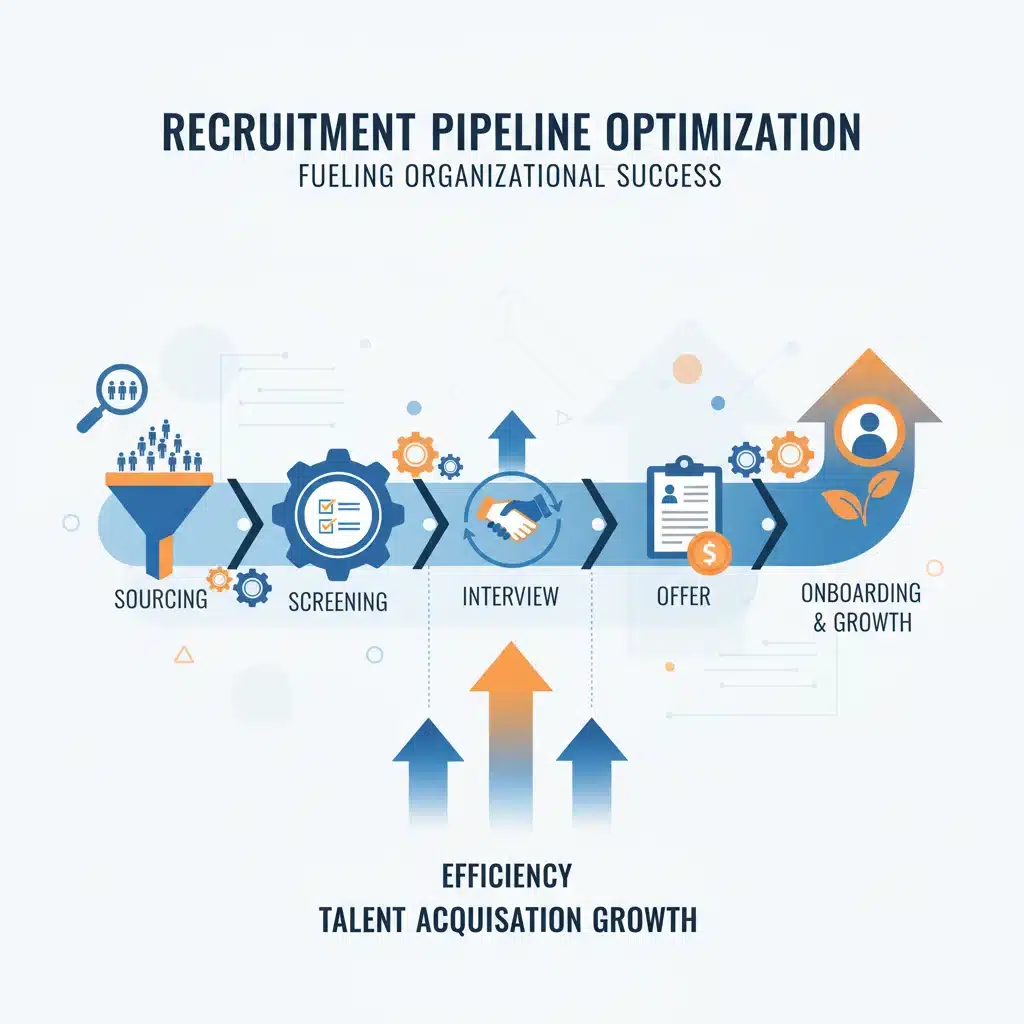
Traditional recruitment often relies heavily on resumes, job titles, and educational pedigrees. In the face of a severe tech talent shortage, this approach is outdated and exclusionary. A “skills-first” approach, augmented by AI-powered matching tools, is an insider tactic that broadens your talent pool and identifies candidates based on their actual capabilities, not just their credentials.
Shifting Focus from Degrees to Demonstrated Skills
Many highly skilled tech professionals may not have traditional computer science degrees. They might be self-taught, have learned through bootcamps, or come from non-traditional backgrounds. A skills-first approach prioritizes what a candidate can do over where they learned it. This involves:
- Competency-Based Assessments: Implement coding challenges, technical interviews focused on problem-solving, and portfolio reviews instead of just resume screening.
- De-emphasizing Degree Requirements: Review job descriptions to remove unnecessary degree requirements, opening up your candidate pool to a wider range of qualified individuals.
- Recognizing Alternative Credentials: Value certifications from platforms like Coursera, edX, and industry-specific certifications as legitimate indicators of skill.
This shift allows you to tap into an often-overlooked segment of the talent market, directly mitigating the impact of the tech talent shortage by expanding your search parameters.
Leveraging AI and Machine Learning for Candidate Matching
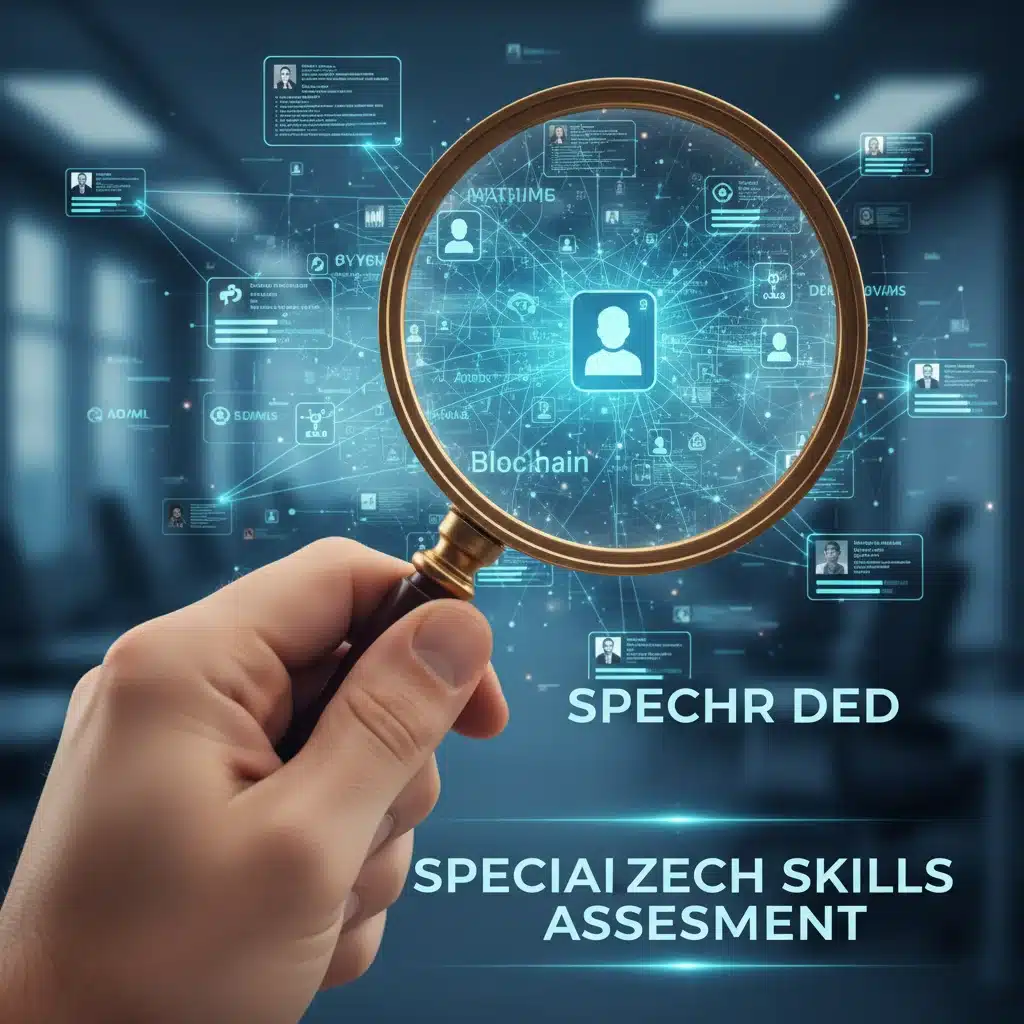
AI-powered recruitment platforms are no longer a futuristic concept; they are essential tools for navigating the 2026 tech talent shortage. These tools can:
- Automate Resume Screening: Quickly analyze vast numbers of applications, identifying keywords and phrases related to desired skills, even if they aren’t explicitly stated as job titles.
- Predict Candidate Success: Utilize machine learning algorithms to identify patterns in successful hires, helping to predict which candidates are most likely to thrive in specific roles and your company culture.
- Reduce Bias: When properly configured and monitored, AI can help reduce unconscious bias by focusing solely on skills and qualifications, leading to a more diverse and equitable hiring process.
- Source Passive Candidates: AI can scour public profiles, open-source contributions, and online portfolios to identify passive candidates who possess the specific skills you need but aren’t actively looking for a job.
By using AI to efficiently identify candidates based on a skills-first methodology, recruiters can save significant time and resources, focusing their efforts on engaging with truly qualified individuals.
Building Talent Communities and Nurturing Relationships
The tech talent shortage necessitates a long-term approach to recruitment. Instead of just hiring for immediate needs, build and nurture talent communities. This involves:
- Engaging with Open-Source Projects: Identify and connect with developers contributing to relevant open-source projects. Their code is their resume.
- Participating in Tech Forums and Meetups: Have your team members actively participate in online and offline tech communities, building relationships and establishing your company as a thought leader.
- Creating Talent Pipelines: Maintain a database of promising candidates, even if they aren’t a perfect fit for a current opening. Keep them engaged with company news, relevant content, and invitations to events.
- Employee Referral Programs: Incentivize your current employees to refer qualified candidates. They are often the best source of high-quality talent and can help overcome the tech talent shortage by tapping into their networks.
By proactively engaging with the tech community and focusing on skills, you create a robust, future-proof talent acquisition strategy.
Insider Recruitment Tactic 3: Investing in Internal Mobility and Upskilling
While external hiring is crucial, an often-underestimated insider tactic to combat the tech talent shortage is to “build from within.” Investing in internal mobility and upskilling your existing workforce can create a sustainable talent pipeline, boost morale, and significantly reduce recruitment costs and time-to-hire.
Developing Robust Internal Mobility Programs
Many organizations overlook the talent they already possess. Employees are often eager for new challenges and opportunities to grow within their current company. A robust internal mobility program involves:
- Transparent Internal Job Postings: Ensure all internal employees have clear visibility of open positions across departments.
- Skill Inventories and Talent Mapping: Implement systems to track employees’ skills, aspirations, and potential for growth. This helps identify internal candidates for new roles.
- Cross-Functional Rotations: Offer programs that allow employees to temporarily or permanently move between departments, gaining new skills and perspectives.
- Mentorship and Sponsorship: Pair employees with mentors who can guide their career development and sponsors who can advocate for their advancement into new roles.
By prioritizing internal movement, companies can fill critical roles faster, retain valuable institutional knowledge, and reduce the “brain drain” that often contributes to the tech talent shortage.
Strategic Upskilling and Reskilling Initiatives
The rapid evolution of technology means that the skills in demand today might be obsolete tomorrow. Proactive upskilling and reskilling initiatives are vital for ensuring your workforce remains relevant and capable of handling future tech challenges. This is a direct answer to the tech talent shortage.
- Identifying Future Skill Needs: Work closely with technical leaders and industry experts to predict the skills your organization will need in 3-5 years.
- Personalized Learning Paths: Offer tailored learning and development programs that address individual skill gaps and career aspirations. This could include online courses, bootcamps, workshops, and even tuition reimbursement for higher education.
- Learning Culture: Foster a culture where continuous learning is not just encouraged but expected and rewarded. Dedicate specific time for learning, create internal knowledge-sharing platforms, and celebrate successful upskilling stories.
- Partnerships with Educational Institutions: Collaborate with universities and technical schools to co-create curricula that align with your future talent needs, providing a pipeline for both internal and external talent.
Investing in your current employees’ growth is a powerful retention tool. Employees who feel valued and see a clear path for development are less likely to seek opportunities elsewhere, directly combating the tech talent shortage.
Building a Culture of &ldquo{video_id}:-C-Fu7fZ2XQ}”Growth Mindset”
Beyond formal programs, cultivating a “growth mindset” within your organization is crucial. This means encouraging employees to embrace challenges, learn from failures, and continuously seek improvement. Leaders should model this behavior, promoting psychological safety where experimentation and learning are celebrated, even if they don’t always lead to immediate success. A growth mindset empowers employees to take ownership of their development and adapt to new technologies, making your company more resilient in the face of the evolving tech talent shortage.
The Future of Tech Recruitment: Beyond 2026
The 2026 tech talent shortage is not an isolated event but a symptom of a rapidly changing global economy. The strategies discussed – cultivating an irresistible employer brand, embracing skills-first sourcing with AI, and investing in internal mobility and upskilling – are not just temporary fixes. They represent a fundamental shift in how organizations must approach talent acquisition and development in the long term.
Proactive Planning and Agility
Successful companies will be those that move beyond reactive hiring and adopt a proactive, agile approach to talent. This involves continuous market analysis, forecasting future skill needs, and building flexible talent pipelines that can adapt to unforeseen technological shifts. The ability to pivot quickly and develop new skills internally will be a significant competitive advantage.
The Role of Data and Analytics
Data and analytics will become even more critical in tech recruitment. Companies will leverage workforce analytics to understand attrition patterns, identify skill gaps, measure the effectiveness of training programs, and optimize their talent acquisition funnels. Data-driven insights will inform every aspect of recruitment, from compensation strategies to candidate experience improvements.
Human Connection Remains Paramount
Despite the increasing reliance on AI and automation, the human element in recruitment will remain paramount. Building genuine relationships with candidates, providing a personalized and empathetic candidate experience, and fostering a supportive and inclusive work environment will differentiate leading organizations. Technology should augment human efforts, not replace the essential connection between people.
Conclusion: Conquering the 2026 Tech Talent Shortage
The predicted 2026 tech talent shortage presents a formidable challenge, but it is not insurmountable. By understanding its root causes and implementing strategic, insider recruitment tactics, organizations can not only survive but thrive in this competitive landscape. Cultivating an authentic and appealing employer brand, adopting a skills-first approach powered by AI, and making significant investments in internal mobility and upskilling are the three pillars of a resilient talent strategy.
The future of work is here, and it demands innovation not just in technology, but in how we find, attract, develop, and retain the people who build it. By proactively embracing these strategies, companies can transform the tech talent shortage from a daunting obstacle into an opportunity to build a stronger, more adaptable, and ultimately more successful workforce for 2026 and beyond.