AR Training: US Industrial Sector Forecast 2026
Augmented Reality in Training: A 2026 Forecast for US Industrial Sectors
The landscape of workforce development in the United States is undergoing a profound transformation, driven by technological advancements that are reshaping how industries operate and how their employees learn and adapt. At the forefront of this revolution is Augmented Reality (AR), a technology that overlays digital information onto the real world, creating an enhanced interactive experience. This article delves into the 2026 forecast for AR training industrial applications across various US industrial sectors, exploring its burgeoning impact, projected growth, and the myriad benefits it offers.
As we approach 2026, the adoption of AR in industrial training is no longer a futuristic concept but a rapidly materializing reality. From manufacturing and energy to logistics and construction, companies are increasingly recognizing AR’s potential to bridge skill gaps, enhance safety protocols, and significantly improve operational efficiency. The integration of AR into training programs offers an immersive, hands-on learning experience that traditional methods often cannot replicate, preparing the workforce for the complexities of Industry 4.0.
The Current State of Industrial Training: Challenges and Opportunities
Before diving into the 2026 forecast for AR training industrial, it’s crucial to understand the current challenges faced by US industrial sectors in training their workforce. These challenges include an aging workforce, a widening skills gap, the high cost of traditional training, and the inherent risks associated with hands-on training in hazardous environments. The demand for highly skilled technicians and operators continues to outpace the supply, making efficient and effective training solutions paramount.
Traditional training methods, while foundational, often fall short in preparing employees for the dynamic and complex demands of modern industrial operations. Classroom lectures can be disengaging, and on-the-job training can be time-consuming, expensive, and sometimes dangerous. The need for a more engaging, scalable, and safe training methodology has paved the way for advanced technologies like AR.
AR presents a unique opportunity to overcome these hurdles. By providing realistic simulations, interactive guides, and immediate feedback, AR training can accelerate learning, improve knowledge retention, and reduce the likelihood of errors. This technological leap is not just about adopting new gadgets; it’s about fundamentally rethinking how industrial skills are acquired and refined.
Forecasting AR Adoption in US Industrial Sectors by 2026
By 2026, the penetration of AR training industrial solutions is expected to see significant growth across various sectors in the US. Several factors contribute to this optimistic outlook, including advancements in AR hardware, increasingly sophisticated software platforms, and a growing understanding among industry leaders of AR’s return on investment (ROI).
Manufacturing Sector
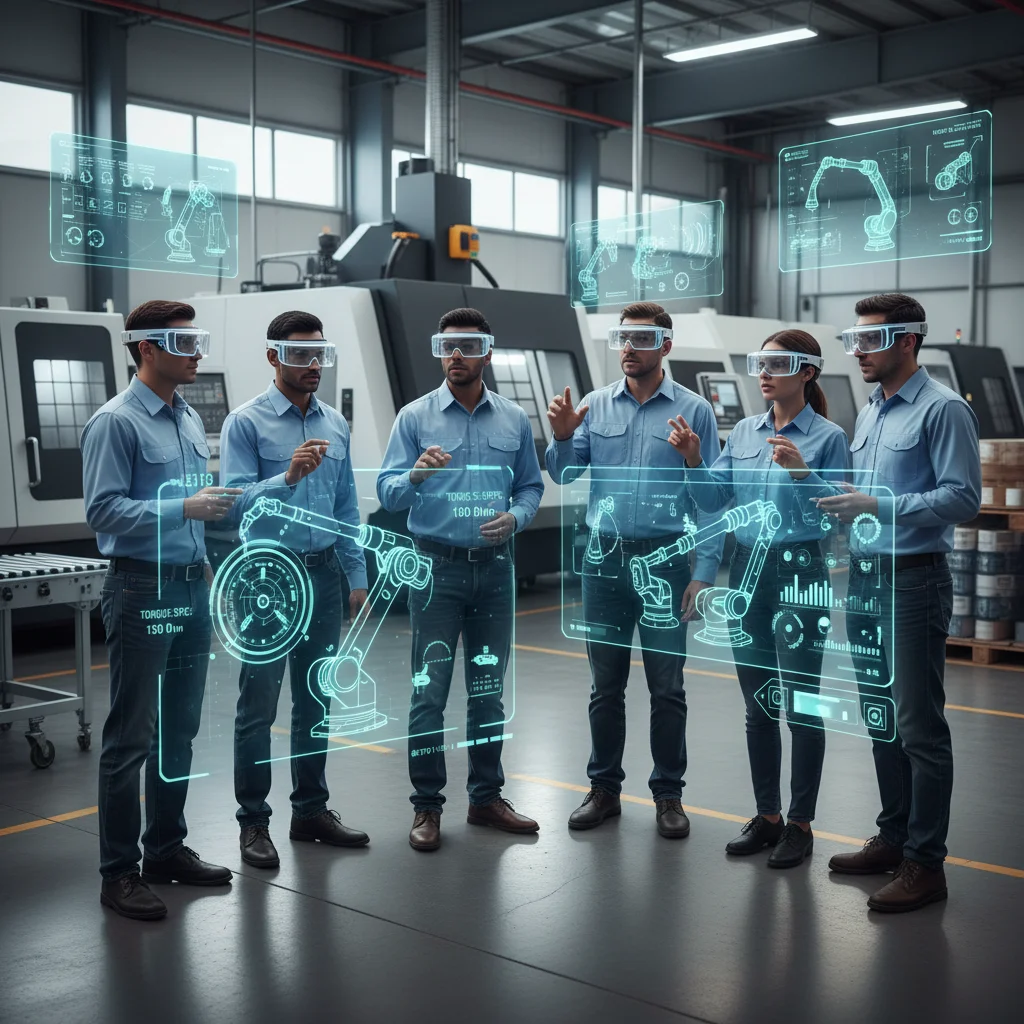
The manufacturing sector is poised to be one of the largest adopters of AR training. With the rise of smart factories and advanced robotics, workers need to be proficient in complex machinery operation, maintenance, and troubleshooting. AR can provide step-by-step visual instructions overlaid directly onto equipment, guiding technicians through intricate assembly processes or repair procedures. This reduces errors, speeds up training time, and minimizes downtime. By 2026, it’s projected that a substantial percentage of major US manufacturing firms will have integrated AR into their onboarding and continuous training programs, especially for specialized roles.
Energy and Utilities
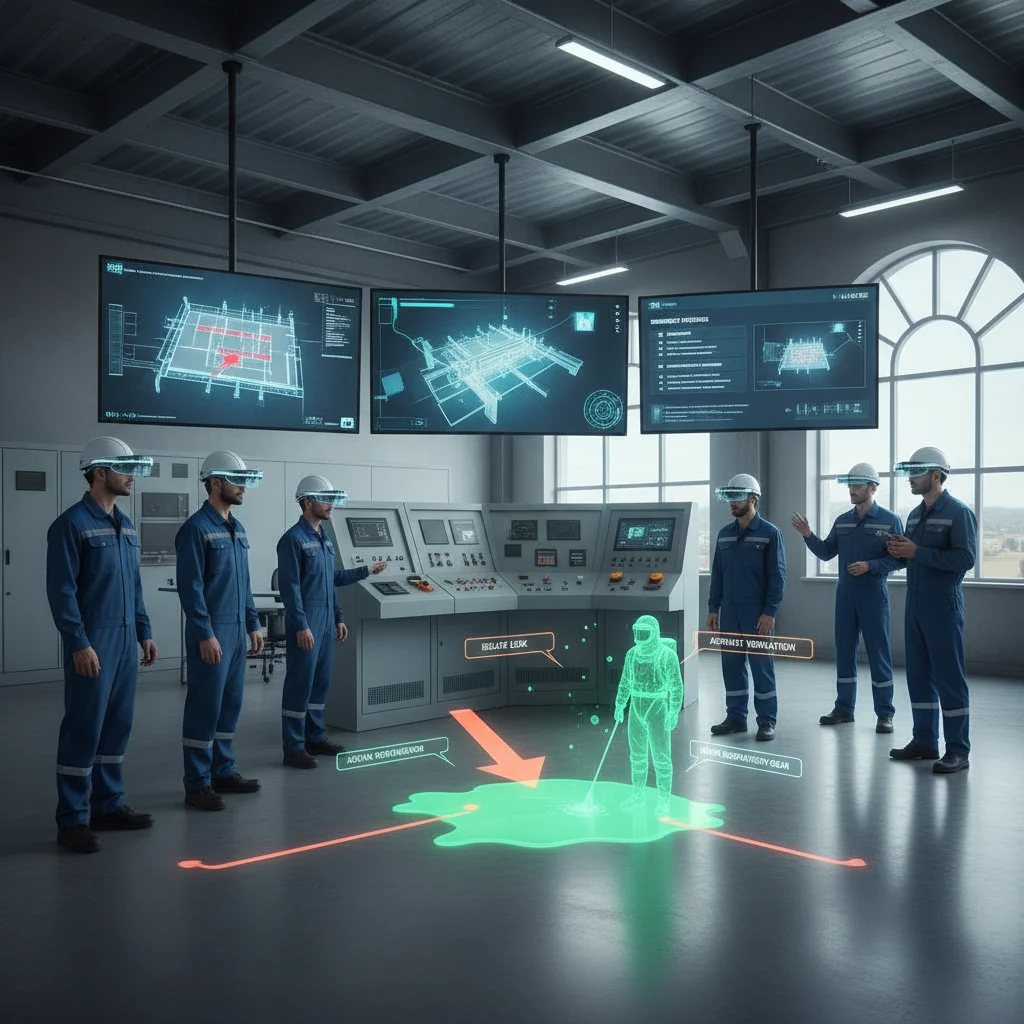
For the energy and utilities sector, safety is paramount. Training for tasks involving high-voltage equipment, confined spaces, or hazardous materials is inherently risky. AR offers a safe, simulated environment where workers can practice critical procedures without actual exposure to danger. Field technicians can use AR to access real-time schematics and expert guidance while performing maintenance on remote infrastructure. The forecast indicates a strong uptake in this sector, driven by regulatory compliance, safety imperatives, and the need for efficient field operations.
Logistics and Supply Chain
In logistics and supply chain management, AR can revolutionize warehouse operations, inventory management, and order fulfillment. Workers can use AR devices to receive visual cues for item location, optimal picking routes, and packing instructions, significantly improving accuracy and speed. Training new employees on complex warehouse layouts and processes can be streamlined with AR, reducing the learning curve. By 2026, major logistics hubs and e-commerce giants are expected to widely deploy AR for worker training and daily operational assistance.
Construction and Engineering
The construction industry often struggles with worker safety and the precise execution of complex blueprints. AR can project 3D models onto construction sites, allowing workers to visualize designs in real-time and ensure accuracy. For training, AR can simulate construction scenarios, from operating heavy machinery to understanding structural integrity, without the need for expensive physical mock-ups or risking accidents. The adoption rate in construction is expected to accelerate, particularly for large-scale projects requiring meticulous planning and execution.
Key Drivers of AR Training Adoption
Several key drivers are propelling the widespread adoption of AR training industrial solutions. Understanding these drivers is essential for appreciating the scale of the forecasted growth.
Enhanced Safety and Risk Reduction
One of the most compelling benefits of AR in industrial training is its ability to create safe learning environments. Trainees can practice dangerous procedures in a virtual or augmented setting, making mistakes without real-world consequences. This significantly reduces the risk of accidents, injuries, and damage to expensive equipment during the training phase. For industries where safety is non-negotiable, AR offers an invaluable tool.
Improved Learning Outcomes and Retention
AR provides an immersive and interactive learning experience that is far more engaging than traditional methods. The ability to visualize complex concepts in 3D, interact with virtual objects, and receive immediate feedback leads to better comprehension and higher knowledge retention rates. This hands-on, experiential learning is particularly effective for kinesthetic learners and for mastering practical skills.
Cost-Efficiency and Scalability
While the initial investment in AR technology can be substantial, the long-term cost savings are significant. AR can reduce the need for physical training facilities, expensive equipment, and travel for instructors. Training modules can be easily updated and scaled across multiple locations, making it a highly cost-efficient solution for large organizations. Furthermore, faster training times mean employees become productive sooner, contributing to overall operational savings.
Addressing the Skills Gap
The persistent skills gap in US industrial sectors is a critical concern. AR offers a powerful tool to rapidly upskill and reskill the workforce, equipping them with the competencies needed for advanced industrial roles. By providing accessible and effective training, AR can help companies build a resilient and adaptable workforce capable of navigating technological shifts.
Remote Assistance and Expert Guidance
Beyond formal training, AR enables remote assistance, allowing experienced technicians to guide on-site personnel through complex tasks from a distant location. This capability is invaluable for troubleshooting, maintenance, and emergency repairs, ensuring that expertise is always available, regardless of geographical barriers. This ‘see-what-I-see’ capability is a game-changer for field service and complex machinery operations.
Technological Advancements Fueling AR Growth
The rapid evolution of AR hardware and software is a major catalyst for its integration into industrial training. By 2026, we anticipate even more sophisticated and user-friendly AR solutions.
Hardware Evolution
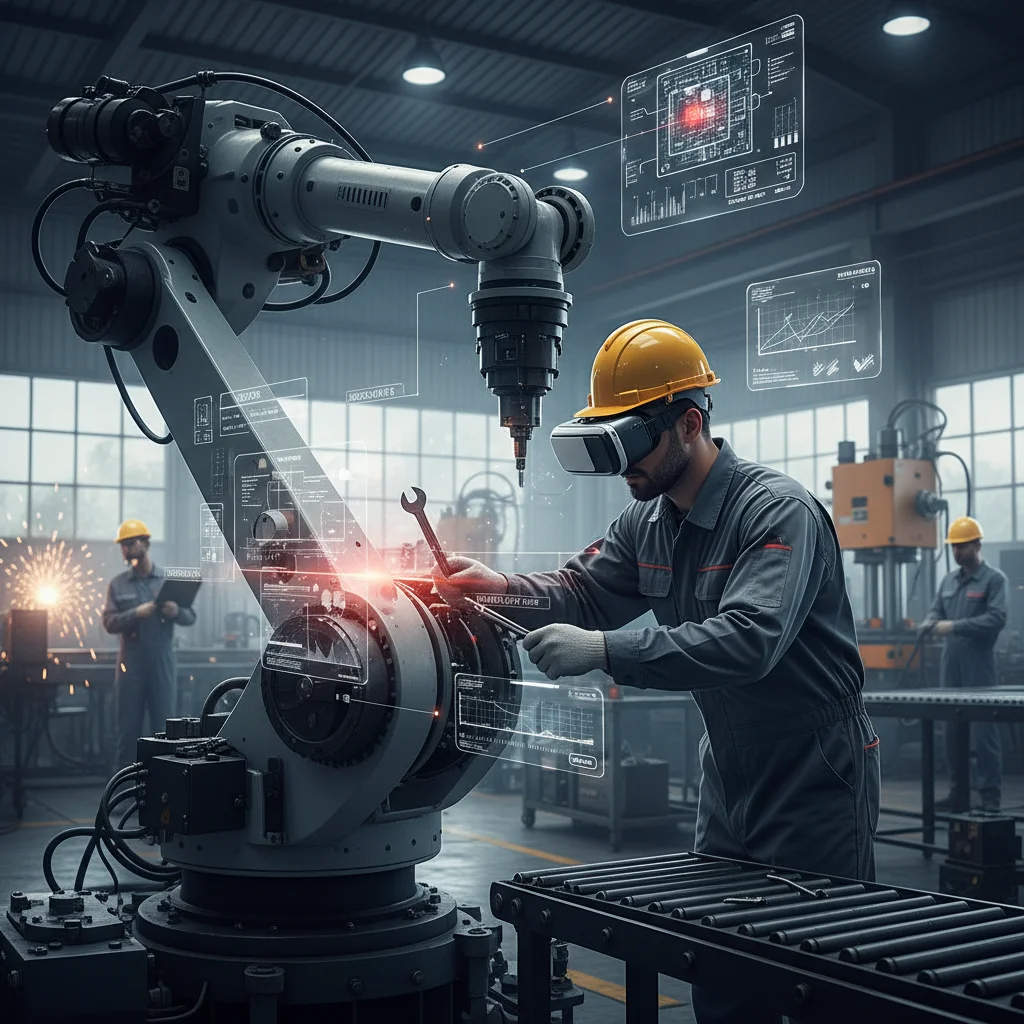
AR headsets are becoming lighter, more comfortable, and more powerful. Improvements in battery life, field of view, and display resolution are making AR devices practical for prolonged industrial use. The development of standalone AR devices, which do not require tethering to a computer, further enhances their portability and usability in diverse industrial environments. Expect to see more ruggedized AR devices designed specifically for harsh industrial conditions.
Software Innovations
AR software platforms are becoming increasingly intuitive and capable. Advances in computer vision, spatial computing, and artificial intelligence (AI) are enabling more realistic simulations, precise object tracking, and intelligent guidance systems. Content creation tools are also becoming more accessible, allowing companies to develop custom AR training modules without extensive programming knowledge. The integration of AI with AR will lead to adaptive learning experiences, where the training adjusts to the individual learner’s pace and performance.
5G Connectivity
The rollout of 5G networks is critical for unlocking the full potential of AR in industrial settings. High bandwidth and low latency connectivity enable seamless streaming of complex AR content, real-time collaboration, and instant access to cloud-based data. This is particularly important for remote assistance and for deploying AR solutions across vast industrial complexes.
Challenges and Considerations for Widespread AR Adoption
Despite the promising forecast, several challenges must be addressed for the widespread adoption of AR training industrial solutions by 2026.
Initial Investment Costs
The upfront cost of AR hardware and software development can be a barrier for some organizations, particularly small and medium-sized enterprises (SMEs). However, as the technology matures and economies of scale take effect, these costs are expected to decrease, making AR more accessible.
Integration with Existing Systems
Integrating AR training platforms with existing enterprise resource planning (ERP), learning management systems (LMS), and operational technology (OT) systems can be complex. Companies will need to invest in robust integration strategies to ensure seamless data flow and operational efficiency.
Content Creation and Customization
Developing high-quality, industry-specific AR training content requires specialized skills and resources. While content creation tools are improving, the expertise to design effective and engaging AR learning experiences remains crucial. Customization for specific machinery and workflows is often necessary, adding to development efforts.
User Acceptance and Training
Introducing new technology always comes with the challenge of user acceptance. Employees may initially be hesitant or uncomfortable with AR devices. Adequate training on how to use AR equipment and clear communication of its benefits are essential for successful adoption. Ergonomics and comfort of wearing AR headsets for extended periods also need to be considered.
Data Security and Privacy
AR systems often handle sensitive operational data and personal information. Ensuring robust data security and privacy protocols is paramount, especially in critical industrial infrastructure. Companies must comply with relevant regulations and establish secure data management practices.
The Future of Industrial Workforce Development with AR
Looking beyond 2026, the trajectory of AR training industrial applications points towards even more sophisticated and integrated solutions. We can anticipate AR becoming an indispensable component of a holistic learning ecosystem within industrial organizations.
Personalized Learning Paths
Future AR training systems will leverage AI to create highly personalized learning paths for individual employees. By analyzing performance data, skill gaps, and learning styles, AR can dynamically adapt content and difficulty, ensuring that each worker receives the most effective training tailored to their needs. This will lead to more efficient skill acquisition and mastery.
Real-time Performance Support
AR will move beyond just training to become a ubiquitous tool for real-time performance support. Workers will use AR devices to access on-demand information, step-by-step guides, and expert assistance directly in their line of sight while performing tasks. This ‘learning in the flow of work’ paradigm will minimize errors and maximize productivity.
Integration with Digital Twins
The synergy between AR and digital twins (virtual replicas of physical assets) will unlock new possibilities. Trainees could interact with a digital twin of a machine via AR, practicing maintenance or operational procedures in a fully simulated yet highly realistic environment. This integration will offer unparalleled opportunities for predictive maintenance training and optimization.
Collaborative AR Experiences
Multi-user AR experiences will become more common, allowing teams of workers to train together in shared augmented environments. This fosters collaboration, communication, and problem-solving skills crucial for complex industrial operations. Remote teams could also collaborate on tasks, with AR bridging geographical distances.
Conclusion: A Transformative Era for US Industrial Training
The 2026 forecast for AR training industrial applications in US industrial sectors paints a clear picture of a transformative era. Augmented Reality is not merely a technological novelty; it is a strategic imperative for companies aiming to remain competitive, agile, and safe in an increasingly complex global economy. By addressing critical challenges such as the skills gap, safety concerns, and the need for efficient learning, AR is set to redefine how industrial workforces are developed and empowered.
While challenges related to cost, integration, and user adoption remain, the accelerating pace of technological innovation and the compelling benefits of AR will drive its widespread implementation. Industries that embrace AR will cultivate a more skilled, safer, and productive workforce, positioning themselves for sustained growth and leadership in the years to come. The future of industrial training is augmented, and 2026 will mark a significant milestone in this exciting journey.