Cybersecurity Training Hybrid Workers: 2026 Imperative for US Businesses
Cybersecurity Training for the Hybrid Worker: A 2026 Imperative for US Businesses to Reduce Risk by 15%
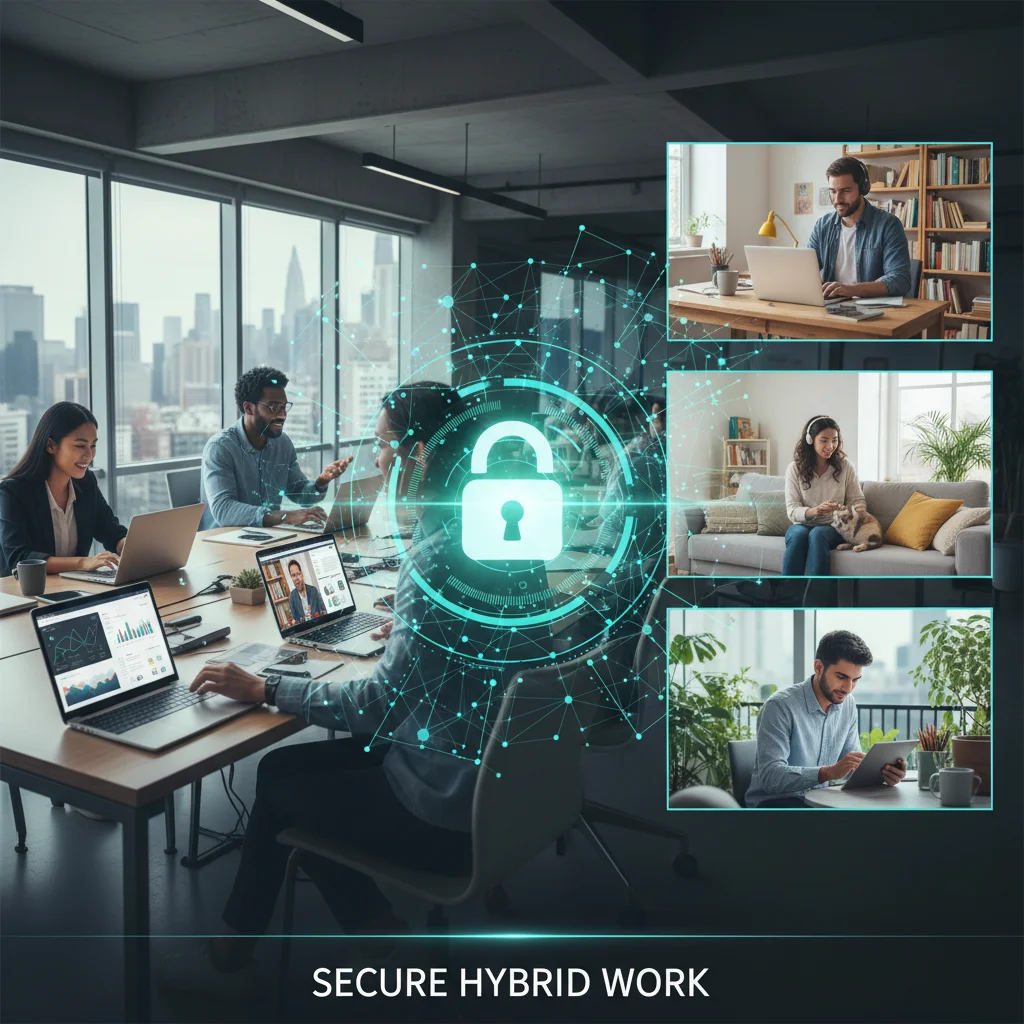
The landscape of work has irrevocably shifted. The hybrid model, once a temporary emergency measure, has solidified its position as a preferred operational strategy for countless US businesses. While offering unparalleled flexibility and potential for increased productivity, this distributed workforce also introduces a complex tapestry of cybersecurity challenges. As we accelerate towards 2026, the imperative for robust hybrid worker cybersecurity training is no longer an option but a critical strategic mandate. Businesses that proactively invest in empowering their hybrid workforce with cutting-edge cybersecurity knowledge and skills stand to gain a significant competitive advantage, notably by reducing their overall cybersecurity risk by a projected 15%.
The traditional perimeter-based security model is obsolete in an era where employees connect from home networks, co-working spaces, and on the go. The attack surface has expanded dramatically, transforming every remote endpoint into a potential vulnerability. This article delves into why comprehensive cybersecurity training tailored for hybrid workers is not just beneficial but absolutely essential for US businesses to thrive securely in the coming years. We will explore the unique risks, the strategic benefits of effective training, and actionable steps to build a resilient cybersecurity culture.
The Evolving Threat Landscape and the Hybrid Worker
The transition to hybrid work has coincided with an unprecedented surge in sophisticated cyber threats. Cybercriminals are opportunistic, and the blurring lines between corporate and personal networks provide fertile ground for their nefarious activities. Understanding these evolving threats is the first step in building an impenetrable defense, with hybrid worker cybersecurity training at its core.
Phishing and Social Engineering: The Human Element as the Weakest Link
Phishing remains one of the most prevalent and effective attack vectors. Hybrid workers, often distracted by home environments or less formal communication channels, can be more susceptible to cunning social engineering tactics. A seemingly innocuous email, a fake login page, or a malicious link can bypass even the most advanced technical defenses if an employee isn’t vigilant. Training must emphasize recognizing these subtle cues and fostering a ‘verify, don’t trust’ mindset.
Ransomware and Malware Proliferation
Ransomware attacks continue to cripple businesses, with hybrid workers often serving as the initial point of entry. A 클릭 on a malicious attachment, a visit to a compromised website, or the download of an unapproved application can unleash ransomware that encrypts critical data and demands hefty payments. Educating employees on safe browsing habits, software installation policies, and data backup procedures is crucial.
Shadow IT and Unsecured Devices
When employees work remotely, they may resort to using unauthorized software, cloud services (Shadow IT), or personal devices not secured by corporate IT policies. This creates unmonitored pathways into the corporate network, significantly increasing risk. Comprehensive hybrid worker cybersecurity training must address the dangers of Shadow IT and promote adherence to approved tools and devices.
Weak Home Network Security
Home Wi-Fi networks are typically less secure than corporate networks. Default router passwords, unpatched firmware, and a lack of network segmentation make them prime targets for attackers looking to gain a foothold. Training should include best practices for securing home networks, such as strong passwords, firmware updates, and awareness of IoT device vulnerabilities.
The 2026 Imperative: Why Now?
The year 2026 isn’t an arbitrary deadline; it represents a critical juncture where the cumulative impact of hybrid work on cybersecurity risk will demand a unified and robust response. Several factors converge to make this an imperative.
Regulatory Scrutiny and Compliance
As data breaches become more frequent and impactful, regulatory bodies (e.g., NIST, CISA, State-level privacy laws) are increasing their scrutiny on how businesses protect sensitive information. Non-compliance can result in severe financial penalties, reputational damage, and legal repercussions. Proactive hybrid worker cybersecurity training demonstrates due diligence and helps meet evolving compliance requirements.
Escalating Cost of Data Breaches
The cost of a data breach continues to rise year over year. These costs extend beyond immediate financial losses to include forensic investigations, legal fees, customer notification, reputational damage, and lost business. Preventing breaches through well-trained employees is far more cost-effective than recovering from them.
Talent Retention and Brand Reputation
In a competitive market, a strong cybersecurity posture is not just about protecting data; it’s about building trust. Employees want to work for secure organizations, and customers want to do business with them. A robust security culture, nurtured through continuous hybrid worker cybersecurity education, enhances brand reputation and aids in talent retention.
Achieving a 15% Risk Reduction Target
The 15% risk reduction target by 2026 is ambitious but achievable with a concerted effort. This reduction isn’t solely about preventing breaches; it’s about minimizing the impact and recovery time should an incident occur. A well-informed hybrid workforce can identify threats earlier, respond more effectively, and reduce the overall attack surface, directly contributing to this goal.
Pillars of Effective Hybrid Worker Cybersecurity Training
To achieve the desired risk reduction, cybersecurity training for hybrid workers cannot be a one-off event. It must be a continuous, adaptive, and engaging process built upon several key pillars.
1. Tailored Content for the Hybrid Environment
Generic cybersecurity training often falls short. Training for hybrid workers must specifically address the unique challenges of remote and distributed work. This includes:
- Home Network Security: Best practices for securing Wi-Fi, routers, and personal devices.
- Phishing Awareness for Remote Communication: Recognizing sophisticated phishing attempts that leverage remote work themes (e.g., fake IT support, urgent requests from ‘the CEO’ via less formal channels).
- Secure Use of Collaboration Tools: Proper settings, sharing protocols, and awareness of risks associated with platforms like Slack, Teams, Zoom, etc.
- Physical Security of Remote Workspaces: Protecting company assets from theft or unauthorized access in home offices or public spaces.
- Data Handling and Storage: Guidelines for storing sensitive data, emphasizing approved cloud services and avoiding local storage of critical information.
2. Continuous and Adaptive Learning
The threat landscape is constantly evolving, and so too must training. Annual training sessions are no longer sufficient. Businesses need to implement a continuous learning model that includes:
- Regular Refresher Modules: Short, focused modules on specific topics throughout the year.
- Timely Threat Alerts: Disseminating information about new, emerging threats relevant to the hybrid workforce.
- Simulated Phishing Attacks: Regularly testing employee vigilance with realistic phishing simulations and providing immediate feedback and remedial training for those who fall victim.
- Gamification and Engagement: Using quizzes, leaderboards, and interactive scenarios to make learning engaging and memorable.
3. Multi-Factor Authentication (MFA) Enforcement and Education
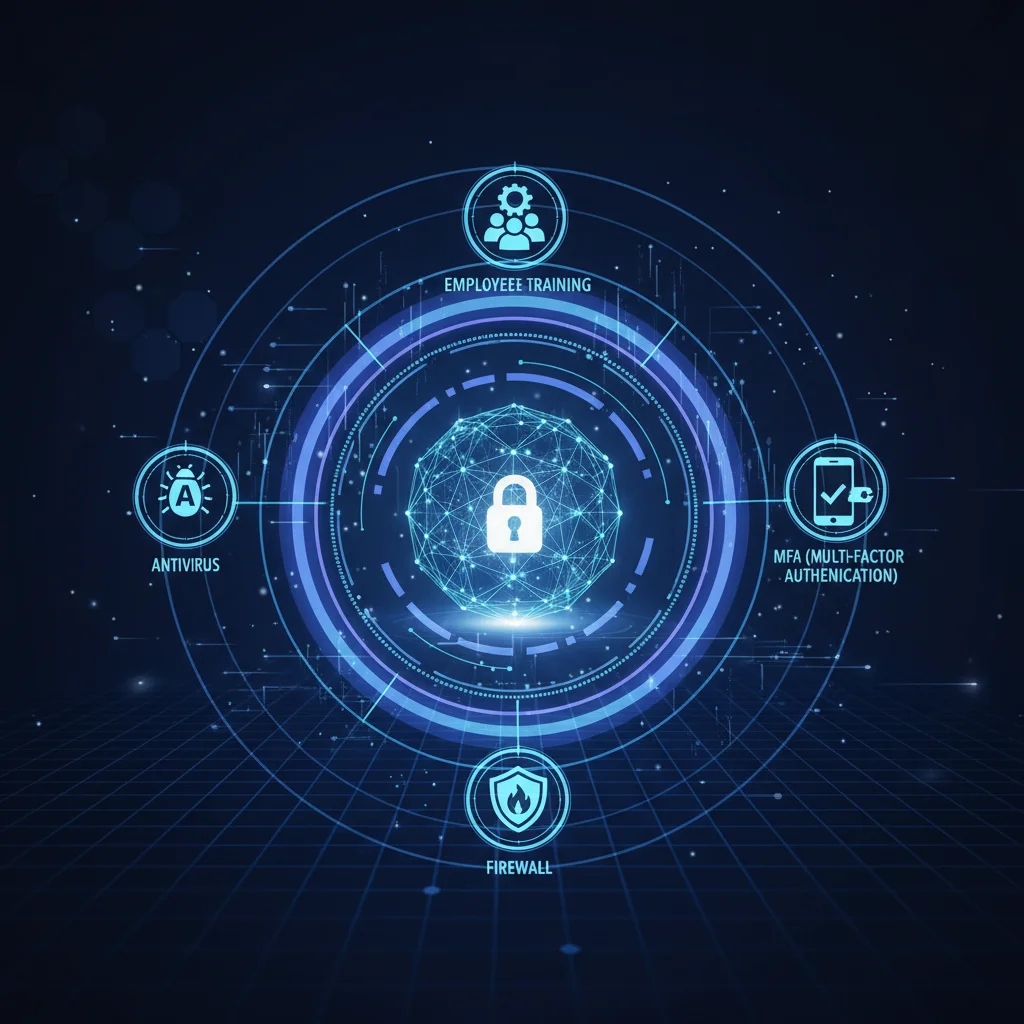
MFA is a non-negotiable security control. Training should not only mandate its use but also educate employees on its importance and how to use it effectively. This includes understanding different MFA methods (apps, biometrics, hardware tokens) and recognizing MFA fatigue attacks.
4. Incident Response and Reporting Protocols
Even with the best training, incidents can occur. Employees must know exactly what to do if they suspect a cyberattack or data breach. Clear, concise incident reporting protocols are crucial. Training should cover:
- Identifying Suspicious Activity: What constitutes a potential security incident.
- Reporting Channels: How and to whom to report an incident (e.g., dedicated security team, IT helpdesk).
- Do’s and Don’ts During an Incident: What actions to take or avoid to prevent further compromise.
5. Leadership Buy-in and Culture of Security
Cybersecurity is everyone’s responsibility, but it starts at the top. Leadership must champion the importance of security, allocate sufficient resources, and actively participate in training. A strong security culture fosters a sense of shared responsibility and encourages employees to prioritize security in their daily tasks.
Implementing a Robust Hybrid Worker Cybersecurity Training Program
Building an effective training program requires strategic planning and execution. Here’s a roadmap for US businesses:
Step 1: Assess Current Risk and Training Gaps
Before launching any program, conduct a thorough assessment. Identify existing vulnerabilities, analyze past security incidents (if any), and survey employees to understand their current cybersecurity knowledge and pain points related to hybrid work. This assessment will inform the content and focus of your hybrid worker cybersecurity training.
Step 2: Develop a Comprehensive Curriculum
Based on your assessment, design a curriculum that covers essential topics, including:
- Data privacy and compliance (e.g., GDPR, CCPA, HIPAA if applicable).
- Password hygiene and multi-factor authentication.
- Phishing, spear-phishing, and social engineering detection.
- Secure use of company-provided devices and approved software.
- Safe browsing and email practices.
- Reporting suspicious activities and incident response.
- Physical security for remote work setups.
Step 3: Choose the Right Delivery Methods
Hybrid workers benefit from a blended learning approach. Consider:
- Interactive E-learning Modules: Self-paced, engaging content with quizzes and scenarios.
- Live Webinars: For Q&A sessions and addressing specific concerns.
- Short Video Tutorials: For quick refreshers on specific tools or practices.
- Regular Communications: Newsletters, intranet posts, and email reminders about cybersecurity best practices.
- Gamified Training: Incorporate challenges, points, and leaderboards to boost engagement.
Step 4: Implement Regular Simulations and Drills
Practical application is key. Conduct regular, unannounced phishing simulations, mock security incident drills, and even hypothetical data breach scenarios. This helps employees practice their response in a safe environment and reinforces learning. Provide immediate, constructive feedback.
Step 5: Measure, Monitor, and Adapt
A successful training program is never static. Continuously measure its effectiveness through:
- Completion Rates: Track who has completed mandatory training.
- Phishing Click-Through Rates: Monitor improvement over time.
- Incident Reporting Metrics: See if employees are reporting incidents more proactively.
- Employee Feedback: Gather insights on the relevance and effectiveness of the training.
- Post-Training Assessments: Evaluate knowledge retention.
Use this data to refine your curriculum, delivery methods, and overall strategy to ensure your hybrid worker cybersecurity training remains relevant and impactful.
The Role of Technology in Supporting Hybrid Worker Cybersecurity
While training is paramount, it must be complemented by robust technological solutions that reinforce secure behavior and provide layers of defense. These tools work in concert with informed employees to create a formidable security posture.
Endpoint Detection and Response (EDR)
EDR solutions provide advanced threat detection, investigation, and response capabilities on endpoints (laptops, desktops). They monitor for suspicious activities in real-time, allowing security teams to quickly identify and neutralize threats that might bypass traditional antivirus, especially on remote devices.
Secure Access Service Edge (SASE)
SASE integrates network security functions (like firewalls, secure web gateways, zero-trust network access) with wide area networking (WAN) capabilities into a single, cloud-native service. This provides consistent, secure access for hybrid workers regardless of their location, effectively extending the corporate security perimeter to every endpoint.
Zero-Trust Architecture (ZTA)
The principle of "never trust, always verify" is fundamental to ZTA. This means that no user or device, whether inside or outside the corporate network, is automatically granted access to resources. Every access request is authenticated and authorized based on context, reducing the risk of unauthorized access even if credentials are compromised. Training for hybrid worker cybersecurity should explain how ZTA works and why it’s important.
Cloud Security Posture Management (CSPM)
As businesses increasingly rely on cloud services, CSPM tools help identify and remediate misconfigurations and compliance violations in cloud environments. Hybrid workers often interact with cloud resources, making secure cloud practices a critical component of their training.
Security Information and Event Management (SIEM)
SIEM systems collect and analyze security logs and event data from across the IT infrastructure, including remote endpoints. This provides security teams with a centralized view of potential threats and helps them correlate events to detect sophisticated attacks more effectively.

Measuring Success: Beyond Compliance
While compliance is a baseline, true success in hybrid worker cybersecurity training goes beyond ticking boxes. Measuring the impact requires looking at several key performance indicators (KPIs):
- Reduction in Security Incidents: A direct measure of fewer successful attacks.
- Faster Incident Response Times: Employees reporting suspicious activities more quickly.
- Improved Phishing Simulation Results: A steady decrease in click rates and credential compromises.
- Higher Employee Engagement: Active participation in training and positive feedback.
- Decreased Mean Time to Detect (MTTD) and Mean Time to Respond (MTTR): Indicating a more agile and effective security team supported by an aware workforce.
- Audit and Compliance Scores: Demonstrating adherence to regulatory requirements.
By consistently tracking these metrics, US businesses can quantify the 15% risk reduction and demonstrate the tangible return on investment of their cybersecurity training programs.
Challenges and How to Overcome Them
Implementing effective hybrid worker cybersecurity training isn’t without its challenges. Businesses may face:
- Employee Fatigue: Bombarding employees with too much information or repetitive training can lead to disengagement.
- Lack of Resources: Small to medium-sized businesses (SMBs) may struggle with budget and dedicated security personnel.
- Rapidly Changing Threats: Keeping training content current can be a continuous battle.
- Measuring ROI: Demonstrating the direct impact of training can be difficult.
To overcome these, businesses should:
- Prioritize Engagement: Use microlearning, gamification, and interactive content.
- Leverage Managed Security Service Providers (MSSPs): Outsource training and security management to experts.
- Automate Updates: Utilize platforms that regularly refresh content with the latest threat intelligence.
- Focus on Key Metrics: Translate security improvements into business language (e.g., reduced downtime, avoided fines).
Conclusion: Securing the Future of Work
The hybrid work model is here to stay, and with it, the amplified need for robust cybersecurity measures. For US businesses, investing in comprehensive, continuous, and engaging hybrid worker cybersecurity training is not just a best practice; it is a 2026 imperative. By empowering every employee with the knowledge and skills to be the first line of defense, organizations can significantly reduce their risk exposure, protect their valuable assets, maintain compliance, and foster a culture of security that underpins long-term success.
The 15% risk reduction target is an achievable goal that will differentiate secure, resilient businesses from those vulnerable to the ever-present cyber threat. Start building your proactive cybersecurity training strategy today to safeguard your hybrid workforce and secure your future.