Decoding Gen Z: 5 Marketing Trend Shifts for US Brands by Mid-2026

The consumer landscape is in perpetual motion, and at its heart, a seismic shift is underway, largely driven by Generation Z. Born roughly between the mid-1990s and the early 2010s, this demographic is not just the future; they are the present, wielding immense purchasing power and influence. For US brands, understanding and adapting to their unique values, behaviors, and expectations is no longer optional – it’s a critical imperative for survival and growth. By mid-2026, the brands that fail to master the nuances of Gen Z marketing trends will find themselves increasingly marginalized. This comprehensive guide will dissect five pivotal shifts that demand immediate attention, providing actionable insights for brands ready to connect authentically with this powerful generation.
The Digital Natives: Beyond Just Being Online
Gen Z are true digital natives, having grown up with the internet, social media, and mobile technology as an intrinsic part of their lives. This isn’t merely about using technology; it’s about how they perceive and interact with the world through a digital lens. For them, the line between online and offline is blurred, almost non-existent. This fundamental difference shapes their consumption habits, communication preferences, and expectations from brands.
Shift 1: From Traditional Social Feeds to Hyper-Personalized, Algorithm-Driven Content
Gone are the days when a static Instagram feed or a general Facebook post would suffice. Gen Z thrives on dynamic, highly personalized content delivered through algorithms that understand their unique interests. Platforms like TikTok, YouTube Shorts, and even Instagram Reels dominate their attention because they offer an endless stream of tailored, short-form video content. Brands must shift their content strategy from broad-stroke campaigns to hyper-targeted, niche-specific narratives.
Actionable Insights for Brands:
- Master Short-Form Video: Invest heavily in creating authentic, engaging, and often humorous short-form video content. This isn’t about perfectly polished ads; it’s about relatable, shareable moments.
- Embrace Niche Communities: Identify subcultures and micro-communities within Gen Z that align with your brand values. Engage with them directly and create content specifically for their interests, rather than a generic mass appeal.
- Leverage AI for Personalization: Utilize AI-powered tools to analyze Gen Z consumer data (ethically and transparently) to deliver truly personalized product recommendations, content, and offers. This goes beyond simple demographic targeting to behavioral and psychographic segmentation.
- Interactive Content is Key: Polls, quizzes, AR filters, and user-generated content challenges are not just engaging; they make consumers feel like active participants, not just passive viewers.
This shift emphasizes the importance of understanding the underlying algorithms and the ever-evolving content formats that capture Gen Z’s fleeting attention. It requires continuous experimentation and a willingness to adapt quickly.
Authenticity and Transparency: The Non-Negotiables
Gen Z possesses a finely tuned radar for inauthenticity. They’ve grown up in an era of information overload and often perceive traditional advertising with skepticism. Brands that attempt to mask their true intentions or present an overly curated, unrealistic image will be swiftly called out. Authenticity and transparency are not just buzzwords; they are foundational pillars for building trust and loyalty with this generation.
Shift 2: From Polished Perfection to Raw Authenticity and Relatability
The era of airbrushed models and unattainable lifestyles is fading. Gen Z values realness, vulnerability, and relatability. They connect with brands that show their human side, admit imperfections, and genuinely reflect the diversity of their audience. This extends to everything from marketing messages to product development and customer service interactions.
Actionable Insights for Brands:
- Embrace User-Generated Content (UGC): Encourage and amplify UGC. Real people using your products in real-life scenarios is far more convincing than a highly produced ad. Create campaigns that invite users to share their experiences.
- Behind-the-Scenes Access: Offer glimpses into your company culture, manufacturing processes, and the people behind your brand. Transparency about your values, challenges, and successes builds trust.
- Partner with Authentic Influencers: Move beyond macro-influencers with millions of followers to micro and nano-influencers who have genuine connections with niche audiences. Their recommendations often carry more weight due to perceived authenticity.
- Be Honest About Mistakes: If your brand makes an error, acknowledge it, apologize genuinely, and outline steps to rectify the situation. Attempting to hide or downplay issues will erode trust quickly.
- Show, Don’t Just Tell: Instead of merely stating your values, demonstrate them through actions, partnerships, and initiatives.
This shift requires brands to drop their guard, be more human, and allow for a level of unvarnished reality in their communications. It’s about building a genuine relationship, not just selling a product.
Values-Driven Consumption: Beyond Price and Quality
While price and quality remain important, Gen Z’s purchasing decisions are increasingly influenced by a brand’s values and its commitment to social and environmental causes. They are a generation deeply concerned about issues like climate change, social justice, and ethical labor practices. Brands that align with these values and demonstrate genuine impact will resonate more profoundly.
Shift 3: From Corporate Social Responsibility (CSR) as an Add-On to Integrated Purpose-Driven Branding
For previous generations, CSR might have been a separate department or an annual report. For Gen Z, a brand’s purpose and impact must be woven into its very fabric. They expect brands to take a stand on important issues, not just pay lip service. This isn’t about performative activism; it’s about genuine commitment and tangible action.
Actionable Insights for Brands:
- Define and Live Your Purpose: Clearly articulate your brand’s core values and purpose beyond profit. Ensure these values are reflected in every aspect of your operations, from sourcing to marketing.
- Invest in Sustainable Practices: Gen Z is highly aware of environmental impact. Implement and communicate sustainable sourcing, manufacturing, and packaging practices. Highlight your efforts to reduce waste and carbon footprint.
- Support Social Causes Authentically: Partner with non-profits or initiate your own programs that address social issues relevant to your brand and Gen Z’s concerns. Ensure these efforts are long-term and impactful, not just seasonal campaigns.
- Ethical Supply Chains: Be transparent about your supply chain. Gen Z wants to know that products are made ethically, without exploitation or harm to workers.
- Advocate for Change: Don’t be afraid to take a stance on social and political issues that align with your brand’s values, especially when those issues directly impact your target audience.
This shift mandates a thorough re-evaluation of a brand’s entire ecosystem, ensuring that its stated values are congruent with its actions. Brands that embody purpose will earn not just sales, but also deep loyalty.
The Experience Economy: More Than Just Products
Gen Z craves experiences. They prioritize memorable moments, interactive engagements, and personalized journeys over mere product acquisition. This manifests in their preference for immersive digital experiences, interactive content, and opportunities to co-create or customize products and services.
Shift 4: From Transactional Relationships to Immersive, Interactive Brand Experiences
Brands need to move beyond simply selling goods or services and instead focus on creating holistic, engaging experiences that resonate with Gen Z’s desire for connection and novelty. This includes everything from gamified marketing campaigns to immersive digital experiences, interactive content, and opportunities to co-create or customize products and services.
Actionable Insights for Brands:
- Gamification in Marketing: Integrate game-like elements into your marketing campaigns. Contests, challenges, loyalty programs with tiered rewards, and interactive quizzes can significantly boost engagement.
- Augmented Reality (AR) and Virtual Reality (VR) Experiences: Offer AR filters for social media, virtual try-on experiences for products, or immersive VR brand environments. These technologies provide novel and memorable interactions.
- Personalized Customization: Empower Gen Z to personalize products or services. This could range from custom-designed apparel to configurable software features, giving them a sense of ownership and individuality.
- Community Building: Create exclusive online communities where Gen Z can interact with the brand, each other, and brand representatives. Foster a sense of belonging and provide platforms for discussion and feedback.
- Experiential Retail (Both Online and Offline): For physical stores, think beyond transactions – create interactive zones, workshops, or immersive displays. Online, focus on seamless, engaging user interfaces and interactive content.
This shift underscores the importance of creativity and innovation in delivering value. Brands that can consistently offer fresh, engaging, and personalized experiences will capture and retain Gen Z’s attention.
The Rise of Social Commerce and Direct Engagement
Gen Z’s comfort with digital interactions extends directly to commerce. They are highly influenced by peers, influencers, and community recommendations, often preferring to discover and purchase products directly within their social platforms. The traditional e-commerce funnel is being disrupted by a more integrated, social-first approach to shopping.
Shift 5: From Separate E-commerce Sites to Integrated Social Commerce and Direct-to-Consumer (DTC) Channels
Gen Z expects a seamless journey from discovery to purchase, often without leaving their preferred social apps. Brands must optimize for social commerce and build strong direct-to-consumer relationships, bypassing traditional retail intermediaries where possible.
Actionable Insights for Brands:
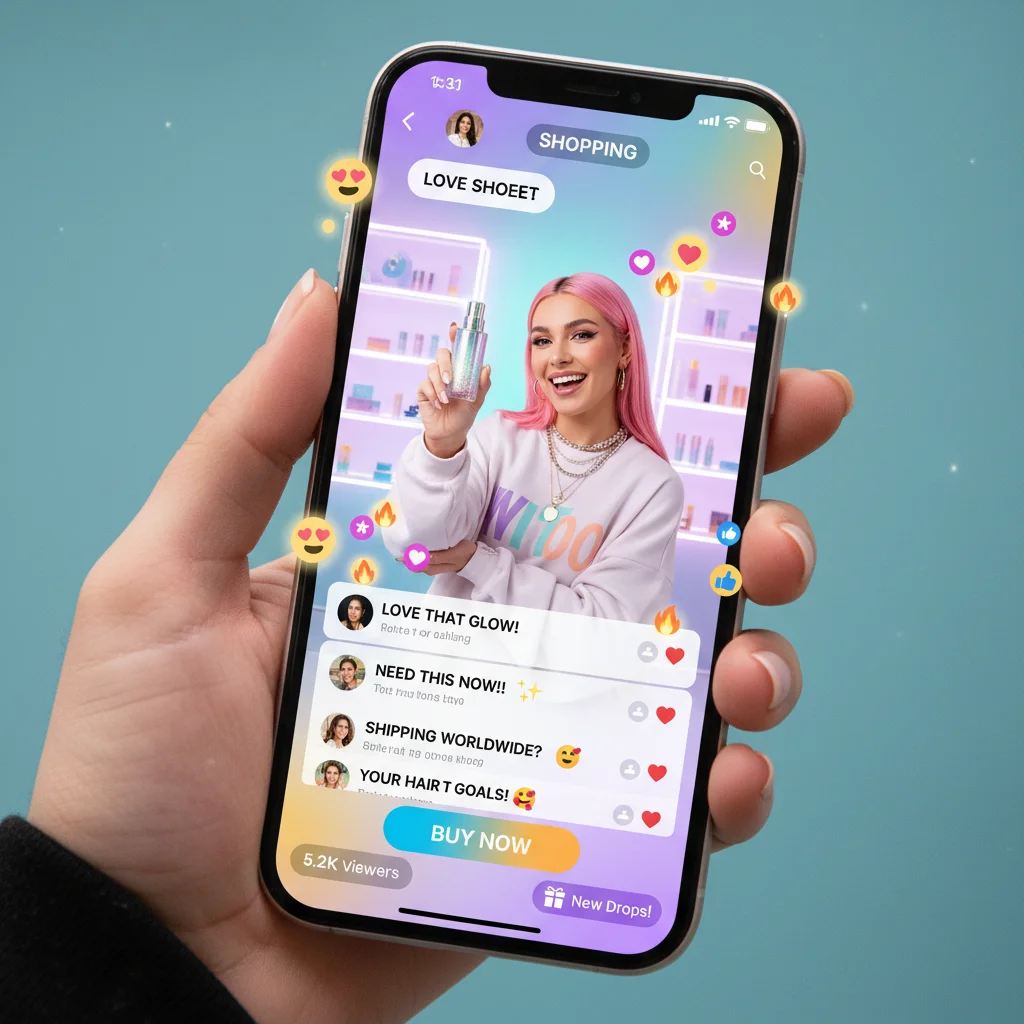
- Invest in Social Shopping Features: Utilize features like Instagram Shopping, TikTok Shop, Pinterest Buyable Pins, and Facebook Marketplace. Make it easy for Gen Z to discover and purchase products directly within their social feeds.
- Live Shopping Events: Host live shopping streams featuring influencers or brand experts. These interactive sessions combine entertainment, product demonstrations, and real-time purchasing opportunities, driving immediate conversions.
- Build a Robust DTC Strategy: Strengthen your own e-commerce platform and direct channels. Offer exclusive products, personalized experiences, and superior customer service to build direct relationships and gather valuable first-party data.
- Leverage Peer-to-Peer Recommendations: Implement referral programs, encourage customer reviews, and facilitate social sharing of purchases. Word-of-mouth (or rather, ‘word-of-feed’) is incredibly powerful for Gen Z.
- Seamless Checkout Experiences: Ensure your checkout process on all platforms is frictionless, mobile-optimized, and offers diverse payment options, including digital wallets and ‘buy now, pay later’ services.

This shift requires brands to integrate commerce deeply into their social media strategies, making the path to purchase as intuitive and integrated as possible within the platforms Gen Z already inhabits.
The Future of Gen Z Marketing Trends: Beyond Mid-2026
While these five shifts provide a crucial roadmap for US brands by mid-2026, the landscape will continue to evolve at a rapid pace. Gen Z is not a monolithic group, and their preferences will mature and diversify. Brands must remain agile, continuously monitoring emerging platforms, cultural trends, and technological innovations.
Looking ahead, we can anticipate further emphasis on:
- The Metaverse and Web3: While still nascent for mainstream adoption, early explorations into virtual worlds, NFTs, and decentralized technologies will become increasingly relevant for engaging the most forward-thinking segments of Gen Z. Brands should begin experimenting with their presence and offerings in these spaces.
- AI-Powered Creativity and Hyper-Personalization: Advancements in AI will allow for even more sophisticated content generation and truly 1:1 marketing experiences, making every interaction uniquely relevant to the individual.
- Creator Economy Integration: The line between consumer and creator will continue to blur. Brands will increasingly empower Gen Z to co-create products, content, and even marketing campaigns, fostering deeper engagement and brand advocacy.
- Privacy and Data Ethics: As Gen Z becomes more aware of their digital footprint, brands with transparent data practices and strong privacy commitments will gain a significant competitive advantage. Trust will be paramount.
- Mental Health and Well-being Focus: Brands that genuinely support mental health initiatives and promote positive well-being will resonate deeply with a generation that openly discusses these topics.
The journey to effectively marketing to Gen Z is continuous. It demands flexibility, genuine curiosity, and a willingness to challenge long-held marketing conventions. The brands that succeed will be those that not only understand these shifts but actively embrace them, evolving their strategies to meet Gen Z where they are, on their terms.
Conclusion: A Call to Action for US Brands
The imperative for US brands to adapt to Gen Z marketing trends is clear. By mid-2026, the brands that have successfully navigated the transition from traditional marketing to an approach centered around hyper-personalized content, raw authenticity, purpose-driven branding, immersive experiences, and integrated social commerce will be the ones that thrive. This isn’t just about chasing the latest fad; it’s about fundamentally re-evaluating how brands connect with a generation that values genuine connection, social impact, and seamless digital interaction.
The time to act is now. Start by auditing your current marketing strategies against these five shifts. Are you truly speaking Gen Z’s language? Are you demonstrating your values through action? Are you creating experiences, not just transactions? By embracing these changes, US brands can forge lasting, meaningful relationships with Gen Z, securing their place in the future of the consumer market.