Automation’s Impact: Redefining 10 Million US Jobs by 2030
The Future of Work in the US: How Automation Will Redefine 10 Million Jobs by 2030
The dawn of the 21st century has been marked by unprecedented technological advancement, and at the forefront of this revolution stands automation. Once confined to the realm of science fiction, automation is now a tangible force, rapidly reshaping industries, economies, and societies across the globe. In the United States, the impact of automation on the job market is a topic of intense discussion and analysis, with projections indicating a significant transformation. By 2030, it’s estimated that automation could redefine, displace, or create millions of jobs, with some analyses suggesting that as many as 10 million US jobs could be profoundly affected. This isn’t merely about job loss; it’s about a fundamental shift in the nature of work, demanding a proactive approach from individuals, businesses, and policymakers alike. Understanding the nuances of this transformation is crucial for navigating the evolving landscape of the American workforce.
The notion that machines will take over human jobs is not new; it’s a recurring theme throughout industrial history. However, what distinguishes the current wave of automation, driven by artificial intelligence (AI), robotics, and advanced software, is its pervasive nature and accelerated pace. Unlike previous industrial revolutions that primarily automated manual, repetitive tasks, today’s automation is increasingly capable of performing cognitive functions, analyzing data, making decisions, and even engaging in creative processes. This expanded capability means that a broader spectrum of occupations, from manufacturing and logistics to customer service and even some professional roles, are now susceptible to automation’s influence. The challenge, therefore, lies not just in preparing for a future with fewer jobs, but for a future with vastly different jobs, requiring new skills, mindsets, and educational pathways.
This comprehensive article will delve into the multifaceted impact of automation on the US job market, focusing on the projected redefinition of 10 million jobs by 2030. We will explore the industries most susceptible to disruption, identify the emerging job opportunities created by this technological shift, and discuss the critical strategies necessary for individuals and organizations to adapt and thrive. From the importance of reskilling and upskilling to the role of government policies and educational reforms, we will examine the key levers that can ensure a smooth transition into an automated future. The goal is not to predict a dystopian future, but to provide a realistic and optimistic roadmap for harnessing the power of automation to foster economic growth, enhance productivity, and create a more fulfilling work environment for all.
Unpacking the ‘Redefinition’: More Than Just Job Loss
When we talk about automation’s impact on 10 million US jobs, it’s essential to clarify what ‘redefinition’ truly means. It’s not a simple one-to-one replacement of human workers with machines. Instead, it encompasses a spectrum of changes:
- Task Automation: Many jobs will see specific tasks automated, rather than the entire role. For instance, an administrative assistant might find scheduling and data entry tasks handled by AI, freeing them up for more complex problem-solving or client interaction. This leads to job augmentation, where technology enhances human capabilities.
- Job Transformation: Entire job roles may evolve significantly. A truck driver, for example, might transition from operating a vehicle to overseeing a fleet of autonomous trucks, focusing on logistics, maintenance, and route optimization. The core function remains, but the day-to-day responsibilities shift dramatically.
- Job Displacement: This is the most commonly feared outcome, where certain roles become entirely obsolete due to automation. Repetitive manufacturing tasks, basic data processing, and some customer service roles are often cited as examples. However, even in these cases, displaced workers can often be reskilled for new opportunities.
- Job Creation: Crucially, automation also generates entirely new categories of jobs. This includes roles in AI development, robotics engineering, data science, ethical AI oversight, and jobs focused on managing and maintaining automated systems. These new roles often require higher-level cognitive and technical skills.
The net effect on overall employment levels is a subject of ongoing debate among economists. While some projections warn of significant job losses, others argue that historical trends suggest technology ultimately creates more jobs than it destroys, albeit different ones. The key differentiator for this wave of automation is the speed and scale at which these changes are occurring, necessitating a more rapid and comprehensive societal response.
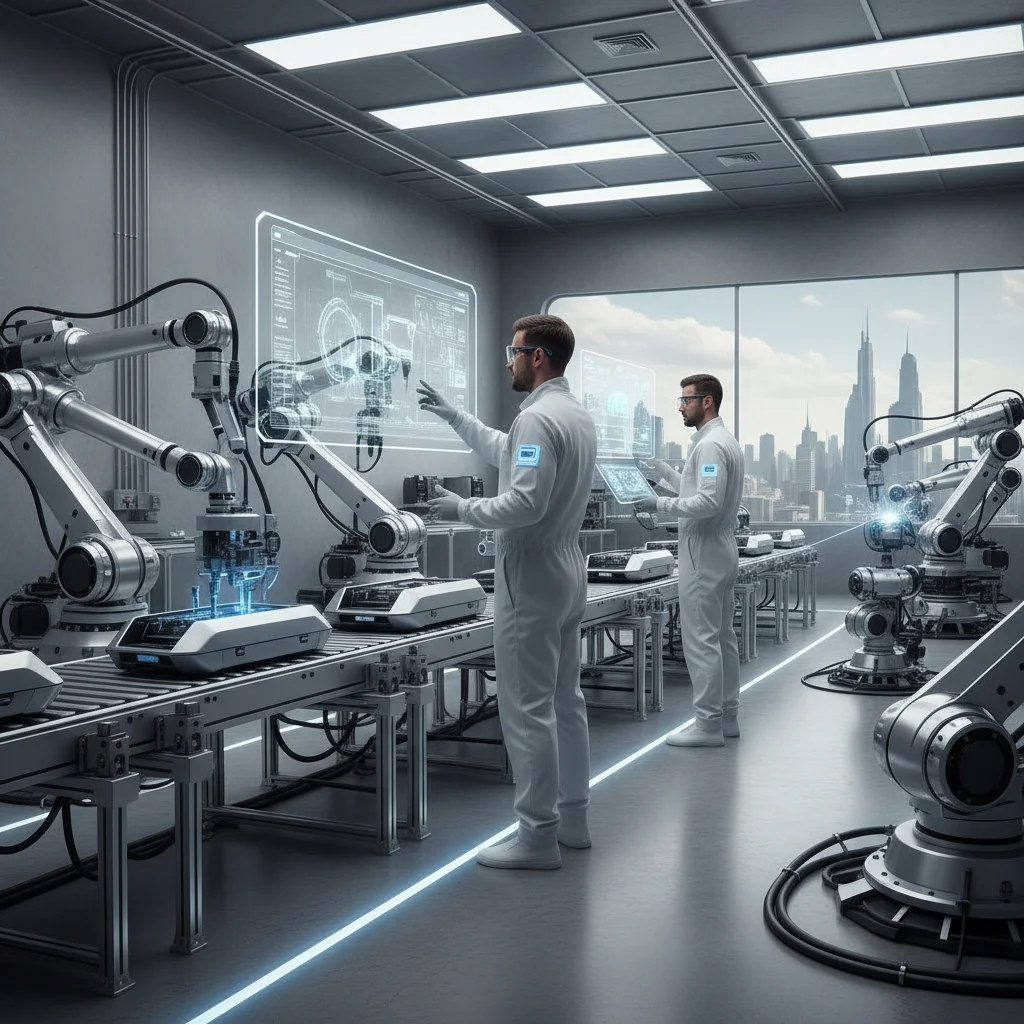
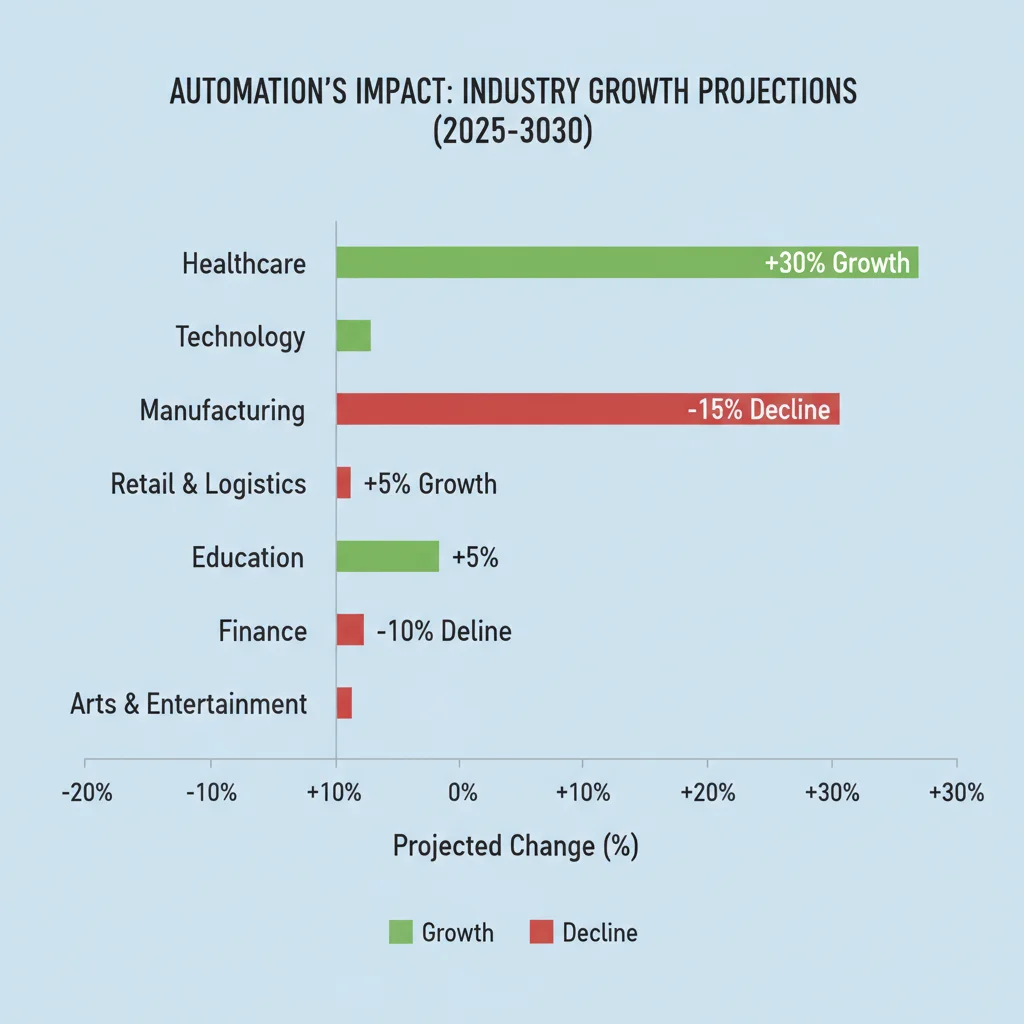
Consider the manufacturing sector, historically a significant employer in the US. While many assembly line jobs have already been automated, the introduction of advanced robotics and AI is now impacting more sophisticated tasks, such as quality control, predictive maintenance, and complex assembly. This doesn’t necessarily mean the end of manufacturing jobs, but rather a shift towards roles requiring skills in robotics programming, data analysis, and human-robot collaboration. Similarly, in the retail sector, self-checkout kiosks and automated inventory management systems are changing the nature of retail work, pushing employees towards roles focused on customer experience, merchandising, and technical support.
Understanding this nuanced impact is the first step in developing effective strategies for adaptation. It moves the conversation beyond a simple fear of job loss to a more constructive discussion about how to prepare the workforce for an augmented and evolving professional landscape. The focus shifts from merely reacting to displacement to proactively shaping the future of work, ensuring that the benefits of automation are widely shared and that individuals are equipped to thrive in this new era.
Industries Most Impacted by Automation US Jobs by 2030
While automation will touch nearly every sector, some industries are poised for more significant transformation than others. Identifying these key areas is crucial for targeted interventions and workforce planning:
Manufacturing and Production
This sector has long been at the forefront of automation, but advanced robotics and AI are accelerating this trend. Tasks like welding, assembly, quality inspection, and material handling are increasingly performed by machines. The shift is towards highly skilled roles in robotics maintenance, automation engineering, and data analytics to optimize production processes.
Transportation and Logistics
The advent of autonomous vehicles, from self-driving trucks to delivery drones, promises to revolutionize this industry. While long-haul truck drivers face potential displacement, new jobs will emerge in fleet management, remote operation oversight, and the development and maintenance of autonomous systems. Warehouse automation, with robots handling sorting and packing, is also rapidly expanding, changing the nature of logistics roles.
Retail and Customer Service
Self-checkout systems, automated inventory management, and AI-powered chatbots are already common. These technologies are reducing the need for human intervention in routine transactions and inquiries. Future roles will likely focus on complex problem-solving, personalized customer experiences, and managing technology interfaces.
Administrative and Office Support
Repetitive administrative tasks such as data entry, scheduling, email management, and document processing are prime candidates for automation through Robotic Process Automation (RPA) and AI. This will free up administrative staff to focus on more strategic, creative, and interpersonal tasks, requiring enhanced communication and critical thinking skills.
Food Service and Hospitality
Automated kiosks for ordering, robotic chefs in kitchens, and AI-driven concierge services are emerging. While human interaction will remain vital, particularly in high-end service, many routine tasks can be automated, leading to a focus on complex customer needs and experience design.
Healthcare (Specific Tasks)
While highly human-centric, certain aspects of healthcare are ripe for automation. AI can assist in diagnostics, analyze medical images, manage patient records, and even perform robotic-assisted surgeries. This will likely augment healthcare professionals, allowing them to focus on direct patient care, complex decision-making, and empathetic interactions.
It’s important to note that even within these highly impacted sectors, the effect is rarely uniform. High-skill, creative, and emotionally intelligent roles are generally more resilient to automation, while routine, predictable tasks are most vulnerable. This highlights the urgent need for a strategic approach to workforce development, focusing on skills that complement, rather than compete with, automation.
Emerging Opportunities: New Roles in an Automated World
While the discussion often centers on job displacement, automation is also a powerful engine for job creation. The new roles emerging are often higher-skilled, more analytical, and focused on the development, deployment, and management of automated systems. Preparing the workforce for these opportunities is key to a successful transition.
AI and Robotics Development
The demand for AI engineers, machine learning specialists, robotics engineers, and data scientists is skyrocketing. These professionals are responsible for designing, building, and refining the automated systems that are transforming industries. This field requires strong computational skills, mathematical understanding, and problem-solving abilities.
Automation Technicians and Maintenance
As more automation is integrated into factories, warehouses, and offices, there will be an increased need for skilled technicians to install, maintain, troubleshoot, and repair these complex systems. This includes industrial robot technicians, automation specialists, and mechatronics engineers.
Data Analysis and Interpretation
Automated systems generate vast amounts of data. Professionals who can collect, analyze, interpret, and derive actionable insights from this data will be invaluable. Roles like data analysts, business intelligence specialists, and data ethicists will be crucial for optimizing processes and making informed decisions.
Human-AI Collaboration Specialists
With humans and AI working side-by-side, new roles will emerge to facilitate this collaboration. This could include AI trainers, who teach AI systems to perform tasks, or human-robot interaction designers, who ensure seamless and intuitive interfaces between humans and machines.
Cybersecurity Specialists
As societies become more reliant on interconnected automated systems, the threat of cyberattacks grows. Cybersecurity professionals will be in high demand to protect these systems from vulnerabilities, ensuring their safe and reliable operation.
Creative and Strategic Roles
Automation often frees up human workers from mundane tasks, allowing them to focus on innovation, creativity, strategic planning, and complex problem-solving. Roles in R&D, design thinking, strategic management, and creative arts will become even more critical in differentiating businesses and driving progress.
Ethical AI and Governance
The widespread deployment of AI raises significant ethical questions. New roles will emerge to address these concerns, including AI ethicists, policy advisors, and regulatory specialists who ensure that automation is developed and used responsibly and equitably.
These emerging roles highlight a shift towards skills that are uniquely human: creativity, critical thinking, emotional intelligence, complex problem-solving, and interpersonal communication. While automation handles the routine and predictable, humans will be increasingly valued for their ability to innovate, adapt, and connect. Investing in these ‘soft skills’ alongside technical expertise will be paramount for future career success.

Strategies for Workforce Adaptation and Reskilling
Given the scale of transformation impacting automation US jobs, proactive and comprehensive strategies for workforce adaptation are not just desirable but essential. This involves a multi-pronged approach engaging individuals, educational institutions, businesses, and government.
Individual Responsibility: Lifelong Learning and Skill Development
The most critical strategy for individuals is embracing a mindset of lifelong learning. The skills acquired early in one’s career may not suffice for an entire working life. Workers must continuously seek opportunities to upskill (enhance existing skills) and reskill (learn entirely new skills) to remain relevant.
- Focus on ‘Human’ Skills: Develop and refine skills that automation struggles with, such as creativity, critical thinking, complex problem-solving, emotional intelligence, leadership, and interpersonal communication.
- Digital Literacy: A foundational understanding of digital tools, data, and basic coding principles is becoming indispensable across all sectors.
- Technical Skills: For those in vulnerable roles, acquiring new technical skills in areas like data analytics, AI fundamentals, cybersecurity, or robotics operation can open doors to emerging opportunities.
- Online Learning and Certifications: Leverage the abundance of online courses, bootcamps, and certification programs from platforms like Coursera, edX, and industry-specific training providers.
The Role of Educational Institutions
Educational systems, from K-12 to higher education, must adapt to prepare future generations for an automated world.
- Curriculum Reform: Integrate computational thinking, data science, and AI literacy into curricula at all levels. Emphasize project-based learning that fosters critical thinking and problem-solving.
- Vocational Training: Strengthen vocational and technical education programs to provide hands-on training for emerging roles in automation maintenance, robotics, and advanced manufacturing.
- Partnerships with Industry: Universities and colleges should collaborate closely with businesses to ensure that their programs are aligned with industry needs and to provide practical experience through internships and apprenticeships.
- Adult Education: Offer flexible and accessible programs for adult learners seeking to reskill or upskill, including evening classes, online modules, and micro-credentials.
Business Imperatives: Investing in the Workforce
Companies that proactively invest in their employees’ development will be better positioned to thrive in an automated future. Relying solely on external hiring for new skills is unsustainable.
- Internal Reskilling Programs: Establish robust internal training programs to transition existing employees into new roles or to augment their current responsibilities with automation.
- Tuition Reimbursement and Learning Stipends: Support employees’ external learning endeavors through financial assistance.
- Culture of Continuous Learning: Foster an organizational culture that values and encourages continuous learning and adaptation.
- Human-AI Teaming: Design workflows and train employees to effectively collaborate with AI and robotic systems, viewing them as tools rather than threats.
Government Policies and Support
Government intervention is crucial to ensure an equitable transition and mitigate potential societal disruptions.
- Investment in Education and Training: Fund public education and vocational training programs, particularly those focused on future-proof skills.
- Unemployment Support and Transition Programs: Provide robust unemployment benefits and job placement services for displaced workers, coupled with access to reskilling opportunities.
- Incentives for Businesses: Offer tax breaks or subsidies to companies that invest in employee training and reskilling, or that implement automation responsibly.
- Data Collection and Analysis: Invest in better data collection on labor market trends and skill gaps to inform policy decisions.
- Ethical Guidelines: Develop regulatory frameworks and ethical guidelines for the development and deployment of AI and automation to ensure fairness, transparency, and accountability.
A coordinated effort across all these stakeholders is necessary to harness the potential of automation while minimizing its negative impacts on the workforce. The goal is not to stop progress, but to guide it in a way that creates a more prosperous and inclusive future for all American workers.
Challenges and Ethical Considerations of Automation US Jobs
While the opportunities presented by automation are immense, it also brings significant challenges and ethical considerations that demand careful attention. Ignoring these aspects could exacerbate social inequalities and lead to widespread discontent.
Job Displacement and Economic Inequality
The most immediate concern is the potential for significant job displacement, particularly among low-skilled workers. If not managed effectively, this could lead to increased unemployment, wage stagnation for some segments of the population, and a widening gap between those with in-demand skills and those without. This could further exacerbate existing economic inequalities, leading to social unrest and political instability.
The Skills Gap
Even with new jobs being created, there’s a significant risk of a skills mismatch, or a ‘skills gap.’ The skills required for emerging roles (e.g., data science, AI engineering) are vastly different from those in declining roles (e.g., routine manufacturing). Bridging this gap through rapid and effective reskilling programs is a monumental challenge.
The Future of Work-Life Balance
Automation can lead to increased productivity, but it also blurs the lines between work and personal life. The expectation of constant availability, driven by always-on technology, could lead to increased stress and burnout. Conversely, if automation leads to fewer working hours, societies will need to address how leisure time is spent and how individuals find purpose outside of traditional employment.
Ethical Implications of AI and Decision-Making
As AI takes on more decision-making roles, ethical questions become paramount. How do we ensure AI systems are fair, unbiased, and transparent? Who is accountable when an AI makes a mistake with serious consequences? Issues of data privacy, algorithmic bias, and the potential for autonomous systems to make life-or-death decisions require robust ethical frameworks and regulatory oversight.
Impact on Human Dignity and Purpose
Work often provides not just income, but also a sense of purpose, identity, and social connection. If automation significantly reduces the availability of meaningful work, society must grapple with how individuals find fulfillment and contribute to their communities in new ways. This could involve exploring concepts like universal basic income (UBI) or fostering a greater emphasis on creative and community-based activities.
Cybersecurity Risks
The increasing interconnectedness of automated systems also presents significant cybersecurity risks. A breach in one system could have cascading effects across critical infrastructure, from power grids to financial networks. Protecting these systems from malicious attacks will be an ongoing and evolving challenge.
The Digital Divide
Access to technology, high-speed internet, and quality education remains uneven across the US. This ‘digital divide’ could worsen if access to automation-related training and opportunities is limited to privileged populations, further entrenching social and economic disparities.
Addressing these challenges requires a concerted effort from all sectors of society. It’s not enough to simply embrace technological progress; we must also ensure that this progress serves humanity, promotes equity, and enhances overall well-being. Proactive policy-making, robust ethical discussions, and continuous societal adaptation will be key to navigating these complex issues successfully.
Policy Recommendations for a Future with Automation US Jobs
To effectively manage the transformation of 10 million US jobs by 2030 due to automation, a robust and forward-thinking policy framework is indispensable. Government, in collaboration with industry and academia, has a critical role to play in shaping a future where automation benefits all citizens.
Invest in Public Education and Lifelong Learning
- Universal Access to Digital Literacy: Ensure that every American has access to basic digital skills training from an early age through adult education programs.
- Strengthen STEM and Vocational Training: Increase funding and resources for Science, Technology, Engineering, and Mathematics (STEM) education, as well as vocational and technical schools that prepare workers for hands-on roles in an automated economy.
- Subsidized Reskilling and Upskilling Programs: Implement government-funded or subsidized programs that offer training in high-demand skills, particularly for workers in industries most susceptible to automation. This could include tax credits for individuals pursuing such education or grants for training providers.
- Portable Benefits and Micro-credentials: Explore models for portable benefits that are not tied to a single employer, and promote micro-credentialing to allow workers to gain specific, in-demand skills quickly and flexibly.
Reimagine Social Safety Nets
- Modernize Unemployment Insurance: Adapt unemployment benefits to support longer periods of reskilling and job search, and potentially explore broader social safety nets like Universal Basic Income (UBI) pilots to provide a financial floor during times of transition.
- Wage Insurance: Consider wage insurance programs that provide a portion of lost wages for workers who take lower-paying jobs after being displaced by automation.
- Stronger Worker Protections: Ensure that labor laws are updated to protect workers in the gig economy and other emerging work models, providing fair wages, benefits, and working conditions.
Incentivize Responsible Automation and Innovation
- Tax Incentives for Training: Provide tax credits or deductions for companies that invest in training and reskilling their existing workforce for automation-era jobs, rather than solely focusing on external hiring.
- R&D for Human-Centric AI: Fund research and development into AI and automation technologies that are designed to augment human capabilities rather than simply replace them, fostering human-AI collaboration.
- Infrastructure Investment: Invest in infrastructure improvements, including broadband access, to support the digital economy and create jobs in construction and maintenance.
Establish Ethical AI Governance
- Regulatory Frameworks: Develop clear and adaptable regulatory frameworks for AI and automation, addressing issues such as data privacy, algorithmic bias, accountability, and safety.
- Ethical AI Standards: Promote the development and adoption of industry-wide ethical AI standards and best practices, potentially through public-private partnerships.
- Public Dialogue: Foster ongoing public dialogue and education about the societal implications of AI and automation to build trust and inform policy decisions.
Foster Entrepreneurship and Small Business Growth
- Support for Startups: Provide grants, mentorship, and incubator programs for startups focused on creating new products and services in the automated economy, which can be significant job creators.
- Access to Capital: Ensure small businesses have access to capital to adopt new technologies and innovate, helping them to compete and adapt.
These policy recommendations are not exhaustive, but they provide a starting point for a proactive and adaptive approach to automation. The goal is to create an environment where technological progress leads to shared prosperity, where workers are empowered to adapt, and where the US remains a leader in innovation and economic opportunity.
Conclusion: Navigating the Automated Future of Automation US Jobs
The transformation of 10 million US jobs by 2030 due to automation is not an impending crisis but a profound evolutionary shift in the nature of work. It presents both significant challenges and unparalleled opportunities for economic growth, increased productivity, and the creation of more meaningful, human-centric roles. The key to navigating this future successfully lies in our collective ability to adapt, innovate, and collaborate across all sectors of society.
For individuals, the message is clear: lifelong learning is no longer a luxury but a necessity. Cultivating adaptability, critical thinking, creativity, and emotional intelligence, alongside technical proficiency, will be paramount for thriving in an automated landscape. The emphasis must shift from static job titles to dynamic skill sets that can be continuously updated and applied to new contexts.
Businesses must recognize that their most valuable asset remains their human capital. Investing in reskilling and upskilling programs, fostering a culture of continuous learning, and strategically integrating automation to augment, rather than simply replace, human workers will be crucial for sustained competitiveness and innovation. Companies that view automation as an opportunity to empower their employees will be the ones that lead the way.
Educational institutions bear the responsibility of preparing both current and future generations for this new reality. This requires radical curriculum reform, stronger vocational training, and closer ties with industry to ensure that the skills being taught are relevant and in demand. Education must become a continuous journey, accessible and affordable at every stage of life.
Finally, government plays a pivotal role in creating an enabling environment for this transition. Through forward-thinking policies that support education, modernize social safety nets, incentivize responsible innovation, and establish ethical guidelines for AI, policymakers can ensure that the benefits of automation are widely shared and that no one is left behind. A proactive approach to policy, built on collaboration and foresight, is essential to mitigate potential disruptions and harness automation’s full potential.
The future of work, heavily influenced by automation US jobs, is not a fixed destination but a journey we are collectively shaping. By embracing the changes, investing in human potential, and fostering a spirit of innovation and collaboration, the United States can transform the challenges of automation into a powerful catalyst for a more prosperous, productive, and equitable future for all its citizens. The time to act is now, to ensure that the promise of automation is realized for generations to come.