AI for Startup Growth: Boost Efficiency 25% in US Companies

The Latest in AI for Startup Growth: Boosting Operational Efficiency by 25% in US Companies
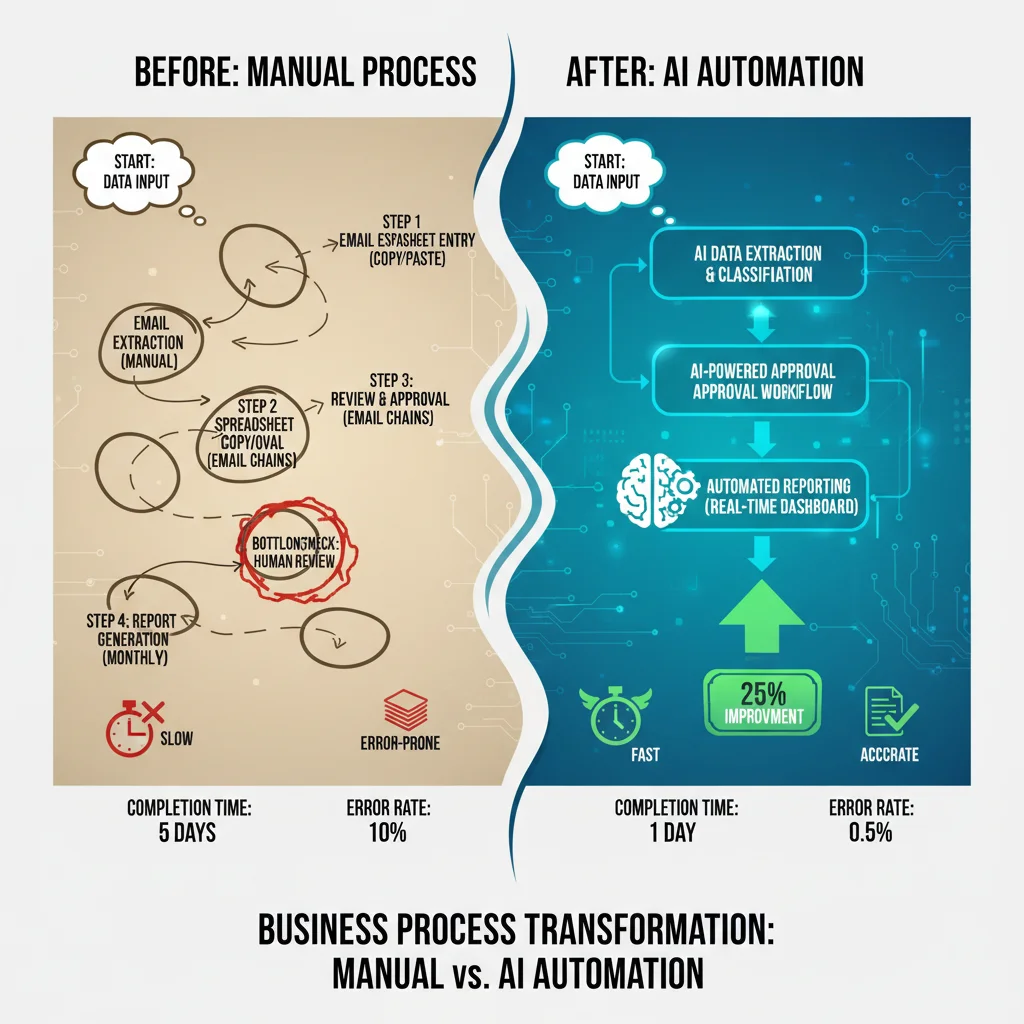
In the dynamic landscape of modern business, especially within the fiercely competitive startup ecosystem, the quest for sustained growth and operational excellence is relentless. US companies, particularly nascent ventures, are increasingly turning to cutting-edge technologies to gain a decisive edge. Among these, Artificial Intelligence (AI) stands out as a transformative force, revolutionizing how startups operate, innovate, and scale. The promise of AI isn’t just about automation; it’s about intelligent automation, predictive insights, and unprecedented efficiency gains that can propel a startup from nascent to dominant. Indeed, recent analyses suggest that AI adoption can lead to an average operational efficiency boost of 25% or more for US companies, a figure that is too significant for any ambitious startup to ignore.
This comprehensive guide delves into the multifaceted ways AI is empowering AI startup growth by enhancing operational efficiency. We will explore the core concepts, practical applications, real-world success stories, and the strategic roadmap for integrating AI into your startup’s DNA. Whether you’re a founder, an executive, or a technologist, understanding the profound impact of AI on operational workflows is crucial for navigating the future of business.
Understanding the Core of Operational Efficiency in Startups
Before we dissect AI’s role, let’s define operational efficiency in the context of a startup. It refers to the ability to deliver products or services in the most resource-effective manner possible, minimizing waste and maximizing output. For startups, where resources are often scarce and every dollar counts, optimizing operations is not just a best practice; it’s a survival mechanism. High operational efficiency translates to:
- Reduced Costs: Less waste, fewer errors, and optimized resource allocation directly cut down expenses.
- Increased Productivity: Streamlined processes mean more output with the same or fewer inputs.
- Faster Time-to-Market: Efficient development and delivery cycles enable quicker product launches and iterations.
- Enhanced Customer Satisfaction: Smoother operations often lead to better product quality and more responsive service.
- Improved Scalability: Efficient systems are easier to scale without disproportionately increasing costs.
Historically, achieving these efficiencies required extensive manual effort, process re-engineering, and significant human oversight. However, AI introduces a new paradigm, offering capabilities that transcend traditional limitations and accelerate the path to optimal performance, driving significant AI startup growth.
The AI Revolution: How AI is Reshaping Startup Operations
The integration of AI into startup operations is not a monolithic event but a continuous evolution, touching various aspects of the business. From automating mundane tasks to providing deep strategic insights, AI is proving to be an invaluable partner for startups aiming for rapid and sustainable AI startup growth.
Automation of Repetitive Tasks: Freeing Up Human Capital
One of the most immediate and tangible benefits of AI is its ability to automate repetitive, rule-based tasks that traditionally consume significant human effort. Robotic Process Automation (RPA), often powered by AI, can handle data entry, invoice processing, customer support queries, and routine HR functions. This automation liberates employees from monotonous work, allowing them to focus on higher-value, creative, and strategic initiatives. For a startup, this means a leaner team can achieve more, directly impacting the bottom line and accelerating AI startup growth.
Predictive Analytics for Smarter Decision-Making
AI’s prowess in analyzing vast datasets enables startups to move beyond reactive strategies to proactive, data-driven decision-making. Predictive analytics, fueled by machine learning algorithms, can forecast market trends, predict customer behavior, identify potential operational bottlenecks, and even anticipate equipment failures. This foresight allows startups to optimize inventory, tailor marketing campaigns, allocate resources more effectively, and mitigate risks before they escalate. The ability to anticipate rather than just react is a game-changer for AI startup growth.
Enhanced Customer Experience Through AI-Powered Interactions
Customer acquisition and retention are paramount for startups. AI significantly elevates the customer experience through personalized recommendations, intelligent chatbots for 24/7 support, and sentiment analysis to understand customer needs and frustrations. These AI tools provide instant, consistent, and tailored interactions, leading to higher satisfaction rates and stronger customer loyalty. A positive customer experience is a direct driver of AI startup growth.
Optimizing Supply Chain and Logistics
For startups involved in physical products, supply chain efficiency is critical. AI algorithms can optimize routes, predict demand fluctuations, manage inventory levels, and identify potential disruptions in the supply chain. This leads to reduced shipping costs, faster delivery times, and minimized stockouts or overstocking, all contributing to a healthier bottom line and supporting AI startup growth.
Revolutionizing Product Development and Innovation
AI can accelerate the product development lifecycle by automating testing, analyzing user feedback at scale, and even assisting in the design process through generative AI. By quickly iterating on products based on data-driven insights, startups can bring more innovative and market-fit solutions to customers faster, securing a competitive advantage and fostering rapid AI startup growth.
Achieving a 25% Boost: Real-World AI Applications for US Startups
The 25% efficiency boost isn’t just a theoretical number; it’s a measurable outcome being realized by US startups across various sectors. Let’s look at specific areas where AI is making a tangible difference:
Sales and Marketing Automation
- Lead Generation and Qualification: AI tools can scour vast amounts of data to identify potential leads, score them based on propensity to convert, and even personalize outreach messages. This saves sales teams countless hours and focuses their efforts on the most promising prospects.
- Personalized Marketing Campaigns: AI analyzes customer data to create highly targeted and personalized marketing campaigns, leading to higher engagement rates and better ROI.
- Sales Forecasting: Machine learning models predict sales trends with greater accuracy, allowing for better resource allocation and inventory management.
Customer Support and Engagement
- Intelligent Chatbots and Virtual Assistants: Handling routine inquiries, providing instant answers, and escalating complex issues to human agents efficiently. This reduces response times and improves customer satisfaction.
- Sentiment Analysis: AI can analyze customer feedback from various channels (social media, reviews, support tickets) to gauge sentiment and identify areas for improvement in products or services.
Financial Operations
- Automated Bookkeeping and Expense Management: AI can automate invoice processing, reconcile accounts, and track expenses, significantly reducing manual errors and time spent on financial administration.
- Fraud Detection: Machine learning algorithms can identify anomalous transactions and potential fraud patterns in real-time, protecting startup assets.
Human Resources and Talent Management
- Automated Recruitment: AI can screen resumes, identify qualified candidates, and even conduct initial interviews, streamlining the hiring process and reducing time-to-hire.
- Employee Onboarding and Training: AI-powered platforms can personalize onboarding experiences and deliver tailored training modules, ensuring new hires become productive faster.
Operational Management and Logistics
- Predictive Maintenance: For startups with physical assets, AI can monitor equipment performance and predict when maintenance is needed, preventing costly breakdowns and minimizing downtime.
- Route Optimization: Logistics startups use AI to find the most efficient delivery routes, saving fuel costs and reducing delivery times.
Case Studies: US Startups Riding the AI Wave for Operational Excellence
While specific company names can be proprietary, the patterns of success are clear. Consider a hypothetical US e-commerce startup:
Case Study: E-commerce Startup ‘SwiftShip’
SwiftShip, a rapidly growing online retailer, faced challenges with inventory management, customer support, and personalized marketing. They integrated an AI-powered platform that:
- Analyzed sales data to predict demand: This reduced overstocking by 15% and stockouts by 20%, optimizing inventory costs.
- Deployed AI chatbots: Handled 70% of routine customer inquiries, reducing human agent workload by 30% and improving response times from hours to minutes.
- Personalized product recommendations: Increased conversion rates by 10% and average order value by 5%.
The cumulative effect of these AI implementations allowed SwiftShip to reallocate 25% of their operational budget to marketing and product development, directly contributing to a 35% increase in annual revenue and solidifying their AI startup growth trajectory.
Another example could be a SaaS startup focused on project management:
Case Study: SaaS Startup ‘TaskFlow AI’
TaskFlow AI developed an AI assistant that integrates into their project management platform. This assistant:
- Automates task assignments: Based on team member availability, skill sets, and project deadlines.
- Identifies project risks: By analyzing communication patterns and task dependencies, flagging potential delays before they occur.
- Generates progress reports: Automatically, saving project managers several hours per week.
By streamlining project workflows and reducing administrative overhead, TaskFlow AI saw a 28% improvement in project completion rates and a 20% reduction in resource waste, directly translating to enhanced client satisfaction and accelerated AI startup growth.
Strategic Implementation: A Roadmap for AI Adoption in Your Startup
Integrating AI effectively requires a strategic approach. Here’s a roadmap for US startups looking to leverage AI for operational efficiency and AI startup growth:
1. Identify Pain Points and Opportunities
Start by pinpointing specific operational bottlenecks or areas where manual processes are inefficient, error-prone, or resource-intensive. Where could a 25% efficiency gain make the most impact? This could be customer support, sales lead qualification, inventory management, or data entry.
2. Define Clear Objectives and KPIs
What do you hope to achieve with AI? Set measurable goals (Key Performance Indicators) for your AI initiatives. For example, ‘reduce customer support resolution time by 30%’ or ‘increase lead conversion rate by 15%.’ Clear objectives ensure that your AI investment is aligned with your AI startup growth strategy.
3. Data Readiness Assessment
AI thrives on data. Assess the quality, quantity, and accessibility of your existing data. Do you have enough clean, relevant data to train AI models? If not, prioritize data collection and cleansing initiatives. Data governance and security are also paramount.
4. Start Small, Think Big: Pilot Projects
Don’t try to implement AI across your entire organization at once. Begin with a pilot project in a specific area with a well-defined scope. This allows you to test the waters, learn from initial implementations, and demonstrate early successes without significant risk. A successful pilot builds internal champions for broader AI adoption.
5. Choose the Right AI Tools and Partners
The AI landscape is vast. Research and select AI tools and platforms that align with your specific needs, budget, and technical capabilities. Consider off-the-shelf solutions, open-source frameworks, or engaging with AI consulting firms if you lack in-house expertise. Look for solutions that promise tangible contributions to AI startup growth.
6. Integrate and Iterate
AI implementation is an ongoing process. Integrate AI solutions into your existing workflows, monitor their performance, and continuously iterate based on feedback and results. Machine learning models require continuous training and fine-tuning to remain effective.
7. Foster an AI-Ready Culture
Successful AI adoption isn’t just about technology; it’s about people. Educate your team about AI, address concerns about job displacement (emphasizing augmentation rather than replacement), and train employees on how to work alongside AI tools. An AI-ready culture is crucial for sustained AI startup growth.

Challenges and Considerations for AI Adoption
While the benefits are immense, startups must also be mindful of potential challenges:
- Data Privacy and Security: Handling sensitive data with AI requires robust security measures and compliance with regulations like GDPR and CCPA.
- Cost of Implementation: Initial AI investments can be substantial, though the long-term ROI is often compelling. Startups need to carefully budget and plan.
- Talent Gap: Finding skilled AI engineers and data scientists can be challenging and expensive. Leveraging AI-as-a-Service (AIaaS) platforms or external consultants can mitigate this.
- Bias in AI Models: If not carefully managed, AI models trained on biased data can perpetuate or even amplify existing biases, leading to unfair outcomes. Regular auditing and ethical considerations are vital.
- Integration Complexities: Integrating new AI systems with legacy infrastructure can be complex and require significant technical expertise.
The Future of AI in US Startup Operations
The trajectory of AI in US startups points towards even deeper integration and more sophisticated applications. We can anticipate:
- Hyper-personalization: AI will enable even more granular personalization across all customer touchpoints, from product design to after-sales support.
- Autonomous Operations: Certain operational segments, such as fully automated warehouses or self-managing cloud infrastructures, will become more commonplace.
- Generative AI for Content and Code: Beyond text and images, generative AI will increasingly assist in creating marketing copy, product designs, and even foundational code, dramatically accelerating creative and development processes.
- Ethical AI and Trust: As AI becomes more pervasive, the focus on ethical AI development, transparency, and explainability will intensify, building greater trust among users and stakeholders.
- AI-Powered Strategic Planning: AI will move beyond tactical optimizations to inform high-level strategic planning, identifying new market opportunities and predicting competitive moves.
For US startups, staying abreast of these trends and proactively integrating AI will not just be about achieving a 25% efficiency boost, but about defining the very essence of competitive advantage and sustainable AI startup growth in the coming decade.
Conclusion: Embracing AI for Unprecedented Startup Success
The evidence is clear: Artificial Intelligence is no longer an optional luxury but a strategic imperative for US startups aiming for significant operational efficiency gains and accelerated growth. By automating repetitive tasks, enabling predictive insights, enhancing customer experiences, and optimizing complex operations, AI offers a pathway to a leaner, smarter, and more competitive business model. The promise of boosting operational efficiency by 25% is not just an ambitious goal; it is a demonstrable reality for those who strategically embrace AI.
The journey to becoming an AI-driven startup requires careful planning, a commitment to data quality, and a willingness to iterate and adapt. However, the rewards—reduced costs, increased productivity, faster innovation, and ultimately, sustainable growth—make the investment unequivocally worthwhile. As the technological frontier continues to expand, startups that successfully harness the power of AI will not only survive but thrive, setting new benchmarks for efficiency and innovation in the global marketplace. Begin your AI journey today and unlock the full potential of your AI startup growth.