Sustainable Work Practices: 10% Cost Reduction by 2026 for US Businesses

Sustainable Work Practices: A Roadmap to 10% Cost Reduction for U.S. Businesses by 2026
In an increasingly competitive global landscape, U.S. businesses are constantly seeking innovative strategies to enhance profitability and ensure long-term viability. While traditional cost-cutting measures often involve painful layoffs or compromises on quality, a powerful yet often underestimated avenue for significant savings lies in the adoption of sustainable work practices. This comprehensive guide will explore how embracing environmental, social, and governance (ESG) principles can not only bolster your brand image and attract top talent but also lead to a remarkable 10% reduction in operational costs by 2026. This isn’t just about ‘going green’ for the sake of it; it’s about strategic business transformation that yields tangible financial benefits.
The Business Imperative for Sustainable Work Practices
The notion that sustainability is merely a philanthropic endeavor is outdated. Today, sustainable work practices are recognized as a core driver of business success. Consumers, investors, and employees are increasingly scrutinizing corporate environmental and social performance. Companies that integrate sustainability into their core operations tend to outperform their peers financially, demonstrate greater resilience to market fluctuations, and build stronger stakeholder relationships.
Why 10% by 2026? Setting an Ambitious Yet Achievable Goal
A 10% reduction in operational costs by 2026 might seem ambitious, but it is entirely achievable through a concerted effort towards sustainable practices. This target provides a clear, measurable goal that can galvanize your organization. It forces a holistic review of processes, from energy consumption and waste management to supply chain logistics and employee engagement. By setting such a benchmark, businesses can unlock efficiencies that not only save money but also contribute positively to the planet.
Key Pillars of Sustainable Work Practices for Cost Reduction
Achieving significant cost reductions through sustainability requires a multi-faceted approach. Here, we delve into the primary areas where U.S. businesses can implement sustainable work practices to see substantial financial returns.
1. Energy Efficiency and Renewable Energy Integration
Energy costs represent a substantial portion of operational expenses for most businesses. Optimizing energy consumption is one of the most direct routes to cost savings and a cornerstone of sustainable work practices.
- LED Lighting Upgrades: Replacing traditional incandescent or fluorescent lights with LED technology can reduce lighting energy consumption by 75% or more. The initial investment often pays for itself within 1-3 years.
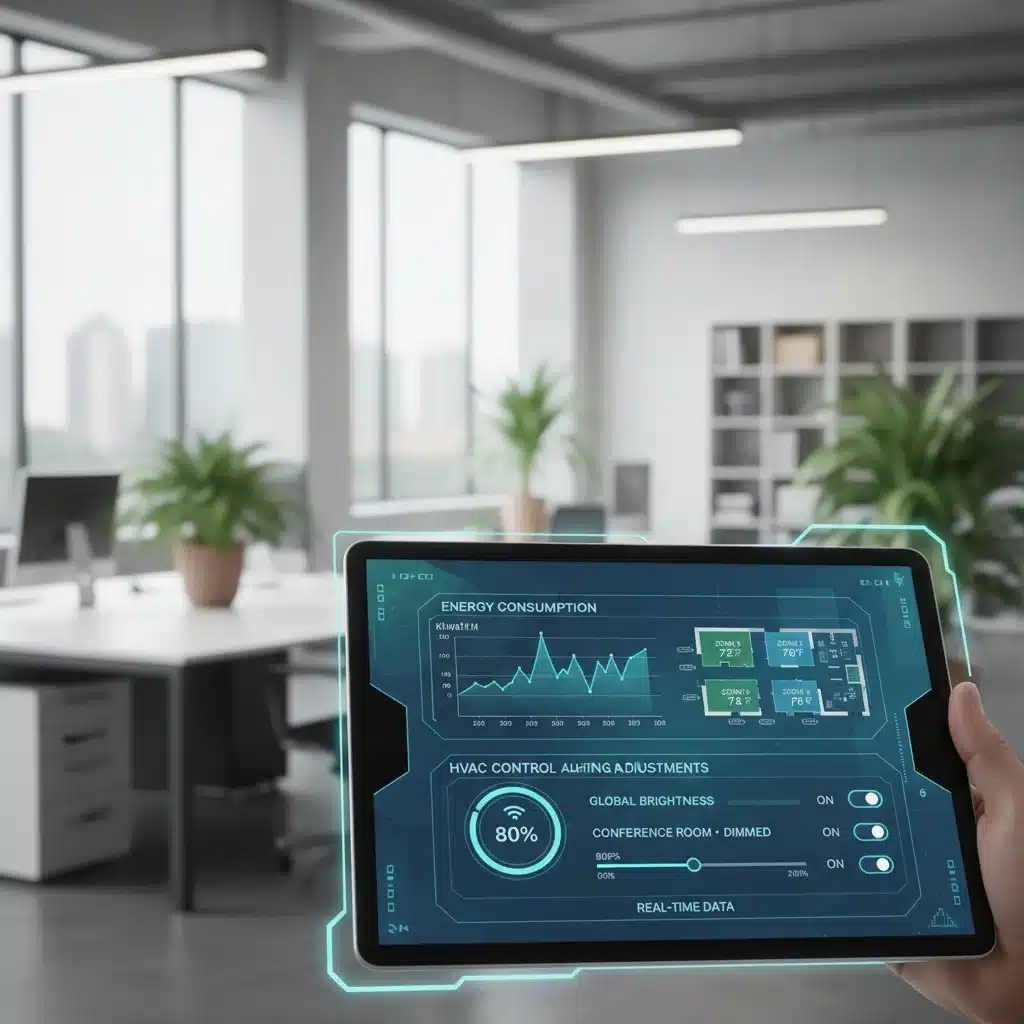
- Smart Building Management Systems (BMS): Implementing BMS allows for automated control of HVAC, lighting, and other building systems based on occupancy, time of day, and external weather conditions. This intelligent automation can lead to 15-30% energy savings.
- Optimized HVAC Systems: Regular maintenance, sealing leaks, and upgrading to more energy-efficient HVAC units can drastically cut heating and cooling costs. Consider programmable thermostats and zone controls to avoid heating/cooling unoccupied areas.
- Renewable Energy Sources: Investing in on-site solar panels or purchasing renewable energy credits (RECs) can stabilize energy costs, reduce reliance on fossil fuels, and offer long-term savings, often with government incentives and tax breaks.
- Employee Awareness and Behavior Change: Encouraging employees to turn off lights, unplug electronics, and manage personal energy use can collectively lead to significant reductions.
2. Waste Reduction and Circular Economy Principles
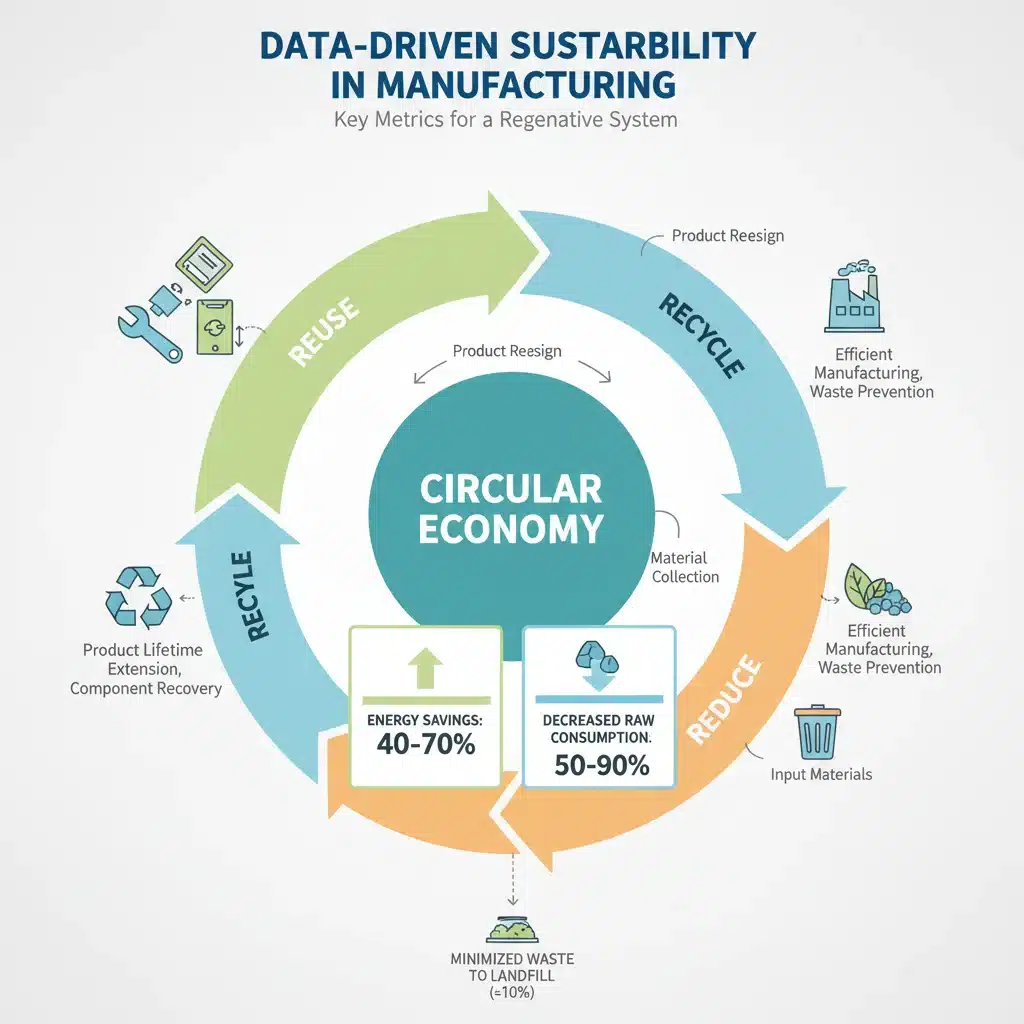
Waste is not just an environmental problem; it’s a financial drain. Every item discarded represents lost resources, energy, and money. Adopting circular economy principles is a powerful sustainable work practice.
- Reduce, Reuse, Recycle Program: Beyond basic recycling bins, implement comprehensive programs for office supplies, electronics (e-waste), and even furniture. Encourage reuse of items like printer cartridges and packaging.
- Composting Initiatives: For businesses with cafeterias or significant organic waste, composting can reduce landfill fees and create valuable soil amendments.
- Supply Chain Optimization: Work with suppliers to reduce packaging, choose durable goods, and minimize transportation emissions. Opt for suppliers who also prioritize sustainability.
- Product Lifecycle Management: Design products for longevity, repairability, and recyclability from the outset. This reduces material costs and waste generation throughout the product’s life.
- Waste Audits: Regularly assess your waste streams to identify opportunities for reduction and diversion. This data-driven approach helps pinpoint the most impactful changes.
3. Water Conservation and Management
Water scarcity is a growing concern, and water utilities are becoming more expensive. Implementing water-saving sustainable work practices can lead to significant cost reductions.
- Low-Flow Fixtures: Install low-flow toilets, urinals, and faucets in restrooms and kitchens.
- Leak Detection and Repair: Regularly inspect plumbing for leaks, which can waste thousands of gallons of water and go unnoticed.
- Efficient Landscaping: Use drought-resistant plants (xeriscaping) and smart irrigation systems that water based on actual need and weather conditions.
- Process Water Recycling: For industrial operations, explore technologies for treating and reusing process water.
4. Sustainable Procurement and Supply Chain Management
Your supply chain can be a major source of environmental impact and cost. Strategic sustainable procurement is a critical sustainable work practice.
- Eco-Friendly Product Sourcing: Prioritize suppliers who offer products made from recycled content, renewable materials, or those with environmental certifications.
- Local Sourcing: Reduce transportation costs and emissions by sourcing materials and products locally whenever possible.
- Supplier Audits and Collaboration: Partner with suppliers to improve their own sustainable practices, ensuring transparency and accountability throughout the supply chain.
- Lifecycle Costing: Look beyond the initial purchase price to consider the total cost of ownership, including energy consumption, maintenance, and disposal costs, when making procurement decisions.
5. Remote Work and Flexible Work Arrangements
The COVID-19 pandemic accelerated the adoption of remote work, revealing its potential for significant cost savings and improved employee well-being. This is a powerful sustainable work practice for the modern era.
- Reduced Office Footprint: Less need for large office spaces translates to lower rent, utilities, maintenance, and cleaning costs.
- Decreased Commuting Emissions: Fewer cars on the road mean lower carbon emissions and reduced employee commuting costs.
- Lower Utility Bills: A smaller physical presence or fewer days in the office directly impacts electricity, heating, and cooling expenses.
- Enhanced Employee Satisfaction: Flexible work often leads to higher morale, reduced turnover, and increased productivity, indirectly contributing to cost savings.
6. Digital Transformation and Paperless Operations
Moving away from paper-intensive processes is a straightforward yet impactful sustainable work practice.
- Cloud-Based Solutions: Utilize cloud storage and software for document management, collaboration, and data processing, reducing the need for physical servers and paper files.
- Digital Signatures and Forms: Implement e-signature solutions and online forms to eliminate printing, shipping, and storage costs associated with paper documents.
- Virtual Meetings and Conferences: Reduce travel expenses and associated carbon emissions by conducting meetings and conferences virtually.
- Electronic Invoicing and Payments: Streamline financial operations, reduce postage costs, and improve efficiency.
Measuring and Reporting Your Sustainable Progress
To achieve a 10% cost reduction by 2026, it’s crucial to measure your starting point, track your progress, and report on your successes. This data-driven approach is fundamental to effective sustainable work practices.
Establishing Baselines and KPIs
Before implementing changes, establish clear baselines for your current operational costs related to energy, water, waste, and procurement. Define Key Performance Indicators (KPIs) to monitor your progress. Examples include:
- Energy consumption per square foot (kWh/sq ft)
- Water usage per employee (gallons/employee)
- Waste diversion rate (percentage of waste recycled/composted)
- Carbon emissions from operations (metric tons CO2e)
- Sustainable procurement spend (% of total spend)
Utilizing Technology for Data Collection and Analysis
Leverage software solutions and smart meters to collect accurate data on resource consumption. ESG reporting platforms can help consolidate this data, analyze trends, and generate reports that demonstrate your financial and environmental impact.
Transparent Reporting and Communication
Communicate your sustainability goals and achievements internally and externally. Transparent reporting builds trust with stakeholders, attracts environmentally conscious customers, and can even improve investor relations. Highlight the financial savings achieved through sustainable work practices.
Overcoming Challenges and Ensuring Long-Term Success
While the benefits are clear, implementing sustainable work practices is not without its challenges. Proactive planning can help overcome these hurdles.
Initial Investment Costs
Many sustainable upgrades (e.g., LED lighting, solar panels) require upfront capital. Focus on projects with clear return on investment (ROI) and explore government incentives, grants, or green financing options. Highlight the long-term operational savings to justify the initial outlay.
Employee Engagement and Buy-in
Sustainability initiatives are most successful when employees are actively engaged. Educate staff on the importance of sustainable work practices, involve them in decision-making, and celebrate successes. Make it easy for them to participate (e.g., clear recycling instructions, accessible bike racks).
Resistance to Change
Any significant organizational change can face resistance. Emphasize the benefits to individuals (e.g., better air quality, flexible work) and the company (e.g., financial stability, positive reputation). Leadership commitment is crucial to drive adoption.
Integration with Core Business Strategy
Sustainability should not be a separate department but integrated into every aspect of your business strategy. Align sustainable work practices with your company’s mission, values, and long-term goals. This ensures that sustainability efforts are not viewed as an add-on but as essential to success.
The Ripple Effect: Beyond Cost Savings
While the primary focus of this article is on achieving a 10% cost reduction by 2026, it’s important to acknowledge the broader benefits of adopting sustainable work practices.
Enhanced Brand Reputation and Customer Loyalty
Consumers are increasingly choosing brands that demonstrate environmental and social responsibility. A strong sustainability profile can differentiate your business in the market and foster deeper customer loyalty.
Attracting and Retaining Top Talent
Employees, particularly younger generations, are seeking purpose-driven work environments. Companies committed to sustainability are more attractive to top talent, leading to lower recruitment costs and reduced turnover.
Improved Risk Management
Sustainable work practices can mitigate various risks, including regulatory compliance risks, resource scarcity risks, and reputational risks associated with environmental incidents or unethical labor practices.
Innovation and Competitive Advantage
The pursuit of sustainability often sparks innovation, leading to new products, services, and business models that can provide a significant competitive edge.
Conclusion: A Sustainable Future is a Profitable Future
The journey towards achieving a 10% reduction in operational costs for U.S. businesses by 2026 through sustainable work practices is not merely an environmental initiative; it is a strategic business imperative. By systematically addressing energy consumption, waste generation, water usage, procurement, and work models, companies can unlock substantial financial savings while simultaneously contributing to a healthier planet and a more equitable society.
The time for action is now. Embrace sustainable work practices, set ambitious goals, measure your progress diligently, and communicate your successes. The rewards will extend far beyond the balance sheet, securing a resilient, responsible, and profitable future for your organization.
Start your sustainability journey today and position your business at the forefront of economic and environmental leadership.