2026 US Regulatory Shifts: Impact on Startup Scaling Strategies

Understanding the 2026 Regulatory Shifts: Impact on US Startup Scaling Strategies
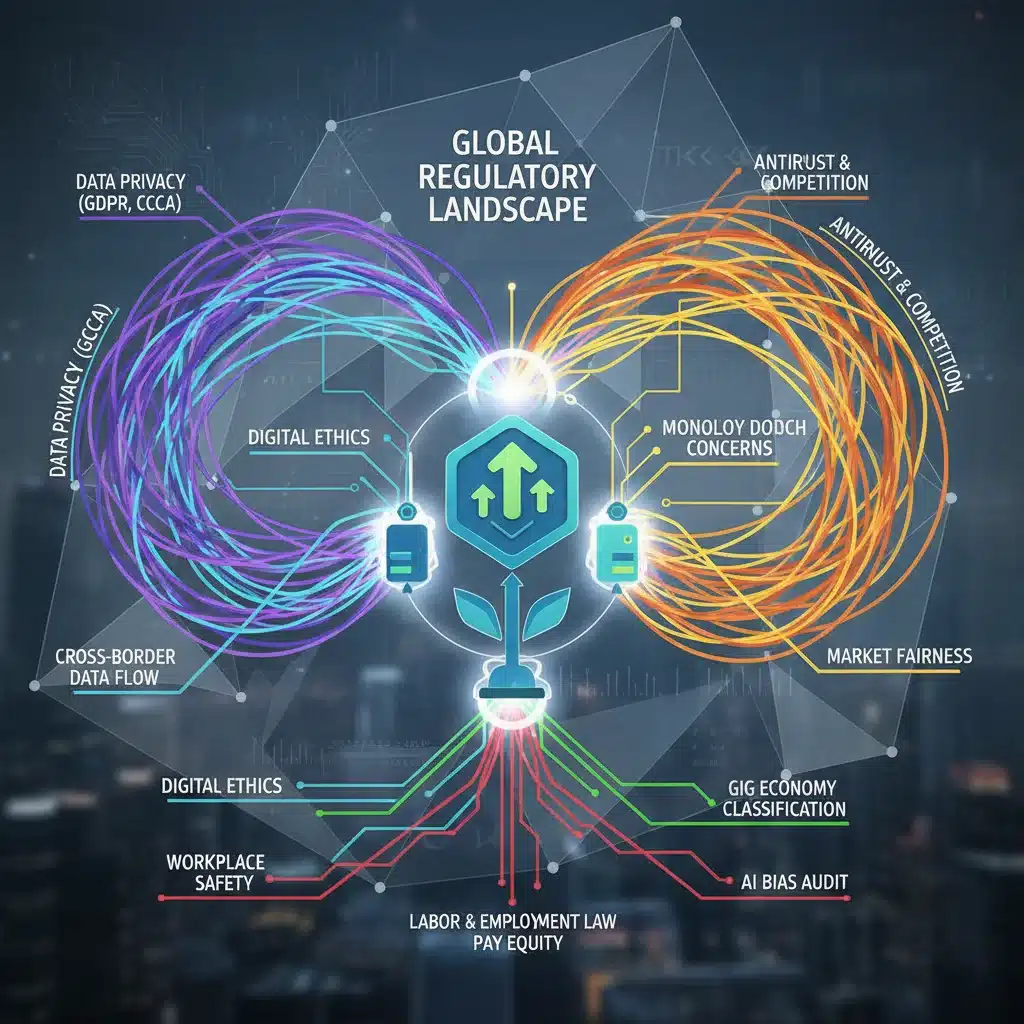
The entrepreneurial landscape in the United States is perpetually dynamic, a vibrant ecosystem where innovation thrives and disruption is the norm. However, this dynamism is not solely driven by technological advancements or market demands; it is also profoundly shaped by the ever-evolving regulatory environment. As we approach 2026, a series of anticipated regulatory shifts are poised to redefine the playing field for US startups, presenting both formidable challenges and unique opportunities for those prepared to adapt. Understanding these US Startup Regulations 2026 is not merely a matter of compliance; it is a critical component of any sustainable scaling strategy.
For many startups, the initial focus is often on product-market fit, fundraising, and rapid user acquisition. Regulatory compliance, while acknowledged, can sometimes take a back seat until a critical mass is reached. This approach, however, is becoming increasingly risky as regulatory bodies across various sectors become more proactive and stringent. The 2026 horizon suggests a tightening of regulations in several key areas, from data privacy and antitrust to labor laws and environmental standards. These changes will not only necessitate a re-evaluation of operational procedures but will also influence everything from product development cycles to investment attractiveness and market entry strategies.
The goal of this comprehensive guide is to dissect the anticipated US Startup Regulations 2026, providing a clear roadmap for founders, investors, and policymakers. We will delve into the specific areas likely to see the most significant changes, analyze their potential impact on startup scaling, and offer actionable strategies to navigate this complex terrain. By proactively addressing these regulatory shifts, startups can not only mitigate risks but also leverage compliance as a competitive advantage, fostering trust and building a more resilient foundation for future growth.
The Shifting Sands of Data Privacy and Cybersecurity
One of the most prominent and impactful areas of regulatory evolution concerns data privacy and cybersecurity. The digital age has brought with it unprecedented levels of data collection and processing, making data a critical asset for almost every startup. However, this also brings increased scrutiny from regulators and heightened expectations from consumers regarding data protection. The US Startup Regulations 2026 are expected to see significant advancements in this domain, moving towards a more harmonized and stringent approach, potentially mirroring aspects of international frameworks like GDPR.
Currently, the US operates under a patchwork of state-specific laws, such as the California Consumer Privacy Act (CCPA) and its successor, the California Privacy Rights Act (CPRA), along with sector-specific regulations like HIPAA for healthcare data and COPPA for children’s online privacy. While discussions around a comprehensive federal data privacy law have been ongoing for years, 2026 might be the year we see significant progress or even the enactment of such legislation. This would mean a unified set of rules governing how startups collect, store, process, and share user data across all states, simplifying some aspects of compliance while simultaneously raising the bar for others.
For startups, this translates into a need for robust data governance frameworks from day one. This includes implementing privacy-by-design principles in product development, conducting regular data protection impact assessments, ensuring transparent data collection practices, and providing users with clear and accessible mechanisms to exercise their data rights (e.g., right to access, delete, or opt-out). Non-compliance could lead to hefty fines, reputational damage, and a significant loss of user trust, all of which can be fatal for a nascent business trying to scale.
Beyond privacy, cybersecurity threats are escalating, and regulators are responding with increased demands for robust security measures. The US Startup Regulations 2026 are likely to mandate more stringent cybersecurity protocols, particularly for startups handling sensitive personal or financial information. This could involve requirements for regular security audits, penetration testing, employee training, and incident response plans. Investing in cybersecurity infrastructure and expertise will no longer be an optional expenditure but a fundamental cost of doing business, especially for those looking to attract enterprise clients or operate in highly regulated sectors.
The impact on scaling is multi-faceted. Startups will need to allocate more resources to legal and technical compliance teams. Product roadmaps will need to incorporate privacy and security features as core functionalities, not as afterthoughts. For startups operating across state lines or planning international expansion, a federal privacy law could simplify compliance by providing a single standard, but it will also require a significant upfront investment to meet those standards. Those that embrace these changes early can build a foundation of trust and reliability, which becomes a powerful differentiator in a competitive market.
Antitrust and Competition: Leveling the Playing Field
Another area ripe for significant regulatory intervention by 2026 is antitrust and competition. Concerns about market concentration, the dominance of tech giants, and anti-competitive practices have grown steadily over the past few years. While much of the current antitrust discourse focuses on established behemoths, the ripple effects of new antitrust legislation or stricter enforcement can profoundly impact scaling startups, particularly those operating in rapidly consolidating industries or aiming to disrupt established monopolies.
The US Startup Regulations 2026 might include updated guidelines or even new legislation designed to foster greater competition. This could manifest in several ways: stricter scrutiny of mergers and acquisitions, particularly those involving smaller, innovative companies being acquired by larger incumbents; new rules regarding data portability and interoperability to prevent lock-in effects; and potentially even regulations aimed at curbing platform dominance or self-preferencing behaviors. For startups, this could be a double-edged sword.
On one hand, enhanced antitrust enforcement could create a more level playing field, giving innovative startups a better chance to compete against entrenched players. If large companies are restricted from acquiring promising startups purely to eliminate competition, it could encourage more organic growth and innovation. New rules on data portability and interoperability could also empower startups by allowing them easier access to user data from larger platforms (with user consent), fostering more innovation and competition in services built on top of existing ecosystems.
On the other hand, increased antitrust scrutiny could also complicate exit strategies for some startups. Acquisition by a larger company is a common and often preferred exit for many founders and investors. If such acquisitions face higher hurdles or are outright blocked, startups might need to explore alternative scaling and exit paths, such as IPOs or sustained independent growth, which come with their own set of challenges and demands. Furthermore, even startups that become successful enough to attract antitrust attention could find themselves subject to intense scrutiny, impacting their operational freedom and growth trajectory.
Startups need to be aware of the competitive landscape they operate in and anticipate how potential antitrust changes could affect their growth path. This includes understanding their market share, their competitive advantages, and how their business practices might be perceived under new antitrust guidelines. Building a strong, unique value proposition and focusing on ethical growth can be key strategies to navigate this evolving regulatory environment.
Labor Laws and the Future of Work
The COVID-19 pandemic dramatically accelerated shifts in the nature of work, from the rise of remote work to the increasing prevalence of the gig economy. As a result, labor laws are struggling to keep pace, and 2026 is expected to bring significant updates to how startups manage their workforce, particularly regarding contractor classification, remote work policies, and employee benefits. These US Startup Regulations 2026 will have a direct impact on operational costs, talent acquisition, and overall organizational structure.
One of the most contentious issues is the classification of independent contractors versus employees. Many startups leverage contractors for flexibility and cost efficiency, especially in their early stages. However, regulations like California’s AB5 (and similar efforts in other states and at the federal level) aim to reclassify many gig workers as employees, entitling them to benefits such as minimum wage, overtime pay, and unemployment insurance. A federal push for stricter contractor classification could significantly increase labor costs for startups relying heavily on a contractor model, forcing them to re-evaluate their staffing strategies.
Beyond classification, remote work presents its own set of regulatory complexities. As startups embrace distributed teams, they face challenges related to state-specific labor laws, tax implications for employees working in different jurisdictions, and ensuring compliance with workplace safety and discrimination laws across various locations. The US Startup Regulations 2026 might include clearer guidelines or even new federal mandates regarding remote work, potentially simplifying some aspects but also introducing new compliance burdens.
For startups, this means a proactive review of their HR practices. This includes carefully assessing contractor relationships to ensure compliance with current and anticipated classification tests, developing comprehensive remote work policies that account for multi-state legal requirements, and investing in HR expertise to navigate these complexities. Failure to comply can lead to costly lawsuits, back pay, and penalties, which can be particularly damaging for scaling startups with limited resources.
On the flip side, startups that proactively offer competitive benefits, fair wages, and inclusive remote work environments might find themselves with a significant advantage in attracting and retaining top talent. Building a strong, compliant, and employee-centric culture can be a powerful asset, especially in a competitive hiring market. Adapting to these labor law shifts is not just about avoiding penalties; it’s about building a sustainable and attractive workplace that supports long-term growth.
Environmental, Social, and Governance (ESG) Considerations
While often associated with larger, publicly traded corporations, Environmental, Social, and Governance (ESG) factors are increasingly becoming relevant for startups, and 2026 could see more explicit regulatory expectations in this area. Investors, consumers, and employees are increasingly demanding that companies, regardless of size, demonstrate a commitment to sustainability, ethical practices, and social responsibility. The US Startup Regulations 2026 might not directly mandate extensive ESG reporting for all startups, but indirect pressures and sector-specific requirements are likely to grow.
For instance, startups in the cleantech or sustainable energy sectors might face specific environmental regulations and reporting requirements. Beyond direct regulation, the investment community is increasingly integrating ESG criteria into their due diligence processes. Startups seeking venture capital or other forms of funding may find themselves needing to articulate their ESG strategy and demonstrate their commitment to these principles. This is not just about avoiding negative impacts; it’s about identifying opportunities for positive impact and building a brand that resonates with modern values.
Social factors encompass a wide range of issues, including diversity, equity, and inclusion (DEI) in the workplace, fair labor practices (as discussed above), and community engagement. Governance refers to the internal controls, ethics, and leadership structures within a company. While startups typically have lean governance structures, the expectation for transparency, accountability, and ethical leadership is growing. This can include everything from board diversity to data ethics policies.
For scaling startups, integrating ESG principles early on can be a strategic advantage. It can enhance brand reputation, attract mission-aligned talent, appeal to a broader customer base, and unlock access to impact-focused investment capital. While the direct regulatory burden from US Startup Regulations 2026 might be lighter than for larger enterprises, ignoring ESG trends could lead to missed opportunities and a competitive disadvantage. Proactively developing an ESG framework, even a simple one, can position a startup for future success and resilience.
Funding and Financial Regulations
Access to capital is the lifeblood of any startup, and changes in financial regulations can have a profound impact on fundraising strategies. The US Startup Regulations 2026 are likely to continue the trend of increased scrutiny on financial markets, potentially affecting how startups raise capital, engage with investors, and manage their financial operations.
One area to watch is the regulatory environment around alternative funding mechanisms, such as crowdfunding and Security Token Offerings (STOs). While regulations like Regulation Crowdfunding and Regulation A have opened up new avenues for startups to raise capital from a broader base of investors, there’s always potential for further refinement or increased compliance requirements. Regulators aim to balance fostering innovation with protecting investors, and as these markets mature, stricter rules around disclosure, investor eligibility, and platform operations could emerge.
Another aspect is the broader economic and financial policy landscape. Interest rate changes, inflation controls, and broader market stability measures can indirectly affect venture capital availability and investor appetite. While not direct startup regulations, these macroeconomic factors are heavily influenced by federal policy and regulatory bodies like the Federal Reserve and the SEC. Startups need to stay attuned to these broader trends and understand how they might impact their ability to secure funding and manage their burn rate.
Furthermore, anti-money laundering (AML) and know-your-customer (KYC) regulations are continuously evolving, particularly for fintech startups or those dealing with digital assets. The US Startup Regulations 2026 will likely see even more stringent requirements in these areas, necessitating robust compliance systems to prevent illicit financial activities. For startups in these sectors, investing in compliance technology and expertise is non-negotiable.
To navigate these financial regulatory shifts, startups should maintain transparent financial records, ensure compliance with all securities laws when raising capital, and be prepared for increased due diligence from investors. Building strong relationships with legal and financial advisors who specialize in startup finance and regulatory compliance will be crucial. Understanding the nuances of these regulations can help startups structure their fundraising rounds more efficiently and avoid costly legal pitfalls.

Sector-Specific Regulations and Emerging Technologies
Beyond the broad categories discussed, many US Startup Regulations 2026 will manifest as sector-specific changes, particularly for startups operating in highly regulated industries or those leveraging cutting-edge, emerging technologies.
For instance, healthcare technology (HealthTech) startups face a complex web of regulations, including HIPAA, FDA approvals for medical devices or software as a medical device (SaMD), and state-specific licensing requirements. The push for interoperability in healthcare data, while beneficial for innovation, also brings new regulatory challenges around data sharing and security. Similarly, financial technology (FinTech) startups must contend with regulations from the SEC, FINRA, CFPB, and state banking authorities, with new rules constantly emerging for areas like cryptocurrency, blockchain, and AI-driven financial advice.
Emerging technologies themselves are attracting increasing regulatory attention. Artificial intelligence (AI) is a prime example. As AI becomes more sophisticated and integrated into various products and services, concerns around bias, transparency, accountability, and ethical use are growing. While a comprehensive federal AI regulation might not be fully in place by 2026, we can expect to see more specific guidelines, voluntary frameworks, and potentially sector-specific rules governing the development and deployment of AI systems. Startups building AI-powered solutions need to proactively consider these ethical and regulatory implications, ensuring their models are fair, transparent, and explainable.
Other emerging areas like quantum computing, biotechnology, and advanced manufacturing also have the potential to attract new regulatory scrutiny as their commercial applications grow. Startups in these fields must engage with regulatory bodies, participate in industry discussions, and anticipate future compliance requirements. Early engagement can help shape reasonable regulations and ensure that innovation is not stifled by overly burdensome rules.
The key for startups in these sectors is to embed regulatory compliance into their product development lifecycle from the very beginning. This includes conducting regulatory impact assessments, engaging with legal counsel specializing in their specific industry, and staying abreast of legislative developments. Proactive compliance can transform potential regulatory hurdles into strategic advantages, allowing these startups to build trustworthy and market-ready solutions.
Strategies for Navigating the 2026 Regulatory Landscape
Given the anticipated shifts in US Startup Regulations 2026, what actionable steps can startups take to not only survive but thrive? Here are key strategies:
- Proactive Compliance Integration: Don’t wait for regulations to hit. Integrate compliance considerations into every stage of your business, from product design to marketing and HR. This ‘privacy-by-design’ or ‘security-by-design’ approach saves significant resources in the long run compared to retrofitting compliance.
- Invest in Legal and Compliance Expertise: For many startups, this might mean hiring in-house legal counsel or engaging specialized external firms. Having experts who understand both startup dynamics and regulatory intricacies is invaluable.
- Stay Informed and Engaged: Regulatory landscapes are constantly changing. Subscribe to legal updates, participate in industry associations, and engage with policymakers where appropriate. Understanding proposed changes early allows for better preparation and even the opportunity to influence policy.
- Build a Culture of Compliance: Compliance isn’t just a legal department’s job; it’s everyone’s responsibility. Foster a culture where ethical conduct, data privacy, and regulatory adherence are core values. Regular employee training on relevant regulations is essential.
- Leverage Technology: Technology can be both the source of regulatory challenges and a solution. Utilize compliance software, AI-powered tools for data governance, and robust cybersecurity solutions to streamline compliance efforts and reduce human error.
- Strategic Partnerships: Collaborate with partners who have strong compliance records. This can reduce your own compliance burden and provide access to expertise. For instance, choosing cloud providers with strong security certifications or payment processors with robust AML/KYC protocols.
- Scenario Planning and Risk Assessment: Conduct regular risk assessments to identify potential regulatory vulnerabilities. Develop scenario plans for how different regulatory outcomes might impact your business model and growth strategy.
- Transparency and Trust Building: In an era of increased scrutiny, transparency with customers, employees, and investors about your data practices, ethical guidelines, and governance structures can build trust and differentiate your brand.
Conclusion: Building Resilient Startups for 2026 and Beyond
The anticipated US Startup Regulations 2026 represent a significant inflection point for the entrepreneurial ecosystem. The shifts in data privacy, antitrust, labor laws, ESG expectations, financial regulations, and sector-specific rules will undoubtedly present new hurdles for scaling startups. However, viewing these changes solely as obstacles would be a misstep.
Instead, forward-thinking startups will recognize these regulatory shifts as an opportunity to build more resilient, ethical, and trustworthy businesses. Proactive compliance, strategic investment in legal and technical infrastructure, and a commitment to responsible growth can transform potential threats into competitive advantages. Startups that embrace these changes, rather than resisting them, will be better positioned to attract top talent, secure funding, gain consumer trust, and ultimately achieve sustainable, long-term success in an increasingly regulated world.
The journey to scale a startup is never easy, and the evolving regulatory landscape adds another layer of complexity. However, with careful planning, expert guidance, and a proactive approach, the innovative spirit of US startups will continue to thrive, navigating the challenges of 2026 and paving the way for a future where responsible innovation is the cornerstone of growth.