Community Building Marketing: Boost Loyalty & Engagement in 2026

In an increasingly digital and interconnected world, the landscape of marketing is continuously evolving. Traditional advertising methods, while still holding value, are being complemented and, in many cases, superseded by more nuanced, relationship-driven strategies. Among these,
This comprehensive guide delves into the essence of
The Evolution of Customer Relationships: Beyond Transactions
For decades, marketing was largely a one-way street: brands broadcasted messages, and consumers received them. The focus was on transactions, sales, and market share. However, the rise of the internet and social media fundamentally altered this dynamic. Consumers gained a voice, platforms to share their experiences, and the ability to connect with like-minded individuals. This shift paved the way for a new understanding of customer relationships – one built on shared values, mutual support, and collective identity.
Community Building Marketing recognizes that customers are not just end-users; they are potential advocates, collaborators, and co-creators. By providing a space for these individuals to connect with each other and with the brand, companies can move beyond transactional interactions to foster genuine, long-term relationships. This approach is particularly resonant in the US market, where consumers increasingly value authenticity, transparency, and a sense of belonging.
Why Community Matters More Than Ever for US Brands
- Increased Brand Loyalty: When customers feel part of a community, their loyalty deepens. They are less likely to switch to competitors and more likely to forgive occasional missteps.
- Enhanced Customer Engagement: Communities provide ongoing opportunities for interaction, feedback, and participation, leading to significantly higher engagement rates.
- Authentic Word-of-Mouth Marketing: Satisfied community members become powerful brand advocates, sharing their positive experiences organically and influencing others.
- Valuable Insights and Feedback: A thriving community is a direct channel for real-time feedback, helping brands understand customer needs, preferences, and pain points.
- Reduced Support Costs: Community members often help each other, answering questions and providing solutions, thereby reducing the burden on formal customer support channels.
- Innovation and Co-Creation: Brands can tap into the collective intelligence of their community for product development, content creation, and new service ideas.
Defining Community Building Marketing: More Than Just Social Media
A true brand community possesses several key characteristics:
- Shared Identity: Members feel a sense of belonging to the group and often identify with the brand’s values or mission.
- Sense of Belonging: The community provides a safe and welcoming space where members feel understood and appreciated.
- Mutual Support: Members interact with and help each other, sharing knowledge, experiences, and encouragement.
- Brand Connection: The community serves as a bridge between the brand and its customers, fostering direct and meaningful dialogue.
- Purpose-Driven: There’s a clear reason for the community’s existence, whether it’s to share expertise, solve problems, or celebrate a passion.
Strategic Pillars for Effective Community Building Marketing
Building a successful brand community requires a strategic, long-term approach. Here are the core pillars that US brands should focus on:
1. Define Your Community’s Purpose and Values
Before you even think about platforms, clarify *why* you are building a community. What common interest will bring people together? What values will define interactions within this space? For example, a fitness brand might build a community around achieving health goals, while a tech company might focus on sharing technical expertise and troubleshooting. A clear purpose attracts the right members and sets the tone for engagement.
2. Choose the Right Platforms and Tools
The choice of platform is crucial. It needs to align with your community’s purpose and your target audience’s preferences. Options include:
- Dedicated Forums/Platforms: Tools like Discourse, Mighty Networks, or even custom-built platforms offer greater control and a more focused environment.
- Social Media Groups: Facebook Groups, LinkedIn Groups, and Reddit subreddits can be excellent starting points, leveraging existing user bases.
- Messaging Apps: Slack, Discord, or Telegram groups can facilitate real-time conversations and a more intimate feel, especially for smaller, highly engaged communities.
- Content Hubs: Blogs with robust comment sections, Q&A sections, or user-generated content galleries can also foster community around shared content.
Consider where your target audience already spends their time online and what kind of interactions you want to facilitate. The best platform is one that encourages active participation and makes it easy for members to connect.
3. Cultivate Engaging Content and Activities
Content is the lifeblood of any community. It provides reasons for members to visit, interact, and stay. This isn’t just about brand-produced content; it’s about facilitating user-generated content (UGC) and discussions. Strategies include:
- Regular Discussions & Prompts: Pose questions, start threads, and encourage members to share their experiences.
- Exclusive Content: Offer early access to products, behind-the-scenes glimpses, or members-only webinars.
- User-Generated Content Challenges: Encourage members to share photos, videos, or stories related to your brand.
- Q&A Sessions with Experts: Host live Q&A with brand representatives, product developers, or industry experts.
- Virtual Events: Webinars, workshops, and online meetups can bring members together in real-time.
4. Empower Community Managers and Moderators
A successful community doesn’t run itself. Dedicated community managers and moderators are essential for:
- Facilitating Conversations: Starting discussions, asking follow-up questions, and connecting members.
- Maintaining Etiquette: Ensuring a positive and respectful environment, addressing conflicts, and enforcing guidelines.
- Providing Support: Answering questions, directing members to resources, and escalating issues to appropriate teams.
- Gathering Feedback: Systematically collecting insights and sharing them with internal teams.
These individuals are the heart of your community, acting as brand ambassadors and member advocates. Their role is critical in fostering a welcoming and productive environment.
5. Recognize and Reward Contributions
Acknowledging and celebrating active members is vital for sustained engagement. This can take many forms:
- Public Recognition: Featuring top contributors, highlighting insightful posts, or creating member spotlights.
- Exclusive Perks: Offering discounts, early access to products, or special badges/titles within the community.
- Gamification: Implementing points, leaderboards, or challenges to encourage participation.
- Direct Engagement: Responding personally to comments, thanking members for their contributions, and making them feel heard.
When members feel valued, they are more likely to continue contributing and advocating for your brand.
Case Studies: US Brands Excelling in Community Building Marketing
Several US brands have masterfully integrated
Sephora’s Beauty Insider Community
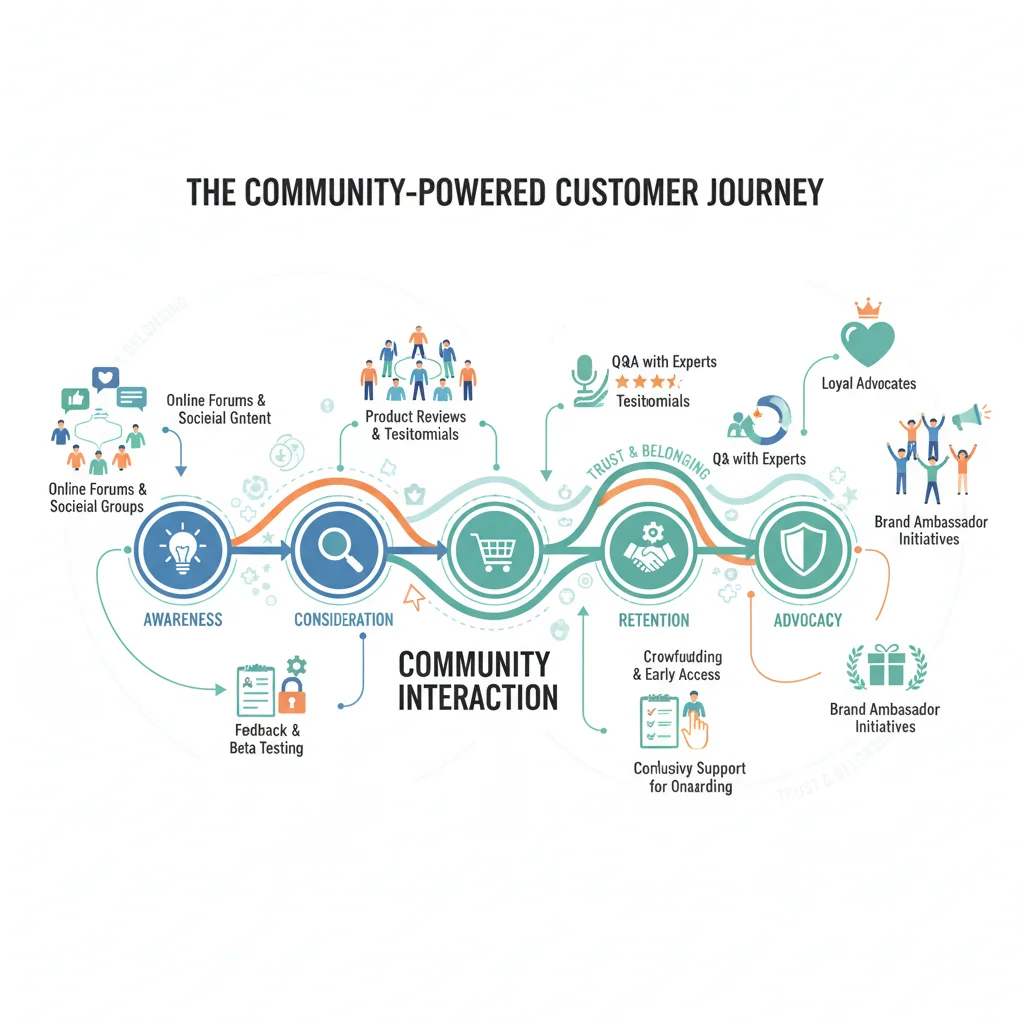
Sephora has built a thriving online community where beauty enthusiasts can connect, ask questions, share product reviews, and get advice. The platform includes forums, groups, and a robust Q&A section. This community not only drives engagement but also provides Sephora with invaluable insights into consumer preferences and trends, directly influencing their product offerings and marketing campaigns. Members feel a strong sense of belonging and trust the advice shared within the community, leading to higher purchase intent and loyalty.
Lego Ideas
Lego has long understood the power of community. Lego Ideas takes this to the next level by allowing fans to submit their own product designs. If a design garners enough support from the community, Lego considers producing it as an official set. This is the ultimate form of co-creation, empowering fans to become part of the product development process. It fosters immense loyalty, generates authentic buzz, and provides Lego with a constant stream of innovative ideas directly from its most passionate customers.
Harley-Davidson’s H.O.G. (Harley Owners Group)
Perhaps one of the oldest and most successful examples of
Measuring Success: KPIs for Community Building Marketing
To ensure your
Quantitative Metrics:
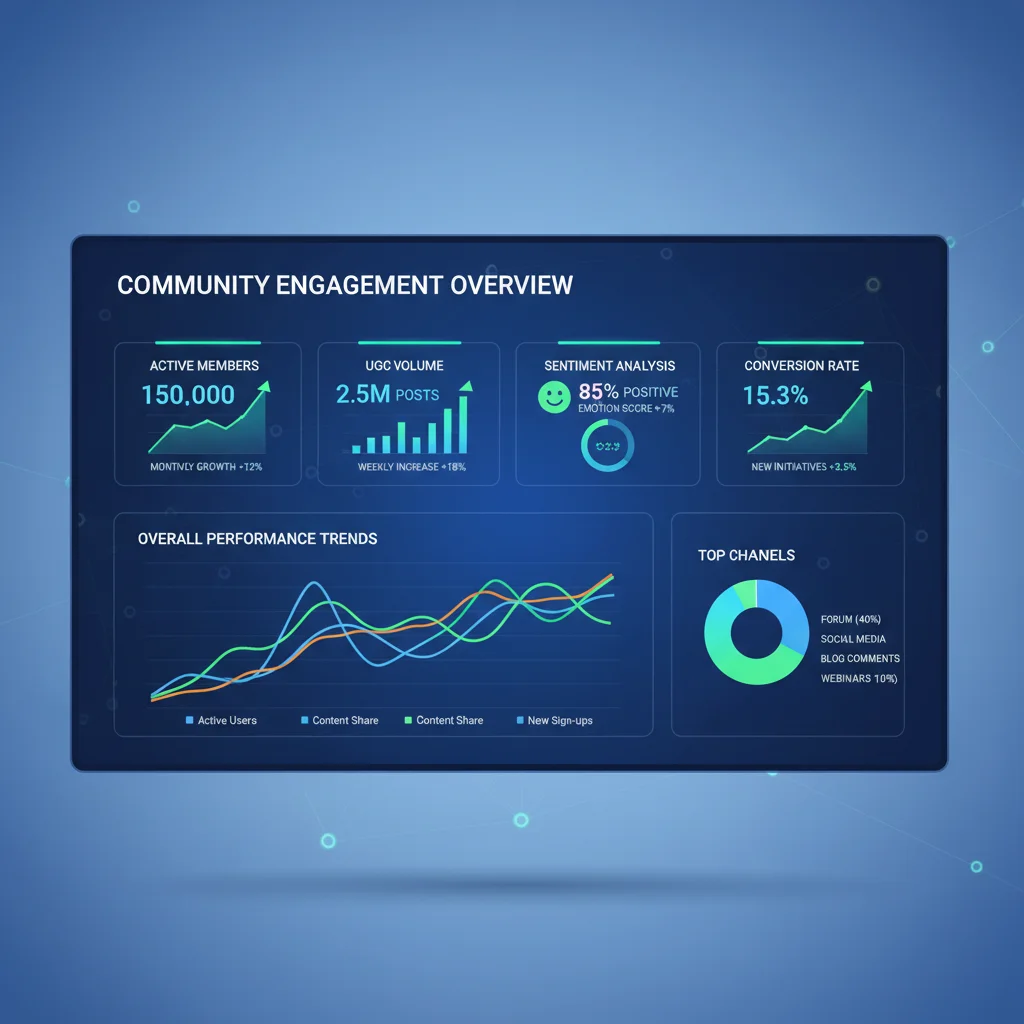
- Active Members: The number of unique users who log in or interact within a given period (daily, weekly, monthly).
- Engagement Rate: The percentage of active members who contribute content, comment, or react to posts.
- User-Generated Content (UGC) Volume: The amount of new content (posts, comments, reviews, photos) created by members.
- Retention Rate: The percentage of members who remain active over time.
- Referral Traffic: Traffic driven to your website or product pages from the community.
- Customer Support Deflection: The number of support queries resolved within the community rather than through formal channels.
- Conversion Rates: For communities with e-commerce integration, tracking purchases originating from community activity.
Qualitative Metrics:
- Sentiment Analysis: Monitoring the overall tone and emotion of conversations within the community.
- Member Satisfaction: Conducting surveys or polls to gauge how happy members are with the community experience.
- Quality of Interactions: Assessing the depth and helpfulness of discussions, not just the quantity.
- Brand Perception: How the community influences members’ perceptions of the brand.
- Advocacy: Identifying members who actively promote the brand outside the community.
By regularly analyzing these metrics, US brands can refine their
Challenges and Considerations in Community Building Marketing
While immensely rewarding, community building is not without its challenges. Brands must be prepared to address:
- Moderation and Conflict Resolution: As communities grow, so does the potential for disagreements or inappropriate content. Robust moderation policies and responsive community managers are essential.
- Maintaining Engagement: The initial excitement can wane. Brands need to continuously innovate content, activities, and rewards to keep members invested.
- Resource Allocation: Building and maintaining a community requires dedicated time, effort, and often financial investment in platforms and personnel.
- Measuring ROI: While qualitative benefits are clear, quantifying the direct return on investment can sometimes be complex, requiring careful tracking of the KPIs mentioned above.
- Scalability: What works for a small, niche community might not scale effectively to a much larger one. Brands need to plan for growth and adapt their strategies accordingly.
The Future of Community Building Marketing: Trends for 2026 and Beyond
As we look towards 2026, several trends will further shape the landscape of
1. Hyper-Personalization and Micro-Communities
Instead of a single large community, brands will increasingly create smaller, more niche micro-communities tailored to specific interests, product lines, or demographic segments. This allows for deeper, more relevant interactions and a stronger sense of belonging. AI and data analytics will play a crucial role in identifying these segments and personalizing community experiences.
2. Integration with AI and Automation
AI will assist community managers with tasks like content moderation, identifying influential members, recommending relevant discussions, and even generating personalized responses. Automation can handle routine queries, freeing up human moderators to focus on more complex interactions and relationship building.
3. Web3 and Decentralized Communities
The rise of Web3 technologies, including blockchain and NFTs, offers new possibilities for community ownership and governance. Brands might explore decentralized autonomous organizations (DAOs) where community members have a direct say in decisions, or use NFTs to grant exclusive access and perks, further deepening loyalty and investment.
4. Experiential Communities (Online & Offline)
The line between online and offline communities will continue to blur. Brands will leverage their digital communities to organize exclusive in-person events, workshops, or meetups, creating memorable experiences that reinforce the online connections. Conversely, offline events can serve as catalysts for growing online engagement.
5. Focus on Impact and Purpose-Driven Communities
Consumers, particularly in the US, are increasingly drawn to brands with a clear social or environmental purpose. Communities built around shared values and a commitment to making a positive impact will resonate deeply, fostering not just brand loyalty but also a sense of collective achievement.
Implementing Your Community Building Marketing Strategy: A Step-by-Step Guide
Ready to leverage
Step 1: Research Your Audience and Their Needs
Understand who your ideal community member is. What are their interests, pain points, and motivations? What kind of value can a community offer them? Conduct surveys, interviews, and analyze existing customer data.
Step 2: Define Your Community’s Vision and Goals
What do you want your community to achieve? Is it increased customer retention, better product feedback, or enhanced brand advocacy? Set clear, measurable goals that align with your overall business objectives.
Step 3: Select the Right Platform(s)
Based on your audience and goals, choose the platform(s) that will best facilitate the desired interactions. Start small if necessary, and scale as your community grows.
Step 4: Develop Community Guidelines and Structure
Establish clear rules of engagement to ensure a positive and respectful environment. Define roles for community managers and outline escalation procedures for issues.
Step 5: Seed the Community with Initial Content and Members
Don’t launch to an empty room. Invite enthusiastic customers, employees, or brand ambassadors to be initial members. Prepare engaging content and discussion prompts to kickstart interactions.
Step 6: Actively Nurture and Manage
This is an ongoing process. Regularly engage with members, facilitate discussions, provide value, and address feedback. Your community managers are key here.
Step 7: Monitor, Analyze, and Iterate
Continuously track your KPIs, gather feedback from members, and be prepared to adapt your strategy. What works today might need adjustments tomorrow.
Conclusion: The Indispensable Role of Community Building Marketing
The future of brand success, particularly for US brands, is inextricably linked to their ability to foster genuine connections with their customers.
The projected 18% higher engagement rate by 2026 for brands prioritizing community is a compelling indicator of its power. As consumers continue to seek authenticity and connection, those brands that successfully build and nurture vibrant communities will not only thrive but will also build a sustainable competitive advantage in an ever-crowded marketplace. Embrace