Remote Work Security 2026: Essential Best Practices for US Businesses

Remote Work Security in 2026: Updated Best Practices for US Businesses to Protect Data
The paradigm shift towards remote and hybrid work models has irrevocably altered the operational landscape for businesses across the United States. While offering unparalleled flexibility and access to a wider talent pool, this evolution also ushers in a complex array of cybersecurity challenges. As we navigate through 2026, the threats are more sophisticated, the regulatory environment more stringent, and the need for robust Remote Work Security 2026 strategies more critical than ever.
This comprehensive guide delves into the updated best practices that US businesses must adopt to fortify their defenses, protect sensitive data, and ensure business continuity in an increasingly distributed work environment. From cutting-edge technological implementations to fostering a security-conscious culture, we will explore the multifaceted approach required to thrive securely in the age of remote work.
The Evolving Threat Landscape for Remote Work Security 2026
The cybersecurity threats targeting remote workforces are dynamic and ever-evolving. In 2026, businesses face an advanced adversary landscape characterized by:
- Sophisticated Phishing and Social Engineering: Attackers are employing highly personalized and context-aware phishing campaigns, often leveraging AI to craft convincing messages that exploit human vulnerabilities.
- Ransomware 2.0: Beyond data encryption, modern ransomware attacks now involve data exfiltration and double extortion, where stolen data is threatened to be released if the ransom isn’t paid. This escalates the stakes significantly.
- Supply Chain Attacks: Compromising a single vendor or supplier can provide access to numerous client networks, making supply chain security a critical concern for Remote Work Security 2026.
- Endpoint Vulnerabilities: Personal devices, unsecured home networks, and outdated software on employee-owned devices create numerous entry points for attackers.
- Insider Threats: Whether malicious or accidental, insider actions remain a significant risk, particularly with sensitive data being accessed outside traditional office perimeters.
- AI-Powered Attacks: The increasing accessibility of AI tools allows attackers to automate and scale their attacks, from generating malicious code to identifying system vulnerabilities.
Understanding these threats is the first step towards building an impregnable defense for your remote operations.
Pillars of Robust Remote Work Security 2026
Effective Remote Work Security 2026 relies on a multi-layered approach, addressing technology, people, and processes. Here are the core pillars:
1. Zero Trust Architecture (ZTA): The Foundation of Modern Security
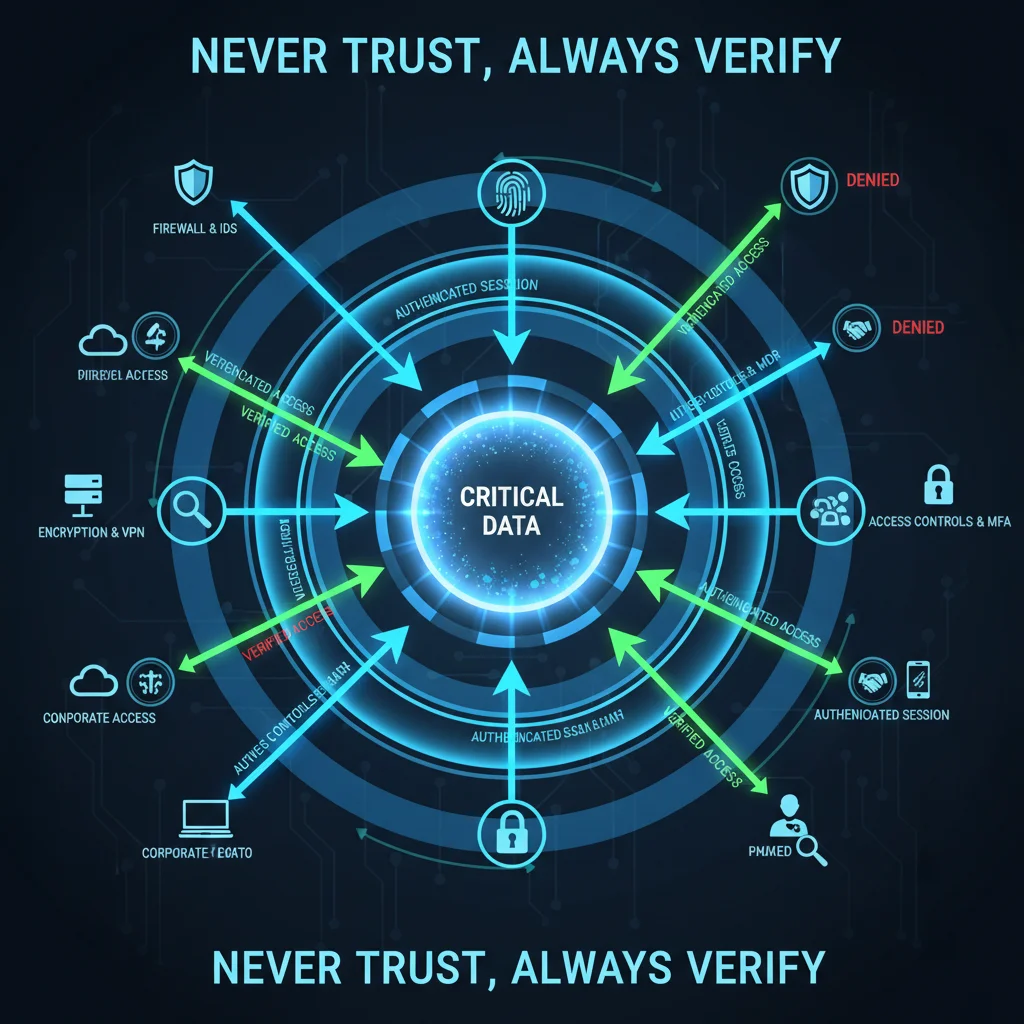
The traditional perimeter-based security model is obsolete in a remote work environment. Zero Trust Architecture (ZTA) is no longer a luxury but a necessity. ZTA operates on the principle of “never trust, always verify,” meaning no user or device, whether inside or outside the network, is automatically granted access to resources.
- Continuous Verification: Every access request is authenticated, authorized, and continuously validated based on context, user identity, device posture, and data sensitivity.
- Least Privilege Access: Users are granted only the minimum necessary access to perform their tasks, reducing the potential impact of a compromised account.
- Micro-segmentation: Network segments are broken down into smaller, isolated zones, limiting lateral movement for attackers if a breach occurs within one segment.
- Device Posture Assessment: Before granting access, devices are checked for security compliance, including up-to-date patches, antivirus software, and adherence to security policies.
Implementing ZTA requires a significant shift in mindset and infrastructure, but its benefits in enhancing Remote Work Security 2026 are paramount.
2. Endpoint Security and Management (ESM)
Remote endpoints – laptops, smartphones, tablets – are the new perimeter. Comprehensive Endpoint Security and Management (ESM) is crucial.
- Advanced Endpoint Detection and Response (EDR)/Extended Detection and Response (XDR): These solutions go beyond traditional antivirus, offering real-time monitoring, threat detection, investigation, and automated response capabilities across endpoints, networks, and cloud environments.
- Unified Endpoint Management (UEM): UEM platforms allow organizations to manage and secure all endpoints from a single console, enforcing policies, distributing software, and monitoring device health.
- Patch Management Automation: Regular and automated patching of operating systems, applications, and firmware is vital to close known vulnerabilities that attackers frequently exploit.
- Data Loss Prevention (DLP): DLP solutions prevent sensitive data from leaving the organizational control, whether accidentally or maliciously, by monitoring, detecting, and blocking unauthorized data transfers.
- Full Disk Encryption: Ensuring all remote devices have full disk encryption protects data at rest in case of device loss or theft.
3. Robust Identity and Access Management (IAM)
Strong IAM is the bedrock of secure remote access. Without it, even the most sophisticated firewalls can be bypassed.
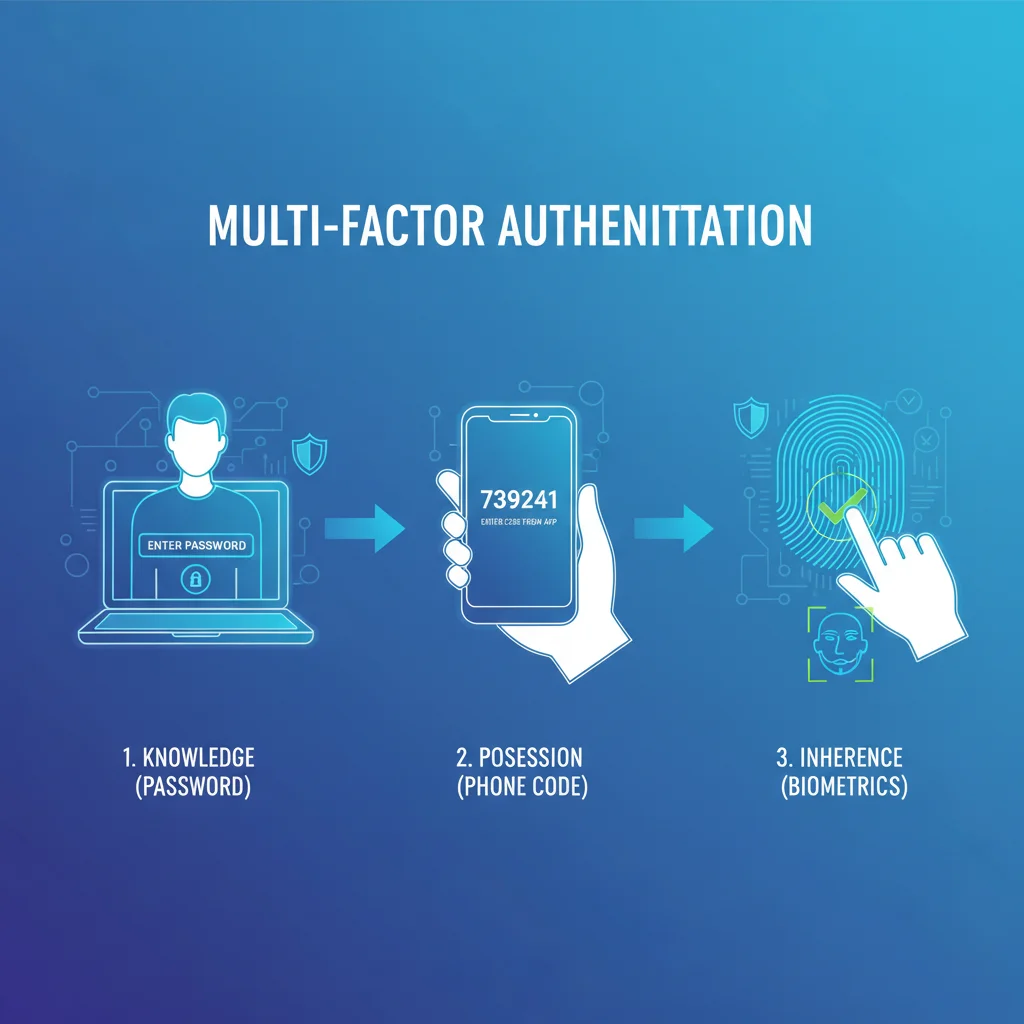
- Multi-Factor Authentication (MFA) Everywhere: MFA must be enforced for all access to corporate systems, applications, and VPNs. Beyond passwords, MFA adds layers of security like biometric scans, hardware tokens, or one-time passcodes. Adaptive MFA, which adjusts authentication requirements based on risk factors (e.g., location, device, time of day), is increasingly important.
- Single Sign-On (SSO): SSO simplifies user experience and enhances security by centralizing authentication for multiple applications, reducing “password fatigue” and the likelihood of weak or reused passwords.
- Privileged Access Management (PAM): PAM solutions manage and monitor privileged accounts (e.g., administrators, IT support) that have elevated access to critical systems, preventing abuse and limiting the blast radius of a compromised privileged account.
- Regular Access Reviews: Periodically review user access rights to ensure they align with current roles and responsibilities, revoking unnecessary permissions.
4. Secure Network Connectivity
Remote employees often connect from diverse and potentially unsecured networks. Securing these connections is paramount for Remote Work Security 2026.
- VPN Alternatives (SD-WAN, SASE): While VPNs offer encrypted tunnels, they can create performance bottlenecks and security challenges at scale. Secure Access Service Edge (SASE) and Software-Defined Wide Area Network (SD-WAN) offer more flexible, scalable, and secure alternatives by converging network and security functions into a single cloud-native service.
- DNS Filtering and Web Content Filtering: These services block access to malicious websites and prevent employees from accidentally visiting phishing sites or downloading malware.
- Corporate-Issued Devices: Whenever possible, provide corporate-issued devices configured with security policies and managed by the IT department. If a Bring Your Own Device (BYOD) policy is in place, rigorous security policies and mobile device management (MDM) solutions are essential.
- Home Network Security Guidance: Educate employees on securing their home Wi-Fi networks (strong passwords, WPA3 encryption, disabling WPS, regularly updating router firmware).
5. Cloud Security Best Practices
With remote work often relying heavily on cloud-based applications and infrastructure, cloud security is integral to Remote Work Security 2026.
- Cloud Security Posture Management (CSPM): CSPM tools continuously monitor cloud environments for misconfigurations, compliance violations, and security risks.
- Cloud Access Security Brokers (CASB): CASBs enforce security policies for cloud-based resources, providing visibility into cloud application usage, data protection, and threat prevention.
- Secure Cloud Configurations: Adhere to security best practices for all cloud services, including proper access controls, encryption of data at rest and in transit, and regular security audits.
- Data Encryption in Cloud: Ensure all sensitive data stored in cloud services is encrypted, both at rest and in transit.
6. Employee Training and Awareness: The Human Firewall
Technology alone is insufficient. Employees are often the first and last line of defense. A well-trained workforce is crucial for effective Remote Work Security 2026.
- Regular Security Awareness Training: Conduct frequent and engaging training sessions on topics like phishing detection, password hygiene, safe browsing habits, and reporting suspicious activities. These should be refreshed regularly to address new threats.
- Simulated Phishing Attacks: Periodically run simulated phishing campaigns to test employee vigilance and identify areas for further training.
- Policy Communication: Clearly communicate and regularly update security policies, including those for data handling, device usage, and incident reporting.
- Incident Reporting Procedures: Ensure employees know how to identify and report security incidents promptly without fear of reprisal.
7. Data Governance and Compliance
Compliance with data protection regulations is non-negotiable for US businesses, especially with remote operations.
- Data Classification: Classify data based on its sensitivity (e.g., public, internal, confidential, highly restricted) to apply appropriate security controls and access restrictions.
- Regulatory Compliance: Understand and adhere to relevant regulations such as HIPAA, GDPR (if operating internationally), CCPA, and industry-specific mandates. This includes maintaining auditable logs of access and data handling.
- Data Backup and Recovery: Implement robust, encrypted data backup and disaster recovery plans to ensure business continuity and data availability in the event of a cyberattack or system failure.
- Incident Response Plan: Develop and regularly test a comprehensive incident response plan specifically tailored for remote work scenarios, outlining steps for detection, containment, eradication, recovery, and post-incident analysis.
Advanced Strategies for Enhanced Remote Work Security 2026
Beyond the fundamental pillars, forward-thinking organizations should consider these advanced strategies to bolster their Remote Work Security 2026 posture:
Security Information and Event Management (SIEM) and Security Orchestration, Automation, and Response (SOAR)
These tools are critical for large organizations struggling with alert fatigue and slow response times.
- SIEM: Aggregates and analyzes security logs from various sources (endpoints, networks, applications, cloud services) to detect threats and compliance issues.
- SOAR: Automates security operations tasks, orchestrating responses to detected threats, reducing manual effort, and speeding up incident resolution.
Threat Intelligence Integration
Leveraging up-to-date threat intelligence feeds helps organizations anticipate and defend against emerging threats.
- Proactive Defense: Integrate threat intelligence into security systems to automatically block known malicious IPs, domains, and file hashes.
- Risk Assessment: Use threat intelligence to inform risk assessments and prioritize security investments.
Secure Software Development Lifecycle (SSDLC)
For businesses developing their own applications, integrating security throughout the software development lifecycle is paramount.
- Security by Design: Build security into applications from the ground up, rather than bolting it on as an afterthought.
- Regular Code Audits and Penetration Testing: Identify and remediate vulnerabilities before they can be exploited.
Vendor Security Assessment
As supply chain attacks become more prevalent, thoroughly vetting third-party vendors and their security practices is essential.
- Due Diligence: Conduct comprehensive security assessments of all third-party vendors, especially those with access to sensitive data or critical systems.
- Contractual Obligations: Include clear security requirements and audit rights in vendor contracts.
Cyber Insurance Review
While not a preventative measure, cyber insurance is a crucial component of a holistic risk management strategy. Regularly review and update your cyber insurance policy to ensure adequate coverage for evolving threats and remote work risks.
The Role of Leadership in Remote Work Security 2026
Ultimately, effective Remote Work Security 2026 is not just an IT responsibility; it’s a strategic business imperative that requires strong leadership buy-in and support.
- Budget Allocation: Allocate sufficient resources for cybersecurity tools, training, and personnel.
- Culture of Security: Foster a company culture where security is everyone’s responsibility, championed from the top down.
- Regular Risk Assessments: Conduct periodic, comprehensive risk assessments to identify vulnerabilities and adjust security strategies accordingly.
- Open Communication: Maintain open lines of communication between IT, HR, and leadership to address security concerns and policy updates effectively.
Challenges and Considerations for Remote Work Security 2026
While the benefits of remote work are undeniable, several challenges persist in securing this model:
- Balancing Security and Usability: Overly restrictive security measures can hinder productivity and lead to employee workarounds, creating new vulnerabilities. The goal is to find a balance that enables secure and efficient work.
- Complexity of Hybrid Environments: Managing security for a workforce that shifts between office and remote locations adds layers of complexity, requiring adaptive security solutions.
- Rapid Technological Changes: The pace of technological innovation means security solutions must constantly evolve to keep up with new threats and attack vectors.
- Talent Shortage: The cybersecurity talent gap continues to be a significant challenge, making it difficult for many businesses to staff their security teams adequately. Leveraging managed security service providers (MSSPs) can be a viable solution.
- Employee Privacy Concerns: Implementing monitoring tools and strict security policies must be balanced with respecting employee privacy, requiring clear communication and adherence to legal guidelines.
Conclusion: A Proactive Stance for Remote Work Security 2026
The future of work is undeniably hybrid and remote, and with it comes the enduring challenge of maintaining robust cybersecurity. For US businesses, adopting a proactive and adaptive approach to Remote Work Security 2026 is not merely about compliance or risk mitigation; it’s about safeguarding their intellectual property, maintaining customer trust, and ensuring long-term operational resilience.
By implementing a Zero Trust architecture, strengthening endpoint security, prioritizing robust identity and access management, securing network connectivity, embracing cloud security best practices, and continuously investing in employee training, organizations can build a formidable defense against the evolving threat landscape. The journey to ironclad remote work security is ongoing, requiring continuous vigilance, adaptation, and a commitment from every level of the organization. The businesses that prioritize these updated best practices will be the ones that not only survive but thrive in the secure remote future.