
Scaling Smart: 7 Automation Tools US Startups Must Adopt by Q2 2026 for Efficiency
In the fiercely competitive landscape of the United States, startups are constantly seeking innovative ways to gain an edge. The mantra for survival and success is no longer just about disruption; it’s about efficiency, scalability, and strategic resource allocation. As we approach Q2 2026, the imperative for US startups to embrace advanced startup automation tools has never been more critical. Automation isn’t just a buzzword; it’s the bedrock upon which agile, high-growth companies are built. By intelligently deploying automation, startups can streamline repetitive tasks, reduce operational costs, minimize human error, and free up their valuable human capital to focus on strategic initiatives and innovation.
The pace of technological evolution demands that businesses, especially nascent ones, stay ahead of the curve. Those that fail to adopt efficient automation strategies risk being outmaneuvered by competitors who leverage these tools to scale smarter, faster, and more economically. This article delves into seven indispensable startup automation tools that US startups must integrate into their operations by Q2 2026 to ensure sustained growth, enhanced productivity, and a robust competitive advantage.
The Imperative for Automation in US Startups
The journey of a startup is often characterized by limited resources, tight budgets, and an immense pressure to grow rapidly. In this environment, every dollar and every hour counts. Manual processes, while seemingly manageable in the early stages, quickly become bottlenecks as a company scales. They consume valuable time, introduce inconsistencies, and divert focus from core business activities. This is where startup automation tools become game-changers.
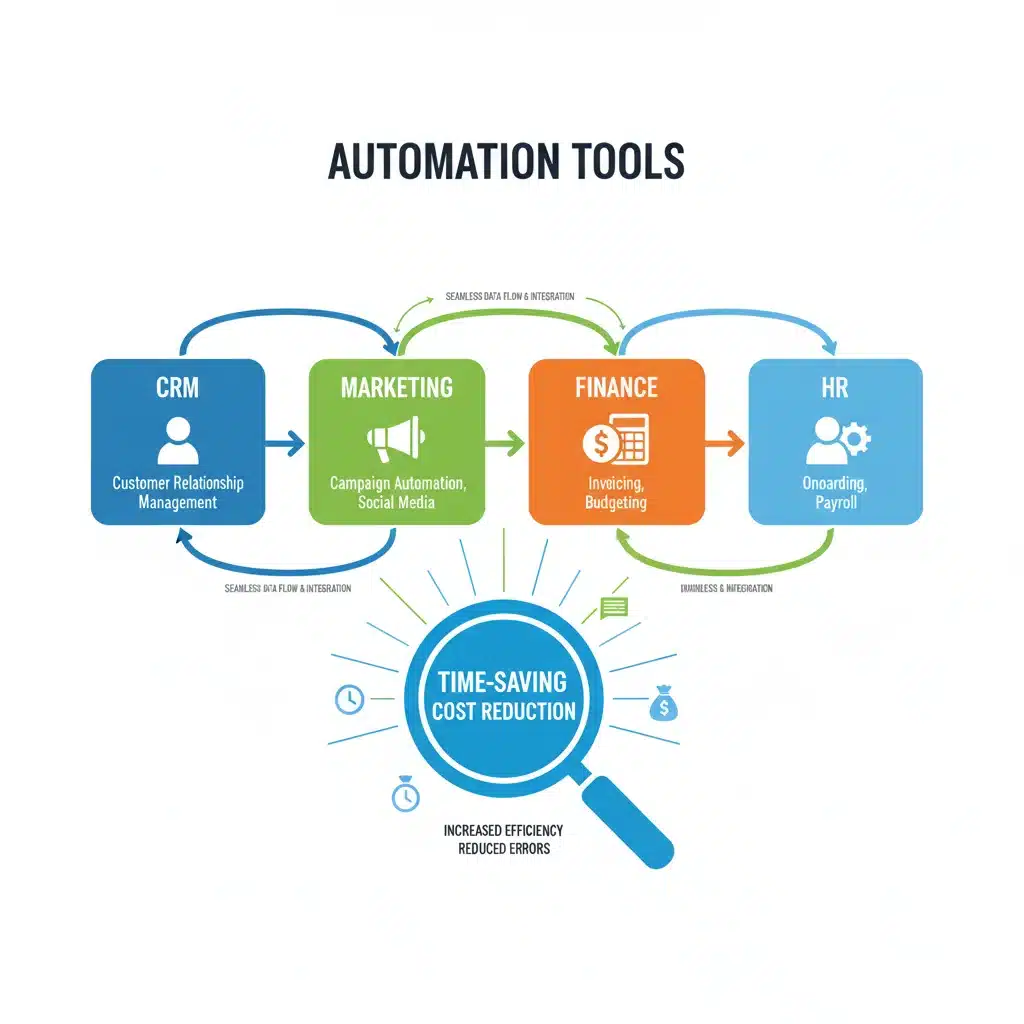
Automation allows startups to do more with less. It enables them to handle increased workloads without proportionally increasing headcount, thereby managing burn rates more effectively. From customer relationship management (CRM) to marketing, finance, human resources, and even product development, automation offers solutions that can transform virtually every facet of a business. For US startups aiming for significant market penetration and long-term viability, integrating these tools is not merely an option; it’s a strategic necessity.
Consider the impact of automating customer support. Instead of hiring a large team to answer frequently asked questions, a startup can deploy AI-powered chatbots that provide instant responses, resolve common issues, and escalate complex queries to human agents only when necessary. This not only improves customer satisfaction through quicker resolutions but also dramatically reduces operational costs. Similarly, automating marketing campaigns ensures consistent brand messaging, personalized customer journeys, and efficient lead nurturing, all without constant manual intervention.
1. Advanced CRM & Sales Automation Platforms
At the heart of any successful startup lies its customer base. Managing customer relationships and sales pipelines efficiently is paramount. Traditional methods of tracking leads, managing customer interactions, and forecasting sales can be cumbersome and prone to error. This is where advanced CRM and sales automation platforms shine as critical startup automation tools.
Tools like HubSpot, Salesforce Sales Cloud, and Zoho CRM offer comprehensive suites that automate everything from lead capture and nurturing to sales forecasting and customer service. They provide a centralized database for all customer information, allowing sales teams to access relevant data instantly. Automated email sequences can be triggered based on customer behavior, ensuring timely follow-ups and personalized communication. For instance, when a prospect downloads a whitepaper, an automated workflow can send a series of targeted emails over the next few days, gradually moving them down the sales funnel.
Furthermore, these platforms often integrate with other tools, creating a seamless ecosystem. They can automatically log calls, schedule meetings, and update deal stages, significantly reducing administrative overhead for sales representatives. By Q2 2026, US startups must leverage the predictive analytics capabilities within these CRMs to identify high-potential leads and optimize their sales strategies. This proactive approach to customer management and sales will be a distinguishing factor for market leaders.
2. Marketing Automation & AI-Powered Personalization
In a crowded digital marketplace, cutting through the noise requires sophisticated marketing strategies. Manual execution of marketing campaigns can be incredibly time-consuming and often lacks the precision needed to engage diverse audiences effectively. Marketing automation, especially when augmented with AI, stands out as an indispensable category of startup automation tools.
Platforms such as Marketo (Adobe Experience Cloud), ActiveCampaign, and Mailchimp (for smaller scales) enable startups to automate email marketing, social media posting, ad campaigns, and landing page optimization. More importantly, AI integration allows for hyper-personalization. AI algorithms can analyze user behavior, preferences, and demographics to deliver highly relevant content and offers at precisely the right moment. This moves beyond simple segmentation to truly individualized customer journeys.
Imagine an e-commerce startup using AI to recommend products to customers based on their browsing history, past purchases, and even real-time interactions on the website. Or a SaaS startup automatically sending targeted content to users based on their feature usage within the application. This level of personalized engagement not only boosts conversion rates but also fosters stronger customer loyalty. By Q2 2026, US startups should be employing these tools to automate A/B testing, predict campaign performance, and dynamically adjust strategies for optimal ROI.
3. Financial Operations (FinOps) Automation
Managing finances is a critical, yet often cumbersome, aspect of running a startup. From invoicing and expense tracking to payroll and financial reporting, manual financial operations are prone to errors and consume significant time. FinOps automation tools are essential for maintaining financial health and providing clear insights into a startup’s economic standing.
Tools like QuickBooks Online, Xero, and FreshBooks automate many routine accounting tasks. They can automatically categorize transactions, reconcile bank statements, generate invoices, and track expenses. For US startups, integrating these systems with payment gateways and banking services creates a seamless financial workflow. Furthermore, newer platforms are leveraging AI to detect anomalies, flag potential fraud, and provide predictive financial insights, helping startups make more informed decisions.
Beyond basic accounting, automation extends to spend management platforms like Expensify or Concur, which automate expense reporting and approvals. Payroll automation services such as Gusto or ADP streamline employee compensation, tax filings, and benefits administration. By automating these financial processes, startups can significantly reduce the risk of errors, ensure compliance, and free up their finance teams to focus on strategic financial planning and analysis rather than tedious data entry. This category of startup automation tools is non-negotiable for sustainable growth.
4. Robotic Process Automation (RPA) for Repetitive Tasks
Robotic Process Automation (RPA) is perhaps one of the most versatile categories of startup automation tools, focusing on automating highly repetitive, rule-based tasks that typically involve interacting with multiple software systems. Unlike more complex AI, RPA ‘bots’ mimic human actions to perform tasks like data entry, form filling, report generation, and system integration without requiring extensive coding.
For US startups, RPA can be a game-changer in areas where legacy systems or disparate applications create manual data transfer headaches. For example, an RPA bot can extract data from incoming emails, input it into a CRM, then update a project management tool, all without human intervention. Common RPA platforms include UiPath, Automation Anywhere, and Blue Prism.
The beauty of RPA lies in its ability to automate tasks across different applications without requiring deep API integrations, making it accessible even for startups with limited development resources. By Q2 2026, startups should identify their most time-consuming, repetitive manual processes across departments – be it HR onboarding, customer data migration, or inventory updates – and deploy RPA solutions to handle them. This not only boosts efficiency but also significantly reduces human error and allows employees to focus on more cognitive and creative tasks.
5. Integrated Project Management & Workflow Automation
Effective project management is the backbone of operational efficiency for any startup. As teams grow and projects become more complex, manual tracking and coordination can lead to missed deadlines, communication breakdowns, and a general loss of productivity. Integrated project management and workflow automation tools are therefore crucial for maintaining agility and ensuring timely delivery.
Platforms like Asana, Trello, Jira, and Monday.com go beyond simple task tracking. They offer robust features for automating workflows, assigning tasks, setting dependencies, and tracking progress in real-time. For instance, when a task is completed, an automated rule can trigger the next task to be assigned to the relevant team member, notify stakeholders, and update project status dashboards.
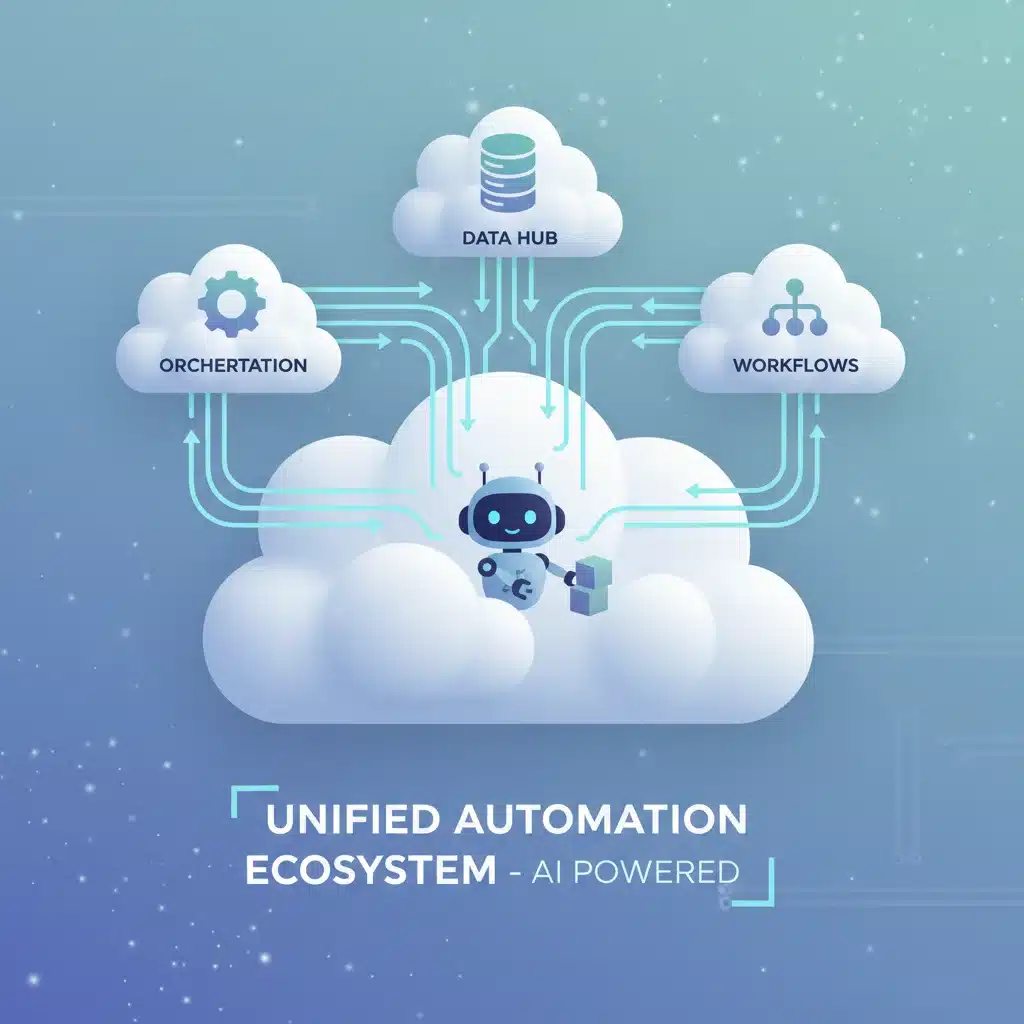
The integration capabilities of these startup automation tools are particularly powerful. They can connect with communication platforms like Slack, document management systems like Google Drive, and even development tools. This creates a unified environment where information flows seamlessly, reducing the need for constant manual updates and status meetings. By Q2 2026, US startups should be leveraging these tools not just for project tracking, but for end-to-end workflow automation, ensuring that every process, from product development to marketing campaign execution, is streamlined and efficient.
6. HR & Recruitment Automation
Attracting, hiring, and retaining top talent is a continuous challenge for startups. The administrative burden associated with human resources and recruitment can be substantial, diverting valuable time from strategic talent acquisition efforts. HR and recruitment automation tools are designed to alleviate this burden, making them essential for scaling startups.
Applicant Tracking Systems (ATS) like Workable, Greenhouse, and Lever automate the entire recruitment lifecycle, from posting job descriptions to screening resumes, scheduling interviews, and sending offer letters. These systems can use AI to rank candidates based on qualifications, ensuring that recruiters focus on the most promising applicants. Automated communication keeps candidates informed throughout the process, enhancing the candidate experience.
Beyond recruitment, HR automation extends to onboarding new employees, managing payroll and benefits (as mentioned earlier), performance reviews, and compliance. Platforms like BambooHR or Gusto (which also offers HR features) automate document management, time-off requests, and employee data management. By Q2 2026, US startups must automate these HR functions to ensure a smooth, efficient, and compliant employee lifecycle, allowing HR professionals to focus on fostering a positive company culture and strategic talent development rather than administrative tasks.
7. Customer Service & Support Automation (AI Chatbots & Helpdesk)
Exceptional customer service is a cornerstone of startup success, building loyalty and driving repeat business. However, scaling customer support manually can be incredibly expensive and challenging. This is where customer service and support automation, particularly through AI chatbots and integrated helpdesk systems, becomes a critical category of startup automation tools.
Modern helpdesk platforms like Zendesk, Intercom, and Freshdesk offer robust automation capabilities. They can automatically route tickets to the appropriate department, create canned responses for frequently asked questions, and trigger follow-up actions based on ticket status. The real power, however, comes with AI-powered chatbots.
These chatbots can handle a significant percentage of incoming queries, providing instant answers to common questions, guiding users through troubleshooting steps, and even processing simple transactions. This not only improves response times and customer satisfaction but also frees up human agents to focus on more complex, high-value interactions. For instance, a chatbot can assist a customer with password resets, order status inquiries, or basic product information, while a human agent can address intricate technical issues or sensitive complaints.
By Q2 2026, US startups should be using these tools to provide 24/7 support, personalize interactions based on customer history, and proactively address potential issues before they escalate. The data gathered by these automated systems can also provide invaluable insights into customer pain points, enabling continuous improvement of products and services.
Implementing Automation: Best Practices for US Startups
Adopting these startup automation tools is not just about purchasing software; it’s about a strategic shift in operations. Here are some best practices for US startups to ensure successful implementation:
- Start Small, Scale Gradually: Don’t try to automate everything at once. Identify the most painful, repetitive processes first, implement a solution, measure its impact, and then expand.
- Define Clear Objectives: Before adopting any tool, clearly define what you want to achieve. Is it cost reduction, efficiency gain, improved customer satisfaction, or faster time-to-market?
- Integrate Wisely: Look for tools that can integrate seamlessly with your existing tech stack. A fragmented automation strategy can create new inefficiencies.
- Train Your Team: Automation doesn’t eliminate human roles; it changes them. Ensure your team is trained on how to use new tools and how to leverage automation for greater impact.
- Monitor and Optimize: Automation is not a set-it-and-forget-it solution. Continuously monitor the performance of your automated workflows, gather feedback, and optimize them for better results.
- Data Security and Compliance: Especially for US startups, ensure that any automation tools comply with relevant data privacy regulations (e.g., CCPA, HIPAA if applicable) and maintain robust security protocols.
- Embrace AI: As AI capabilities advance, integrate AI-powered automation wherever possible for predictive analytics, hyper-personalization, and intelligent decision-making.
The Future is Automated: Preparing for Q2 2026 and Beyond
The landscape for US startups is continuously evolving, and technological adoption is no longer a luxury but a necessity. The seven categories of startup automation tools discussed – advanced CRM & Sales Automation, Marketing Automation & AI-Powered Personalization, Financial Operations Automation, Robotic Process Automation, Integrated Project Management & Workflow Automation, HR & Recruitment Automation, and Customer Service & Support Automation – represent the critical pillars of operational efficiency for the modern startup.
By prioritizing the adoption and strategic implementation of these tools by Q2 2026, US startups will not only streamline their operations and reduce costs but also empower their teams to focus on innovation, strategic growth, and delivering exceptional value to their customers. The future is automated, and those who embrace it intelligently will be the ones that thrive and lead in the years to come. Investing in these automation technologies now is an an investment in a scalable, resilient, and highly competitive future.
Conclusion
The race to innovate and scale in the US startup ecosystem is more intense than ever. Automation is the strategic lever that can propel nascent businesses from promising ventures to market leaders. By meticulously selecting and integrating the right startup automation tools, founders can build robust, efficient, and future-proof organizations. The deadline of Q2 2026 serves as a crucial reminder: the time to automate is now. Embrace these technologies, empower your teams, and chart a course for unparalleled growth and success.