Sustainable Mining US 2026: 4 Key Practices for a Greener Future
Sustainable Mining US 2026: 4 Key Practices for a Greener Future
The mining sector, often perceived through the lens of environmental impact, is undergoing a profound transformation. As the world grapples with climate change and resource scarcity, the demand for sustainable practices has never been more urgent. In the United States, a nation rich in mineral resources vital for technological advancement and economic stability, the shift towards sustainable mining US is not merely a trend but a fundamental imperative. By 2026, several innovative and environmentally conscious approaches are set to solidify their position, reshaping how minerals are extracted and processed across the country. This article delves into four such practices that are gaining significant traction, promising a greener, more responsible future for the American mining industry.
The journey towards sustainable mining US is multifaceted, encompassing technological innovation, ecological restoration, community engagement, and stringent regulatory frameworks. It’s about minimizing the environmental footprint, enhancing operational efficiency, and ensuring the long-term viability of mineral resources for future generations. The evolving landscape of global markets, coupled with increasing consumer and investor pressure for ethical sourcing, further accelerates this transition. Companies that embrace these sustainable practices are not only contributing to environmental protection but also gaining a competitive edge, attracting talent, and building stronger relationships with stakeholders.
1. Advanced Water Management and Recycling Technologies
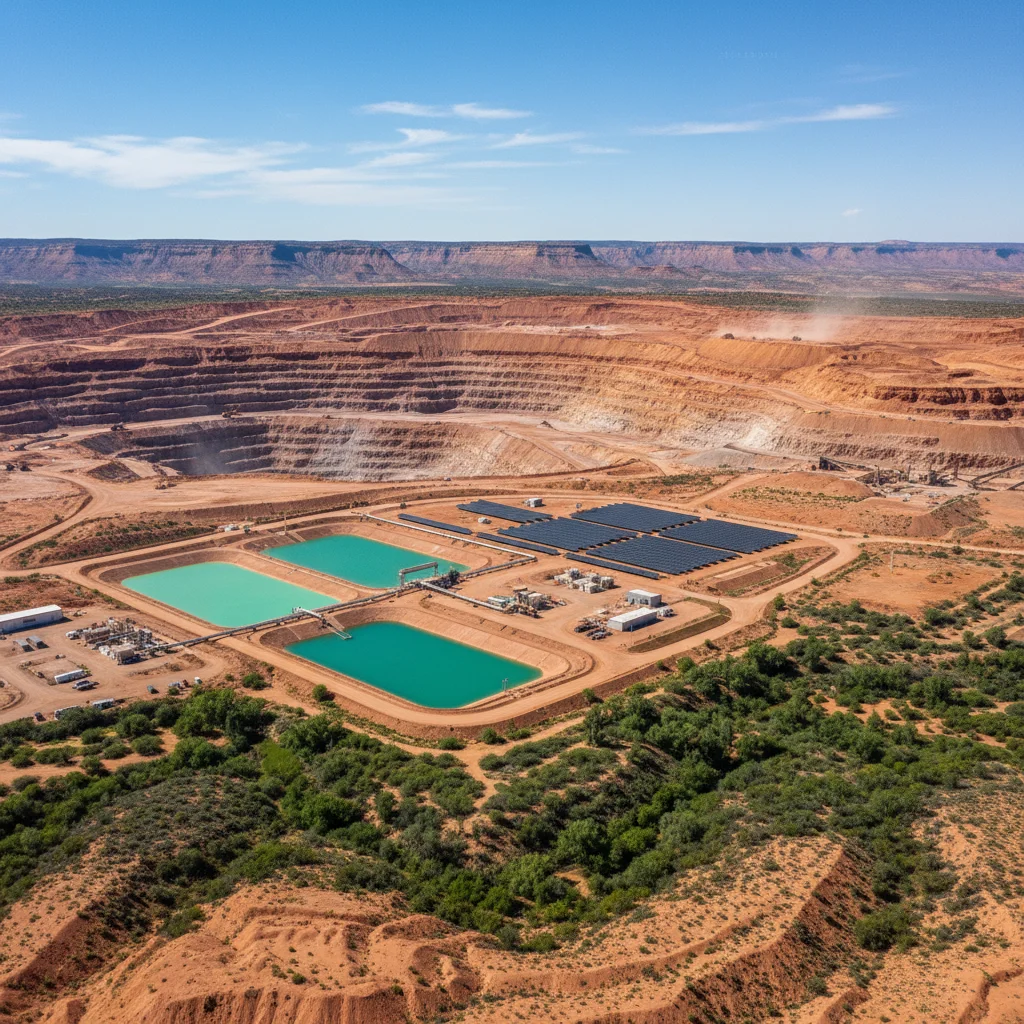
Water is an indispensable resource in mining operations, used for processing, dust suppression, and human consumption. Historically, mining has been a significant consumer of water, often leading to concerns about local water scarcity and contamination. However, the paradigm is rapidly shifting with the adoption of advanced water management and recycling technologies, a cornerstone of sustainable mining US.
By 2026, we anticipate widespread implementation of closed-loop water systems. These systems are designed to capture, treat, and reuse water within the mining process, drastically reducing the demand for fresh water. Technologies such as ultrafiltration, reverse osmosis, and advanced oxidation processes are becoming more sophisticated and cost-effective, enabling mines to treat even highly contaminated wastewater to a quality suitable for reuse. Moreover, real-time monitoring systems are being deployed to track water usage, identify leaks, and optimize treatment processes, ensuring maximum efficiency and minimal waste.
The Impact of Closed-Loop Systems
The benefits of closed-loop water systems are profound. Firstly, they significantly reduce the overall water footprint of mining operations, alleviating pressure on local water sources, particularly in arid regions of the US where water is a precious commodity. Secondly, by treating and reusing water, the discharge of contaminated water into the environment is minimized, protecting aquatic ecosystems and ensuring compliance with environmental regulations. Thirdly, these systems can lead to substantial operational cost savings by reducing the need to purchase and treat fresh water, making them an economically attractive option for mining companies.
Furthermore, innovative approaches to water harvesting, such as capturing rainwater and runoff, are being integrated into site designs. Smart irrigation systems for revegetation efforts further optimize water use post-mining. The integration of artificial intelligence and machine learning algorithms is also playing a crucial role in predicting water demand, optimizing treatment plant performance, and identifying potential issues before they escalate. This holistic approach to water management is not just about compliance; it’s about establishing a new standard for responsible resource stewardship within the sustainable mining US sector.
Companies are investing heavily in research and development to push the boundaries of water treatment. For instance, some are exploring bioremediation techniques, using microbes to naturally break down contaminants in wastewater. Others are developing modular, scalable water treatment plants that can be easily deployed and adapted to different mining sites. This focus on innovation is critical for addressing the diverse challenges presented by various ore bodies and geographical locations across the US.
The push for advanced water management is also driven by stakeholder expectations. Local communities, environmental groups, and regulatory bodies are increasingly demanding greater transparency and accountability regarding water usage and discharge. Adopting these cutting-edge technologies not only meets these demands but also builds trust and fosters a more positive relationship between mining operations and their surrounding communities. This proactive stance on water management is a clear indicator of the industry’s commitment to sustainable mining US principles.
2. Sensor-Based Ore Sorting and Digitalization
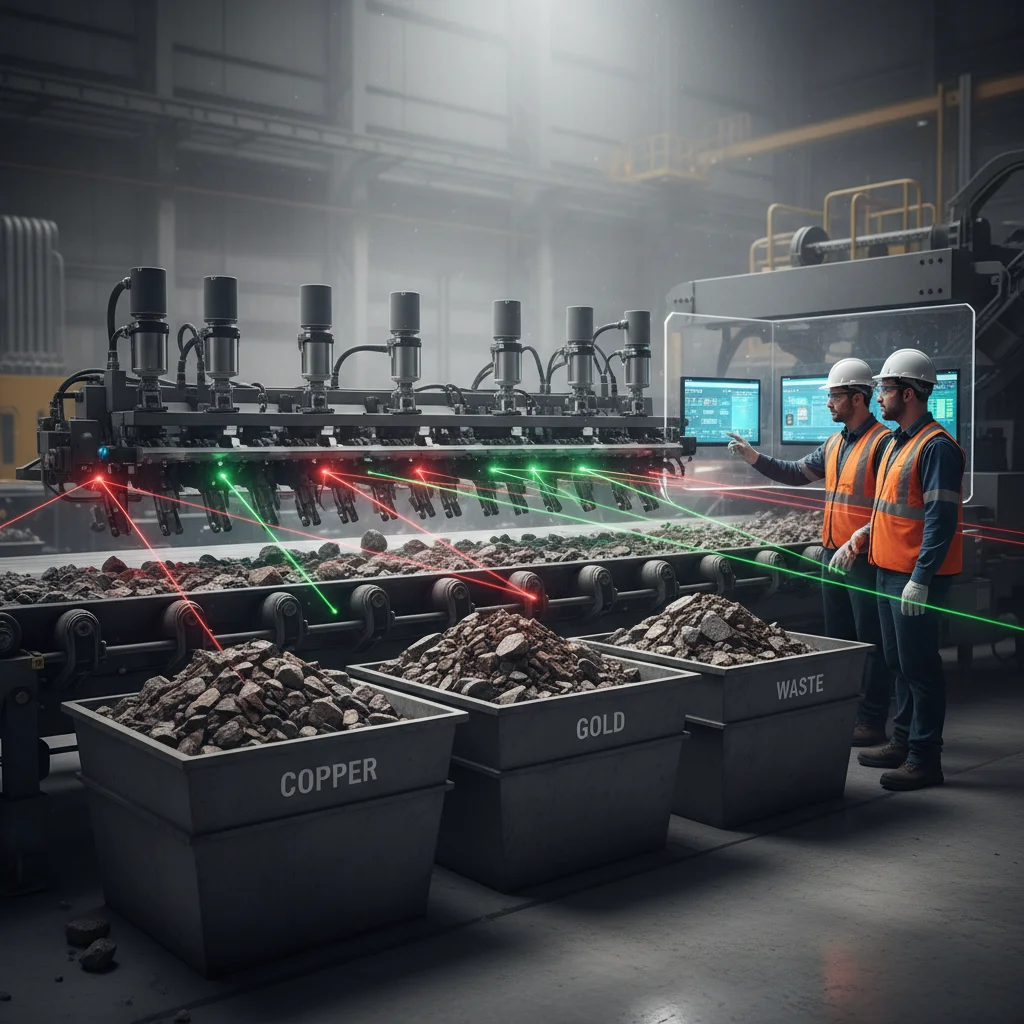
Efficiency in mining is directly linked to profitability and sustainability. One of the most significant advancements contributing to both is sensor-based ore sorting. This technology allows for the separation of valuable minerals from waste rock before the comminution (crushing and grinding) and processing stages, a critical development for sustainable mining US.
Traditionally, large quantities of rock, including a substantial amount of barren material, are processed, consuming immense amounts of energy, water, and chemicals. Sensor-based sorting utilizes various technologies, such as X-ray transmission, X-ray fluorescence, near-infrared spectroscopy, and electromagnetic sensors, to analyze individual rocks on a conveyor belt. Based on their mineralogical composition, density, or other properties, waste rock is ejected, leaving a higher-grade ore stream for further processing.
Revolutionizing Resource Extraction
The implications of this technology for sustainable mining US are transformative. By pre-concentrating the ore, mines can significantly reduce the volume of material that needs to be crushed, ground, and chemically treated. This leads to substantial reductions in energy consumption, often by 30% or more, resulting in lower greenhouse gas emissions. Furthermore, less waste rock means smaller tailings facilities, reducing land disturbance and the potential for environmental contamination. Water and chemical usage are also considerably lowered, aligning perfectly with the goals of responsible resource management.
Beyond sensor-based sorting, the broader trend of digitalization is sweeping across the mining industry. This includes the deployment of autonomous vehicles, drones for surveying and monitoring, and advanced data analytics platforms. Autonomous haulage systems, for example, optimize routes, reduce fuel consumption, and improve safety by minimizing human exposure to hazardous environments. Drones equipped with LiDAR and hyperspectral sensors provide highly accurate data for geological mapping, environmental monitoring, and volumetric calculations, enabling more precise and efficient mine planning.
Data analytics, powered by artificial intelligence and machine learning, is becoming increasingly sophisticated. Mines are collecting vast amounts of data from sensors on equipment, processing plants, and environmental monitoring stations. This data is then analyzed to identify patterns, predict equipment failures, optimize operational parameters, and improve overall efficiency. Predictive maintenance, for instance, allows companies to service machinery before it breaks down, minimizing downtime and maximizing productivity. This digital revolution is creating ‘smart mines’ that are not only more efficient but also inherently more sustainable.
The integration of these digital tools also enhances transparency and traceability throughout the supply chain. From mine to market, it’s becoming possible to track the origin and processing of minerals, assuring consumers and regulators of ethical and sustainable sourcing. This level of transparency is crucial for industries that rely on critical minerals, ensuring they are not contributing to environmental degradation or social injustice. The continued evolution of digitalization is a powerful driver for the future of sustainable mining US.
3. Mine Closure Planning and Ecological Restoration from Day One
A truly sustainable mining US operation considers its end from the very beginning. Historically, mine closure often occurred as an afterthought, leading to abandoned sites with significant environmental liabilities. However, a fundamental shift is underway, with integrated mine closure planning and ecological restoration being incorporated into the project lifecycle from the initial stages of exploration and design.
This proactive approach involves developing detailed plans for land rehabilitation, water management, and biodiversity restoration even before the first shovel hits the ground. It requires a comprehensive understanding of the pre-mining environment, including soil composition, hydrology, and native flora and fauna. The goal is not just to close a mine but to restore the land to a stable, productive, and ecologically functional state, ideally to its pre-mining condition or a mutually agreed-upon alternative land use.
Reimagining Post-Mining Landscapes
Key practices include progressive rehabilitation, where disturbed areas are revegetated and restored as mining progresses, rather than waiting until the entire operation ceases. This minimizes the total area of disturbed land at any given time and allows for earlier establishment of stable ecosystems. Selection of native plant species, re-establishment of natural drainage patterns, and creation of diverse habitats are all integral to successful ecological restoration.
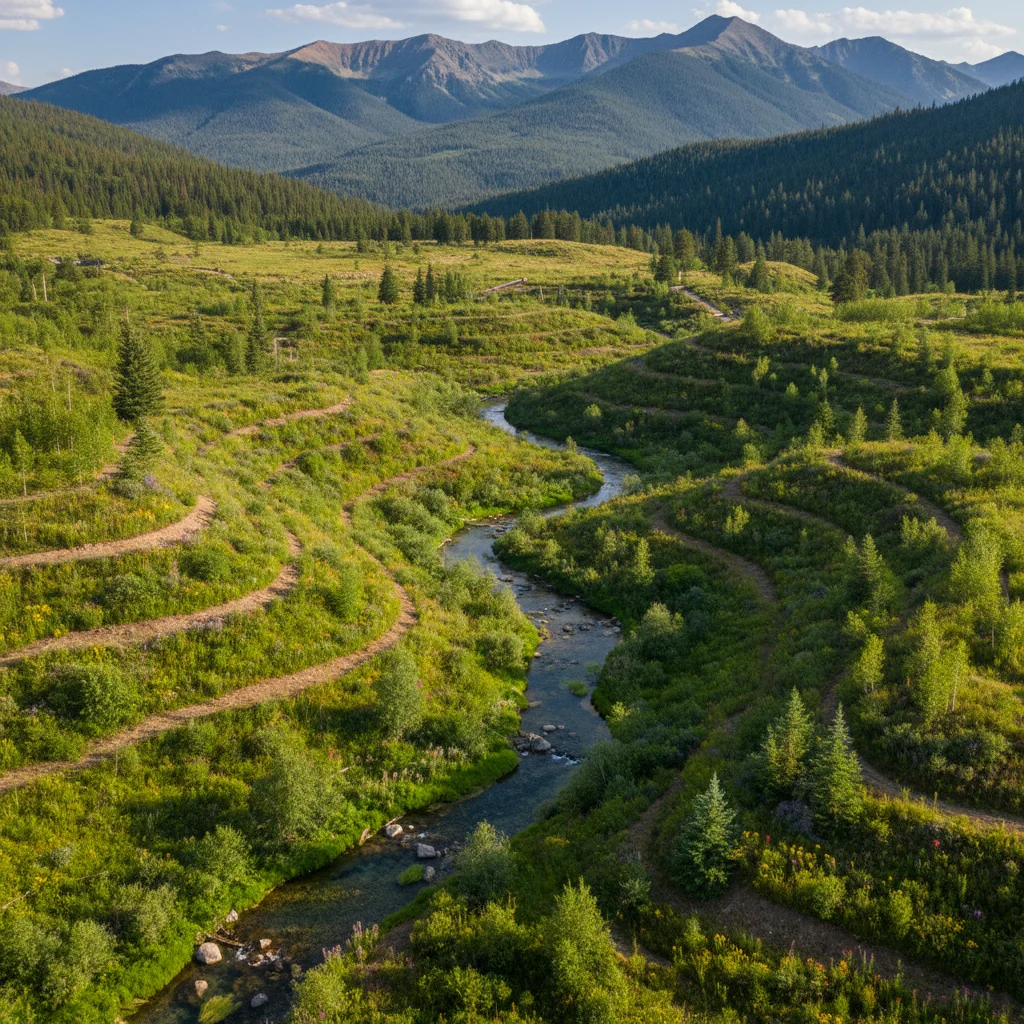
Furthermore, mine closure planning now often includes considerations for post-mining land use that can benefit local communities. This could involve converting former mine sites into agricultural land, wildlife habitats, recreational areas, or even renewable energy farms (e.g., solar panel installations). This forward-thinking approach transforms potential liabilities into assets, demonstrating a strong commitment to sustainable mining US and responsible corporate citizenship.
Financial provisions for mine closure and rehabilitation are also becoming more robust, ensuring that funds are set aside throughout the mine’s operational life to cover these costs. This prevents future generations from bearing the burden of environmental cleanup. Regulatory bodies are increasingly requiring detailed and financially guaranteed closure plans, holding companies accountable for their long-term environmental responsibilities.
Community engagement is another critical aspect of modern mine closure. Involving local stakeholders in the planning process ensures that restoration efforts align with community needs and aspirations. This collaborative approach not only leads to better environmental outcomes but also strengthens the social license to operate for mining companies. The success of these long-term restoration projects is a testament to the evolving ethos of the sustainable mining US industry, moving beyond mere extraction to become stewards of the land.
The scientific community also plays a vital role in this practice, with ongoing research into soil reconstruction techniques, bioremediation of contaminated soils, and the reintroduction of specific species to accelerate ecological recovery. The use of advanced mapping and monitoring technologies, such as satellite imagery and drone surveys, helps track the progress of rehabilitation and adapt strategies as needed. This iterative and science-based approach ensures that restoration efforts are effective and sustainable in the long run.
4. Renewable Energy Integration and Decarbonization
The mining industry is notoriously energy-intensive, with significant reliance on fossil fuels for heavy machinery, processing plants, and site infrastructure. However, a rapid shift towards renewable energy integration and decarbonization is underway, marking a crucial step towards sustainable mining US.
By 2026, we expect to see a substantial increase in mines powering their operations, at least partially, with renewable energy sources such as solar, wind, and geothermal. Many remote mine sites, often disconnected from national grids, are ideal candidates for off-grid renewable energy solutions. Hybrid power systems combining renewables with battery storage and efficient diesel generators are becoming common, offering reliable and cost-effective alternatives to traditional fossil fuel-only power plants.
Powering the Future of Mining
The transition to electric vehicles (EVs) and equipment in mines is another major decarbonization strategy. Electric haul trucks, loaders, and drills emit zero direct emissions, improve air quality on site, and often operate more quietly, reducing noise pollution. While the initial capital investment for electric fleets can be higher, lower operating costs (due to cheaper electricity compared to diesel) and reduced maintenance requirements offer compelling long-term economic benefits. Charging infrastructure for these EVs is being integrated into mine designs, often powered by the very renewable energy sources being installed.
Furthermore, mines are exploring opportunities to utilize waste heat from their operations for various purposes, such as heating buildings or even generating additional electricity. Carbon capture technologies, though still nascent in the mining context, are also being investigated as a potential future solution for reducing process emissions, particularly from activities like cement production (if applicable to the mine’s operations) or other industrial processes that may occur on site.
The drive for decarbonization is not solely driven by environmental concerns; it also makes sound business sense. Volatile fossil fuel prices and increasing carbon taxes (or similar regulatory incentives) make renewable energy a more predictable and often cheaper long-term energy source. Moreover, investors and financial institutions are increasingly scrutinizing the carbon footprint of companies, favoring those with robust decarbonization strategies. This financial pressure, combined with a genuine commitment to environmental stewardship, is accelerating the adoption of renewable energy and electrification across the sustainable mining US sector.
Collaborations with renewable energy developers are becoming more common, with mining companies entering into power purchase agreements (PPAs) that guarantee a stable supply of green energy at competitive rates. Some companies are even developing their own large-scale solar or wind farms adjacent to their operations. This holistic approach to energy management is not only reducing the environmental impact of mining but also enhancing energy security and operational resilience. The future of sustainable mining US is undeniably electric and powered by clean energy.
The Road Ahead for Sustainable Mining US
The four practices outlined above – advanced water management, sensor-based ore sorting and digitalization, comprehensive mine closure planning, and renewable energy integration – represent critical pillars of the evolving sustainable mining US landscape. They are not isolated initiatives but rather interconnected strategies that collectively contribute to a more responsible, efficient, and environmentally sound mining industry.
The drive for sustainability in US mining is also fueled by a growing recognition of the industry’s crucial role in the global transition to a green economy. Minerals like copper, lithium, nickel, and rare earth elements are indispensable components of electric vehicles, renewable energy technologies, and advanced electronics. Extracting these materials responsibly is paramount to achieving broader sustainability goals. Therefore, the commitment to sustainable practices within the US mining sector is not just about mitigating negative impacts; it’s about enabling a sustainable future for all.
Challenges remain, of course. The high capital costs associated with new technologies, the complexity of regulatory environments, and the need for a skilled workforce capable of operating and maintaining advanced systems are significant hurdles. However, continuous innovation, supportive government policies (such as tax incentives for green technologies), and a growing industry consensus on the importance of sustainability are paving the way for overcoming these obstacles.
Furthermore, public perception of mining is slowly but surely improving as the industry demonstrates its commitment to environmental stewardship and community engagement. Transparent reporting, proactive communication, and tangible results from sustainable practices are vital for building trust and securing the social license to operate. The story of sustainable mining US is one of innovation, adaptation, and a deep commitment to balancing economic prosperity with environmental responsibility.
By 2026, these practices will not only be gaining traction but will be considered standard operating procedures for leading mining companies in the US. The industry is moving from a reactive stance on environmental issues to a proactive one, embracing sustainability as a core business principle. This transformation promises a future where mining continues to provide the essential resources our society needs, but does so in a way that protects our planet and benefits all stakeholders. The future of mining in the United States is indeed a greener one.