
Scaling Your US Startup: From 10 to 100 Employees by Q4 2026
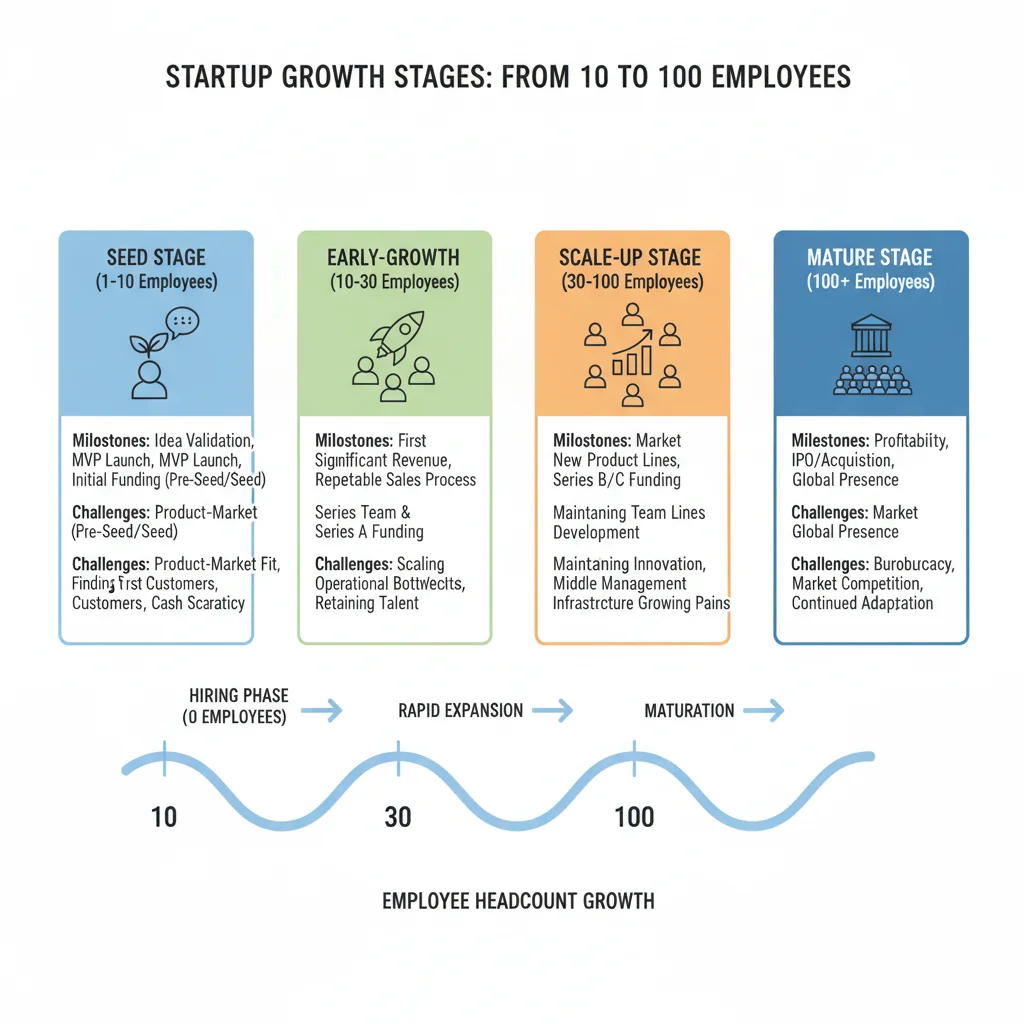
The journey from a lean, agile startup of 10 employees to a robust, high-functioning organization of 100 is a monumental undertaking, especially within the dynamic landscape of the US market. This growth isn’t merely about adding headcount; it’s about strategic expansion, operational maturity, and preserving the very essence of what made your startup successful in the first first place. For ambitious US startups aiming to hit the 100-employee mark by Q4 2026, the path is fraught with both exhilarating opportunities and significant challenges. This comprehensive guide will delve into the critical aspects of this rapid US Startup Scaling journey, providing actionable insights and strategies to ensure sustainable growth and continued success.
Achieving this level of growth within a tight timeframe requires meticulous planning, a strong leadership team, and an unwavering commitment to your vision. It’s a sprint and a marathon combined, demanding adaptability, foresight, and the ability to execute on multiple fronts simultaneously. From refining your product-market fit to building a resilient organizational culture, every decision made during this phase will profoundly impact your trajectory. Understanding the unique regulatory, competitive, and talent acquisition nuances of the US market is paramount.
The Foundation: Strategic Planning for Rapid Growth
Before you even think about hiring your 11th employee, a robust strategic plan is essential. This isn’t just a business plan; it’s a living document that outlines your vision for the next 2-3 years, specifically targeting the 100-employee milestone by Q4 2026. This plan should encompass market analysis, competitive positioning, financial projections, and, crucially, a detailed human resources roadmap.
Defining Your North Star: Vision, Mission, and Values
As you scale, your core identity can become diluted if not actively nurtured. Revisit and reinforce your company’s vision, mission, and values. These serve as the guiding principles for every new hire, every strategic decision, and every cultural initiative. They are the non-negotiables that will help you attract the right talent and maintain cohesion as your team expands. A clear vision provides direction, a compelling mission articulates your purpose, and strong values define how your team operates and interacts.
Market Analysis and Product-Market Fit Revalidation
What worked for 10 employees might not be sufficient for 100. Re-evaluate your product-market fit. Are you still solving a critical problem for a growing market? Is your product scalable to serve a larger customer base? Analyze market trends, customer feedback, and competitor activities. This continuous validation ensures that your growth is built on solid ground and that your expanded team will be working towards a product that continues to resonate with its audience. The US market is diverse, and understanding regional differences or specific industry niches can provide significant advantages.
Financial Projections and Funding Strategy
Scaling from 10 to 100 employees is capital-intensive. Detailed financial projections, including hiring costs, infrastructure expansion, and operational expenses, are critical. You’ll need a clear funding strategy – whether it’s through venture capital, angel investors, debt financing, or organic revenue growth. Secure enough capital to support your aggressive growth trajectory without running out of runway. Investors will want to see a well-thought-out plan for how you intend to utilize their funds to achieve your ambitious goals for US Startup Scaling.
Building the Team: From 10 to 100 Employees
This is arguably the most challenging yet rewarding aspect of scaling. Hiring 90 new individuals within a relatively short period, while maintaining quality and cultural fit, requires a sophisticated and proactive approach.
Developing a Comprehensive Hiring Strategy
Your hiring strategy needs to be a well-oiled machine. It should include:
- Talent Acquisition Plan: Identify key roles needed for growth, define clear job descriptions, and establish a structured interview process. Consider what skills and experience will be necessary not just for today, but for the future state of the company at 100 employees.
- Recruitment Channels: Leverage a mix of internal referrals, professional networks, online job boards, recruiters, and even university partnerships. For the US market, understanding regional talent pools (e.g., tech hubs, specific industry clusters) can be highly beneficial.
- Employer Branding: In a competitive talent market, your employer brand is crucial. Showcase your culture, values, and employee success stories to attract top talent. What makes your startup an attractive place to work?
- Onboarding Process: A robust onboarding program is essential for integrating new hires quickly and effectively. This goes beyond paperwork; it’s about immersing them in your culture, mission, and team dynamics.
The Importance of Leadership Hires
As you grow, the demands on existing leadership will increase exponentially. You’ll need to bring in experienced leaders who can build and manage teams, set departmental strategies, and drive execution. These hires are pivotal as they will be responsible for scaling their respective functions and mentoring junior team members. Look for leaders who not only possess the necessary technical skills but also embody your company’s values and can foster a positive, productive environment.
Maintaining Cultural Fit and Diversity
Rapid hiring can inadvertently dilute your company culture. Be intentional about cultural fit throughout the hiring process. This doesn’t mean hiring people who are all the same, but rather individuals who align with your core values and contribute positively to your team dynamic. Simultaneously, prioritize diversity, equity, and inclusion (DEI). A diverse workforce brings varied perspectives, fosters innovation, and better reflects your customer base. Establishing DEI initiatives early on will create a stronger, more resilient organization as you scale.
Operational Excellence and Infrastructure
Growing from 10 to 100 employees necessitates a complete overhaul of your operational infrastructure. What worked for a small team will quickly break under the weight of a larger organization. This includes everything from communication tools to legal compliance.
Scalable Processes and Systems
Document and standardize your core processes. Implement scalable systems for project management, customer relationship management (CRM), enterprise resource planning (ERP), and human resources information systems (HRIS). Automation wherever possible will save time and reduce errors, allowing your team to focus on higher-value tasks. Investing in robust IT infrastructure is also key to support increased data, communication, and collaboration needs.
Organizational Structure and Reporting Lines
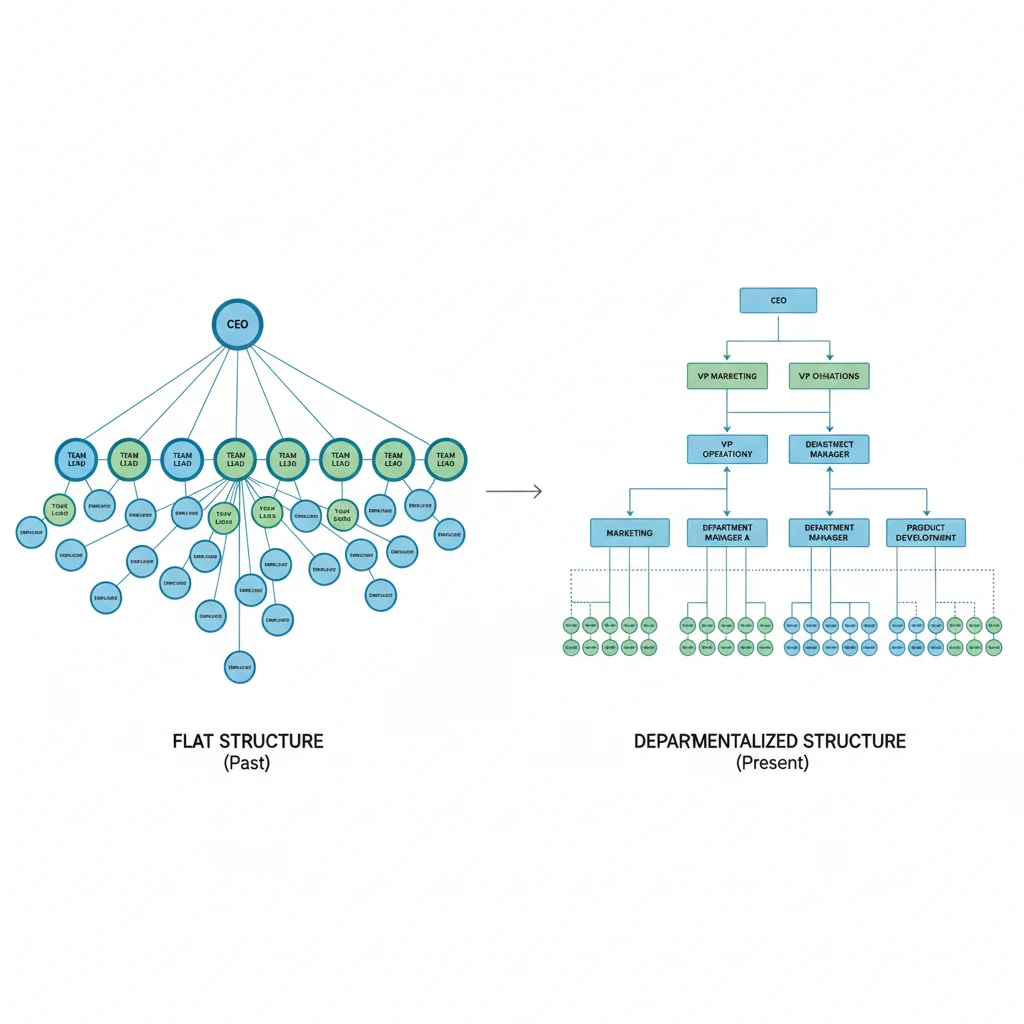
A flat organizational structure works well for 10 people, but it becomes chaotic at 100. You’ll need to define clear departmental structures, reporting lines, and levels of authority. This doesn’t mean becoming overly bureaucratic, but rather creating clarity and accountability. Consider a functional structure (e.g., Marketing, Sales, Engineering, Product, HR) with clear leaders for each department. As you approach 100 employees, you might also start thinking about team leads within departments.
Legal and Compliance Considerations in the US
The US regulatory landscape is complex and varies by state. As you grow, your obligations regarding employment law, data privacy (e.g., CCPA, state-specific regulations), intellectual property, and corporate governance will increase. Engage legal counsel early to ensure compliance and mitigate risks. This includes understanding hiring practices, benefits, payroll taxes, and worker classifications (employee vs. contractor), which can have significant legal ramifications. Staying ahead of these legal considerations is crucial for smooth US Startup Scaling.
Fostering a Thriving Culture at Scale
Your company culture is your competitive advantage. As you grow, it’s easy for culture to become diluted or fragmented. Proactive measures are needed to preserve and evolve it.
Communication Strategies for a Larger Team
Effective communication becomes more challenging with more people. Establish clear internal communication channels (e.g., Slack, company-wide meetings, newsletters). Transparency from leadership is crucial. Share company progress, challenges, and decisions openly to keep everyone aligned and engaged. Regular town halls, departmental updates, and one-on-one meetings become even more important as the team grows.
Employee Development and Growth Paths
To retain top talent, you must offer opportunities for growth. Implement performance management systems, professional development programs, and clear career paths. Investing in your employees’ development not only boosts morale but also equips your team with the skills needed for future challenges. This includes mentorship programs, access to training, and opportunities for internal mobility.
Maintaining Agility and Innovation
Rapid growth can sometimes lead to bureaucracy and a loss of agility. Actively foster an environment that encourages innovation, experimentation, and continuous learning. Empower teams to make decisions, celebrate failures as learning opportunities, and maintain a startup mentality even as you become a larger organization. This involves creating safe spaces for new ideas and ensuring that processes don’t stifle creativity.
Measuring Success and Adapting to Change
Achieving the 100-employee milestone by Q4 2026 isn’t just about hitting a number; it’s about achieving sustainable, impactful growth. This requires continuous monitoring and adaptation.
Key Performance Indicators (KPIs) for Growth
Establish clear KPIs to track your progress across all functions. These might include:
- Hiring Metrics: Time to hire, cost per hire, offer acceptance rate, new hire retention.
- Employee Engagement: Employee satisfaction surveys, turnover rates, participation in company initiatives.
- Operational Efficiency: Process cycle times, automation rates, system uptime.
- Financial Health: Revenue growth, profitability, burn rate, customer acquisition cost.
- Product Metrics: User engagement, feature adoption, customer satisfaction (NPS).
Regularly review these KPIs and use them to inform your strategic decisions. Data-driven decision-making is paramount during periods of rapid US Startup Scaling.
Feedback Loops and Continuous Improvement
Create mechanisms for continuous feedback – from employees, customers, and stakeholders. This could include regular surveys, suggestion boxes, open-door policies, and dedicated feedback sessions. Use this feedback to identify areas for improvement and adapt your strategies. A culture of continuous improvement ensures that your organization remains agile and responsive to internal and external changes.
Managing Change and Overcoming Challenges
Scaling will inevitably bring challenges: growing pains, unforeseen market shifts, competitive pressures, and internal conflicts. Develop a proactive approach to change management. Communicate changes clearly, explain the rationale, and provide support to your employees. Empower your leaders to address challenges head-on and foster a problem-solving mindset throughout the organization. Resilience and adaptability are key traits for leadership during this intensive growth phase.
The Role of Technology in Scaling
Technology is not merely a tool; it’s the backbone of efficient scaling. As a US startup grows, the right technological infrastructure can be the difference between smooth expansion and chaotic collapse. Leveraging advanced software and integrated platforms is essential to manage increased complexity and maintain productivity.
Cloud-Based Solutions and SaaS Platforms
Embrace cloud-based solutions for almost every aspect of your operations. Software-as-a-Service (SaaS) platforms offer scalability, flexibility, and often reduce the need for significant upfront IT investment. This includes cloud-based HRIS for managing your growing workforce, CRM systems for sales and customer support, project management tools for team collaboration, and accounting software for financial oversight. Ensure these platforms integrate seamlessly to create a unified data environment, preventing information silos that can hinder large teams.
Data Analytics and Business Intelligence
With more employees and customers comes a torrent of data. Implement robust data analytics and business intelligence (BI) tools to make sense of this information. These tools can provide insights into customer behavior, operational efficiency, employee performance, and market trends. Data-driven decisions are more accurate and effective, allowing you to optimize strategies for growth, identify bottlenecks, and capitalize on new opportunities. As you scale, relying on intuition alone becomes increasingly risky.
Cybersecurity and Data Protection
As your company grows and handles more sensitive data, cybersecurity becomes paramount. Invest in strong security protocols, employee training on data protection, and compliance with relevant data privacy regulations like the CCPA and other state-specific laws in the US. A data breach can severely damage your reputation and financial stability, making proactive cybersecurity an indispensable part of your scaling strategy. This includes secure networks, access controls, and regular security audits.
Investing in People: Beyond Hiring
While hiring is critical, the ongoing investment in your people is what sustains growth and ensures long-term success. A 100-employee company thrives on the collective strength and continuous development of its individuals.
Compensation and Benefits Strategy
To attract and retain top talent in the competitive US market, your compensation and benefits package must be compelling. This includes competitive salaries, equity options (which are often a key motivator for startup employees), health insurance, retirement plans, and other perks. Regularly benchmark your offerings against industry standards and adjust as needed. A well-designed benefits package demonstrates your commitment to employee well-being and can significantly reduce turnover.
Performance Management and Feedback Culture
Implement a structured performance management system that includes regular goal setting, performance reviews, and continuous feedback. This helps employees understand expectations, track their progress, and identify areas for development. Foster a culture where feedback is seen as a gift – a tool for growth rather than criticism. This is particularly important as direct, informal feedback becomes harder to manage with a larger team.
Employee Wellness and Work-Life Balance
Rapid growth can be demanding. Prioritize employee well-being by promoting a healthy work-life balance. This might include flexible work arrangements, mental health support, wellness programs, and encouraging breaks. Burnout is a real threat in fast-paced environments, and a supportive culture can significantly mitigate this risk, leading to higher productivity and retention rates. Happy and healthy employees are more engaged and innovative.
Geographic Expansion and Remote Work Strategies
For many US startups, scaling to 100 employees doesn’t necessarily mean everyone in one office. Geographic expansion and remote work strategies can be powerful tools.
Leveraging Remote Talent Pools
The US has a vast and diverse talent pool. Embracing remote work can open access to candidates beyond your immediate geographic location, allowing you to hire the best talent regardless of where they live. This can also be a cost-effective strategy, as you might avoid the high real estate costs associated with major tech hubs. However, managing a remote team requires specific strategies for communication, collaboration, and culture building.
Managing Distributed Teams Effectively
If you choose to operate with distributed or remote teams, invest in the right tools and processes. This includes video conferencing, collaborative document sharing, and project management platforms designed for remote use. Establish clear communication protocols, schedule regular virtual team-building activities, and ensure equitable access to resources and opportunities for all employees, regardless of their location. A strong emphasis on asynchronous communication can also be beneficial.
Considerations for Multi-State Operations
If your 100 employees are spread across multiple US states, be prepared for increased administrative complexity. Each state has its own employment laws, tax regulations, and compliance requirements. This necessitates careful planning for payroll, benefits, and legal counsel specialized in multi-state operations. Navigating these complexities is a critical aspect of successful US Startup Scaling across various regions.
Conclusion: Charting Your Course to 100 Employees by Q4 2026
Scaling a US startup from 10 to 100 employees by Q4 2026 is an ambitious yet achievable goal. It demands a holistic approach that integrates strategic planning, meticulous talent acquisition, robust operational infrastructure, and an unwavering commitment to cultivating a thriving company culture. By focusing on these key areas, continuously adapting to feedback, and leveraging technology effectively, your startup can navigate the challenges of rapid growth and emerge as a powerful, influential player in the US market.
Remember that growth is not linear, and there will be bumps along the road. The ability to learn from mistakes, pivot when necessary, and maintain a clear vision will be your greatest assets. With careful execution and a dedicated team, your startup can successfully transition from its early-stage agility to a scalable, sustainable enterprise, poised for even greater achievements beyond 2026. This journey is about building more than just a company; it’s about building a legacy.